Are you struggling with declining yields or persistent pest and disease issues in your vegetable patch, even with diligent care? Implementing crop rotation for vegetable gardens is a powerful, time-tested strategy that directly addresses these challenges, helping you cultivate healthier soil and significantly boost your harvests for years to come.
What is Crop Rotation for Vegetable Gardens and Why is it Essential?
Crop rotation is the practice of planting different types of crops sequentially on the same plot of land over several growing seasons. Instead of planting tomatoes in the same spot every year, you’d move them to a new location in your garden, replacing them with a different vegetable family.
This simple yet profound technique is essential because it directly impacts your garden’s soil health, nutrient balance, and overall resilience. As the Rodale Institute defines it, crop rotation aims to “improve soil health, optimize nutrients in the soil, and combat pest and weed pressure.”
The core principle is to prevent the buildup of specific plant-specific pests and diseases in one area, while also managing nutrient demands. David Hillock, Consumer Horticulture Extension Specialist at Oklahoma State University, states that “Rotating where vegetables are planted is an excellent way of keeping harmful soil organisms to a minimum.” Without rotation, these issues can quickly overwhelm your garden, leading to decreased vegetable yield and quality.
What are the Main Plant Families for Crop Rotation?
Understanding plant families is the cornerstone of effective crop rotation for vegetable gardens. You rotate by family, not just by individual plant, because members of the same family often share similar nutrient needs and are susceptible to the same pests and diseases. Cynthia Domenghini, Horticulture Extension Specialist at Kansas State University, emphasizes that “Crop rotation requires planting any member of one plant family in a location where that plant family was not grown in the previous season.”
Here are the primary plant families crucial for your rotation plan:
- Solanaceae (Nightshade Family): Tomatoes, potatoes, peppers, eggplant. These are often heavy feeders and can be prone to specific soil-borne diseases like early blight.
- Brassicaceae (Cabbage Family): Cabbage, broccoli, cauliflower, kale, radishes, turnips. These are also heavy feeders and are susceptible to clubroot and cabbage worms.
- Leguminosae (Pea/Bean Family): Peas, beans (bush and pole), lentils. These are unique because they fix nitrogen in the soil, enriching it for subsequent crops.
- Cucurbitaceae (Gourd Family): Cucumbers, squash, zucchini, pumpkins, melons. These are moderate to heavy feeders and can be prone to powdery mildew and squash vine borers.
- Amaryllidaceae/Alliaceae (Onion Family): Onions, garlic, leeks, chives. These typically have shallow root systems and can help deter some pests.
- Umbelliferae/Apiaceae (Carrot Family): Carrots, parsnips, celery, parsley. These are generally light to moderate feeders and are known for improving soil structure with their taproots.
By rotating these vegetable plant families rotation ensures you break pest and disease cycles and balance nutrient demands, preventing any single area from becoming depleted or infested.
How to Plan Your Crop Rotation for a Thriving Vegetable Garden
Successful garden planning with crop rotation involves thinking several seasons ahead. The goal is to ensure a diverse sequence of crops that benefits the soil and minimizes problems. The most common approach is a 3-year or 4-year rotation cycle.
Here’s a simplified approach for a crop rotation plan for beginners:
- Divide Your Garden: Split your garden into 3 or 4 distinct sections or beds. Label them clearly.
- Categorize Your Crops: Group your planned vegetables into their respective plant families (as listed above).
- Follow a Sequence: A common and effective sequence moves from heavy feeders to nitrogen fixers, then to light feeders.
A classic 3-year rotation plan, often recommended by the RHS, looks like this:
- Year 1: Potatoes. These are heavy feeders.
- Year 2: Legumes, Onions, and Roots. Legumes (peas, beans) enrich the soil, while onions and root crops (carrots, beets) have different nutrient needs and root depths.
- Year 3: Brassicas. Cabbage, broccoli, and other leafy greens can thrive on the residual nitrogen from the legumes.
What most people miss is that you don’t need a huge garden to start. Even a small plot can be divided mentally or physically. The key is consistency in moving plant families each season to prevent the buildup of specific pathogens and to promote better nutrient cycling.
Best Crop Rotation Plans for Small Gardens & Raised Beds
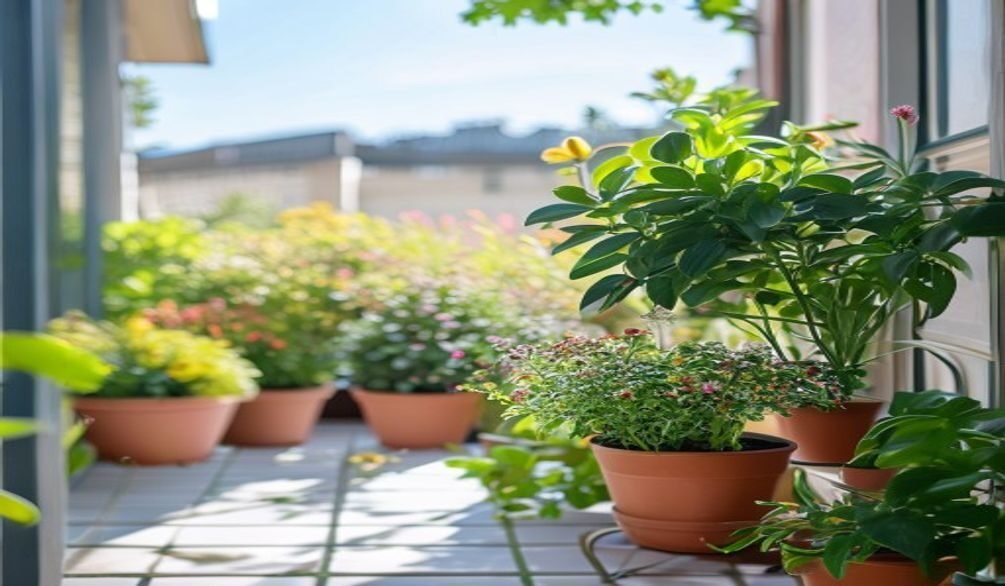
Implementing crop rotation in small gardens and raised beds presents unique challenges, but it’s entirely achievable with smart strategies. The principle remains the same: avoid planting the same family in the same spot consecutively. For these confined spaces, you might need to adapt traditional multi-year plans into more intensive, micro-rotations or focus on grouping plants strategically.
Here are some effective raised bed crop rotation strategies:
- The “Four-Square” Method: Divide a single raised bed into four smaller squares. Plant one family in each square. The next season, rotate each family clockwise or counter-clockwise to the next square. This allows for a simplified 4-year cycle within a compact area.
- Intensive Season-by-Season Rotation: For gardeners who grow multiple crops per season, you can perform a mini-rotation. After harvesting a spring crop (e.g., spinach – a brassica), plant a summer crop from a different family (e.g., bush beans – a legume) in the same spot. This is a more advanced technique for maximizing space.
- Thrive Lot’s Simple 3-Year Plan: This is an excellent how to rotate crops in a small garden example.
- Year 1: Tomatoes (Solanaceae) + basil
- Year 2: Beans (Leguminosae) + dill
- Year 3: Carrots (Umbelliferae) + chives
This plan effectively rotates plant families and incorporates beneficial companion planting.
The short answer is you don’t need acres of land for raised bed gardening; thoughtful planning and a commitment to moving your crops are what truly count. Even a large container can be considered a “bed” for rotation purposes.
Integrating Crop Rotation with Holistic Soil Health Practices
Crop rotation is incredibly powerful on its own, but its benefits multiply when integrated with other sustainable gardening practices. This holistic approach creates a truly resilient and high-yielding garden ecosystem, enhancing soil health far beyond what any single technique can achieve.
Consider these synergistic practices:
- Cover Cropping: Planting cover crops like clover or vetch during off-seasons protects the soil, prevents erosion, suppresses weeds, and adds organic matter. Leguminous cover crops, in particular, contribute significantly to nitrogen fixation, boosting soil nitrogen levels by 30-50% and potentially reducing the need for synthetic fertilizers by up to 30%. A U.S. study from April 2026, analyzing 50 years of data, found that while cover crops consistently improve soil health indicators, two-crop rotations specifically increased available phosphorus.
- No-Till Gardening: Minimizing soil disturbance helps preserve soil structure, beneficial microbes, and organic matter. Will Bonsall’s no-till rotation, featured by the Maine Organic Farmers and Gardeners Association, involves interplanting oats with squash, then flattening and mulching, followed by transplanted cabbage, aiming for two seasons without disturbing the soil. This shows how rotation can align with a no-till philosophy.
- Composting and Organic Amendments: Regularly incorporating compost and other organic matter into your beds provides a slow-release supply of nutrients and improves soil structure, water retention, and microbial activity. This complements crop rotation by ensuring the soil is always rich enough to support successive crops.
- Beneficial Insect Attraction: Planting diverse flowers and herbs throughout your garden attracts pollinators and natural predators, reducing the need for chemical pest control. This works hand-in-hand with crop rotation’s pest-deterring effects. Dr. Sunny Liao, Associate Professor of Soil Microbial Ecology at UF/IFAS, notes, “We think increasing the functional diversity of crops and incorporating grazing will enhance soil biodiversity. That should improve nutrient cycling and ultimately boost crop productivity.” The Rodale Institute further champions these integrated approaches.
By combining crop rotation with these practices, you’re not just growing vegetables; you’re cultivating a vibrant, self-sustaining ecosystem that consistently delivers abundant, healthy produce.
Troubleshooting Common Crop Rotation Challenges
Even with the best planning, gardeners can encounter unexpected hurdles when implementing crop rotation for vegetable gardens. It’s not a magic bullet, but a powerful tool that sometimes needs fine-tuning. Knowing how to adapt your plan is key to long-term success.
Here are some common challenges and practical solutions:
- Persistent Pests or Diseases: Despite rotation, some resilient pests or pathogens might linger. If you notice a specific problem recurring in a bed, extend the rotation period for that plant family in that spot to 5-7 years, if possible. Consider planting specific trap crops; for instance, French marigolds (*Tagetes patula*) can be planted as a solid crop for 90-120 days to effectively reduce root-knot nematode populations. This is a targeted form of pest control.
- Unforeseen Crop Failure: Sometimes a crop simply doesn’t thrive. Don’t panic. If a bed intended for brassicas fails, you might have an empty spot. Instead of planting another brassica, consider planting a quick-growing cover crop like buckwheat or a legume to enrich the soil before the next season. This maintains the rotation principle without stressing your soil.
- Limited Space Constraints: For very small gardens or a single raised bed, strict multi-year rotations can feel impossible. Focus on seasonal micro-rotations, as discussed earlier. Alternatively, prioritize moving the most problematic crops (e.g., tomatoes, potatoes, brassicas) to a completely fresh spot, even if it means rotating other less problematic crops less strictly.
- Climate Variability: Unpredictable weather can throw off planting schedules. Be flexible. If a cold snap delays spring planting, adjust your succession planting schedule. Documenting your planting dates and yields each year helps you learn and adapt to your local climate patterns.
In practice, good record-keeping is your best friend. A simple garden journal can help you track what was planted where, when, and what problems or successes you encountered, making future adjustments much easier.
Quantifying the Benefits of Crop Rotation for Your Home Garden
While the aesthetic appeal of a thriving garden is undeniable, the real power of crop rotation lies in its measurable impact on your garden’s productivity and health. These aren’t just vague promises; research consistently demonstrates significant, quantifiable advantages for your home garden.
Let’s look at the numbers:
- Increased Yields: Rotational cropping can increase total yields by 20% compared to continuous monoculture. This benefit rises to +23% when legumes are included in the rotation, according to agricultural studies. Farmers using 3-year and 4-year crop rotations experienced a rise in crop yields ranging between 18% and 32%. This directly translates to more fresh vegetables for your table from the same garden space.
- Enhanced Soil Fertility: The quantity of organic matter in soil increased by 12%, and the availability of soil nitrogen rose by almost 25% due to leguminous crops in rotation. Legumes specifically can increase soil nitrogen levels by 30-50% through nitrogen fixation. This means healthier soil and potentially less need for purchased fertilizers.
- Reduced Pests and Diseases: Crop rotation contributed to a decrease in weeds, pests, and plant diseases by 28%. Diversified rotations can decrease pest populations by up to 80% and lower soil-borne disease incidence by 50%. A study cited by the USDA and Iowa State University found that crop rotation can reduce soil-borne plant diseases by up to 58%. This means less time battling problems and more time enjoying your garden.
- Improved Nutrient Content: Foods produced under rotation systems contain 24% more energy and 14% more protein than those from monocultures. Micronutrient levels like iron, magnesium, and zinc can increase by 27% and 17% respectively. Your homegrown produce will not only be abundant but also more nutritious.
- Consistency and Long-Term Profitability: “Over 70% of farms using digital crop rotation tools in 2025 reported a 15% increase in yield consistency,” showing the reliability this practice brings. Devin Serfas, Assistant Professor at the University of Alberta, notes, “It’s an opportunity to look down the road to some of the benefits of growing a crop that increases profits further out and improves soil carbon in the long run.” This long-term vision applies to home gardeners as well, ensuring a healthy, productive garden for generations. You can learn more about its impact on soil health from resources like Penn State Extension.
These statistics underscore that crop rotation is not just an old gardening wives’ tale; it’s a scientifically proven method for achieving significant, tangible improvements in your garden’s performance and the quality of your harvest.
Are There Any Disadvantages to Crop Rotation?
While the benefits of crop rotation for vegetable gardens are extensive and well-documented, it’s also fair to acknowledge that it’s not without its challenges. Understanding these potential drawbacks can help you prepare and mitigate them effectively.
The main disadvantages include:
- Increased Planning Complexity: For beginners or those with very small gardens, the idea of keeping track of plant families and rotation schedules can seem daunting. It requires more forethought than simply planting what you want, where you want, each year.
- Space Requirements: While adaptable, a truly effective multi-year rotation often benefits from having distinct garden beds or zones. Gardeners with extremely limited space, such as a single small raised bed or just a few containers, might find strict adherence difficult.
- Initial Learning Curve: Identifying plant families, understanding their nutrient needs, and designing a workable rotation plan takes a bit of learning and practice. It’s a new skill to develop.
- Less Flexibility for Favorite Crops: If you love growing huge patches of tomatoes every year, crop rotation might mean you can’t dedicate the absolute prime spot to them annually. You’ll need to move them, which can feel restrictive.
However, these “disadvantages” are often outweighed by the long-term gains in soil health, reduced pest pressure, and increased yields. With a little initial effort in garden planning and a commitment to learning, these challenges quickly become manageable.
Frequently Asked Questions
What is the best 3 year crop rotation for vegetables?
A highly effective 3-year crop rotation for vegetables typically involves grouping plants by their needs and family. A common sequence is: Year 1 (Heavy Feeders like potatoes and brassicas), Year 2 (Legumes for nitrogen fixation, followed by Root crops), and Year 3 (Fruiting crops like tomatoes, peppers, and squash). This cycle balances nutrient demands and breaks pest and disease cycles.
What are the 4 main groups for crop rotation?
While there are many plant families, for practical crop rotation, four main functional groups are often used: 1) Legumes (nitrogen fixers like peas, beans), 2) Root Crops (carrots, beets, potatoes), 3) Leafy Greens/Brassicas (cabbage, lettuce, kale, broccoli), and 4) Fruiting Crops (tomatoes, peppers, squash). This simplifies planning and ensures diverse growth patterns.
What vegetables should not be rotated?
Generally, all vegetables benefit from rotation, especially those prone to soil-borne diseases or specific pest issues (like tomatoes, potatoes, and brassicas). However, perennial vegetables like asparagus, rhubarb, and artichokes, along with most herbs, are not rotated as they occupy the same spot for multiple years. These should be placed in dedicated areas of your garden.
How do you rotate crops in a small garden?
Rotating crops in a small garden or raised bed involves dividing your space into smaller, manageable zones, even if they’re just imaginary. You can implement a “four-square” method within a single raised bed, rotating plant families clockwise each season. Alternatively, focus on seasonal micro-rotations, ensuring that a successive crop in the same spot belongs to a different plant family to break pest cycles and manage nutrient use.
Embracing crop rotation for vegetable gardens is one of the most impactful decisions you can make for the long-term health and productivity of your garden. By understanding plant families, planning your rotations, and integrating them with other holistic practices, you’ll cultivate exceptionally fertile soil and enjoy abundant, healthy harvests for years to come. Start planning your rotation today and watch your garden thrive!