If you’re wondering how to deadhead flowers to get more blooms and a longer season, you’ve come to the right place. This essential garden maintenance technique transforms your floral displays, ensuring your plants look their best for as long as possible. We’ll guide you through the simple steps to maximize your garden’s beauty and health.
What is Deadheading Flowers?
Deadheading flowers is the practice of removing spent blooms from a plant. This simple act redirects the plant’s energy from seed production back into creating more flowers, resulting in a more vibrant and prolonged display.
Think of it as tidying up your garden for maximum performance. By engaging in this routine flower care guide, you’re signaling to the plant that its reproductive cycle isn’t complete, encouraging it to produce new buds rather than focusing on forming seeds.
Why Should You Deadhead Flowers?
The primary reason why gardeners deadhead flowers is to maximize bloom production and extend the flowering season. When a flower fades, the plant naturally shifts its focus to developing seeds, which is its biological imperative for reproduction.
By performing spent flower removal, you interrupt this process. This forces the plant to reallocate its vital energy towards vegetative growth and the creation of new flower buds, leading to a much longer and more abundant show of color in your garden.
Beyond More Blooms: Other Key Benefits
- Improved Plant Vigor: Removing old flowers prevents the plant from expending energy on seed production, allowing it to grow stronger and healthier foliage. This also contributes to overall plant health.
- Neater Appearance: Deadheading keeps your garden looking tidy and well-maintained by removing brown, wilting flowers. It instantly refreshes the aesthetic of your borders and containers.
- Prevents Unwanted Self-Seeding: For plants that readily self-sow, deadheading prevents them from spreading aggressively throughout your garden. This is particularly useful for managing annuals and some perennials.
- Promotes Branching: Cutting back spent blooms often encourages the plant to produce new shoots and branches, leading to a bushier, more robust plant structure.
How to Deadhead Flowers: Step-by-Step Techniques
Learning how to deadhead flowers involves a few simple techniques, primarily pinching, shearing, or cutting with tools. The best method often depends on the type of flower and its growth habit. Regardless of the method, always aim to make a clean cut or pinch.
Pinching Method
The pinching method is ideal for plants with delicate stems or individual large flowers. It’s often used for annuals and some perennials with easily accessible spent blooms.
- Identify the Spent Bloom: Look for flowers that are fading, browning, or losing their petals.
- Locate the Next Leaf Node or Bud: Follow the stem down from the spent flower until you find a healthy leaf, a side shoot, or a new flower bud.
- Pinch Off: Use your thumb and forefinger to pinch off the stem just above that healthy growth point. This encourages new growth from that node.
This technique is perfect for petunias, marigolds, and some types of salvia, offering precise control over where new growth will emerge.
Shearing Method
Shearing is an efficient deadheading technique for plants with numerous small flowers or those that produce a dense carpet of blooms. This method is faster and less precise but highly effective for mass plantings.
- Gather Stems: Use sharp garden shears or scissors to gather a handful of spent flower stems.
- Cut Back by Half: Cut the top third to half of the plant’s growth, including the spent flowers, back to a point where there is healthy foliage.
- Water and Fertilize: After shearing, water the plants well and consider a light feeding to encourage rapid rebloom.
Annuals like alyssum, lobelia, and even petunias (especially after a heavy flush of blooms) respond very well to shearing, often producing a “great show” of color again in about two weeks, according to expert insights.
Cutting with Tools
For plants with thicker, tougher stems or those with more structured growth, garden snips or bypass pruners are the best choice. This method offers the cleanest cuts and minimizes damage to the plant.
- Select the Right Tool: Use sharp, clean bypass pruners or floral snips for precise cuts.
- Trace the Stem: Follow the stem of the spent flower down to a strong leaf, a lateral branch, or the main stem.
- Make a Clean Cut: Cut the stem at a slight angle, just above a healthy leaf node or a strong side branch. Aim for about a quarter-inch above the node.
This approach is essential for plants like roses, dahlias, and larger perennials. New research suggests that for roses, removing old flowers just above the first leaf below the flower, rather than at the first set of five leaves, leads to more prolific flowering.
What Flowers Benefit Most from Deadheading?
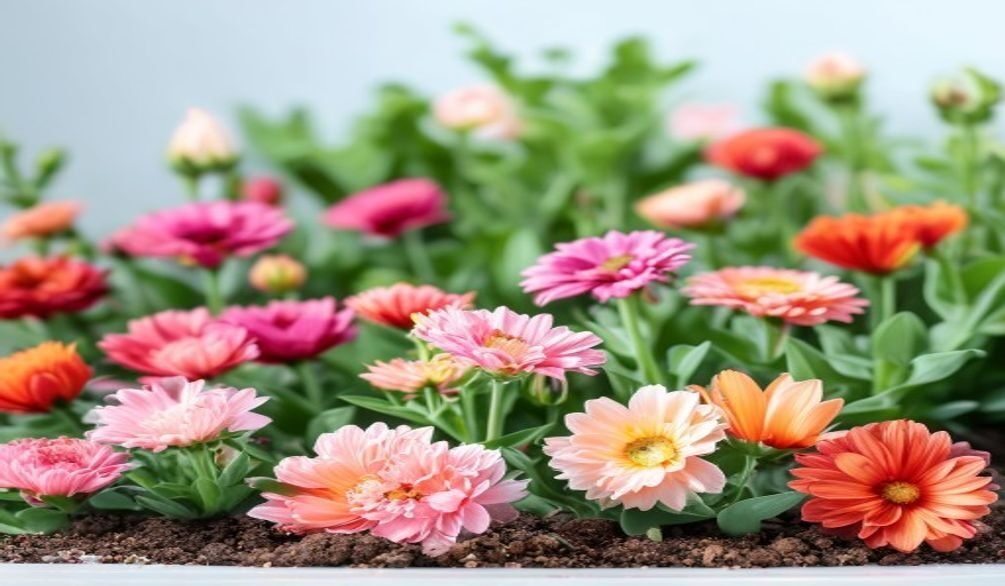
Many popular garden flowers respond enthusiastically to deadheading, rewarding your efforts with a continuous display. Knowing what flowers to deadhead can significantly enhance your garden’s performance.
Generally, annuals and reblooming perennials benefit most. Here’s a list of common garden favorites that thrive with regular spent flower removal:
- Annuals: Petunias, Marigolds, Zinnias, Cosmos, Dahlias (many varieties), Salvia, Geraniums, Snapdragons, Sweet Peas, Calendula, Nicotiana, Verbena, Pansies, Violas. These plants are often programmed for continuous blooming, and deadheading reinforces that trait.
- Perennials: Delphiniums, Lupines, Peonies (after blooming, to tidy), Daylilies, Coreopsis, Shasta Daisies, Bee Balm (Monarda), Phlox (garden phlox), Yarrow (Achillea), Gaillardia, Roses. For perennials, deadheading can often stimulate a second flush of blooms or simply clean up the plant’s appearance.
It’s important to note that not all flowers require deadheading. Some, like impatiens, coleus, or many ornamental grasses, are “self-cleaning” or grown for their foliage, so this garden flower care isn’t necessary.
When is the Best Time to Deadhead Flowers?
The best time to deadhead flowers is regularly throughout the growing season, as soon as you notice blooms beginning to fade. Consistency is key to encouraging continuous flowering and maintaining a neat garden appearance.
Early to Mid-Summer Deadheading
Begin deadheading in late spring or early summer as your first flush of flowers starts to fade. This early attention encourages the plant to produce new buds rapidly, ensuring a vibrant display through the peak summer months. For annuals, a mid-summer shearing can rejuvenate tired plants, bringing a fresh wave of blooms.
Late Summer & Fall Considerations
As the season progresses into late summer and early fall, you might adjust your deadheading strategy. While continuing to deadhead will extend flower season, consider leaving some spent blooms on certain plants if you want them to self-seed for next year or if they produce attractive seed heads (like coneflowers or ornamental grasses) that provide winter interest or food for birds.
However, if you’re battling plant diseases or pests, continued deadheading and proper disposal of affected material can be a crucial part of your garden maintenance tips right up until the first frost.
Deadheading vs. Pruning: Understanding the Differences
While both deadheading and pruning involve removing parts of a plant, they serve distinct purposes in garden care. Understanding these differences is crucial for proper plant health and optimal growth.
Deadheading is specifically the removal of spent flowers. Its primary goal is to encourage more blooms and prevent seed formation, thereby extending the plant’s flowering period and improving its aesthetic. It’s a targeted removal of only the faded flower and a small portion of its stem.
Pruning, on the other hand, is a broader practice involving the removal of stems, branches, leaves, or roots for various reasons, such as:
- Shaping the plant
- Removing dead, diseased, or damaged wood
- Controlling plant size
- Encouraging bushier growth or specific bloom cycles (e.g., pruning roses for larger flowers)
- Improving air circulation
In short, deadheading is a specific type of light pruning focused solely on flowers, whereas pruning encompasses a wider range of cuts made for overall plant structure and health. Pruning vs deadheading is about intent and scope.
Advanced Deadheading Tips & Troubleshooting Common Mistakes
Moving beyond the basics of how to deadhead flowers can elevate your gardening game. Mastering nuanced techniques and knowing how to avoid common pitfalls ensures your efforts truly pay off.
Nuanced Techniques for Challenging Plants
Some plants present unique deadheading challenges. For heavily branched plants like certain salvias or fuchsias, instead of individual pinching, consider a “cut-and-come-again” method where you cut back entire sections of stems that have finished flowering to a strong lateral branch or a healthy set of leaves. This promotes a bushier, more uniform rebloom.
For plants with inconspicuous spent blooms, like some types of gaura or small-flowered verbenas, a light shearing across the top can be more practical than trying to find every single faded flower. This keeps the plant looking fresh and encourages new growth.
Avoiding Common Deadheading Errors
What most people miss when deadheading is often about timing and precision:
- Cutting Too Much: Don’t remove too much healthy foliage, especially early in the season. The leaves are vital for photosynthesis and energy production. Aim to cut just above a leaf node or a new bud.
- Leaving Stumps: Leaving small, bare stem stumps can be an entry point for disease and doesn’t look tidy. Always cut back to a healthy growth point.
- Not Sterilizing Tools: Using dirty tools can spread plant diseases. Always clean your pruners or snips with rubbing alcohol between plants, especially if you suspect disease. This is a critical garden maintenance tip.
- Ignoring Plant Needs: Not all plants benefit from deadheading. Some, like many ornamental grasses or plants grown for attractive seed heads (e.g., coneflowers for winter interest), are best left alone.
How Deadheading Boosts Overall Plant Health & Prevents Disease
Deadheading is more than just a cosmetic treatment; it’s a vital component of holistic plant care that significantly contributes to overall plant health and acts as a preventative measure against various issues.
When you remove spent blooms, you’re also removing potential sites for disease and pests. Fading flowers can become soggy and moldy, especially in humid conditions, creating an ideal breeding ground for fungal diseases like botrytis. Prompt removal of these decaying parts helps maintain a cleaner, healthier plant environment.
Furthermore, by preventing seed formation, you redirect the plant’s energy reserves. This conserved energy can then be used to strengthen the plant’s immune system, making it more resilient to stress, pests, and diseases. It also improves air circulation around the plant, which is another deterrent for fungal problems.
In practice, integrating deadheading into your routine garden maintenance tips is a simple yet powerful step towards integrated pest management (IPM). It reduces the need for chemical interventions by fostering naturally robust and disease-resistant plants.
Frequently Asked Questions
What is deadheading flowers?
Deadheading flowers is the process of removing faded or spent blooms from a plant. This action prevents the plant from producing seeds, redirecting its energy back into creating new flowers and maintaining a fresh appearance.
Why do you deadhead flowers?
Gardeners deadhead flowers primarily to encourage more blooms and extend the flowering season. This practice also improves overall plant vigor, prevents unwanted self-seeding, and keeps the plant looking tidy by removing unsightly spent blooms.
How do you deadhead a flower?
To deadhead a flower, you typically pinch or cut off the spent bloom. For individual flowers, follow the stem down to the first healthy leaf, side shoot, or bud and make a clean cut just above it. For plants with many small flowers, a light shearing of the top growth can be effective.
Do all flowers need deadheading?
No, not all flowers need deadheading. Some plants are “self-cleaning,” meaning their spent blooms drop off naturally, while others are grown for their attractive foliage or seed heads. Always check specific plant care guides if unsure.
Mastering how to deadhead flowers is one of the most impactful skills a gardener can develop. By consistently removing spent blooms, you’re not just tidying your garden; you’re actively participating in its growth cycle, encouraging more vibrant displays, and fostering healthier plants. So grab your snips or use your fingers, and start transforming your garden today for a season full of glorious blooms!