Navigating the world of essential garden tools for beginners can feel overwhelming with countless options available. You want to start your gardening journey right, without buying unnecessary gadgets or low-quality items that won’t last. This guide will cut through the noise, providing a smart start to equipping your garden with the fundamental tools you truly need to succeed.
What Essential Garden Tools Do Beginners Really Need?
When you’re just starting out, the sheer volume of gardening equipment can be intimidating. The truth is, you don’t need a shed full of specialized tools to cultivate a thriving garden; a few key items will get you a long way.
Monica Hemingway of Gardening Products Review advocates for sticking with the basics, stating that “gloves, digging and weeding tools, pruners, something to deliver water, a mower and trimmer, and a favorite garden cart or hauling device – everything else is just extra.” This expert insight confirms that a focused beginner gardening tool kit list is the smartest approach.
Over 70% of U.S. households engage in home gardening, often investing in user-friendly tools for personal use. This widespread adoption highlights the importance of accessible and effective hand gardening tools for new enthusiasts.
The 5 Basic Hand Tools for Every New Gardener
To establish your garden with confidence, start with these fundamental hand tools. These core items form the backbone of any gardener’s arsenal, allowing you to perform the most common tasks efficiently.
1. Gardening Gloves
Protecting your hands is paramount, making a good pair of gardening gloves an absolute necessity. Look for durable, comfortable gloves that offer both protection from thorns and blisters, and enough dexterity to handle seeds or delicate plants.
Leather or synthetic options with reinforced fingertips are excellent choices for general garden work. They shield your skin from soil, cuts, and irritants, ensuring your hands stay comfortable through hours of digging and planting.
2. Garden Trowel
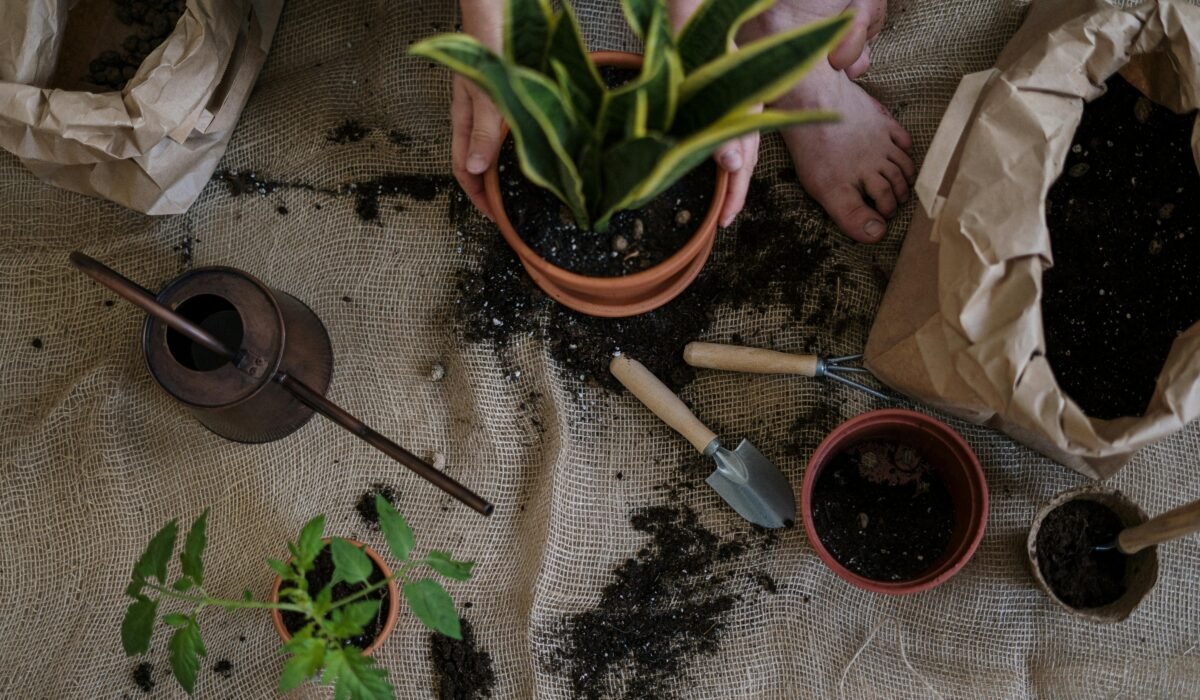
A sturdy garden trowel is your go-to tool for planting small plants, transplanting seedlings, and digging minor holes. Choose one with a strong metal blade that won’t bend under pressure and a comfortable handle for a good grip.
Stainless steel blades resist rust and make cleaning easier, extending the life of this essential digging tool. This versatility makes it indispensable for any beginner.
3. Hand Pruning Shears (Bypass Pruners)
For maintaining plant health and encouraging growth, a sharp pair of pruning shears is crucial. Bypass pruners, which operate like scissors, are ideal for making clean cuts on live stems up to ¾ inch thick, preventing damage to your plants.
Joe Lamp’l of joegardener® emphasizes that “the industry standard and a workhorse for gardeners and weekend warriors alike is a well-made pair of bypass pruners,” recommending brands like Felco and Corona for their quality and replaceable parts. Clean cuts promote faster healing and reduce the risk of disease.
4. Hand Cultivator or Fork
A hand cultivator, often resembling a small claw, is perfect for loosening soil, mixing in amendments, and light weeding. It helps aerate the soil around plants without disturbing their roots too much.
Alternatively, a small hand fork can serve a similar purpose, breaking up compacted soil and gently removing weeds. These tools are especially useful for preparing small beds or working in tight spaces.
5. Weeding Tool (or a multi-purpose option like a Hori Hori Knife)
Weeds are an inevitable part of gardening, so a dedicated weeding tool will save you time and effort. A simple dandelion weeder or a specialized tool with a V-shaped notch can effectively remove tap-rooted weeds.
Alternatively, consider a hori hori knife, often called a soil knife. Cassey Anderson, Horticulture Agent at Colorado State University Extension, recommends it as “indispensable” for its multipurpose uses including digging, weeding, cutting, and even measuring. Its serrated edge and sharp tip make it incredibly versatile for various garden tasks.
Beyond the Basics: Versatile Tools to Expand Your Kit
Once you’ve mastered the basic hand gardening tools, you might find yourself needing a few more items as your garden grows. These versatile tools offer expanded capabilities without overwhelming your initial investment.
Watering Can or Hose with Nozzle
Consistent watering is vital for plant health. A good watering can is perfect for container plants, seedlings, or small garden beds, allowing for precise delivery of water.
For larger areas, a hose with an adjustable nozzle provides efficiency and flexibility. Consider a nozzle with various spray patterns to cater to different plant needs, from gentle showers for delicate seedlings to stronger streams for established plants.
Garden Fork or Shovel
When you move beyond small planting holes, a full-sized garden fork or shovel becomes invaluable. A garden fork is excellent for turning soil, breaking up clumps, and incorporating compost, often proving more versatile than a shovel for these tasks.
Cassey Anderson also argues that a garden fork is “more multipurpose useful than a shovel for many garden applications” for turning, amending, and loosening soil. A shovel, on the other hand, is essential for digging larger holes, moving soil, or scooping materials like mulch.
Wheelbarrow or Garden Cart
Hauling soil, compost, mulch, or harvested produce can be a back-breaking task without the right equipment. A wheelbarrow or garden cart significantly reduces physical strain and increases efficiency.
The Carts Vermont garden cart is cited as a durable, long-lasting hauling device, with some experts using theirs for over 25 years. Investing in a sturdy option will serve you well for many gardening seasons.
Choosing Quality: How to Select Essential Garden Tools for Longevity
Selecting quality garden tools is a smart investment that pays off in durability, performance, and gardening enjoyment. You don’t want tools that bend, break, or rust after just a few uses.
Materials Matter: Steel, Wood & Composites
For digging tools like trowels and shovels, look for stainless steel or carbon steel blades. Stainless steel resists rust and is easier to clean, while carbon steel is incredibly strong, though it requires more diligent cleaning to prevent corrosion.
Handles made of strong, sustainable wood (like ash) or durable composite materials offer comfort and longevity. Avoid flimsy plastic components that can crack or break under stress.
Construction and Ergonomics
Inspect how the handle attaches to the head of the tool; a strong, secure connection (like a welded joint or solid tang) is key. For pruning shears, look for models with replaceable parts, a feature highlighted by Joe Lamp’l for high-quality brands like Felco.
Also, consider the tool’s weight and balance. A well-balanced tool feels like an extension of your arm, reducing fatigue during prolonged use. This is part of how to choose quality garden tools that will truly last.
Budget-Friendly vs. Investment Pieces
While the global garden tools market is substantial, with the non-commercial segment holding 65.4% of the market share in 2024, you don’t need to overspend. For some items, like basic weeding tools, a mid-range option might suffice.
However, for frequently used items like pruning shears or a hori hori knife, investing in a high-quality brand like Fiskars, Felco, Corona, or A.M. Leonard (for their soil knife) is often worthwhile. Brands like DeWit Tools are known for making “excellent tools that will last a lifetime,” offering exceptional long-term value.
Gardening Tools for Every Space: Small Gardens, Raised Beds & Containers
Gardening is no longer confined to large yards; the rise of micro-gardens, vertical gardens, and container gardening means tool needs can vary. Nicole Burke of Gardenary notes that in 2025, “gardening is no longer only for those of us with large yards or acres and acres of land.” This means your tool kit should adapt to your specific space.
Best Garden Tools for Small Spaces and Container Gardening
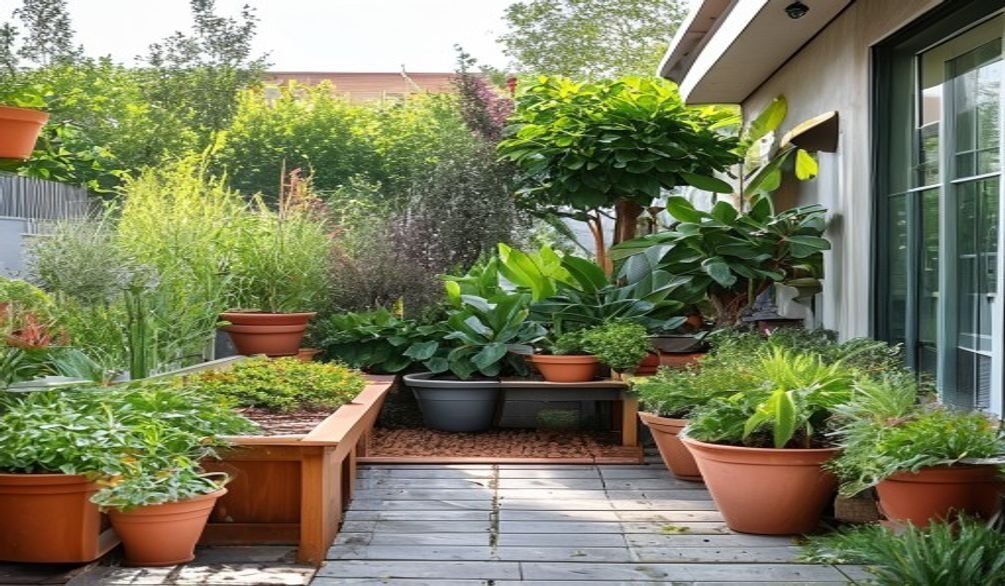
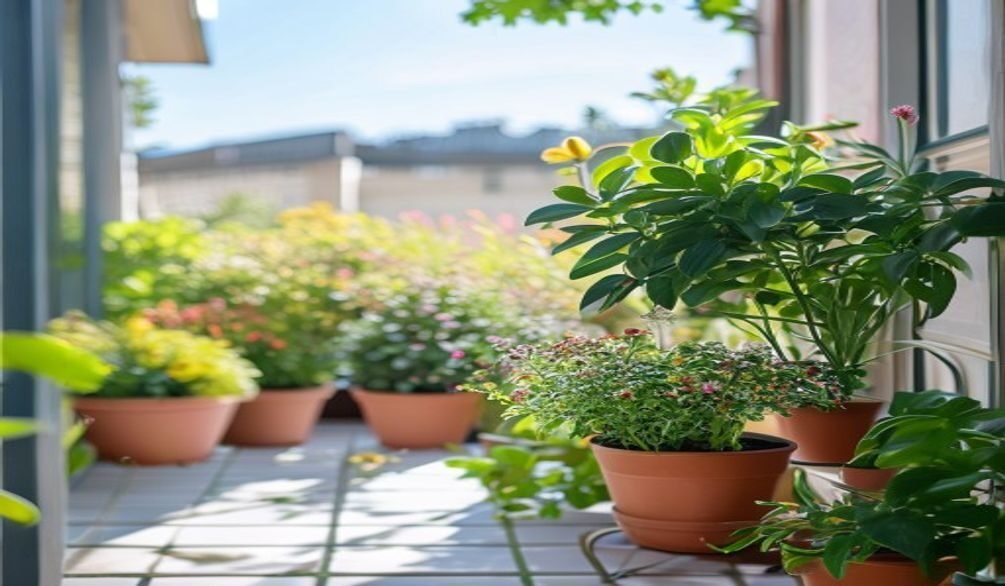
If you’re working with limited room, such as a balcony or patio, compact and precise tools are your best friends. Small hand trowels, narrow cultivators, and even kitchen utensils can be repurposed for container gardening tasks.
For managing multiple pots, a small watering can with a long spout is ideal for targeted hydration. Consider specialized container gardening tools designed for tight spots, making planting and tending much easier.
Gardening Tools for Raised Beds
Raised beds offer excellent drainage and warmth but require tools that can navigate their specific dimensions. Shorter-handled tools are often more comfortable to use when working from the edges of a raised bed.
A hand fork is particularly useful for aerating soil in raised beds without compacting it. For weeding, a narrow hoe or a hori hori knife can effectively remove unwanted plants without disturbing your crops. These raised bed gardening tools ensure you can work efficiently without overreaching.
Ergonomic Garden Tools: Comfort and Accessibility for All
Gardening should be an enjoyable activity, not a source of pain. Ergonomic garden tools are designed to minimize strain and maximize comfort, making gardening accessible for everyone, including those with limited hand strength or arthritis.
Features for Reduced Strain
Look for tools with soft-grip handles, angled designs, or extended shafts that reduce the need to bend or stoop. These features help maintain a natural wrist position and distribute pressure evenly, preventing fatigue and injury.
Handles with larger diameters can be easier to grip for individuals with arthritis or carpal tunnel syndrome. The goal is to make each movement feel more natural and less strenuous, allowing you to garden longer and more comfortably.
Garden Tools for Seniors with Arthritis and Limited Mobility
For gardeners with specific physical challenges, certain tools can make a significant difference. Ratchet-action pruning shears multiply your hand strength, making cutting easier with less effort.
Long-handled cultivators and weeders reduce the need to kneel, protecting your back and knees. Padded kneeling pads or garden seats also provide comfort and support, ensuring gardening remains a joyful and accessible hobby for all ages and abilities.
Caring for Your Essential Garden Tools: Tips for Durability
Proper tool care and maintenance are vital for extending the lifespan of your gardening equipment. A little effort after each use can prevent rust, dull blades, and premature wear, ensuring your tools are always ready for action.
- Clean After Each Use: Remove all soil, sap, and debris from your tools. A stiff brush and water work well. For stubborn sap on pruning shears, use rubbing alcohol or a specialized cleaner.
- Dry Thoroughly: Moisture is the enemy of metal. Always dry your tools completely before storing them to prevent rust.
- Sharpen Blades Regularly: Sharp blades make clean cuts, which are healthier for plants and easier on you. Use a sharpening stone or file for pruning shears, hoes, and shovels.
- Lubricate Moving Parts: For tools with moving parts like pruning shears, apply a light coat of oil (such as mineral oil or camellia oil) to pivots and blades. This prevents rust and ensures smooth operation.
- Store Properly: Hang tools on a rack or store them in a dry, protected area. Avoid leaving them exposed to the elements, which significantly shortens their life.
By following these simple steps, you’ll ensure your essential garden tools remain in top condition for many seasons to come, a testament to responsible ownership and smart gardening practices. For more general information on garden tools, you can explore resources like Wikipedia’s garden tool entry.
Frequently Asked Questions
What tools do I need to start a small garden?
To start a small garden, you primarily need a good pair of gardening gloves, a hand trowel for planting, a small hand cultivator for loosening soil, and bypass pruning shears for trimming. These basic tools are sufficient for most small-scale gardening tasks, whether in containers or a compact plot.
What are the 5 basic garden tools?
The 5 basic garden tools for beginners are typically gardening gloves, a garden trowel, hand pruning shears (bypass pruners), a hand cultivator or fork, and a weeding tool or a versatile hori hori knife. These items cover the essential tasks of planting, weeding, and basic plant care.
What is the most important tool in gardening?
While opinions vary, many experienced gardeners consider a high-quality pair of pruning shears to be the most important tool in gardening. Clean, precise cuts are crucial for plant health, promoting growth, and preventing disease, making sharp bypass pruners indispensable for almost any garden type.
What is the most versatile garden tool?
The hori hori knife is widely considered the most versatile garden tool due to its multi-purpose design. It functions as a small trowel for digging, a knife for cutting roots or twine, a weeding tool, and even has measurement markings, making it incredibly useful for a variety of tasks in the garden.
Equipping yourself with the right essential garden tools for beginners is the first step toward a flourishing garden. By choosing quality, understanding their purpose, and committing to proper care, you’re not just buying tools; you’re investing in your gardening success. Start with the basics, expand thoughtfully, and enjoy the rewarding journey of growing your own green space.