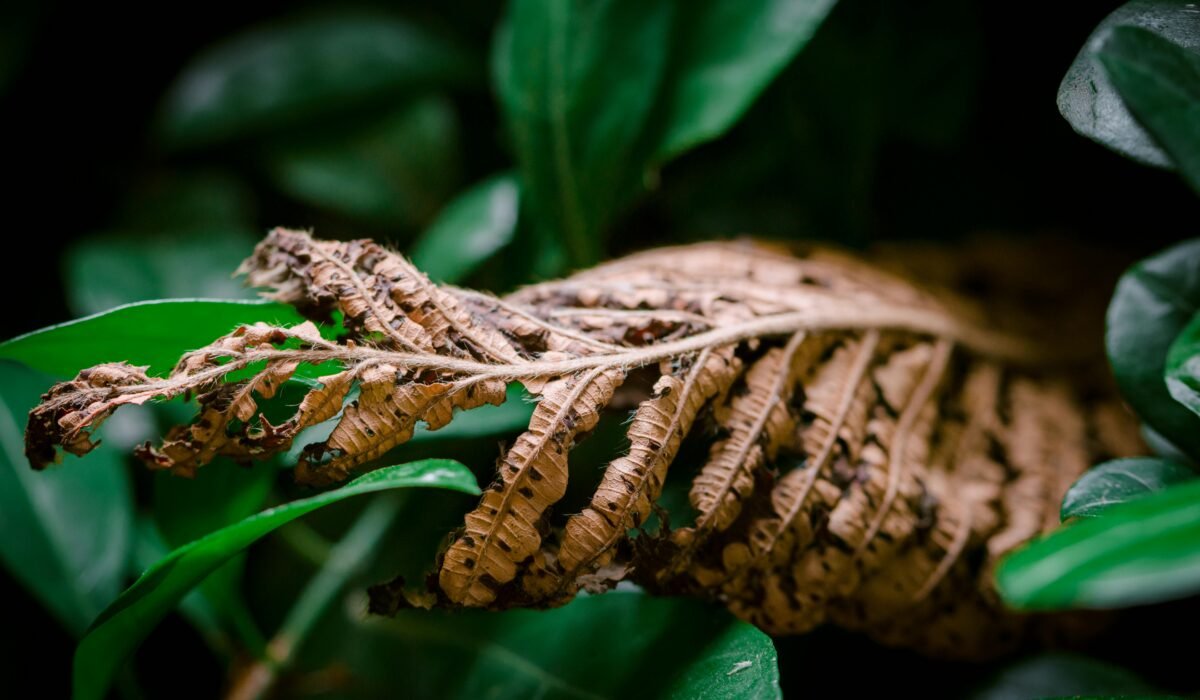
Are you a new gardener staring at yellowing leaves or mysterious spots, wondering what’s wrong with your beloved plants? Understanding common plant diseases for beginners is the first crucial step to a thriving garden. This guide will help you identify, prevent, and treat the most frequent ailments, ensuring your green space stays healthy and vibrant.
What Exactly Are Plant Diseases?
Plant diseases are not just minor inconveniences; they are any abnormal condition that significantly alters a plant’s appearance or function. As Master Gardeners at WVU Extension explain, these disorders typically arise when pathogens invade plant tissues, disrupting vital processes like growth and nutrient transport.
Here’s the thing: a true plant disease isn’t just cosmetic. It’s often caused by microscopic living organisms, known as pathogens, which include fungi, bacteria, viruses, and nematodes. These tiny invaders interfere with a plant’s ability to photosynthesize, absorb water, or reproduce, leading to visible plant disease symptoms and, potentially, plant death.
What most people miss is that for a disease to develop, three conditions must align, a concept known as the “Disease Triangle,” according to Penn State Extension. You need a virulent pathogen, a susceptible host plant, and favorable environmental conditions. Break any leg of that triangle, and you can often prevent the disease.
What Are the 7 Signs of a Sick Plant?
Recognizing the early warning signs of a sick plant can make all the difference in saving it. Identifying common plant disease symptoms early is crucial for effective intervention. Here are seven key indicators that your plant might be struggling:
- Discoloration: Look for yellowing (chlorosis), browning, purpling, or black spots on leaves, stems, or flowers. This is often one of the first visible signs.
- Wilting or Drooping: If leaves or stems suddenly lose turgidity and sag, even with adequate watering, it can signal a root problem or vascular disease.
- Stunted Growth: Plants that are significantly smaller than expected for their age or variety, or have unusually small leaves, might be suffering from a systemic issue.
- Unusual Growths: Keep an eye out for cankers (sunken lesions on stems), galls (abnormal swellings), fuzzy molds (like powdery mildew), or slimy secretions.
- Leaf Drop or Dieback: Premature shedding of leaves or the death of branches starting from the tips can indicate severe stress or disease progression.
- Holes or Chewed Edges: While often a sign of pests, irregular holes or ragged edges can also be symptoms of certain fungal or bacterial infections.
- Root Problems: If you gently unpot a plant and find mushy, discolored, or foul-smelling roots instead of firm, white ones, it’s a clear sign of root rot or other soil-borne issues.
A genuine insight here: Don’t panic at the first sign of trouble. Instead, take a deep breath and observe closely. The exact appearance and location of these symptoms are vital clues for accurate plant disease diagnosis.
Biotic vs. Abiotic: Is It Truly a Plant Disease?
One of the biggest challenges for beginner gardeners is distinguishing between true infectious diseases (biotic problems) and environmental stressors (abiotic problems). A 2023-2024 Plant Diagnostic Laboratory report highlighted this confusion, finding that while 47% of samples had biotic issues, a substantial 21% were due to abiotic factors. It’s a common mistake to assume every problem is a disease.
Biotic plant problems are caused by living organisms, or pathogens, like fungi, bacteria, viruses, and nematodes. These issues spread from plant to plant and often worsen over time if not treated. Examples include powdery mildew or black spot.
Abiotic plant problems, on the other hand, are non-infectious disorders caused by environmental factors. Think of issues like improper watering (too much or too little), nutrient deficiencies, extreme temperatures, light imbalances, or even chemical damage. These problems don’t spread between plants but can affect many plants in the same area if the environmental conditions are uniform. For example, Blossom End Rot in tomatoes is an abiotic issue caused by inconsistent watering and calcium deficiency, not a pathogen. If you’re seeing issues like this, our guide on Blossom End Rot Treatment can help.
“Prevention and early identification are crucial to minimizing damage from disease in your garden and landscape.” — Cornell Cooperative Extension Steuben County. This advice holds true for both biotic and abiotic issues, as understanding the root cause is the first step to prevention.
Understanding this distinction is paramount. Treating a nutrient deficiency with a fungicide, for instance, won’t solve anything and can even harm your plant and the environment. Always consider the growing conditions first when you identify sick plants.
Key Differences at a Glance
| Characteristic | Biotic (True Disease) | Abiotic (Environmental Stress) |
|---|---|---|
| Cause | Pathogens (fungi, bacteria, viruses) | Non-living factors (water, light, nutrients, temp) |
| Spread | Can spread from plant to plant | Does not spread; affects plants under similar conditions |
| Pattern | Often irregular, patchy, or specific to certain plants | Usually uniform, affecting many plants similarly |
| Symptoms | Lesions, spots, molds, cankers, systemic wilting | General yellowing, scorching, wilting, stunted growth, nutrient deficiencies |
| Progression | May worsen over time if untreated | May improve quickly once environmental issue is corrected |
How to Diagnose Common Plant Diseases in Your Garden
Effective plant disease diagnosis requires a bit of detective work. Instead of jumping to conclusions, follow a systematic approach to identify the problem accurately. This process helps you move beyond general sick plant symptoms guide and pinpoint the specific issue.
Here’s a beginner-friendly diagnostic checklist:
- Observe the Whole Plant: Step back and look at the entire plant. Is the problem localized to one area, or affecting the whole plant? Are older leaves affected, or new growth?
- Examine Closely: Get up close and personal. Look at both the top and bottom of leaves, stems, and flowers. Note the color, shape, size, and pattern of any spots or lesions. Are there any insects present?
- Check the Environment: Consider recent weather changes, watering habits (is your drip irrigation system working correctly?), light exposure, and soil conditions. Have you fertilized recently? Too much or too little water is a frequent culprit.
- Inspect the Roots: Gently dig around the base of the plant or carefully unpot it. Healthy roots are usually firm and white or tan. Mushy, black, or foul-smelling roots indicate root rot.
- Consider Plant History: What variety is it? Does this plant typically suffer from certain issues? When did the symptoms first appear, and how have they progressed?
In practice, this systematic approach helps differentiate between simple stress and a true disease. For example, if all plants in a specific, poorly drained area show wilting, it’s likely an abiotic issue like waterlogging, not a spreading pathogen.
Identifying Common Plant Diseases for Beginners
Once you’ve narrowed down the possibilities, it’s time to identify specific common plant diseases for beginners. These are the types of plant pathogens you’ll most frequently encounter in your garden, primarily fungal and viral.
Common Fungal Diseases
Fungi are responsible for the vast majority of plant diseases. They thrive in damp, humid conditions and often spread via spores carried by wind or water.
- Powdery Mildew: This looks like a white, powdery coating on leaves and stems, often on roses, squash, and cucumbers. It can stunt growth and distort leaves.
- Black Spot: Prevalent on roses, it causes distinct black spots with yellow halos on leaves, leading to premature leaf drop.
- Rust: Identified by rust-colored, powdery pustules on the undersides of leaves, affecting plants like hollyhocks, daylilies, and tomatoes.
- Blight (Early & Late): Causes rapid browning and death of plant tissues. Late blight, notorious on tomatoes and potatoes, can wipe out crops quickly, especially in humid conditions. Early blight creates target-like spots on leaves.
- Botrytis Blight (Gray Mold): A fuzzy gray mold that appears on flowers, leaves, and stems, especially in cool, wet conditions, leading to rot.
Common Viral Diseases
Viral diseases are typically spread by sap-sucking insects or contaminated tools. They often lead to stunted growth and mottled leaves and are generally incurable.
- Mosaic Viruses: Characterized by mottled, distorted, or crinkled leaves with light and dark green patterns, often affecting tomatoes, cucumbers, and squash. Plants may be stunted and produce poor yields.
A real-world observation: Honey fungus (Armillaria) has been the most prevalent garden disease in the UK for 28 consecutive years, according to the Royal Horticultural Society (RHS), affecting privet, rose, and viburnum most often in 2023. While less common for beginners to spot, it’s a reminder of the persistent nature of some fungal issues.
Natural Ways to Prevent and Treat Plant Diseases
The best defense against plant diseases is a strong offense. Focusing on preventative measures and organic plant disease solutions is key for sustainable garden plant health. As the WVU Extension Master Gardeners emphasize, “An ounce of prevention is worth a pound of cure,” especially for bacterial issues.
Prevention Strategies
Preventing garden diseases is always easier than treating them:
- Choose Resistant Varieties: Select plants bred for disease resistance whenever possible.
- Practice Crop Rotation: Don’t plant the same crop in the same spot year after year. This disrupts disease cycles.
- Proper Spacing: Ensure good air circulation between plants to reduce humidity, which discourages fungal growth.
- Water Wisely: Water at the base of plants in the morning, allowing foliage to dry before evening. Drip irrigation systems are excellent for this.
- Sanitation: Remove and destroy infected plant parts immediately. Sterilize tools with rubbing alcohol or a bleach solution between uses.
- Mulch: A layer of mulch can prevent soil-borne pathogens from splashing onto lower leaves during watering or rain.
Natural Treatment Options
When disease strikes, consider these natural plant disease treatment options:
- Neem Oil: An organic pest control solution that also has fungicidal properties, effective against powdery mildew and rust.
- Baking Soda Spray: A simple mix of baking soda, horticultural oil, and water can help control powdery mildew.
- Copper or Sulfur-based Fungicides: These organic options are effective against many common fungal diseases but should be used according to label directions.
- Pruning: Remove affected leaves, stems, or branches to stop the spread of disease. Always prune in dry weather and sanitize tools.
- Introduce Beneficial Microbes: Certain beneficial bacteria and fungi can outcompete or suppress pathogens in the soil and on plant surfaces.
What most people miss is that consistent, small efforts in prevention dramatically reduce the need for reactive treatments. It’s all about creating an environment where plants thrive, and pathogens struggle.
Building Disease Resistance Through Healthy Soil
The foundation of a disease-resistant garden lies beneath your feet: in the soil. Healthy soil for plants is teeming with beneficial microorganisms that act as a natural defense system against pathogens. This is a critical component of integrated disease management (IDM) for the home gardener.
When soil is rich in organic matter, it fosters a diverse microbiome. These beneficial bacteria and fungi can suppress harmful pathogens by competing for resources, producing antibiotics, or even parasitizing disease-causing organisms. A robust soil food web helps plants absorb nutrients more efficiently, leading to stronger, healthier plants that are naturally more resilient to disease.
To cultivate disease-resistant soil:
- Incorporate Compost: Regularly amend your soil with high-quality compost. This introduces a wealth of beneficial microbes and improves soil structure and nutrient availability. Our Organic Composting Secrets guide can get you started.
- Minimize Tillage: Excessive digging disrupts the delicate soil ecosystem. No-till or minimal-till practices help preserve soil structure and microbial networks.
- Use Organic Fertilizers: Chemical fertilizers can sometimes harm beneficial soil life. Opt for organic options that feed the soil, not just the plant.
- Mulch Heavily: A thick layer of organic mulch (straw, wood chips, leaves) protects soil, conserves moisture, regulates temperature, and breaks down to add organic matter over time.
- Avoid Compaction: Stay off wet garden beds to prevent soil compaction, which reduces air and water flow essential for root health and microbial activity.
The short answer is, investing in your soil is perhaps the single most impactful action you can take to build long-term disease resistance in your garden. It’s the ultimate proactive strategy for garden plant health.
Frequently Asked Questions
What are the 3 most common plant diseases?
The three most common plant diseases for beginners are typically fungal: Powdery Mildew, Black Spot, and Rust. These are widespread, easily recognizable by their distinct symptoms, and frequently affect a variety of popular garden plants like roses, squash, and tomatoes.
What are the 4 main types of plant diseases?
The four main types of plant diseases are caused by different categories of pathogens: Fungi (e.g., powdery mildew, rust), Bacteria (e.g., bacterial blight, soft rot), Viruses (e.g., mosaic viruses), and Nematodes (microscopic roundworms that attack roots). Fungal diseases are by far the most prevalent in home gardens.
What are the 7 signs of a sick plant?
The seven signs of a sick plant include discoloration (yellowing, browning), wilting or drooping, stunted growth, unusual growths (molds, galls), premature leaf drop or dieback, holes or chewed edges (which can also indicate pests), and unhealthy roots. Observing these symptoms helps in initial plant disease identification.
How do you treat plant disease naturally?
To treat plant disease naturally, focus on cultural practices like removing infected plant parts, ensuring proper air circulation and watering, and practicing crop rotation. Organic solutions include neem oil, baking soda sprays, and copper or sulfur-based fungicides for fungal issues. Building healthy soil is also crucial for long-term disease resistance.
Mastering the basics of identifying and managing common plant diseases for beginners will transform your gardening experience. By understanding the distinction between biotic and abiotic issues, recognizing key symptoms, and embracing preventative and natural treatments, you can foster a resilient and productive garden. Start observing your plants closely today, and empower yourself with the knowledge to keep them thriving.