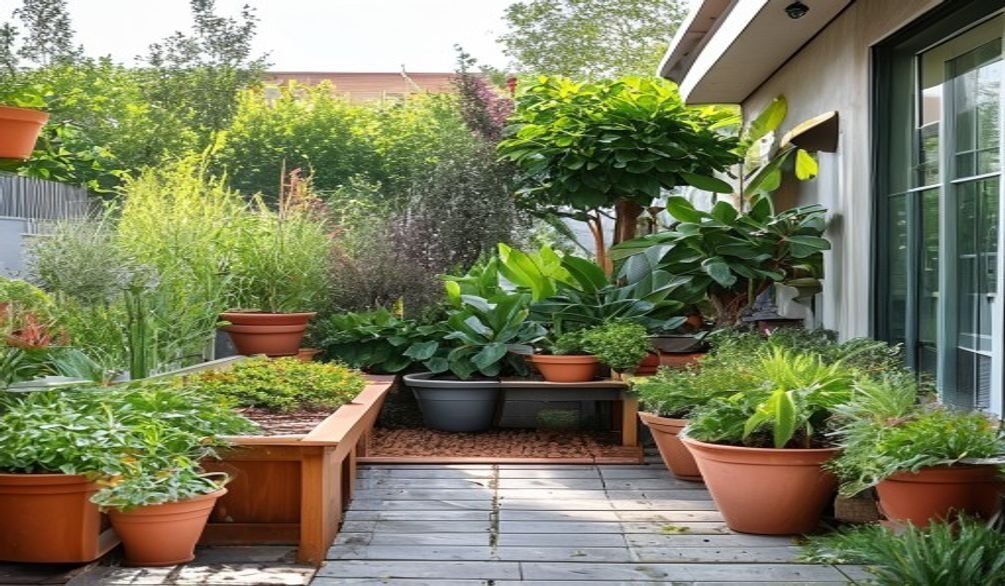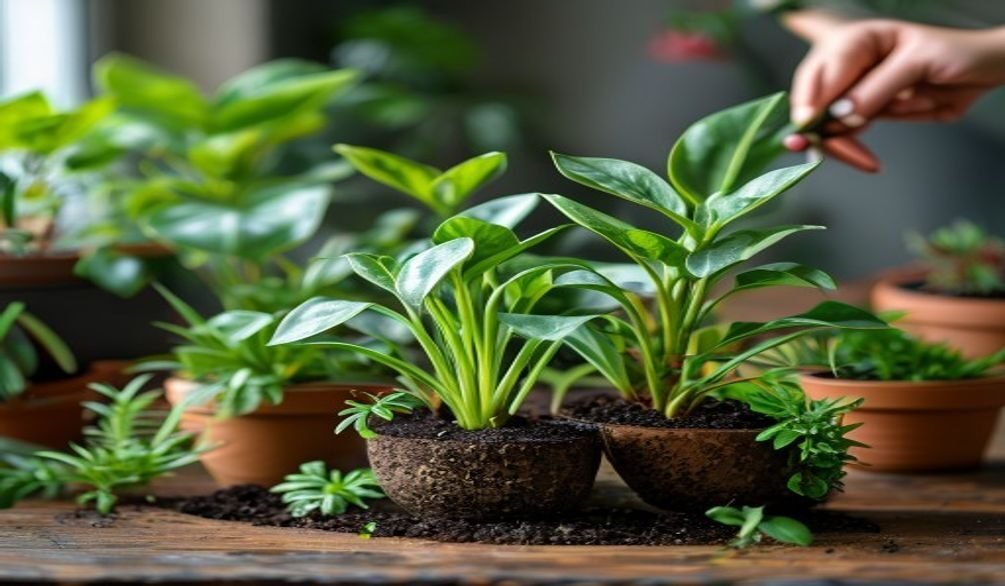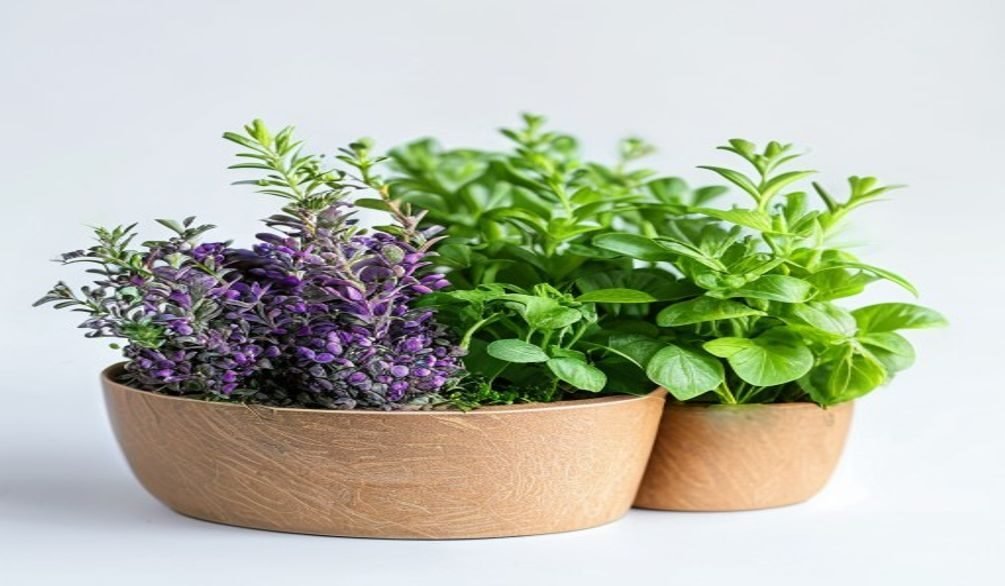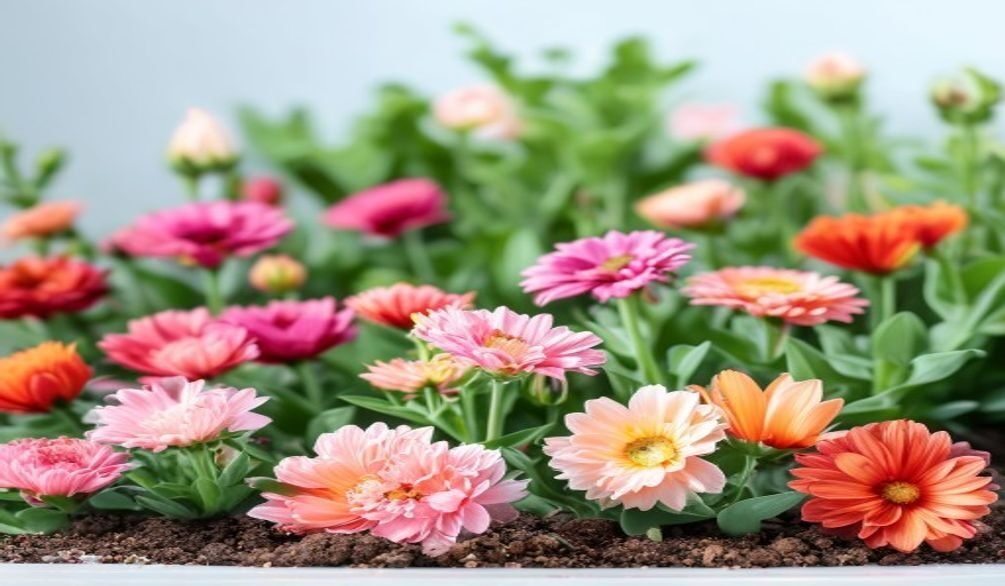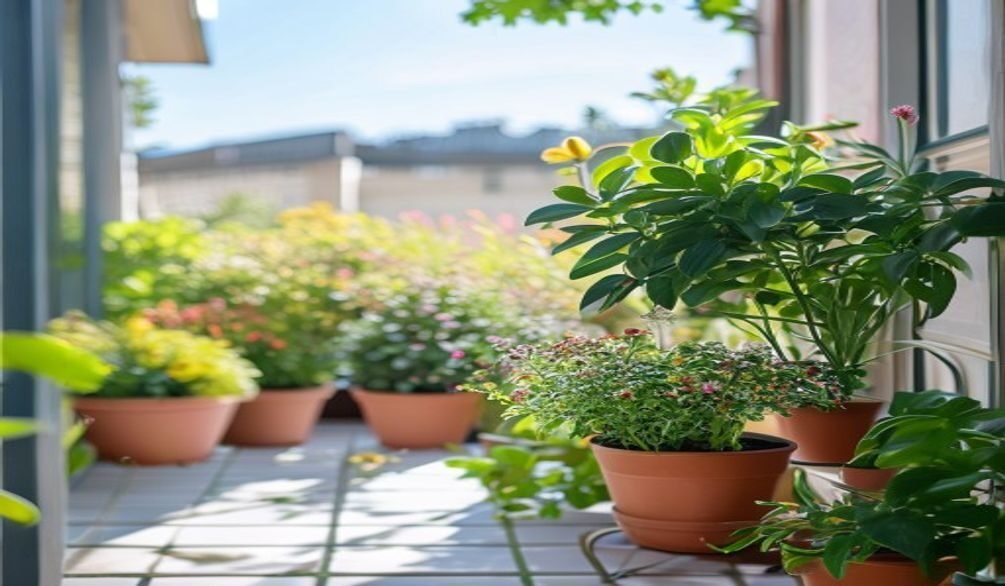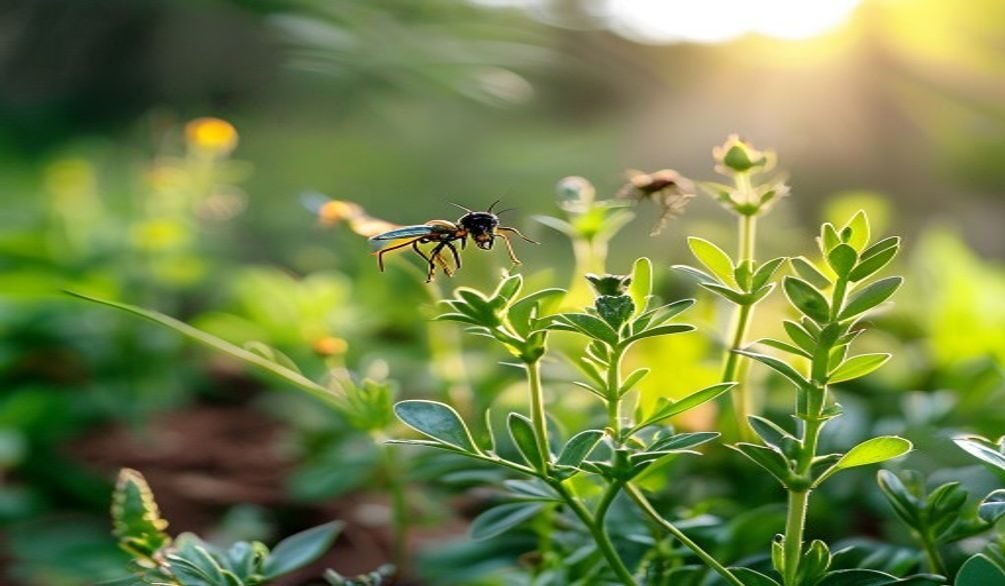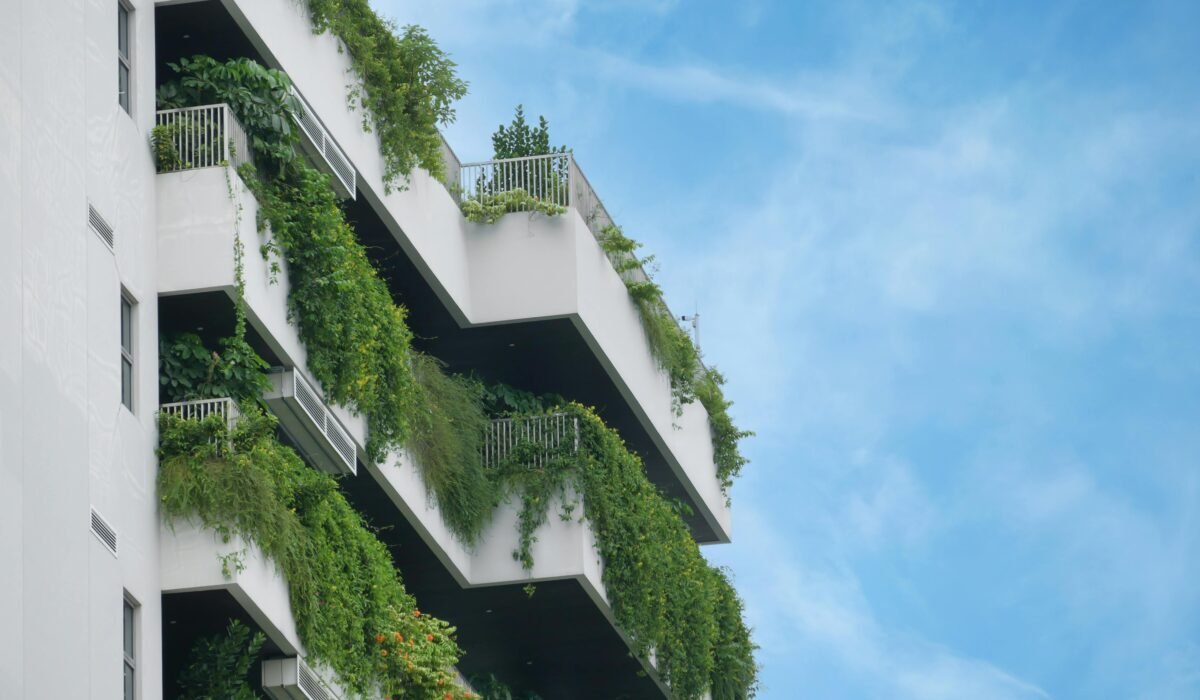
Dreaming of lush greenery and fresh produce but facing the reality of limited square footage in your apartment or tiny yard? You’re not alone. Mastering vertical garden design small urban spaces is the ultimate solution for cultivating a vibrant oasis, even when space is at a premium. This comprehensive guide will transform your compact urban area into a thriving vertical haven, offering actionable design ideas, step-by-step DIY builds, and smart maintenance tips.
What is Vertical Gardening and Why is it Perfect for Urban Spaces?
Vertical gardening, often called a living wall or green wall, is a revolutionary method of growing plants on a vertically suspended panel using hydroponics, aeroponics, or traditional soil. Instead of spreading horizontally, plants grow upwards, maximizing your usable growing area. This technique is particularly perfect for urban environments because it directly addresses the challenge of limited ground space, transforming bare walls, fences, or even balcony railings into productive green zones.
The appeal of vertical gardening extends beyond mere space-saving. It significantly enhances air quality by filtering pollutants and produces fresh herbs, vegetables, and flowers right at your fingertips, contributing to urban farming solutions. What most people miss is the psychological benefit; surrounding yourself with greenery can reduce stress and improve well-being, turning a concrete jungle into a calming retreat. The market for vertical gardens is booming, projected to reach $13.2 billion by 2034, according to market analysis, showcasing its growing importance in sustainable urban development.
Creative Vertical Garden Design Ideas for Small Urban Spaces
When it comes to vertical garden design small urban spaces, creativity is your best friend. Don’t think of it as just a wall of plants; envision it as an artistic statement that also serves a practical purpose. From a small balcony garden to a vibrant kitchen wall, the possibilities are endless.
Modular Panel Systems: Sleek and Scalable
Modular panel systems are popular for their clean lines and scalability. These interlocking units allow you to expand your living wall ideas as your green thumb grows. You can find them in various materials like recycled plastic or metal, offering a modern aesthetic suitable for contemporary urban dwellings.
Pocket Planters: Flexible and Fun
Felt pocket planters are incredibly versatile and easy to install, often hanging from hooks or rails. They’re ideal for a renter’s balcony or a temporary setup, allowing you to rearrange plants or even move the entire garden with ease. Imagine a vibrant array of herbs or succulents spilling out of soft, breathable pockets.
Ladder & Shelf Gardens: Rustic Charm
Repurposed ladders or tiered shelving units offer a charming, rustic look while maximizing vertical space. Each rung or shelf can hold small pots, making it simple to care for individual plants. This is an excellent way to create a multi-level display of flowers, herbs, or even small vegetables.
Balcony Railing Planters: Maximizing Overlooked Space
Don’t forget the railings! Specialized planters designed to hook over balcony railings are perfect for adding greenery without taking up precious floor space. These are fantastic for growing trailing plants, bright flowers, or even a compact balcony vertical garden of strawberries.
DIY Vertical Gardens: Step-by-Step Builds & Budget-Friendly Solutions
Building your own vertical garden can be incredibly rewarding and save you a significant amount of money. These DIY vertical garden ideas are perfect for beginners and seasoned gardeners alike, proving that a stunning green space doesn’t require a huge budget.
Upcycled Pallet Garden: A Rustic & Robust Choice
Wooden pallets, often found for free or cheap, make excellent structural bases for a vertical garden. This project utilizes their natural slats to create planting pockets. The short answer is, it’s a sturdy and aesthetically pleasing option.
Materials & Tools:
- One wooden pallet (heat-treated, not chemically treated)
- Heavy-duty landscape fabric or weed barrier
- Staple gun with staples
- Potting soil
- Plants of your choice
- Sandpaper (optional, for smoothing rough edges)
- Saw (optional, to cut pallet to size)
Steps:
- Prepare the Pallet: If desired, sand any rough edges. Decide which side will be the bottom and which will be the top.
- Create Pockets: Lay the pallet on its side. Starting from what will be the bottom, staple landscape fabric along the inside of each “shelf” or opening, creating deep pockets. Ensure the fabric is securely fastened on three sides (bottom and two sides) and forms a trough.
- Add Soil: Stand the pallet upright. Fill the newly formed fabric pockets with a good quality potting soil.
- Plant: Gently plant your chosen herbs, flowers, or small vegetables into the soil pockets.
- Water & Enjoy: Water thoroughly and find a sunny spot to lean or mount your new garden.
Budget Estimate: $15 – $40 (assuming free pallet, cost for fabric, soil, and plants).
Plastic Bottle Vertical Garden: Eco-Friendly & Economical
This ingenious method repurposes plastic bottles into a cascading garden, ideal for herbs or leafy greens. It’s a fantastic way to contribute to sustainability while growing your own food.
Materials & Tools:
- Several 2-liter plastic bottles (cleaned)
- Strong string or thin wire
- Scissors or utility knife
- Drill with small bit (optional, for drainage and hanging holes)
- Potting soil
- Small plants or seeds
Steps:
- Prepare Bottles: Remove labels. Cut a rectangular opening on one side of each bottle, leaving about 2-3 inches on either end. This will be your planting bed.
- Add Drainage & Hanging Holes: Drill or punch small drainage holes in the bottom of each bottle. Then, drill two small holes near the top of each bottle, on opposite sides, for hanging.
- String Them Up: Thread your string or wire through the top holes of one bottle, then down to the next, and so on, creating a vertical stack. Ensure bottles are staggered slightly to allow for watering.
- Fill & Plant: Fill each bottle with potting soil and plant your chosen herbs or small edibles.
- Hang: Hang your completed vertical garden in a sunny spot.
Budget Estimate: $10 – $30 (assuming free bottles, cost for string, soil, and seeds/plants).
Choosing the Best Plants for Your Urban Vertical Garden
Selecting the right plants is crucial for the success of your urban vertical garden. Consider your microclimate – how much sun, shade, and wind your space receives. What most people miss is that vertical gardens can create their own microclimates, with top plants getting more sun and lower plants potentially more shade.
Edibles for a Productive Wall:
- Herbs: Basil, mint, chives, thyme, oregano, rosemary. These are generally compact and thrive in small spaces. Themed herb garden design ideas can inspire unique vertical displays.
- Leafy Greens: Lettuce, spinach, kale, Swiss chard. They grow quickly and are perfect for frequent harvesting.
- Strawberries: Excellent for trailing over the edges of pockets or containers.
- Cherry Tomatoes/Bush Beans: Look for dwarf or bush varieties that don’t require extensive vining.
Ornamentals for Beauty:
- Succulents: Sedum, Echeveria, Sempervivum. Low-maintenance and drought-tolerant, ideal for sunny, dry spots.
- Ferns: Boston fern, bird’s nest fern. Perfect for shaded or indirectly lit areas, adding lush texture.
- Vining Flowers: Petunias, nasturtiums, sweet alyssum. They spill beautifully and add a cascade of color.
- Grasses: Mondo grass, dwarf fountain grass. Offer texture and movement with minimal fuss.
When selecting plants, always match their light and watering needs to their position in your vertical garden. For example, sun-loving plants like basil belong at the top, while shade-tolerant ferns thrive lower down. This thoughtful placement ensures you’re choosing the best plants for vertical gardens, leading to healthier growth and a more successful display.
Materials and Systems: Building Your Vertical Garden
Understanding the different materials and vertical gardening systems available will help you choose the best fit for your space, budget, and gardening style. Each system has unique advantages for urban gardeners.
Soil-Based Systems:
- Modular Panels: These pre-fabricated panels typically hold individual plant cells or pots. They are often made from recycled plastic or metal and are designed to snap together, making installation straightforward. They offer a clean look and efficient watering.
- Felt Pockets: Made from breathable synthetic felt, these systems hang directly on walls. They are lightweight, flexible, and excellent for moisture retention. However, they may require more frequent watering than other systems.
- Stackable Planters: Individual pots designed to sit on top of each other, creating a tower. These are simple to assemble and ideal for a variety of plants, especially edibles.
Hydroponic Vertical Garden Systems:
Hydroponic systems grow plants without soil, using nutrient-rich water solutions. They are incredibly efficient with water and space, making them a prime choice for urban environments. Hydroponic system maintenance is a bit different from soil, but offers precise control over nutrients.
- NFT (Nutrient Film Technique) Systems: Water flows in a thin film over plant roots, providing nutrients and oxygen. These are often seen in commercial vertical farms.
- Drip Systems: A pump delivers nutrient solution directly to each plant via small drippers, with excess water collected and recirculated.
The choice between soil-based and hydroponic systems often comes down to your comfort level and desired maintenance. Soil systems are generally easier for beginners, while hydroponics offers faster growth and greater resource efficiency, which is why hydroponics holds the largest market share in vertical farming, at 53.5% in 2026, reflecting its effectiveness in controlled urban growing conditions.
Smart Vertical Garden Solutions: Integrating Technology for Easy Care
For the busy urban dweller, integrating smart technology can transform your vertical garden into a low-maintenance, high-yield system. These innovations take the guesswork out of gardening, ensuring your plants thrive with minimal effort from you. It’s about working smarter, not harder, especially in a compact urban living situation.
Automated Watering Systems:
One of the biggest challenges of vertical gardening is consistent watering. Smart irrigation systems use timers, moisture sensors, and even weather data to deliver the precise amount of water your plants need. Systems like Rachio or Orbit B-hyve can be controlled via a smartphone app, allowing you to adjust watering schedules from anywhere. This is a game-changer for maintaining a vibrant living wall without constant manual checks.
These systems often pair well with a DIY drip irrigation system for vegetable garden setups, ensuring efficient water delivery directly to the roots. The short answer is, smart irrigation means no more over or under-watering.
Integrated Sensors for Optimal Growth:
Beyond moisture, smart sensors can monitor light levels, temperature, and even nutrient levels in hydroponic setups. Devices like the Plantower PMS5003 can provide real-time data on air quality, while plant-specific sensors from brands like Parrot Flower Power track soil conditions. This data allows you to make informed adjustments, such as moving plants to a sunnier spot or adding nutrients, ensuring optimal growth conditions for your urban vertical garden.
Automated Lighting for Indoor Gardens:
If your vertical garden is indoors or in a low-light area, automated grow lights are essential. Smart lighting systems can be programmed to mimic natural sunlight cycles, providing the exact spectrum and intensity your plants require. Brands like AeroGarden or Click & Grow offer integrated LED lighting that can be controlled via apps, ensuring your plants receive consistent light exposure, regardless of the season or your schedule. This creates a controlled environment perfect for indoor plant growth.
In practice, these smart vertical garden systems turn gardening into a more accessible hobby for everyone, even those with demanding schedules. They empower you to enjoy the benefits of a green space without the constant commitment, making gardening a joy rather than a chore.
Essential Maintenance & Troubleshooting for Thriving Vertical Gardens
A thriving vertical garden isn’t just about initial setup; it requires consistent care and a keen eye for potential issues. Regular vertical garden maintenance ensures your plants remain healthy and productive, especially in the unique conditions of small urban spaces.
Routine Care Checklist:
- Watering: Vertical gardens often dry out faster than traditional beds. Check moisture levels daily, especially during hot weather. Smart irrigation systems can automate this, but manual checks are still valuable.
- Fertilizing: Plants in containers or hydroponic systems need regular nutrient replenishment. Use a balanced liquid fertilizer every 2-4 weeks, following product instructions. For hydroponic systems, monitor and adjust nutrient solution concentration. A vertical garden fertilization guide can help you tailor nutrient needs.
- Pruning & Deadheading: Regularly trim back leggy growth and remove spent flowers or yellowing leaves. This encourages bushier growth and directs energy to new blooms or fruit.
- Pest & Disease Inspection: Inspect your plants weekly for signs of pests or diseases. Catching issues early is key. Look for discolored leaves, sticky residue, or visible insects. Balcony garden natural pest control methods are often effective for small setups.
Common Problems & Solutions:
- Wilting Leaves: Often a sign of under-watering. Check soil moisture and water thoroughly. It could also indicate over-watering leading to root rot, so feel the soil deeply.
- Yellowing Leaves: Can signal nutrient deficiency (especially nitrogen) or too much water. Adjust fertilizer application or improve drainage.
- Algae Growth (Hydroponic Systems): Caused by light exposure to the nutrient solution. Ensure your reservoir is opaque and clean it regularly to prevent algae from competing with your plants for nutrients.
- Pests (e.g., Aphids, Spider Mites): For small infestations, a strong spray of water can dislodge them. For more persistent issues, use insecticidal soap or neem oil. Learn to treat whiteflies on garden plants, a common vertical garden pest.
Consistency is paramount. A few minutes of attentive care each day can prevent major problems and keep your vertical garden flourishing. Regular observation allows you to understand your plants’ specific needs, making you a more intuitive and successful gardener.
Frequently Asked Questions
What are the benefits of vertical gardening in urban environments?
Vertical gardening offers numerous benefits for urban environments, primarily by maximizing limited space, enhancing aesthetics, and improving air quality. It also allows for localized food production, reduces ambient temperatures, and provides a calming green escape in dense city settings. These advantages make it an ideal solution for small balconies, patios, or walls.
What is vertical gardening?
Vertical gardening is a method of growing plants on a vertically suspended structure rather than horizontally on the ground. This can involve various systems such as modular panels, stacked planters, or felt pockets, utilizing walls or other upright surfaces to cultivate a diverse range of plants. It’s essentially gardening upwards to save space.
What plants are best for vertical gardens in shaded areas?
For shaded vertical gardens, choose plants that thrive in low light conditions. Excellent options include various ferns (like Boston or staghorn ferns), hostas, impatiens, coleus, and many leafy greens such as lettuce, spinach, and kale. Herbs like mint and parsley can also tolerate partial shade, making them good choices for less sunny spots.
How do I prevent pests in vertical gardens?
Preventing pests in vertical gardens involves a combination of good practices: inspect plants regularly for early signs of infestation, ensure proper air circulation to deter fungal issues, and use natural pest deterrents like neem oil or insecticidal soap. Introducing beneficial insects or using companion planting can also help keep common pests like aphids and spider mites at bay. Regularly removing dead leaves also reduces hiding spots for pests.
Embracing vertical garden design small urban spaces is more than a trend; it’s a smart, sustainable way to bring nature into your daily life, no matter how limited your area. By applying creative design ideas, tackling DIY projects with confidence, and leveraging smart technology for easier care, you can cultivate a thriving green sanctuary that reflects your unique style and provides fresh produce or beautiful blooms. Don’t let a lack of ground space deter your gardening dreams. Start designing your vertical oasis today and transform your urban living experience.