Are you struggling to find the best indoor plants for north-facing windows, wondering if anything can truly thrive in such dim conditions? You’re not alone; many plant enthusiasts face the challenge of low light. This comprehensive guide will equip you with expert knowledge and specific plant recommendations to transform your north-facing spaces into vibrant, green havens, ensuring your houseplants flourish even with limited sunlight.
Understanding North-Facing Window Light: Is It Good for Plants?
Many people assume a north-facing window offers insufficient light for indoor plants, but that’s not entirely accurate. While these windows never receive direct sunlight, they provide consistent, soft, and indirect light throughout the day, making them ideal for many shade-loving species.
As horticulturist Dr. J.R. Newman from the University of Maryland Extension notes, “Many common houseplants are actually understory plants in their natural habitats, making them naturally adapted to lower light levels.” This means a north-facing window mimics their native environment quite well, offering a stable light source without the intensity that can scorch delicate leaves.
The Unique Characteristics of North-Facing Light
Light from a north-facing window is often described as “ambient” or “diffused.” It’s consistent, meaning your plants won’t experience drastic fluctuations in light intensity throughout the day, which can be stressful for some species. This consistent, gentle illumination is precisely what many low light indoor plants crave.
However, “low light” doesn’t mean “no light.” Darryl Cheng of Houseplant Journal emphasizes, “Understanding your light is the single most important thing you can do for your plants. A north window provides indirect light, which is perfect for many plants, but remember that ‘low light’ doesn’t mean ‘no light’.” Even plants adapted to dim rooms still require some photons for photosynthesis to occur.
The Best Indoor Plants for North-Facing Windows
Choosing the right plants is crucial for success in these dimmer locations. The key is to select species naturally adapted to shaded environments, often referred to as low light indoor plants or indirect light plants. According to a 2023 report by the American Society for Horticultural Science, proper selection of low-light tolerant species can lead to a 30-50% increase in plant survival rates in suboptimal light conditions compared to unsuitable species.
Here are some of the top contenders that thrive when placed near a north-facing window:
- ZZ Plant (Zamioculcas zamiifolia): This plant is incredibly resilient, tolerating very low light and infrequent watering. It’s often called the “ultimate low-light plant” because it stores water in its rhizomes, making it forgiving for busy plant parents.
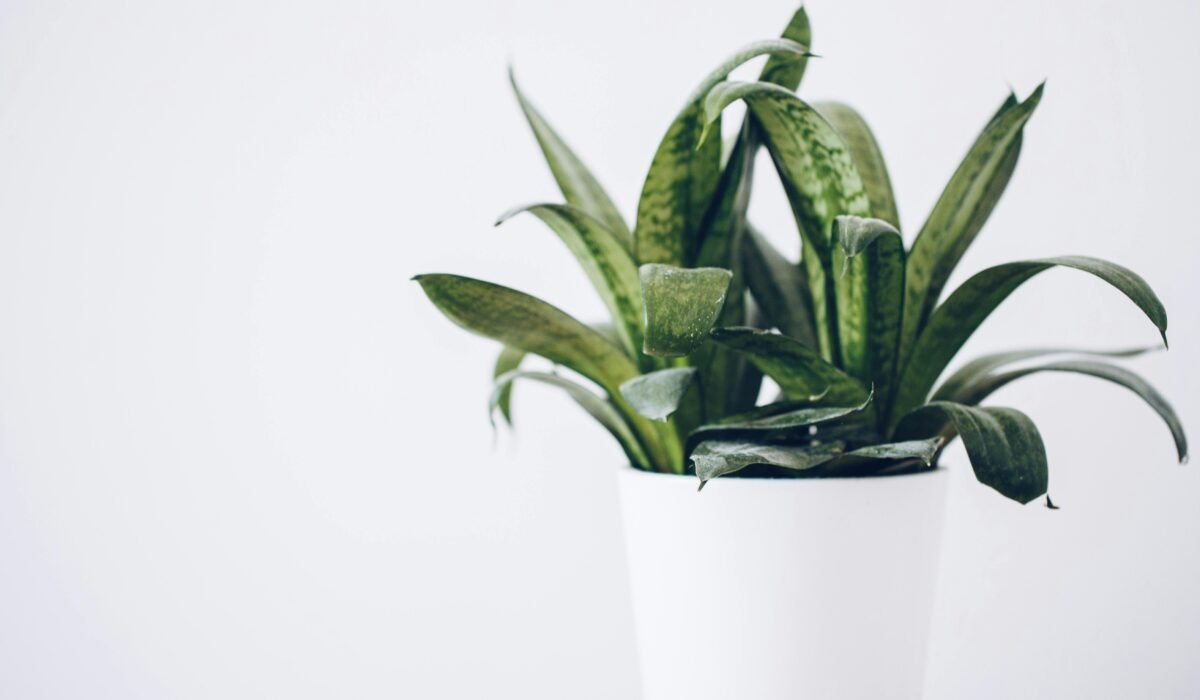
- Snake Plant (Sansevieria trifasciata): Famous for its upright, architectural leaves, the snake plant is nearly indestructible. It handles neglect and dim light with grace, making it an excellent choice for north-facing window plant care.
- Pothos (Epipremnum aureum): A classic vining plant, Pothos is adaptable to a wide range of light conditions, including low light. Its trailing vines can add a lush, jungle feel to any room.
- Peace Lily (Spathiphyllum): Known for its elegant white blooms, the Peace Lily prefers consistent, indirect light. It will even tell you when it needs water by drooping slightly.
- Cast Iron Plant (Aspidistra elatior): True to its name, this plant is incredibly tough, tolerating deep shade, infrequent watering, and temperature fluctuations. It’s truly one of the best houseplants for dim rooms.
- Prayer Plant (Maranta leuconeura): With beautifully patterned leaves that fold up at night, Prayer Plants thrive in the consistent, humid conditions often found near a north-facing window, away from harsh direct sun.
- Spider Plant (Chlorophytum comosum): Easy to care for and prolific in producing “spiderettes,” this plant prefers bright, indirect light but adapts well to lower light levels, though it may produce fewer plantlets.
- Chinese Evergreen (Aglaonema): These plants come in a stunning array of patterns and colors and are well-known for their ability to thrive in low-light conditions, even in darker corners of the room.
- Philodendron (Philodendron hederaceum): Similar to Pothos, the heartleaf philodendron is a popular choice for its ease of care and ability to tolerate low light, producing graceful, trailing vines.
Top Low-Light Plant Cultivars for North-Facing Rooms
While general plant types like Pothos or Snake Plants are known for low-light tolerance, specific cultivars within these species can perform even better or offer unique aesthetics in dim rooms. Choosing the right cultivar can make a significant difference in plant growth in low light.
Here are some specific plant varieties and cultivars that excel as best indoor plants for north windows:
- ZZ Plant ‘Raven’: This striking cultivar features new growth that emerges bright green and gradually matures to a deep, almost black, purple. Its dark foliage is particularly efficient at photosynthesizing in very low light, making it a prime example of a plant thriving in north-facing windows.
- Pothos ‘Jade’: Unlike its more variegated cousins like ‘Marble Queen’ or ‘Golden Pothos’, the ‘Jade Pothos’ has solid green leaves. This lack of variegation means more chlorophyll production, allowing it to perform exceptionally well and maintain robust vining growth even with limited light.
- Snake Plant ‘Black Coral’ or ‘Laurentii’: These robust Snake Plant varieties are frequently highlighted for their ability to withstand severe neglect and low light conditions. The ‘Black Coral’ offers a darker, almost uniform green, while ‘Laurentii’ features striking yellow margins, both thriving for years with minimal intervention in north-facing windows.
- Chinese Evergreen ‘Silver Bay’: This cultivar stands out with its beautiful silvery-green leaves edged with dark green. ‘Silver Bay’ is particularly adaptable to lower light levels and adds a touch of brightness to dark rooms, making it one of the best houseplants for dark rooms.
- Cast Iron Plant ‘Milky Way’: For a twist on the traditional Cast Iron Plant, ‘Milky Way’ features speckled white dots on its dark green leaves, adding visual interest. This cultivar maintains the species’ famed toughness and ability to thrive in extremely low light.
Maximizing Light & Optimizing Conditions in North-Facing Windows
Even with low-light tolerant plants, you can take steps to enhance their environment. Optimizing the conditions around your north-facing window can significantly improve plant health and vigor, ensuring your easy low light plants truly thrive.
Reflecting Natural Light
One effective strategy is to maximize the light that is available. Light-colored walls, especially white or pale tones, will reflect more ambient light back into the room and onto your plants. You can also strategically place mirrors opposite the window to bounce light deeper into the space, providing additional indirect light plants can utilize.
Keeping your windows clean is another simple yet impactful step. Dust and grime can block a surprising amount of light, so a quick wipe-down can make a noticeable difference.
Supplemental Grow Lights for Plants
For truly dark rooms or if you notice your plants becoming leggy, supplemental grow lights can be a game-changer. You don’t need powerful, full-spectrum lights for plants in north-facing windows; a small LED grow light positioned a foot or two above your plants for 4-6 hours a day can mimic additional daylight.
These lights are particularly useful during shorter winter days when natural light is even more scarce. Consider compact, clip-on grow lights that can be easily positioned to give your plants the boost they need, especially for those that are struggling or for low light indoor trees.
For more advanced indoor growing techniques, including light optimization, you might find our guide on Hydroponic Pollination Techniques insightful, as it touches on environmental controls that can be adapted for traditional potted plants too.
Humidity and Air Circulation
North-facing windows, especially in cooler climates, might offer slightly higher humidity due to less direct sun exposure. Many tropical low-light plants appreciate this. If your home is dry, consider grouping plants together to create a microclimate, using a pebble tray, or even a small humidifier to increase humidity for indoor plants.
Good air circulation is also vital to prevent fungal issues, even in low-light environments. Ensure plants aren’t crammed together, allowing air to move freely around their foliage.
Essential Care Tips for Thriving Low-Light Indoor Plants
Proper care is paramount for the health of any houseplant, but it becomes even more critical for those in low-light conditions. Adjusting your routine to suit less intense light will prevent common pitfalls and ensure your plants remain vigorous.
Watering Wisely
One of the most common mistakes for plants in north-facing windows is overwatering. Plants in lower light use less water because photosynthesis is less active, and evaporation is slower. Always allow the top inch or two of soil to dry out completely before watering again. Use your finger to check the soil moisture, rather than sticking to a rigid schedule. Err on the side of underwatering, as root rot is a major killer of low-light plants.
Fertilizing Sparingly
Plants in low light grow slower and therefore require less fertilizer. Too much fertilizer can burn roots and lead to nutrient lockout. Fertilize only during the growing season (spring and summer) and at half the recommended strength, or even less. Many low light indoor plants can go several months without any feeding, especially during winter.
Dusting Leaves for Better Light Absorption
Dust accumulation on leaves can block precious light, reducing the plant’s ability to photosynthesize. Regularly wipe down your plant’s leaves with a soft, damp cloth. This simple act can significantly improve plant growth in low light by ensuring maximum light absorption. It also keeps your plants looking their best!
Rotating and Observing
Even consistent indirect light can have a dominant direction. Rotate your plants every few weeks to encourage even growth and prevent them from leaning excessively towards the light source. Regularly observe your plants for any changes in leaf color, growth patterns, or signs of stress, as these can indicate that adjustments to their environment or care are needed.
Troubleshooting Common Issues for Plants in Dim Light
Despite your best efforts, plants in dim light can sometimes exhibit specific problems. Knowing how to diagnose and address these issues is key to keeping your best indoor plants north window happy and healthy. Many issues stem directly from insufficient light or improper care in such conditions.
Leggy Growth and Pale Leaves
If your plant is stretching excessively, with long stems and sparse leaves, it’s likely suffering from leggy growth. This is a classic sign the plant is desperately reaching for more light. The leaves may also appear smaller and paler than usual, indicating a lack of chlorophyll production due to insufficient light. To fix this, consider moving the plant closer to the north-facing window, adding supplemental grow lights, or pruning back leggy stems to encourage bushier growth.
Stunted Growth and Lack of Flowering
Plants in low light will naturally grow slower than those in brighter conditions. However, if growth is severely stunted or flowering plants refuse to bloom, it’s a strong indicator that light levels are too low. While some low light flowering plants indoor might bloom, most will prioritize foliage production in dimmer settings. Ensure your plant is getting adequate, consistent indirect light, and review its watering and feeding schedule.
Increased Susceptibility to Pests and Disease
Stressed plants are more vulnerable to pests and diseases. Plants struggling in low light may have weakened immune systems, making them easy targets for common houseplant pests like spider mites or mealybugs. Overwatering in low-light conditions can also lead to fungal issues like powdery mildew or root rot. Maintaining optimal conditions and vigilant observation are your best defense. You can learn more about general plant health in our guide on Common Plant Diseases for Beginners.
Drooping or Yellowing Leaves (Not Due to Overwatering)
If your plant’s leaves are drooping or turning yellow, and you’ve ruled out overwatering, it could still be a light issue. Sometimes, the plant is shedding older leaves to conserve energy in dim conditions. Ensure the plant is not too cold, as north-facing windows can be cooler in winter. Consider if the plant needs a slight boost of light or a gentle rotation.
People Also Ask: Your North-Facing Window Plant Questions Answered
What plants thrive in a north-facing window?
Many plants thrive in a north-facing window, as they provide consistent, indirect light that mimics understory conditions. Excellent choices include ZZ Plants, Snake Plants, Pothos, Peace Lilies, and Chinese Evergreens, all of which are well-adapted to low-light environments.
Is a north-facing window good for plants?
Yes, a north-facing window is good for many plants, especially those that prefer indirect light and are sensitive to direct sun. While it doesn’t offer intense light, the consistent, gentle illumination is ideal for shade-loving species, preventing scorching and providing stable conditions for growth.
Can a plant get enough light from a north-facing window?
Absolutely, many plants can get enough light from a north-facing window to survive and thrive. The key is selecting species that naturally tolerate or prefer lower light levels. For plants that show signs of struggle, supplemental grow lights can easily bridge any light gap.
What is the best houseplant for a north-facing window?
The best houseplant for a north-facing window is often considered the ZZ Plant (Zamioculcas zamiifolia) due to its exceptional tolerance for very low light and minimal care requirements. Other top contenders for the best indoor plants north window are Snake Plants and Pothos, known for their resilience.
Embracing the unique qualities of north-facing windows opens up a world of possibilities for indoor gardening. By choosing the right low light indoor plants, optimizing their environment with simple tricks like reflection or supplemental grow lights, and providing tailored care, you can create a lush, thriving indoor oasis. Don’t let dim light deter you; instead, let it guide you to discover the beauty of plants perfectly suited for these gentle spaces. Start transforming your north-facing window today and watch your green companions flourish.