Are you wondering how to grow blueberries for beginners, dreaming of fresh, juicy berries right from your backyard? You’re not alone! Many aspiring gardeners long for that sweet harvest but feel intimidated by the specific needs of these rewarding plants. This complete guide will walk you through every step, transforming you from a novice into a confident blueberry grower with a bountiful harvest.
Why Grow Blueberries? The Rewards of a Bountiful Harvest
Growing your own blueberries offers an incredibly satisfying experience, providing both delicious fruit and a beautiful addition to your landscape. Imagine stepping into your garden and plucking ripe, sweet berries directly from the bush – a taste experience far superior to store-bought options.
Beyond the fresh flavor, blueberries are packed with antioxidants and vitamins, making them a superfood for your health. What most people miss is the sheer abundance these plants can produce; for example, gardening expert Joe Gardener reports his 16 highbush shrubs yield an astounding 190 quarts of fruit, demonstrating the incredible potential for home growers.
The global demand for blueberries has surged, with total production surpassing 2.0 million tons for the first time ever in 2024, according to industry sources like the International Blueberry Organization (IBO). This growth underscores their popularity, and cultivating them yourself ensures a fresh supply while also offering significant cost savings compared to purchasing them at the grocery store.
Choosing the Right Blueberry Varieties for Your Garden
Selecting the best blueberry varieties is a critical first step for beginner success, as different types thrive in specific climates and conditions. Understanding your local hardiness zone is essential here; if you’re unsure, consult our Understanding Plant Hardiness Zones guide.
Here’s a quick rundown of the main types and what they offer:
- Highbush Blueberries: These are the most common commercial varieties, growing 6-12 feet tall. They require a significant chilling period (winter cold) and are well-suited for temperate climates. Popular examples include ‘Bluecrop’ and ‘Duke’.
- Lowbush Blueberries: Native to colder regions, these are smaller plants (6-24 inches) that spread by rhizomes, creating a groundcover. They are incredibly cold-hardy but have smaller fruit.
- Rabbiteye Blueberries: Ideal for warmer southern climates, these varieties are more tolerant of heat and less acidic soils. They grow into large bushes (up to 15 feet) and often require cross-pollination from another rabbiteye variety for optimal fruit set. ‘Climax’ and ‘Premier’ are excellent choices.
- Half-High Blueberries: A hybrid of highbush and lowbush, these offer cold hardiness with a more manageable size (2-4 feet) and larger fruit than lowbush varieties. They are often considered among the best blueberry varieties for home gardens in transitional zones.
The short answer to “What is the easiest blueberry to grow?” often depends on your climate. For many beginners in temperate zones, ‘Bluecrop’ highbush is a reliable choice, while ‘Climax’ or ‘Premier’ rabbiteye suit warmer regions due to their robust nature.
Preparing the Perfect Soil: pH is Key for Growing Blueberries
Blueberries are unique because they absolutely demand acidic soil for blueberries to thrive. This isn’t just a preference; it’s a fundamental requirement because their roots are adapted to absorb nutrients efficiently only within a narrow pH range. The ideal blueberry soil pH is between 4.5 and 5.5, which is significantly more acidic than what most garden plants prefer.
To prepare your soil, start with a soil test. You can purchase an affordable home test kit or send a sample to your local extension office for a more comprehensive analysis. Knowing your current pH is crucial before you make any amendments.
If your soil pH is too high (above 5.5), you’ll need to lower it. Here are effective methods:
- Elemental Sulfur: This is a long-term solution. Sulfur slowly converts to sulfuric acid in the soil, lowering pH. Apply it several months before planting, as it takes time to work.
- Sphagnum Peat Moss: Incorporating liberal amounts of peat moss into your planting hole or bed is an excellent way to immediately lower pH and improve soil structure. It’s naturally acidic.
- Pine Needles or Pine Bark: While they don’t significantly alter pH, these materials, when used as mulch, can help maintain acidity over time and are excellent for improving soil structure.
In practice, many successful beginner growers opt to create raised beds or large containers specifically for blueberries, filling them with a custom acidic mix of peat moss, pine bark, and compost. This makes managing the soil pH much simpler than trying to amend a large garden plot. For more on enriching your garden naturally, check out our Organic Soil Amendments Guide.
Where and When to Plant Your Blueberry Bushes
Once your soil is perfectly prepared, the next step is deciding where and when for planting blueberry bushes. Blueberries are sun-lovers, so choosing the right spot is non-negotiable.
Site Selection:
- Sunlight: Do blueberries need full sun? Absolutely. They require at least 6-8 hours of direct sunlight daily for optimal fruit production. A spot with morning sun is ideal, especially in hotter climates, to help dry dew and reduce disease risk.
- Drainage: While blueberries need consistent moisture, they despise “wet feet.” Ensure your chosen location has excellent drainage. Raised beds are particularly beneficial for this reason.
- Shelter: Protect young plants from strong winds, which can dry out foliage and damage delicate branches.
Timing Your Planting:
What month do you plant blueberries? The best time to plant is typically in the early spring after the last frost, or in the fall a few weeks before the first hard frost. Spring planting allows plants to establish roots before the stress of summer heat, while fall planting gives them a head start for vigorous growth the following spring.
When planting, dig a hole twice as wide as the root ball and just as deep. Gently loosen the roots before placing the bush in the hole, ensuring the top of the root ball is level with the surrounding soil. Backfill with your amended acidic soil, water thoroughly, and add a layer of pine bark or wood chip mulch.
Consider companion plants for blueberries that also enjoy acidic conditions, such as rhododendrons, azaleas, or even some herbs like thyme, which can create an attractive and symbiotic garden bed.
Essential Care for Thriving Blueberry Plants: Watering, Fertilizing & Mulching
Consistent blueberry plant care is key to a healthy, productive bush. This includes attentive watering, appropriate fertilizing, and strategic mulching. Getting these elements right forms the backbone of successful blueberry cultivation, ensuring your plants remain vibrant and yield abundant fruit.
Watering Blueberries: Keeping the Moisture Just Right
Blueberry bushes have shallow root systems, making them susceptible to drought. So, do blueberry bushes need a lot of water? Yes, they need consistent moisture, especially during fruit development. How often should I water my blueberry bush? Aim for 1-2 inches of water per week, either from rainfall or irrigation. This might mean watering 2-3 times a week during dry spells.
The trick is to keep the soil consistently moist, but never waterlogged. Check the soil moisture by sticking your finger about an inch deep; if it feels dry, it’s time to water. Drip irrigation or soaker hoses are excellent for efficient watering blueberry plants, delivering water directly to the root zone and minimizing evaporation.
Fertilizing Your Bushes: Fueling Growth and Fruit
Fertilizing blueberry bushes requires a light touch and the right type of fertilizer due to their specific pH needs. Avoid fertilizers that contain nitrates, as these can be harmful. Instead, opt for acid-forming fertilizers designed for rhododendrons, azaleas, or camellias, or those specifically formulated for blueberries.
Apply fertilizer in early spring as new growth begins, and again after harvest. A common recommendation is ammonium sulfate, cottonseed meal, or blood meal. Follow package directions carefully, as over-fertilizing can damage roots. Remember, healthy soil pH helps nutrient uptake, making fertilizer more effective.
The Power of Mulch: A Game Changer for Blueberries
Mulching is one of the easiest yet most effective aspects of blueberry bush care. A 2-4 inch layer of organic mulch around the base of your plants offers numerous benefits:
- Moisture Retention: Mulch reduces water evaporation, keeping the shallow roots moist.
- Weed Suppression: It smothers competing weeds that steal water and nutrients.
- Temperature Regulation: Mulch insulates the soil, keeping roots cool in summer and warm in winter.
- Acidity Maintenance: Organic mulches like pine bark, pine needles, or oak leaves break down slowly, contributing to the acidic soil blueberries prefer.
Keep mulch a few inches away from the main stem to prevent rot and pest issues. This simple practice will dramatically improve the health and productivity of your plants.
Pruning Blueberries for Health and Production
Pruning blueberry plants is not about making them look tidy; it’s about stimulating new growth, improving air circulation, and ensuring consistent, high-quality fruit production. For beginners, the idea of cutting back a plant can be daunting, but it’s a vital step in long-term success. Think of it as investing in future harvests.
The best time for pruning blueberry bushes for beginners is in late winter or early spring when the plant is dormant, before new growth begins. This allows you to clearly see the plant’s structure without leaves obscuring your view.
Here’s how to approach it:
- Year 1-3 (Establishment): Focus on removing only weak, crossing, or damaged branches. You want to encourage strong, upright growth. Pinch off any flowers that appear in the first year or two to direct the plant’s energy into root and bush development, not fruit production.
- Year 4 and Beyond (Maintenance & Production): Now, you’ll start more significant pruning. The goal is to remove about 20-30% of the oldest, least productive canes each year. These older canes are typically thicker, darker, and have fewer fruiting spurs.
- Identify Productive Canes: Blueberry fruit is produced on one-year-old wood. Look for bright, reddish-brown canes.
- Remove Weak/Dead Wood: Cut out any dead, diseased, or spindly branches at the base.
- Thin Out Overcrowding: Remove any branches that are crossing or rubbing, or any that are growing too low to the ground. This improves air circulation and sunlight penetration.
- Renovation Pruning: For older, less productive bushes, a more aggressive renovation prune can be beneficial. This involves cutting back almost all old canes to the ground over one or two seasons, forcing the plant to produce vigorous new growth. This technique, while seemingly drastic, can rejuvenate a tired bush and restore its productivity.
Always use sharp, clean pruning shears to make clean cuts, which helps prevent disease. What’s often overlooked is that pruning stimulates the plant to put energy into developing larger, healthier fruit on the remaining branches, rather than many small, underdeveloped berries on overcrowded wood.
Troubleshooting Common Blueberry Problems
Even with the best intentions, beginners might encounter a few hiccups when growing blueberries. Understanding common issues and how to address them quickly can save your harvest. The most frequent problems usually stem from environmental factors rather than complex diseases.
One of the most common issues beginners face is blueberry plant problems yellow leaves, especially with green veins. This is almost always a classic sign of iron chlorosis, which occurs when the soil pH is too high (above 5.5). Even if iron is present in the soil, the plant cannot absorb it effectively in alkaline conditions. The solution? Re-test your soil pH and apply an acidifier like elemental sulfur or chelated iron specifically formulated for acidic plants. Ensure your watering practices are also correct, as waterlogged soil can also cause nutrient lockout.
Other issues include:
- Lack of Fruit Set: If your bushes flower but don’t produce fruit, it could be due to insufficient pollination (especially for rabbiteye varieties that benefit from cross-pollination) or late spring frosts damaging early blooms. Ensure you have two different varieties of the same type (e.g., two rabbiteyes) to improve pollination.
- Pests: Birds are perhaps the most notorious blueberry pest, often devouring entire harvests. Netting your bushes as berries begin to ripen is the most effective deterrent. Other pests like Japanese beetles or fruitworms can be managed with organic pest control methods or by hand-picking.
- Diseases: While generally robust, blueberries can occasionally suffer from fungal diseases like mummy berry or botrytis blight, especially in wet conditions. Good air circulation through proper pruning, and prompt removal of affected plant parts, are your best defenses. For more on natural solutions, consult our guide on Organic Solutions for Plant Diseases.
The key to effective troubleshooting is observation. Regularly inspect your plants for any changes in leaf color, growth patterns, or signs of pests. Early detection often leads to simpler, more effective solutions.
Harvesting Your Delicious Blueberries
After all your hard work and diligent how to grow blueberries for beginners efforts, the moment you’ve been waiting for arrives: blueberry harvest time! This is arguably the most rewarding part of the entire process, as you finally get to enjoy the literal fruits of your labor.
How long does it take for a blueberry bush to produce fruit? Most blueberry bushes will start producing a small amount of fruit in their second or third year, with significant harvests typically beginning in their fourth or fifth year. Patience is a virtue in blueberry growing, but the wait is well worth it.
Knowing when to pick your blueberries is crucial for optimal flavor. Unlike some fruits, blueberries don’t continue to ripen much after being picked. Look for these signs:
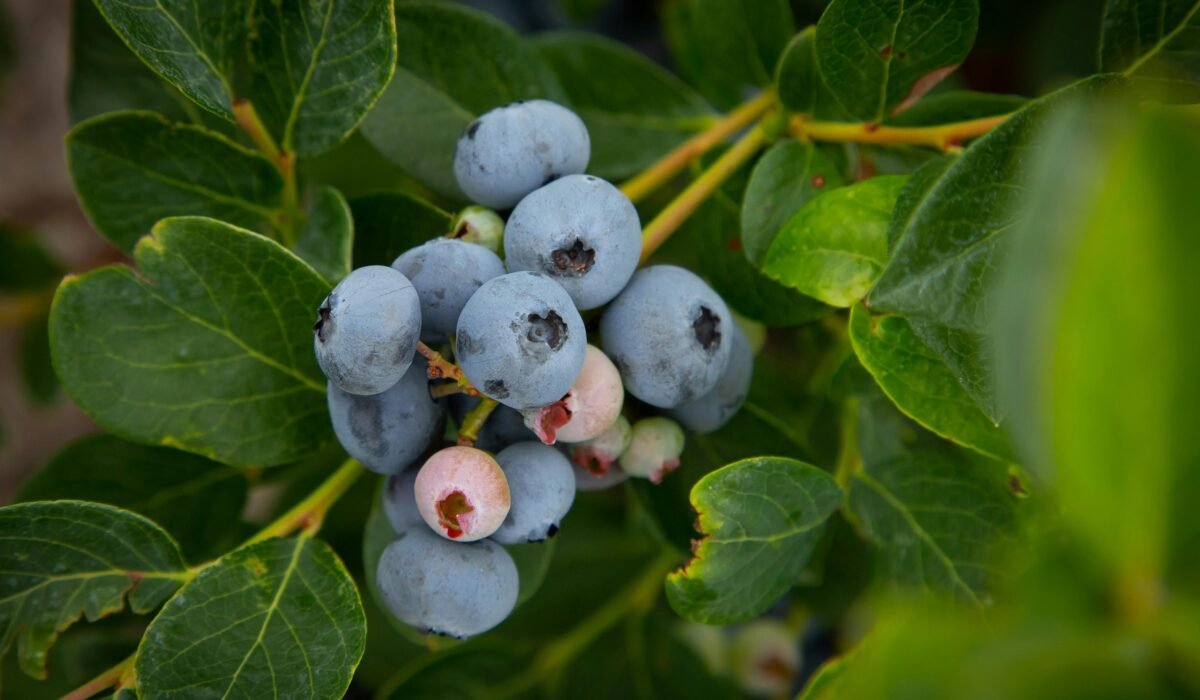
- Color: The berries should be entirely blue, with no reddish tinge remaining. A powdery, whitish bloom (called “bloom”) on the surface is normal and indicates freshness.
- Ease of Picking: A ripe blueberry will detach easily from the stem with a gentle roll between your fingers. If you have to tug, it’s not quite ready.
- Taste: The ultimate test! Taste a few berries from different parts of the bush to gauge ripeness.
Blueberries typically ripen over several weeks, so you’ll be harvesting multiple times. Pick every few days to ensure you catch them at their peak. Store fresh blueberries in the refrigerator, where they’ll last for about a week. For longer storage, blueberries freeze beautifully; simply wash, dry thoroughly, and spread them in a single layer on a baking sheet before transferring to freezer bags once frozen solid.
One genuine insight: there’s nothing quite like the warmth of a sun-ripened blueberry picked straight from the bush. It’s a taste that will make all the effort worthwhile and keep you coming back to your garden year after year.
Frequently Asked Questions
How long does it take for a blueberry bush to produce fruit?
Blueberry bushes typically begin producing a small harvest in their second or third year after planting. For a substantial yield, you should expect to wait until the fourth or fifth year, as the plants need time to establish a strong root system and mature canes.
Do blueberries need full sun?
Yes, blueberries absolutely need full sun to thrive and produce abundant fruit. They require a minimum of 6-8 hours of direct sunlight per day. Insufficient sunlight will lead to sparse fruiting and weaker plant growth.
What is the best soil for blueberries?
The best soil for blueberries is acidic, well-draining, and rich in organic matter, with an ideal pH range between 4.5 and 5.5. They specifically require acidic conditions to absorb essential nutrients like iron effectively, which is why soil testing and amendments like sphagnum peat moss or elemental sulfur are crucial.
How often should I water my blueberry bush?
You should water your blueberry bush regularly to keep the soil consistently moist, aiming for 1-2 inches of water per week through rainfall or irrigation. Due to their shallow root systems, they are prone to drying out, especially during dry spells and fruit development, so check the soil moisture frequently.
Embarking on the journey of growing blueberries can be incredibly rewarding, offering a delicious and healthy harvest for years to come. By focusing on the right variety, perfecting your soil pH, and providing consistent care, you’re well on your way to a thriving blueberry patch. Don’t hesitate to get started; your future self will thank you with every sweet, juicy berry. Grab your gardening gloves and begin your blueberry adventure today!