Are you confused about which plants will thrive in your garden, especially with all the talk about changing weather patterns? Successfully understanding plant hardiness zones is the crucial first step for any gardener, ensuring your chosen flora can withstand local winter temperatures and flourish year after year. This guide will walk you through the updated 2023 USDA Plant Hardiness Zone Map, help you pinpoint your specific zone, and equip you with climate-smart strategies for a truly resilient garden.
What Are Plant Hardiness Zones and Why Do They Matter?
Plant hardiness zones are geographical regions defined by their average annual extreme minimum winter temperature, a critical factor for determining which perennial plants can survive the coldest parts of the year in a given location. Essentially, they are a standardized tool to help gardeners and growers understand the winter resilience of plants.
These zones are vital because they prevent the disappointment and wasted effort of planting something beautiful only to have it perish in the first hard frost. When you purchase a plant, its hardiness zone rating tells you the coldest zone it can typically tolerate.
For example, a plant rated for Zone 5 means it can survive winters where temperatures drop to -20°F (-29°C). If your garden is in Zone 6, that Zone 5 plant will likely thrive, but if you’re in Zone 4, it probably won’t make it through the winter without significant protection. Matching your plants to your zone is foundational for gardening success.
Decoding the New 2023 USDA Plant Hardiness Zone Map
The USDA Plant Hardiness Zone Map received its most significant update in a decade in November 2023, reflecting decades of temperature data. This new map is based on 30-year averages of the lowest annual winter temperatures from 1991 to 2020, offering a more accurate and current picture of winter conditions across the United States. What most people miss is that this update isn’t just a minor tweak; it represents a tangible shift.
Roughly half of the country shifted to a warmer half-zone compared to the previous 2012 map. This change means that many gardeners might find their local area is now classified as a slightly warmer zone, impacting their plant selection for zones. For instance, if you were previously in 6a, you might now be in 6b, indicating slightly milder average annual extreme minimum winter temperatures.
The 2023 USDA map update is a crucial resource for any gardener planning their landscape. It acknowledges the warming trends observed across many regions, providing updated guidelines for plant selection. Understanding plant hardiness zones in light of this update is key to making informed decisions.
What is the USDA Plant Hardiness Zone Map?
The USDA Plant Hardiness Zone Map is the standard by which gardeners and growers can determine which plants are most likely to thrive at a location. It divides the United States and its territories into 13 zones, each representing a 10°F difference in the average annual extreme minimum winter temperature. Each zone is further divided into ‘a’ and ‘b’ subzones, representing a 5°F difference.
For example, Zone 6 ranges from -10°F to 0°F, with 6a being -10°F to -5°F and 6b being -5°F to 0°F. This detailed breakdown allows for more precise plant selection, ensuring your plants can endure the coldest periods without winter protection methods.
How to Find Your Specific Plant Hardiness Zone by Zip Code
Finding your specific plant hardiness zone is straightforward, thanks to the interactive nature of the USDA’s official website. The easiest and most accurate method is to use their online tool. This tool allows you to search for your gardening zones by zip code, providing instant results.
Here’s how to do it:
- Visit the official USDA Plant Hardiness Zone Map website.
- Locate the search bar, typically prominent on the homepage.
- Enter your zip code into the search field.
- Click “Find Your Zone,” and the map will highlight your area, displaying your specific hardiness zone (e.g., 7a, 5b).
This method provides the most up-to-date information, reflecting the 2023 USDA map update. Knowing your precise zone is fundamental for successful plant selection and for developing climate-smart gardening strategies.
Beyond the Map: Understanding Microclimates and Zone Limitations
While the USDA Plant Hardiness Zone Map is an invaluable tool, it’s essential to understand its limitations. The map provides broad regional averages, but your garden’s specific conditions can vary significantly due to what are known as microclimates. A microclimate is a localized set of atmospheric conditions that differ from those in the surrounding area, often influenced by topography, water bodies, or urban structures.
For instance, a south-facing wall can create a warmer microclimate, allowing you to grow plants typically suited for a slightly warmer zone. Conversely, a low-lying area where cold air settles can be colder than the general zone, sometimes effectively being a half-zone colder. Recognizing these variations within your own yard is a key aspect of advanced microclimate gardening tips.
Other limitations include the map’s focus solely on winter cold tolerance, ignoring factors like summer heat, rainfall, soil type, and humidity. These elements are equally crucial for a plant’s overall health and survival. Therefore, while the map is a guide, it’s not the sole determinant of gardening success; keen observation of your specific garden environment remains paramount.
Adapting Your Garden: Strategies for Resilient Planting in New Zones
With the 2023 USDA map update showing many areas shifting to warmer zones, gardeners face the exciting challenge of adapting their practices. This isn’t just about buying new plants; it’s about making your existing garden more resilient and future-proof. Here’s how to embrace climate resilient gardening:
Re-evaluating Existing Plantings
If your zone has shifted, assess your current landscape. Established plants that were borderline hardy might now flourish more consistently, or conversely, some plants might now experience more heat stress in summer. Consider protecting delicate plants with organic mulch for winter plant protection, even if your zone has warmed, as unexpected cold snaps can still occur.
Smart Plant Selection for Zones
When selecting new plants, prioritize species that are either well within your new zone or slightly hardier. This provides a buffer against unusual cold spells. Also, look for varieties known for their adaptability to a broader range of conditions. For example, if you’re now in Zone 7, you might explore new fruit trees like certain peach or plum varieties that thrive there. Learning how to grow peaches, plums, and cherries effectively in your updated zone can be a rewarding endeavor.
Leveraging Container Gardening
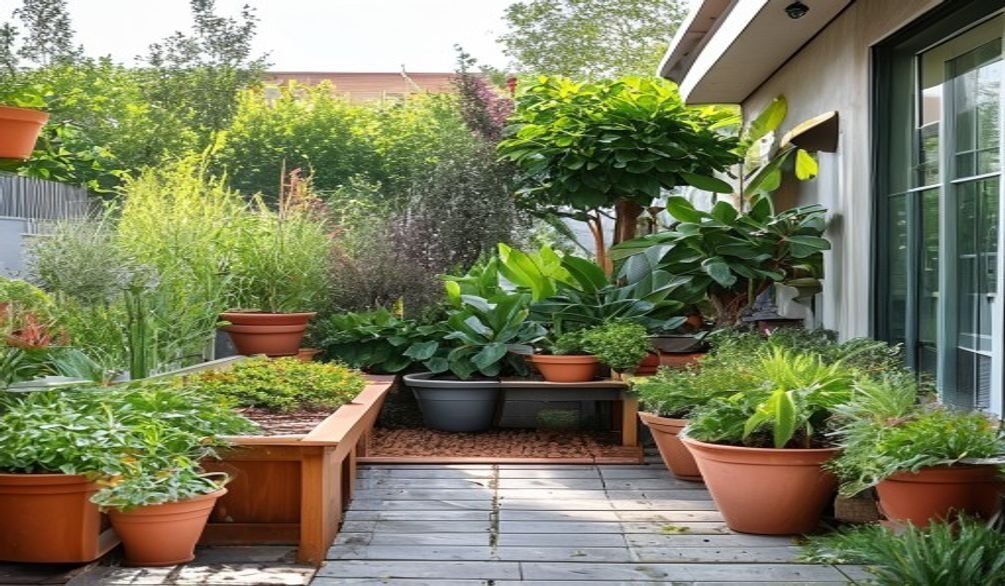
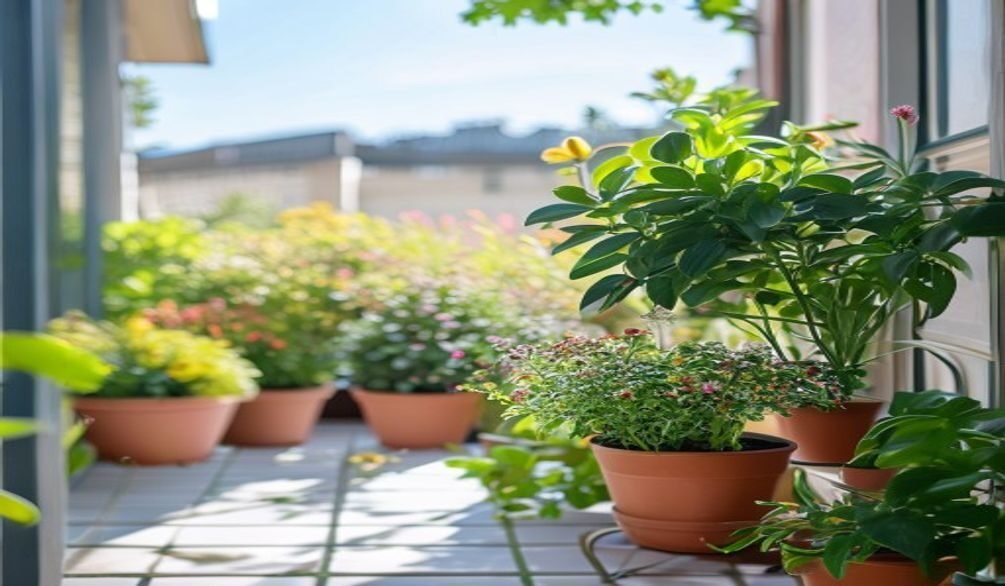
Container gardening offers incredible flexibility, especially if you’re experimenting with plants that are borderline hardy for your zone. You can easily move potted plants to sheltered locations or indoors during extreme weather. This is an excellent zone pushing technique and a core climate-smart gardening strategy for urban gardeners or those with limited space. For more ideas, check out our guide on container vegetable gardening for small spaces.
In practice, adapting means staying informed, observing your garden closely, and making gradual, thoughtful changes. Don’t rush to remove healthy plants; instead, consider how you can support their continued success in evolving conditions.
Thriving with Heat: Integrating USDA Zones with the AHS Heat Zone Map
While the USDA Plant Hardiness Zone Map focuses on winter cold, successful gardening also requires considering summer heat. This is where the American Horticultural Society (AHS) Heat Zone Map becomes invaluable. It complements the USDA map by defining regions based on the average number of “heat days” per year — days when the temperature reaches or exceeds 86°F (30°C).
Integrating both maps gives you a more holistic picture of a plant’s climatic needs. For example, a plant might be perfectly hardy in USDA Zone 7 (meaning it can tolerate the winter cold), but if it’s also rated for AHS Heat Zone 3, it might struggle in a region that experiences many more heat days, even if it’s also in USDA Zone 7.
To truly achieve climate-smart gardening strategies, you need to consider both ends of the temperature spectrum. Look for plants with both a suitable USDA Hardiness Zone and an AHS Heat Zone range that aligns with your location. This dual approach helps you select plants that are resilient to both your coldest winters and your hottest summers, leading to a much healthier and more sustainable garden. You can find more information on the AHS Heat Zone Map on the AHS website.
Pushing Your Zone: Advanced Techniques for Winter Protection
Sometimes, you might fall in love with a plant that’s rated for a zone slightly warmer than yours. This is where zone pushing techniques come into play, allowing you to cultivate “borderline” plants with a little extra care. It’s an art form, really, and it hinges on understanding and mitigating environmental stresses.
Here are some effective winter protection methods:
- Strategic Planting: Utilize your garden’s microclimates. Plant tender species on the south side of your home or near a heat-retaining wall, which can offer several degrees of temperature advantage.
- Mulching: A thick layer (4-6 inches) of organic mulch like straw, leaves, or wood chips around the base of plants insulates the soil and protects roots from freezing and thawing cycles. This is particularly effective for shallow-rooted perennials and shrubs.
- Cloches and Row Covers: For smaller plants, individual cloches (bell-shaped covers) or horticultural fleece row covers can create mini-greenhouses, trapping warmth and protecting against harsh winds and frost.
- Temporary Structures: Construct simple frames covered with plastic sheeting or burlap over larger, more vulnerable plants. This provides significant protection from extreme cold and desiccation.
- Container Gardening: As mentioned, planting in containers allows you to move sensitive plants indoors or into a sheltered area like a garage or unheated shed during the coldest months.
The goal of these zone pushing techniques is to raise the effective temperature around the plant, even if only by a few degrees. Careful observation and timely intervention are key to successfully growing plants outside their typical hardiness range.
Frequently Asked Questions About Plant Hardiness Zones
What is the new hardiness zone map for 2024?
The latest official update to the USDA Plant Hardiness Zone Map was released in November 2023, based on temperature data from 1991 to 2020. While released in 2023, this is the current and most up-to-date map being used for 2024 and beyond. It reflects warmer average minimum winter temperatures across roughly half of the United States.
How often does the USDA update hardiness zones?
The USDA Plant Hardiness Zone Map is updated periodically, typically every 10-15 years, to incorporate new climate data and refine the mapping technology. The most recent update was in 2023, following previous versions in 2012 and 1990. These updates ensure the map remains a relevant and accurate guide for gardeners.
What zone is 7a and 7b?
Zone 7 is a hardiness zone where the average annual extreme minimum winter temperature ranges from 0°F to 10°F. Zone 7a specifically covers areas with average minimums between 0°F and 5°F, while Zone 7b covers areas with average minimums between 5°F and 10°F. This distinction helps gardeners select plants with more precise cold tolerance.
What is the coldest plant hardiness zone?
The coldest plant hardiness zone currently defined by the USDA is Zone 1, which represents areas with average annual extreme minimum winter temperatures ranging from -60°F to -50°F. These extremely cold conditions limit perennial plant growth to only the most cold-hardy species. Most of the continental U.S. falls into warmer zones, with Zone 1 primarily found in parts of Alaska.
Understanding plant hardiness zones is the cornerstone of a successful and sustainable garden. By leveraging the updated 2023 USDA map, identifying your specific zone by zip code, and incorporating climate-smart gardening strategies, you can select plants that are truly suited to your environment. Embrace the knowledge of microclimates and zone pushing techniques to cultivate a resilient garden that thrives through every season. Start exploring your zone today and transform your gardening approach for long-term success!