Are you looking to boost your garden’s output and make the most of every square inch? Implementing effective trellising vegetables for bigger yields is a game-changer for home gardeners, transforming sprawling plants into productive vertical powerhouses. This comprehensive guide will show you how strategic garden support systems can lead to healthier plants, easier harvests, and significantly more produce from your garden beds.
Why Trellis Your Vegetables for Bigger Yields?
Many gardeners overlook the incredible potential of vertical gardening techniques, allowing vining plants to sprawl across valuable ground space. Trellising helps plants grow upwards, providing essential support and transforming your garden’s productivity.
The short answer to “Why trellis?” is simple: it maximizes your harvest and improves plant health significantly. University extension services widely endorse trellising, noting its ability to protect plants from damage, enhance pest management, and reduce weeding efforts. This strategy directly contributes to crop yield improvement, making your garden work smarter, not harder.
What Are the Core Benefits of Trellising Garden Plants?
Beyond simply supporting vines, trellising offers a multitude of advantages that impact every aspect of your garden. These garden support systems are crucial for anyone serious about increasing garden productivity.
Increased Yields and Quality
One of the most compelling reasons to trellis is the dramatic increase in harvestable produce. Research consistently shows that trellised plants often yield significantly more than their ground-grown counterparts. For instance, a 2024 study in *Frontiers in Horticulture* found that trellised sweet acorn squash produced 56% higher yields, with fruits averaging 22% larger. Similarly, cucumbers can see a 50% yield improvement, and pole beans, when trellised, yield two to three times more than bush beans in the same area, according to Cornell University research. This focus on vertical growth truly helps in trellising vegetables for bigger yields.
Better Air Circulation and Disease Prevention
Keeping plants off the ground dramatically improves airflow around foliage, which is vital for preventing common plant diseases. “Keeping the vines off the ground reduces exposure to soilborne pathogens, which will keep the foliage healthier. Airflow is better around trellised plants, which keeps the canopy drier and less vulnerable to fungal diseases,” explains Andrew Mefferd, Editor & Publisher of *Growing for Market*. This means less powdery mildew, blight, and other issues, leading to healthier plants and fewer disease problems.
Space Saving and Easier Harvesting
For gardeners with limited space, vertical gardening small spaces is a game-changer. Trellising allows you to grow more food in the same footprint by utilizing vertical dimensions. Nicole Burke of Gardenary emphasizes this, stating, “Vertical gardening is one of the most effective ways to grow more food in the same amount of space.” Additionally, harvesting becomes much easier when fruits are at eye level and not hidden under a tangle of leaves on the ground. No more bending over or searching through dense foliage!
Improved Pest Management and Aesthetics
When plants are lifted, pests are easier to spot and manage. You can more effectively apply organic pest control methods and reduce slug and snail damage, which often targets ground-level fruits. Trellised plants also contribute to a tidier, more organized vegetable garden design, enhancing the overall beauty of your outdoor space. It’s a win-win for both function and form.
Which Vegetables Benefit Most from Trellising (and Why)?
While many plants can benefit from some form of support, certain vegetables are particularly well-suited for trellising due to their growth habits and fruit weight. Understanding these plants is key to successful vining plant support.
Here’s a list of top candidates for trellising:
- Tomatoes: Indeterminate varieties especially thrive on trellises, continuing to grow and produce fruit all season. Even determinate types benefit from support to keep heavy fruit off the ground.
- Cucumbers: These classic vining plants readily climb with tendrils, producing straighter, cleaner fruits when trellised.
- Pole Beans: Unlike bush beans, pole beans are vigorous climbers and will produce significantly more over a longer period when given vertical support.
- Peas: Both shelling and snap peas love to climb, and trellising makes harvesting easy and keeps pods clean.
- Squash and Melons: While many squashes are heavy, smaller varieties like delicata, sweet acorn, and even small pumpkins can be trellised. For heavier fruits, consider adding slings made from old pantyhose or fabric scraps to prevent them from breaking the vine as they grow.
- Peppers and Eggplants: While not true vining plants, taller varieties of peppers and eggplants can become top-heavy when laden with fruit. Staking or using a small cage can prevent breakage and ensure better air circulation.
- Sweet Potatoes: Though grown for their roots, trellising sweet potato vines can help manage their rampant growth, keeping them contained and preventing them from shading out other plants. This is an example of smart garden design.
Popular Trellising Methods: A DIY Guide for Every Garden
There’s a trellis solution for every garden size, budget, and aesthetic preference. From simple stakes to elaborate cattle panel arches, vertical gardening techniques can be adapted to your needs. Many of these are excellent DIY vegetable trellis ideas.
Stakes and Cages
The simplest forms of support, stakes are ideal for single plants like peppers, eggplants, or determinate tomatoes. Cages, often made from wire, encircle the plant and provide all-around support. For determinate tomatoes, a sturdy tomato cage works well, but for indeterminate varieties, you’ll often need something more robust.
String Trellising and the Florida Weave
For rows of vining plants, string trellising is highly effective. The Florida Weave, a technique recommended by Hoss Tools, involves weaving twine between stakes or T-posts down a row of tomatoes. This method provides excellent support for indeterminate tomatoes and is a budget-friendly option for larger plantings. It’s a great example of how to trellis efficiently.
Netting and Mesh
Plastic or metal netting, often strung between posts, provides a climbing surface for peas, cucumbers, and pole beans. Ensure the mesh size is appropriate for the plant’s tendrils or stems. This is a versatile option for various vining crops and offers good vining plant support.
A-Frames and Ladders
These structures are self-supporting and can be moved seasonally. An A-frame trellis provides two climbing surfaces and is perfect for cucumbers or pole beans. You can build these from wood, bamboo, or even sturdy branches. The Panacea A-Frame Trellis, for example, is a popular choice for its sturdiness and value, highly rated by Amazon shoppers for cucumbers and vining tomatoes.
Cattle Panel Arches and Walls
For heavy crops like watermelon, pumpkins, or even ambitious indeterminate tomatoes, cattle panel arches are incredibly strong and versatile. These sturdy galvanized metal panels can be bent into arches or stood upright as walls, secured with T-posts and zip ties. Many gardeners use this method for large-scale trellising, often adding mesh bags for extra fruit support on heavy melons. This is one of the best DIY trellis plans for durability.
Choosing Trellis Materials: Cost, Durability, and Sustainability
Selecting the right materials for your garden support systems involves balancing initial cost, how long they’ll last, and their environmental impact. This is where a trellis materials comparison becomes essential for homemade garden trellises on a budget.
- Wood (Bamboo, Lumber, Branches):
- Cost: Can range from free (salvaged branches) to moderately expensive (treated lumber). Bamboo is generally affordable.
- Durability: Varies greatly. Untreated wood may last only a season or two before rotting. Treated wood or naturally rot-resistant species like cedar can last several years. Bamboo is lightweight but can splinter or break over time.
- Sustainability: Highly sustainable if sourced locally and untreated.
- Metal (Galvanized Wire, Rebar, Cattle Panels, T-Posts):
- Cost: Moderate to high initial investment, but often pays off in longevity.
- Durability: Excellent. Galvanized metal resists rust and can last for decades. Cattle panels and T-posts are extremely sturdy, making them suitable for heavy vegetables. This ensures long-term trellis materials durability.
- Sustainability: High energy input for production, but very long lifespan reduces replacement frequency.
- Plastic (Netting, PVC Pipe):
- Cost: Generally inexpensive.
- Durability: Plastic netting can degrade in UV light over a few seasons. PVC pipe is durable but can become brittle in extreme cold or sun.
- Sustainability: Made from petroleum; consider recycled options if available. Less durable options mean more frequent replacement.
- Twine and String (Natural Fibers, Synthetic):
- Cost: Very low.
- Durability: Natural fibers (jute, cotton) decompose quickly, often requiring annual replacement. Synthetic twine (polypropylene) is more durable but still often replaced yearly due to wear.
- Sustainability: Natural fibers are biodegradable. Synthetic is not, but can be reused if strong enough.
When planning, consider the weight of the mature plants and fruits. For heavy crops, invest in sturdy materials like metal or thick wood. For lighter climbers like peas, twine or thin netting might suffice. What most people miss is that investing a little more upfront in quality materials can save significant time and money in the long run.
Trellising Specific Crops: Tomatoes, Cucumbers, Peppers & More
Each plant has unique trellising needs. Understanding these nuances is crucial for maximizing your yield and plant health when trellising vegetables for bigger yields.
Tomatoes: Indeterminate vs. Determinate
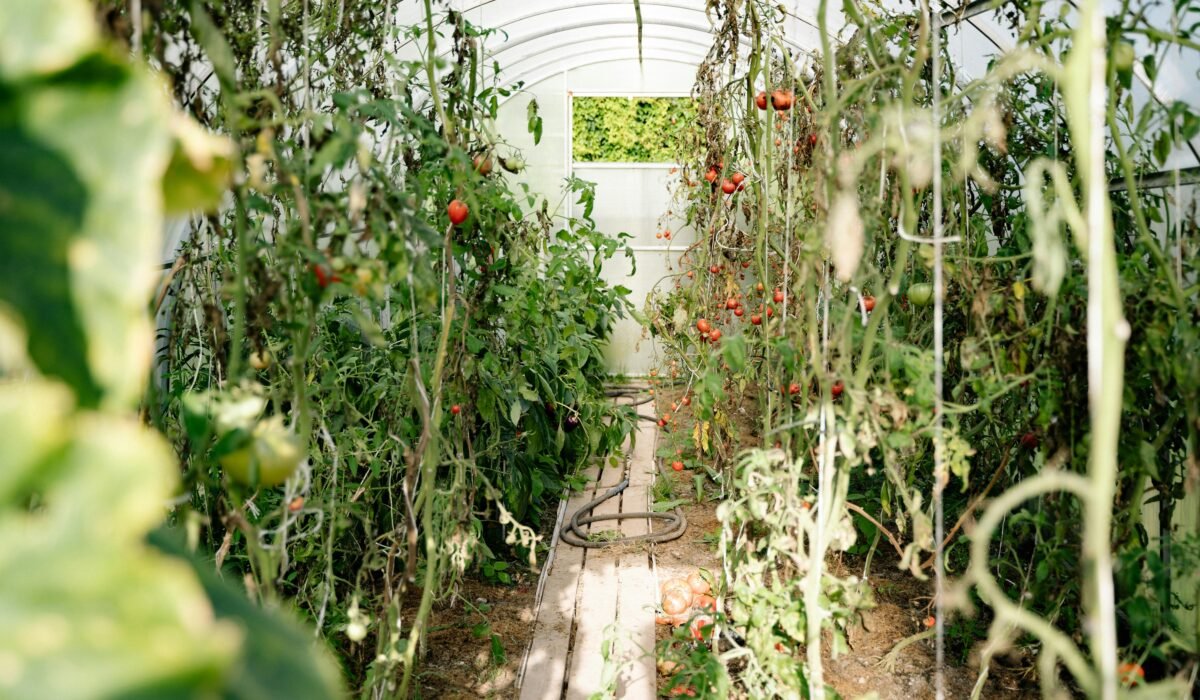
The best trellis for tomatoes depends on their growth habit. Indeterminate tomatoes, which continue to grow and produce fruit until frost, require robust, continuous support. The Florida weave is excellent for rows, while tall stakes, strong cages, or string trellising (especially for advanced vertical gardening) are good for individual plants. Determinate tomatoes, which grow to a certain size and produce their crop all at once, can often be supported with sturdy cages or shorter stakes. Training vining plants on a trellis properly prevents snapped branches and ensures even ripening.
Cucumbers: Up and Away
Cucumbers are natural climbers with tendrils that readily grasp supports. A-frames, netting, or even a simple fence make a great cucumber trellis. Ensure the support is strong enough to hold the weight of many fruits. Keeping them off the ground prevents diseases and produces straighter, cleaner cucumbers.
Peppers and Eggplants: Staking for Strength
While not vining, tall pepper and eggplant varieties benefit immensely from support. Their branches can easily snap under the weight of ripening fruit or strong winds. A single sturdy stake per plant, or a small cage, will prevent breakage and improve air circulation around the plant, which can help prevent plant disease. This simple intervention can make a huge difference in your harvest.
Squash and Melons: Heavyweight Champions
Trellising squash and melons, especially smaller to medium varieties, can free up significant ground space. Use very sturdy structures like cattle panel arches or strong A-frames. As the fruits develop, consider creating slings from old t-shirts, pantyhose, or garden fabric to cradle them, preventing them from pulling the vine off the trellis or breaking prematurely. This technique is particularly effective for varieties like ‘Delicata’, ‘Sweet Acorn’, or even smaller ‘Sugar Pie’ pumpkins.
Maintaining Your Trellis System for Years of Abundant Harvests
A well-chosen trellis is an investment that can provide years of garden support systems. Proper maintenance will ensure its longevity and continued effectiveness.
Annual Inspection and Repair
Before planting each season, thoroughly inspect all components of your trellis. Look for signs of rot in wooden structures, rust on metal, or degradation in plastic. Replace any weakened parts immediately. Tighten loose connections and reinforce any wobbly sections. This proactive approach ensures your system can handle the weight of a full harvest.
Cleaning and Storage
At the end of the growing season, remove all plant debris from your trellises. This helps prevent overwintering pests and diseases. For portable trellises, clean them thoroughly with a dilute bleach solution (1 part bleach to 9 parts water) or a strong soap solution, rinse, and allow them to dry completely before storing them in a shed or garage. This simple step significantly extends trellis materials durability.
For permanent structures like cattle panel arches or sturdy wooden trellises, a good cleaning with a stiff brush and hose is usually sufficient. Consider applying a protective sealant or paint to wooden components every few years to extend their lifespan, especially in humid climates.
Crop Rotation Considerations
Even with permanent trellises, remember to rotate your crops annually to prevent the buildup of soilborne diseases. If you have a permanent trellis for tomatoes, try growing cucumbers or pole beans there next year if possible. This practice, combined with good trellis maintenance, supports overall garden health and productivity.
Frequently Asked Questions
Why should I trellis my vegetables?
You should trellis your vegetables to significantly increase yields, save garden space, improve air circulation to prevent plant disease, and make harvesting easier. Trellising keeps fruits and foliage off the ground, protecting them from pests and soilborne pathogens, leading to healthier plants and a more abundant harvest.
Which vegetables need trellising?
Vining vegetables like indeterminate tomatoes, cucumbers, pole beans, and peas especially benefit from trellising. Smaller squash and melon varieties can also be trellised, as can top-heavy plants like peppers and eggplants, which need support to prevent branches from breaking under the weight of their fruit.
What is the best way to trellis vegetables?
The best way to trellis vegetables depends on the specific crop and your garden setup. Popular methods include sturdy stakes or cages for peppers and determinate tomatoes, string trellising or the Florida Weave for rows of indeterminate tomatoes, and netting or A-frames for cucumbers and peas. For heavy vining crops, robust cattle panel arches are highly effective due to their strength and versatility.
What materials can I use for trellising?
You can use a variety of materials for trellising, including wood (bamboo, lumber, salvaged branches), metal (galvanized wire, rebar, cattle panels, T-posts), and plastic (netting, PVC pipe). The choice depends on factors like cost, desired durability, and the weight of the plants you intend to support, with metal options generally offering the longest lifespan and greatest strength.
By embracing smart trellising techniques, you’re not just supporting your plants; you’re supporting the future of your garden. Implementing these vertical gardening strategies will lead to healthier plants, a more organized garden, and ultimately, a significantly more abundant harvest season after season. Get started today and watch your garden grow upwards!