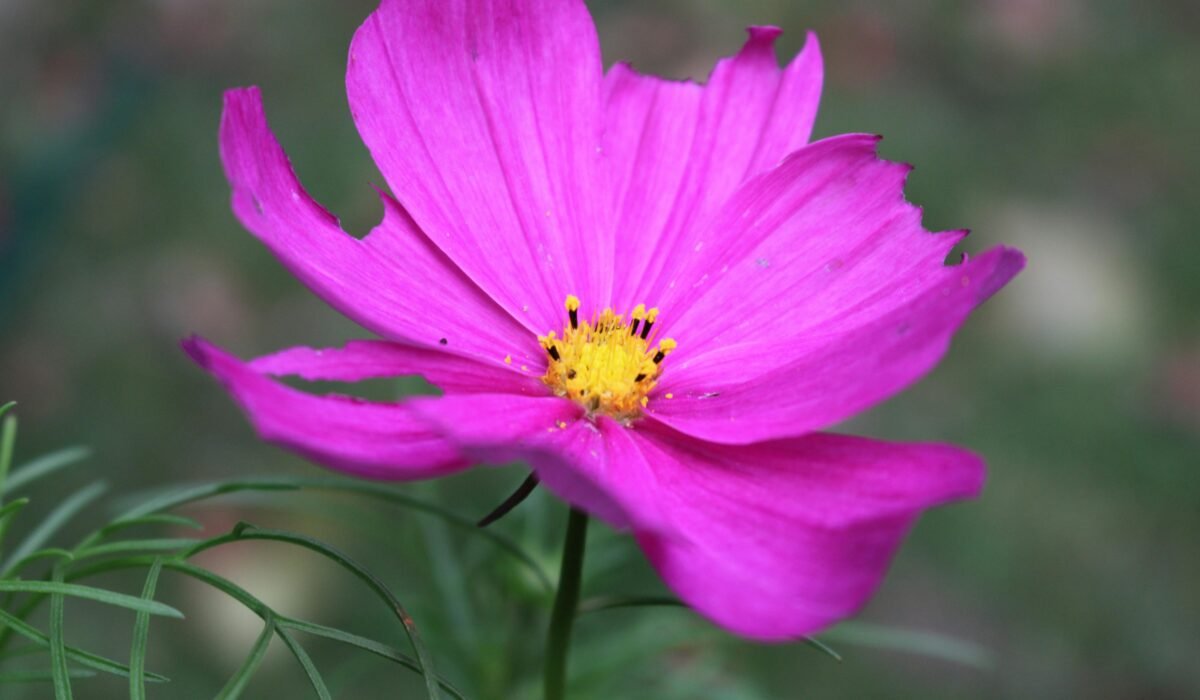
Dreaming of a garden bursting with vibrant, easy-to-grow blooms all summer long? Learning how to grow cosmos flowers is a rewarding journey, transforming your outdoor space with minimal effort. This guide will walk you through every step, from selecting the right seeds to advanced care techniques, ensuring you achieve a stunning, season-long display of these cheerful, daisy-like flowers.
Getting Started: What You Need to Grow Cosmos Flowers
To successfully grow cosmos flowers, a little preparation goes a long way. These cheerful annuals are remarkably forgiving, but providing the right foundation ensures a spectacular display. Understanding their basic needs from the outset sets you up for success.
Choosing Your Cosmos Seeds
The journey begins with selecting quality cosmos seeds. You’ll find a wide array of options, from classic pinks and whites to fiery oranges and deep burgundies. Consider the mature size and color palette you envision for your garden.
Essential Tools and Materials
You won’t need an elaborate setup to start your cosmos. Here’s a basic list of what you’ll need:
- Cosmos seeds: Your chosen varieties.
- Seed starting trays or small pots: If starting indoors.
- Well-draining seed starting mix: Essential for healthy germination.
- Gardening gloves: For comfortable planting.
- Trowel or small shovel: For preparing soil and planting.
- Watering can with a fine rose: To gently water delicate seedlings.
- Garden labels: To keep track of varieties.
- Stakes or netting: For taller varieties, especially in windy areas.
Site Selection and Soil Preparation
Cosmos absolutely adore the sun, so choosing a spot with plenty of light is critical. They require at least 6-8 hours of full sun daily to truly flourish, with some sources recommending 8 hours of direct sunlight. The soil itself is less demanding; cosmos thrive in loose, well-draining soil with low fertility. What most people miss is that rich soil, particularly high nitrogen, actually encourages lush foliage at the expense of fewer flowers. Farmer’s Almanac confirms this, advising against over-fertilizing.
When and How to Plant Cosmos Seeds for Success
Timing and technique are key when planting cosmos, whether you’re starting them indoors or sowing directly into your garden. These fast-growing annuals reward timely planting with an abundance of blooms.
Starting Cosmos from Seed Indoors
For an early start and longer blooming season, you can begin how to grow cosmos from seed indoors about 4-6 weeks before your last anticipated frost date. This gives them a head start before transplanting. Cosmos seeds generally germinate quickly, typically in 5 to 7 days when soil temperatures are above 65°F (18°C), ideally around 70°F (21°C).
- Fill seed starting trays with a moist, well-draining seed starting mix.
- Sow seeds about ¼ inch deep, pressing them gently into the soil.
- Lightly cover with soil and water gently.
- Place trays in a warm spot, ideally with bottom heat, and ensure they receive bright light once sprouted.
- Once seedlings have two sets of true leaves, thin them to about 6-12 inches apart or pot them up into larger containers. Farmer Bailey Inc. warns that cosmos are “very quick growing and will soon become rootbound if left in the original plug tray,” underscoring the need for timely transplanting.
For more on preventing early plant issues, consider reading our guide on how to prevent damping-off in seedlings.
Direct Sowing Cosmos Seeds Outdoors
If you prefer a simpler approach, direct sowing is a perfectly viable option. Wait until all danger of frost has passed and the soil has warmed up, usually in late spring or early summer. This aligns with the question, “What is the best month to plant cosmos?” which is typically May or June in most temperate climates.
- Prepare your garden bed by loosening the soil and removing any weeds.
- Scatter cosmos seeds lightly over the prepared soil, or plant them in rows about ¼ inch deep.
- Lightly cover the seeds with soil and water thoroughly.
- Once seedlings emerge and are a few inches tall, thin them to achieve proper cosmos planting spacing, typically 6-12 inches apart, depending on the variety. Taller varieties need more space.
Cosmos can begin blooming as early as 10 weeks after sowing from seed, continuing until the first fall frost.
Essential Cosmos Care: Watering, Sun, and Support
Once your cosmos are established, their care routine is refreshingly straightforward, making them perfect for busy gardeners. Providing adequate water, ample sunlight, and timely support will ensure robust growth and continuous blooms. This section focuses on key aspects of cosmos flower care.
Watering Cosmos: Finding the Right Balance
Do cosmos need a lot of water? The short answer is no, not once established. While seedlings need consistent moisture to get going, mature cosmos are quite drought-tolerant. North Carolina Extension advises caution “not to overwater your plants,” highlighting their resilience. Water deeply but infrequently, allowing the soil to dry out slightly between waterings. Overwatering can lead to root rot and leggy growth.
Sunlight Requirements: The Key to Abundance
As mentioned, cosmos are sun worshipers. They absolutely demand full sun, meaning at least 6 to 8 hours of direct sunlight per day. Insufficient light will result in sparse flowering and weak, leggy growth as the plants stretch to find the sun. Position them where they can soak up as much sunshine as possible.
Fertilizer Needs: Less is More
What are cosmos fertilizer needs? This is where many gardeners make a common mistake. Cosmos thrive in lean soil, and too much fertilizer, especially nitrogen, encourages lush green growth at the expense of flowers. If your soil is very poor, a balanced, low-nitrogen fertilizer applied sparingly at planting time might be beneficial, but generally, cosmos do not require heavy feeding.
Providing Support for Taller Varieties
Taller cosmos varieties, especially those grown for cut flowers, can become top-heavy and prone to flopping, particularly in windy conditions. Providing support is a simple solution. Staking or using netting can help keep them upright. Consider adding “one or two layers of netting” for taller varieties in windy areas to prevent damage and maintain a tidy appearance. For more on vertical support, you might find our article on trellising vegetables helpful, as similar principles apply.
Unlock More Blooms: Pinching, Deadheading, and Succession Planting
To truly maximize your cosmos display and keep those stunning blooms coming, a few proactive techniques are essential. These methods encourage bushier plants, extended flowering, and a continuous supply of fresh blossoms.
Pinching for Bushier Plants
Should you pinch cosmos? Absolutely! Pinching is a simple yet powerful technique to encourage more side branching and, consequently, more flowers. When your cosmos plants are about 6-12 inches tall, pinch back the top 3-4 inches above a set of leaves. This signals the plant to produce more stems, resulting in a bushier, stronger plant with a greater abundance of blooms. This is particularly beneficial for those aiming for best cosmos varieties for cutting, as it yields longer, sturdier stems.
Deadheading for Continuous Flowering
One of the best ways to keep cosmos blooming all summer is through consistent deadheading. This means removing spent flowers before they go to seed. When a cosmos flower fades, the plant’s energy shifts from producing new blooms to developing seeds. By removing these old flowers, you trick the plant into producing more blossoms in an effort to reproduce. Deadhead cosmos regularly by snipping off the spent flower stem just above a set of leaves or a new bud. Erin Benzakein of Floret Flowers notes that “The more you harvest them, the more they bloom,” highlighting their prolific nature.
Succession Planting for Extended Harvests
To ensure a continuous supply of fresh cosmos flowers from spring until the first frost, consider succession sowing. This involves planting cosmos in intervals, typically every 3-4 weeks, from late spring through mid-summer. This strategy means that as your first batch of cosmos begins to wane, a fresh wave of younger plants will be ready to take over, providing uninterrupted color and cutting material throughout the season.
Troubleshooting Common Cosmos Problems and Pests
Even with their reputation for being easy-going, cosmos can sometimes encounter issues. Understanding common problems and how to address them quickly is part of being a cosmos master. This section will help you tackle cosmos diseases and pests and other growth challenges.
Why Your Cosmos Might Not Be Blooming
If your cosmos are producing lush green foliage but few flowers, the most likely culprit is too much nitrogen fertilizer. As discussed earlier, cosmos prefer lean soil. Reduce or eliminate fertilizer applications. Another reason could be insufficient sunlight; ensure they receive at least 6-8 hours of full sun daily. Lack of deadheading can also reduce blooms, as the plant focuses on seed production.
Addressing Leggy Growth
Leggy growth, characterized by tall, spindly stems with sparse foliage, is often a sign of inadequate light. Move container-grown cosmos to a sunnier spot, or if direct-sown, ensure they aren’t overshadowed by other plants. Pinching back young plants, as described above, also helps to encourage bushier growth and prevent legginess.
Common Cosmos Pests and Solutions
While generally resistant, cosmos can occasionally attract a few pests:
- Aphids: Small, soft-bodied insects that cluster on new growth. Blast them off with a strong stream of water or use an insecticidal soap.
- Japanese Beetles: These iridescent beetles can skeletonize leaves. Hand-picking them off plants in the early morning is effective, or use appropriate organic pest control methods.
- Slugs and Snails: Especially problematic for young seedlings. Use organic slug baits or create barriers like crushed eggshells.
Preventing Cosmos Diseases
Cosmos are relatively disease-free, but sometimes powdery mildew can appear, especially in humid conditions or with poor air circulation. Powdery mildew manifests as a white, powdery coating on leaves. To prevent it:
- Ensure adequate spacing between plants for good air circulation.
- Water at the base of the plant, avoiding wetting the foliage.
- If powdery mildew appears, remove affected leaves and consider an organic fungicide if severe.
For a broader understanding of natural solutions, our guide on organic solutions for plant diseases offers further insights.
Choosing the Best Cosmos Varieties for Your Garden Goals
With a stunning array of colors, sizes, and petal forms, choosing the right cosmos varieties can tailor your garden to specific aesthetic or functional goals. From delicate cut flowers to vibrant container displays, there’s a cosmos for every gardener.
Cosmos for Cutting Gardens
Many cosmos are excellent cut flowers, offering long vase life and prolific blooms. For those seeking the best cosmos varieties for cutting, look for varieties with long, sturdy stems.
- ‘Double Click Snow Puff’: Features unique fully double or semi-double blooms, adding texture to arrangements.
- ‘Fizzy Pink’: Offers strong flower colors from white to carmine, producing abundant blooms ideal for bouquets.
- ‘Sea Shells’: Known for its pale, fluted petals, creating an elegant and whimsical touch in floral designs.
Compact Varieties for Containers and Small Spaces
If you have limited space or prefer container gardening, compact cosmos varieties are a perfect fit.
- ‘Sonata White’: A popular dwarf variety that remains compact, making it well-suited for pots, window boxes, and the front of borders.
- ‘Gazebo Red’: A medium-sized, bushy, early-flowering variety with large, velvety red blooms that works well in containers.
Unique and Specialty Cosmos
Beyond the common *Cosmos bipinnatus*, other species offer distinct characteristics.
- ***Cosmos sulphureus* (Sulphur Cosmos)**: These varieties, like ‘Bright Lights’ and ‘Mandarin’, come in warm summer hues of yellow, orange, and red. They are also known for their natural dyeing abilities and can be edible.
- ***Cosmos atrosanguineus* (Chocolate Cosmos)**: A tender perennial (often grown as an annual) from Mexico, famous for its deep, velvety burgundy blooms and a distinct scent reminiscent of chocolate. Oregon State University notes its botanical origin as a member of the Asteraceae family and native to Mexico.
Companion Planting and Design Ideas for Stunning Cosmos Displays
Cosmos are not just beautiful on their own; they are also fantastic team players in the garden. Thoughtful companion planting and clever design can elevate your cosmos displays, attracting beneficial insects and creating harmonious visual tapestries.
Beneficial Companion Plants for Cosmos
Cosmos are excellent for attracting pollinators like bees and butterflies, making them valuable additions to a pollinator garden. They also pair well with certain vegetables and herbs.
- Vegetables: Plant cosmos near tomatoes, peppers, or corn. Their tall, airy structure provides light shade, and their flowers attract beneficial insects that prey on common vegetable pests.
- Herbs: Basil, dill, and cilantro are great companions. The cosmos attract pollinators to the herbs, while the strong scent of the herbs can deter some pests.
- Other Flowers: Marigolds and zinnias make vibrant companions, offering similar growing needs and a continuous burst of color.
Designing with Cosmos: From Cottage Gardens to Modern Borders
The versatility of cosmos allows them to fit into various garden styles.
- Cottage Garden Charm: Mix tall cosmos varieties with other informal bloomers like delphiniums, foxgloves, and roses for a classic, romantic look. The ‘Sea Shells’ variety, with its pale, fluted petals, is ideal for pairing with dark-flowered dahlias and chrysanthemums to achieve this aesthetic.
- Pollinator Paradise: Create a dedicated area with a diverse mix of cosmos, coneflowers, calendula, and sunflowers to provide a continuous nectar source for bees and butterflies.
- Container Groupings: Use compact cosmos varieties like ‘Sonata White’ as a central “thriller” or “filler” in mixed containers, surrounded by trailing annuals.
- Naturalistic Meadows: Allow cosmos to self-seed and mingle with native grasses and wildflowers for a wild, naturalistic look.
Consider incorporating cosmos into your terrace garden layout ideas to add height and movement.
Do Cosmos Self-Seed and Grow Back Every Year?
This is a common question for many gardeners, and the answer can influence your planting strategy for the following season. Understanding how cosmos reproduce naturally is key to enjoying them year after year.
Cosmos as Annuals
Cosmos (specifically *Cosmos bipinnatus* and *Cosmos sulphureus*) are generally considered annuals. This means that in most climates, they complete their entire life cycle – from seed to flower to seed – within one growing season and then die with the first hard frost. They do not have perennial root systems that survive the winter. Farmer Bailey Inc. clearly states that “plants can not tolerate freezing at any point in the growth cycle.”
The Magic of Self-Seeding
Do cosmos self seed easily? Yes, many cosmos varieties are enthusiastic self-seeders! If you allow some of the spent flowers to remain on the plant and go to seed, they will drop their seeds onto the soil. These seeds can then overwinter and germinate the following spring, often popping up in unexpected but delightful places.
Encouraging Self-Seeding
To encourage self-seeding, simply stop deadheading some of your plants towards the end of the growing season. Allow the flowers to mature fully and dry on the plant, letting the seeds naturally disperse. In spring, keep an eye out for new seedlings and thin them as needed to prevent overcrowding. While self-seeding can be a pleasant surprise, the resulting plants might not always be true to the parent variety, especially with hybrid cosmos.
Frequently Asked Questions
How do you keep cosmos blooming all summer?
To keep cosmos blooming all summer, consistently deadhead spent flowers by snipping them off above a set of leaves or a new bud. This prevents the plant from going to seed and encourages it to produce more flowers. Additionally, ensure they receive full sun and avoid over-fertilizing with nitrogen.
How long does it take to grow cosmos from seed?
Cosmos seeds typically germinate in 5 to 7 days under ideal conditions (above 65°F or 18°C). From sowing seeds, you can expect flowers to begin appearing as early as 10 weeks, and they will continue blooming until the first fall frost.
Do cosmos need full sun?
Yes, cosmos absolutely need full sun to thrive and produce abundant blooms. They require at least 6-8 hours of direct sunlight daily. Planting them in a shady location will result in sparse flowering and leggy, weak growth.
Should you pinch cosmos?
Yes, pinching cosmos is highly recommended, especially when plants are 6-12 inches tall. Pinching back the top 3-4 inches above a set of leaves encourages the plant to branch out, leading to a bushier growth habit and a greater number of longer-stemmed flowers.
With these easy steps and expert insights, you’re now equipped to master how to grow cosmos flowers and enjoy a spectacular display in your garden. From selecting the perfect seeds to understanding advanced care techniques like pinching and succession planting, you have all the knowledge to cultivate truly stunning blooms. So grab your seeds, find a sunny spot, and get ready to transform your garden into a vibrant haven that will delight you and attract pollinators all season long.