Watching your promising young plants suddenly wither and die is incredibly frustrating, but understanding how to prevent damping-off in seedlings can save your entire crop. This insidious fungal disease is a common culprit behind unexplained seedling death, often striking just when you think you’ve succeeded in germination. This guide will equip you with expert strategies to diagnose, treat, and most importantly, prevent damping-off, ensuring your seedlings thrive from the very start.
What is Damping-Off Disease?
Damping-off is a devastating fungal disease that attacks young seedlings, often leading to rapid and widespread seedling death. It’s caused by several soil-borne fungal pathogens, rendering your promising new plants lifeless almost overnight. “Damping-off is a common and fatal disease that affects all types of plant seedlings,” states the University of Wisconsin-Extension, highlighting its pervasive nature.
The impact of this fungal disease can be severe, especially in nursery settings. For instance, damping-off in chili cultivation can cause an alarming up to 90% plant death and 62% seedling viability loss, according to a 2024 review. This illustrates why understanding and preventing this issue is critical for any gardener.
How to Identify Damping-Off Symptoms in Seedlings
Recognizing the signs of damping-off early can help you mitigate further losses, though infected seedlings are rarely recoverable. Symptoms typically fall into two categories: pre-emergence and post-emergence.
Pre-Emergence Damping-Off
This occurs when seeds rot in the soil before they even have a chance to sprout. You might notice poor germination rates or seeds that simply fail to emerge, leading you to wonder why your seeds aren’t growing. The pathogens attack the embryo or young radicle, preventing any visible growth above the soil line.
Post-Emergence Damping-Off
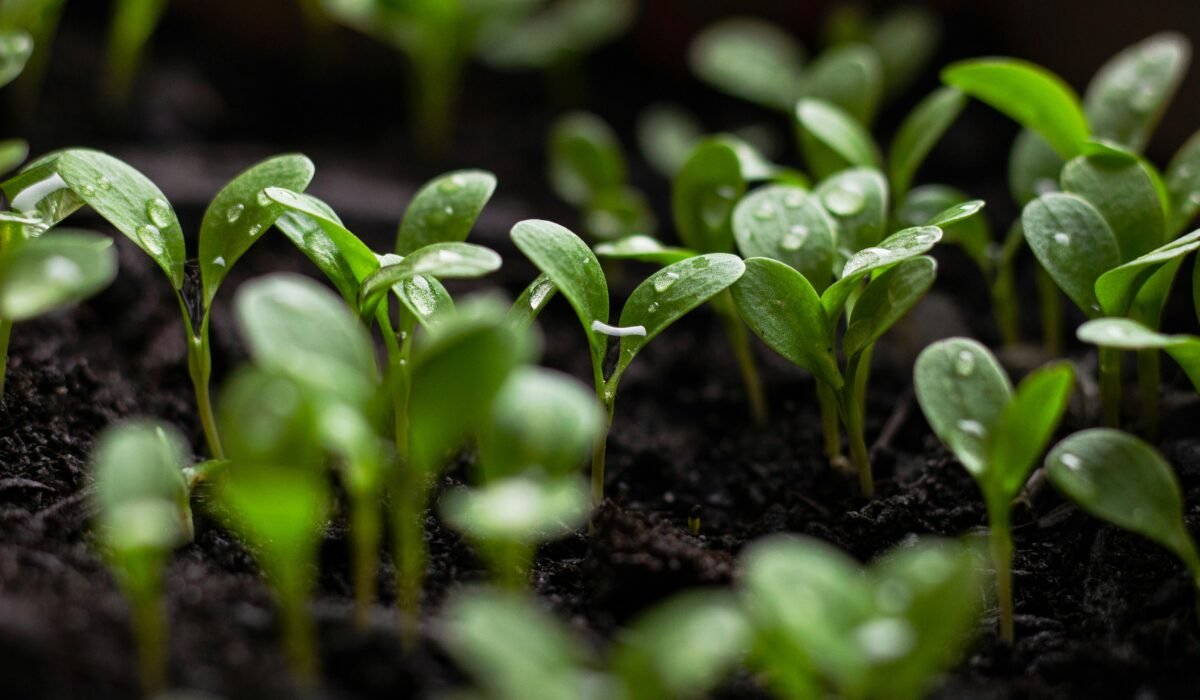
This is the more commonly recognized form, where seedlings emerge but then quickly collapse. You’ll observe young plants that seem healthy one day, only to be wilted and shriveled the next. A key symptom is a dark, water-soaked lesion at the soil line, causing the stem to pinch off and the seedling to topple over.
The affected stems often appear soft and mushy, contrasting sharply with the firm stems of healthy seedlings. This rapid wilting and collapse sets it apart from other issues like simple thirst or nutrient deficiency.
Why Do My Seedlings Keep Dying? Understanding the Causes
If you’re asking, “Why do my seedlings keep dying?”, damping-off is likely the culprit, driven by a combination of specific pathogens and environmental conditions. Several types of soil-borne fungi and fungus-like organisms are responsible, with their activity often exacerbated by poor growing practices.
The Primary Pathogens
The most common culprits behind this seedling death are fungi from the genera Pythium, Rhizoctonia, and Fusarium. Each has slightly different preferences, but all thrive in certain conditions:
- Pythium: Often called “water mold,” this pathogen thrives in cool, overly wet soils. It attacks roots and stems, causing them to rot.
- Rhizoctonia: This fungus prefers warmer, slightly drier conditions than Pythium but still attacks at the soil line, causing the characteristic stem constriction.
- Fusarium: Typically associated with warmer temperatures and stressed plants, Fusarium can cause damping-off as well as wilts in more mature plants. It often enters through wounds.
Environmental Factors Contributing to Damping-Off
Pathogens are always present in the environment, but certain conditions create the perfect breeding ground for them to attack. These include:
- Excessive Moisture: Overwatering, poor drainage, or high humidity create a waterlogged environment that suffocates roots and favors fungal growth, particularly Pythium. This is one of the biggest factors in seedling loss.
- Cool Soil Temperatures: While some pathogens like Rhizoctonia prefer warmth, generally, cool soil slows seed germination and seedling growth, leaving young plants vulnerable for longer. “The disease is most prevalent when seeds are germinated in cool, wet soils,” confirms the University of Wisconsin-Extension.
- Non-Sterile Growing Mediums: Using garden soil or unsterilized potting mix introduces a host of pathogens, including those that cause damping-off.
- Poor Air Circulation: Stagnant air around seedlings leads to high humidity, creating a moist microclimate ideal for fungal spores to germinate and spread.
- Overcrowding: Planting seeds too closely together reduces air circulation and increases competition for resources, weakening seedlings and making them more susceptible.
Understanding these underlying causes is the first step in effective prevention, empowering you to address the root of the problem rather than just reacting to symptoms.
How to Prevent Damping-Off in Seedlings: Proven Strategies
The best defense against this devastating disease is a proactive approach, implementing several key strategies to create an unfavorable environment for pathogens. Knowing how to prevent damping-off in seedlings involves meticulous attention to hygiene, environmental control, and healthy plant practices.
1. Start with Sterile Foundations
Pathogens lurk everywhere, so sanitation is paramount. Always begin with sterile soil and containers. This means:
- Use a High-Quality, Sterile Potting Mix: Never use garden soil for starting seeds indoors, as it contains countless pathogens. Opt for a commercial, soilless seed-starting mix designed for drainage and aeration.
- Sterilize All Tools and Containers: Wash pots, trays, and tools thoroughly with soap and water, then disinfect them with a 10% bleach solution (1 part bleach to 9 parts water) or 70% rubbing alcohol. Let them air dry completely before use.
This foundational step significantly reduces the initial load of fungal spores, giving your seedlings a clean start.
2. Optimize Watering Practices
Overwatering is a prime contributor to damping-off. Instead, focus on consistent, appropriate moisture levels:
- Water from the Bottom: Place seed trays in a shallow pan of water for 15-20 minutes, allowing the potting mix to wick up moisture. Remove them once the top surface appears damp. This avoids disturbing delicate seedlings and keeps the soil surface drier.
- Avoid Overwatering: Feel the weight of your trays. Water only when the top half-inch of the potting mix feels dry to the touch. This prevents the soggy conditions that Pythium loves.
- Ensure Good Drainage: Make sure all seed trays and pots have adequate drainage holes to prevent waterlogging.
Proper watering is a crucial factor in preventing fungal disease and root rot.
3. Control Temperature and Air Circulation
Creating the right environment helps seedlings grow strong quickly, shortening their susceptible period:
- Maintain Optimal Soil Temperature: Use heating mats to keep the soil temperature consistently between 70-75°F (21-24°C) for most seeds. This encourages rapid germination, allowing seedlings to grow past their most vulnerable stage faster. The University of Wisconsin-Extension recommends this practice.
- Provide Good Air Circulation: Use a small fan set on a low setting to gently circulate air around your seedlings for several hours a day. This reduces humidity control around the plants, preventing fungal spores from settling and germinating.
These practices help manage the damping off temperature and humidity, crucial for healthy growth.
4. Proper Spacing and Lighting
Give your seedlings room to breathe and plenty of light:
- Avoid Overcrowding: Sow seeds thinly or thin seedlings promptly once they emerge. Crowded conditions reduce air circulation and create a humid microclimate.
- Provide Adequate Light: Strong light promotes vigorous growth. Position grow lights just a few inches above seedlings to prevent them from becoming leggy and weak, making them less susceptible to disease.
5. Consider Seed Treatment
For seeds particularly prone to damping-off or if you’ve had issues in the past, seed treatment can offer an extra layer of protection. This involves coating seeds with a fungicide or a biological control agent before planting. This method provides immediate protection as the seed germinates.
By diligently applying these proven strategies, you significantly reduce the risk of damping-off and give your seedlings the best possible start.
Can Damping-Off Be Reversed? Treatment & Salvage Options
The short answer to “Can damping-off be reversed?” is generally no. Once a seedling shows the classic symptoms of damping-off – a pinched stem at the soil line and collapse – it’s typically too late to save that individual plant. The damage to the stem tissue is irreversible, and the seedling will die. Most sources recommend discarding infected plants immediately to prevent the spread of the fungal disease.
Immediate Actions to Slow Spread
While an infected seedling is a goner, you can take immediate action to protect adjacent healthy seedlings in the same tray. This is about damage control and preventing further loss:
- Remove Infected Seedlings: Carefully remove and discard any symptomatic seedlings, along with the surrounding soil. Do not compost them, as this can spread pathogens.
- Isolate Affected Trays: Move any trays showing signs of damping-off away from healthy ones.
- Improve Environmental Conditions: Immediately address any issues with overwatering, high humidity, or lack of air circulation. Increase air movement with a fan and ensure proper soil moisture.
- Consider a Targeted Drench: For still-healthy adjacent seedlings, a light drench with a diluted biological control product (like those containing Bacillus subtilis) or a very mild, organic fungicide might offer some preventative protection. This is a salvage option, not a cure for already infected plants.
The key here is to act swiftly and decisively. The goal isn’t to reverse the infection in a dying plant, but to halt the spread of the pathogen to its neighbors. Implementing these rapid environmental adjustments and careful removal can sometimes save the majority of your crop, even if a few pioneers are lost.
Advanced Damping-Off Prevention: Pathogen-Specific Controls
While general prevention strategies are effective, a deeper understanding of the specific pathogens involved can refine your approach. Different damping-off fungi thrive under distinct conditions, and tailoring your prevention can be highly effective.
Targeting Pythium
As noted, Pythium loves cool, wet conditions. If your environment tends to be colder or you struggle with maintaining ideal soil moisture, you might be more susceptible to this pathogen. Prevention strategies should emphasize:
- Warming Soil: Ensure heating mats are consistently used to bring soil temperature to 70-75°F (21-24°C), promoting faster germination and reducing the window of vulnerability.
- Strict Water Management: Avoid any standing water or consistently soggy potting mix. Use well-draining sterile soil and consider bottom watering to keep the surface dry.
Addressing Rhizoctonia
Rhizoctonia, conversely, tends to prefer warmer, slightly drier soil conditions than Pythium. If you’re growing in a warm environment, or if your plants are stressed by inconsistent watering (periods of dry followed by wet), Rhizoctonia might be a primary concern. Strategies include:
- Consistent Soil Moisture: While avoiding overwatering, also prevent the potting mix from drying out completely, which can stress seedlings.
- Good Air Circulation: This is crucial for all pathogens but especially important in warmer, potentially humid environments where Rhizoctonia can thrive.
Managing Fusarium
Fusarium often takes advantage of stressed plants or those in warmer, drier soil conditions. If you notice damping-off symptoms appearing after periods of drought stress or in very warm germination setups, Fusarium could be at play. Prevention involves:
- Minimizing Stress: Ensure consistent watering, proper light, and adequate nutrients.
- Sterilization: As Fusarium can enter through wounds, meticulous sterilization of tools and containers is critical to prevent its introduction.
By understanding these nuances, you can fine-tune your environmental controls and hygiene practices to specifically target the most likely culprits in your growing conditions. This level of detail elevates prevention beyond general good practice, providing a more robust defense against seedling loss.
Choosing the Right Fungicides & Biological Controls
When prevention alone isn’t enough, or for high-value crops, fungicides and biological controls offer additional protection. The choice depends on your approach – whether you prefer organic solutions or are open to chemical treatments.
Fungicides for Damping-Off
Several effective fungicides can be used as seed treatments or soil drenches to prevent damping-off. It’s important to choose the right product for the specific pathogen and follow application instructions carefully. For example, specific fungicides like Mefenoxam (found in products like Ridomil Gold) and Metalaxyl (e.g., MetaStar) are effective against Pythium. Other broad-spectrum options include:
- Captan: A widely mentioned fungicide for seed treatment or drench, recommended by University of Wisconsin-Extension.
- Copper-based fungicides: These have an average success rate of over 80% in controlling damping-off, according to Pradhan Agro (2024).
- Azoxystrobin fungicides: These show an impressive average success rate of around 85%.
- Chlorothalonil and Maneb fungicides: Also effective, with success rates around 75% and 60% respectively.
Always check the label to ensure the fungicide is safe for your specific plant type and intended use. This is especially important for edible crops.
Biological Controls: An Organic Approach
For those seeking an organic damping off treatment, biological control agents are an excellent choice. These products use beneficial microorganisms that actively suppress or outcompete damping-off pathogens. They work through several mechanisms:
- Competition: Beneficial microbes colonize the roots and soil, outcompeting pathogens for nutrients and space.
- Antibiosis: Some produce natural antibiotics that inhibit the growth of harmful fungi.
- Induced Systemic Resistance (ISR): They can trigger the plant’s own defense mechanisms, making it more resistant to disease.
Common biological control agents include:
- Bacillus subtilis: Found in products like Companion, it’s effective against a range of fungal diseases.
- Trichoderma harzianum (e.g., PlantShield, Rootshield) and Trichoderma virens (e.g., SoilGard): These fungi aggressively colonize roots, protecting them from pathogens and even promoting plant growth.
- Streptomyces lydicus (e.g., Actinovate) and Streptomyces griseoviridis (e.g., Mycostop): These bacteria are known for their fungicidal properties.
Products like Tenet Biofungicide Organic are readily available and provide a natural, effective prevention strategy. Integrating these biological controls can be a cornerstone of your long-term disease management plan, especially if you’re exploring damping off home remedies.
Frequently Asked Questions
What is damping off disease?
Damping-off disease is a common and fatal fungal disease that attacks young plant seedlings, causing them to rot before emerging or to suddenly collapse and die shortly after sprouting. It’s caused by several soil-borne pathogens like Pythium, Rhizoctonia, and Fusarium, which thrive in cool, wet, or overcrowded conditions.
Why do my seedlings keep dying?
Seedlings often die due to damping-off disease, which is typically triggered by a combination of fungal pathogens and unfavorable environmental conditions. Common causes include overwatering, non-sterile potting mix, poor air circulation, cool soil temperatures, or overcrowding, all of which create an ideal environment for fungi to attack fragile young plants.
Can damping off be reversed?
Unfortunately, once a seedling shows clear symptoms of damping-off, such as a constricted stem at the soil line and collapse, it cannot be reversed or saved. The damage to the stem is irreversible. The best course of action is to remove and discard the infected seedling immediately to prevent the disease from spreading to healthy plants in the same tray.
How can I prevent damping off?
Preventing damping-off involves a multi-pronged approach focusing on hygiene and environmental control. Key strategies include using sterile potting mix and containers, avoiding overwatering by bottom watering, ensuring good air circulation with a fan, maintaining optimal soil temperatures (70-75°F) with heating mats, providing adequate light, and using seed treatments or biological controls for added protection.
Mastering the prevention of damping-off is a crucial skill for any gardener, transforming frustrating losses into successful harvests. By implementing sterile practices, optimizing environmental conditions, and understanding pathogen-specific controls, you create a robust defense against this common seedling killer. Don’t let damping-off steal your gardening joy; empower yourself with these strategies and watch your seedlings flourish.