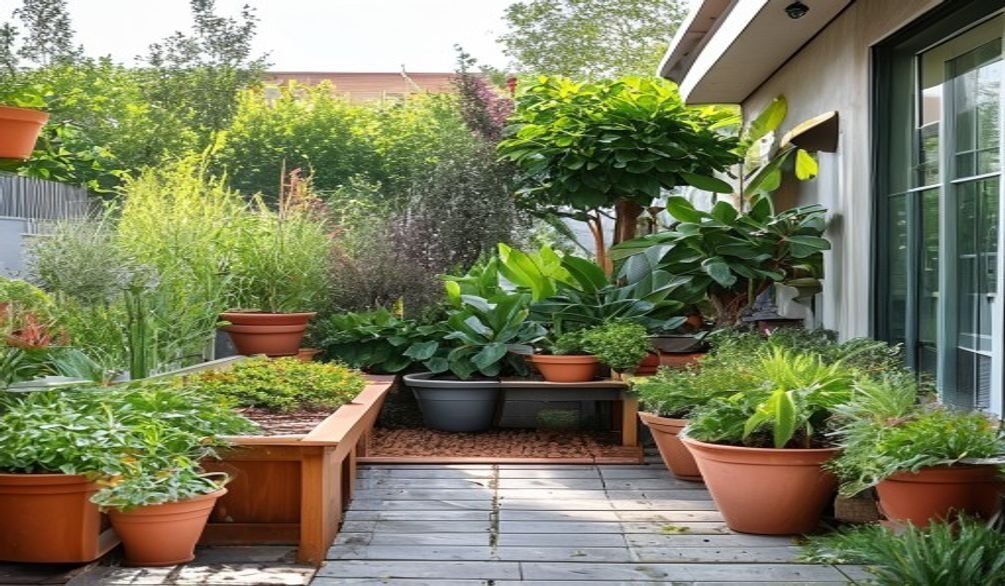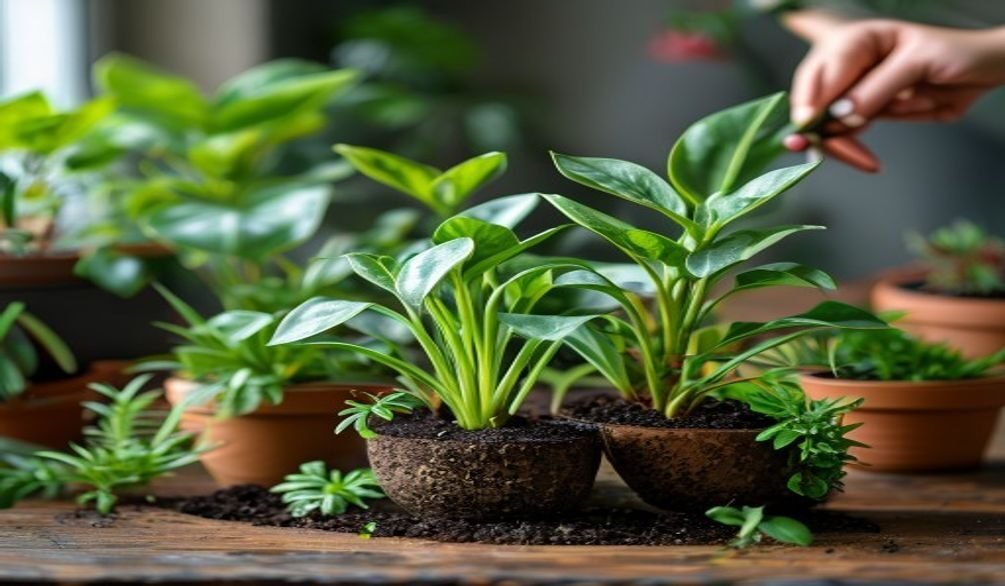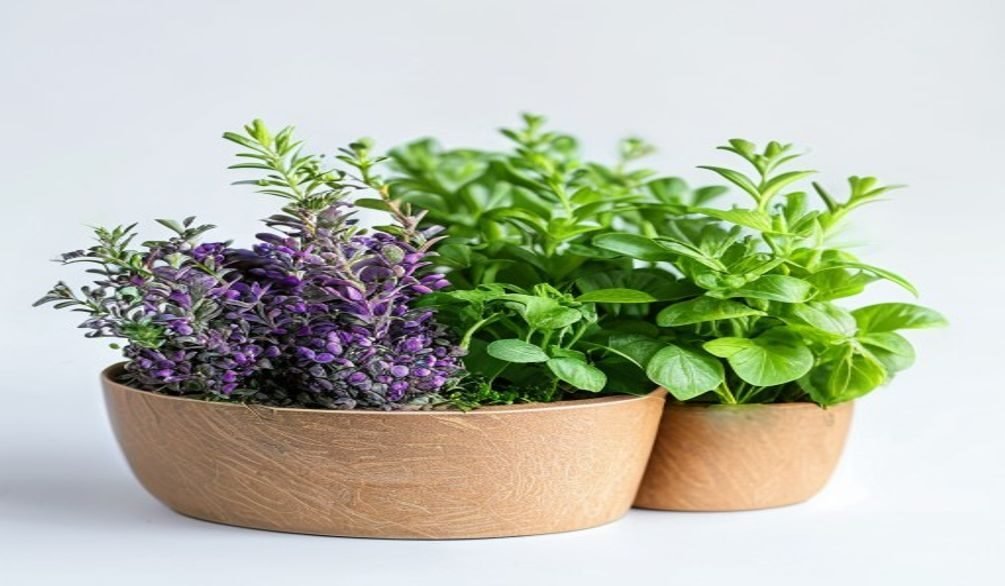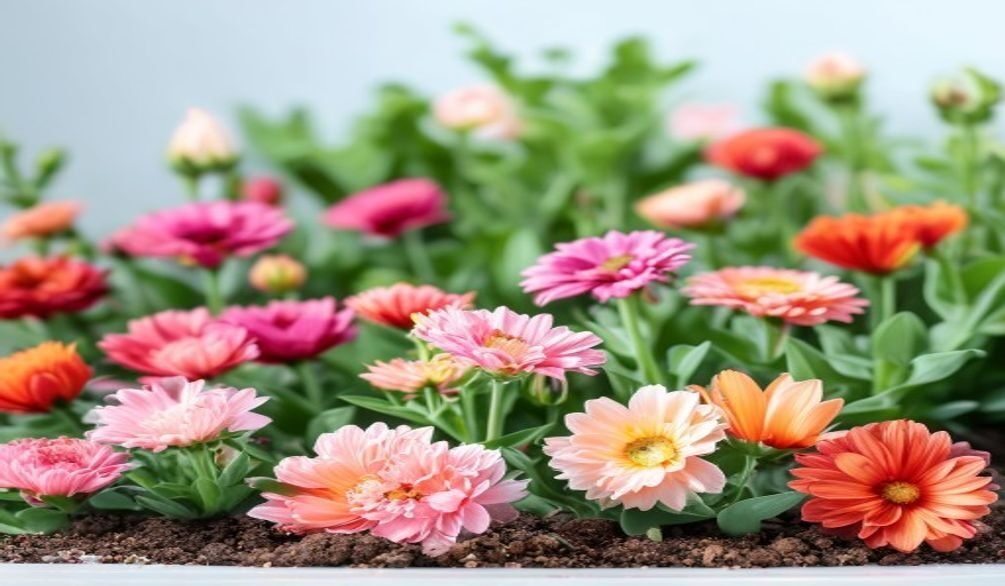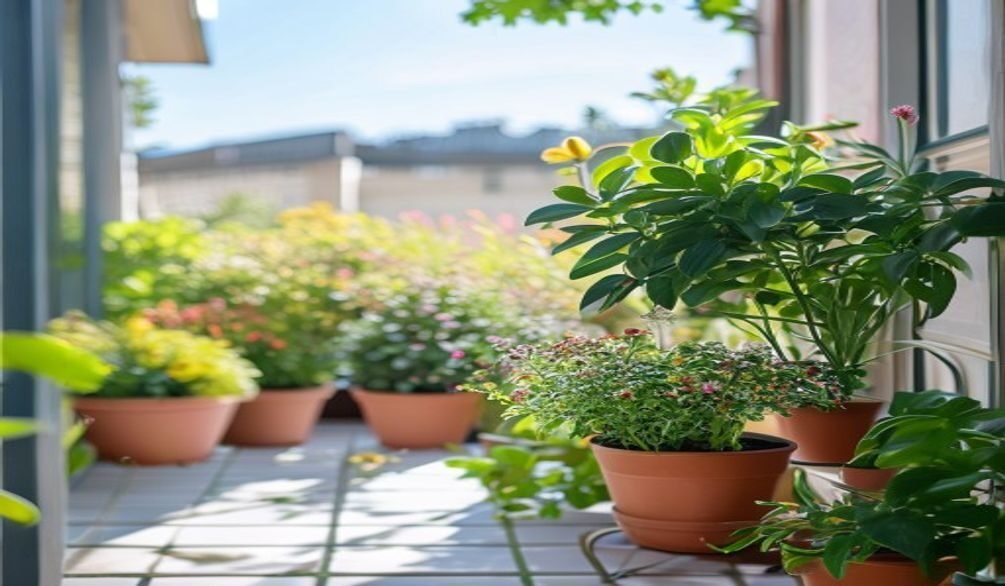
Dreaming of transforming your cramped city space into a lush haven? Finding the right Terrace Garden Layout Ideas can feel overwhelming when you’re faced with limited square footage and urban challenges. This comprehensive guide will walk you through innovative design strategies, plant selections, and smart solutions to create a thriving, beautiful, and productive urban oasis right on your terrace.
How to Plan Your Terrace Garden Layout?
Before you start digging, a solid plan is crucial for any successful urban gardening project. What most people miss is that your terrace isn’t just a space; it’s an extension of your home, and its structural integrity must be respected. According to NYC Landscape Designer Todd Haiman, it’s vital to first understand the load-bearing capacity of your terrace surface to prevent structural issues from the weight of soil and plants.
Assessing Your Space & Environment
Begin by drawing a simple sketch of your terrace, noting existing features like doors, windows, and electrical outlets. Carefully observe the sunlight patterns throughout the day and year, as this will dictate your plant choices. Consider wind exposure, especially on higher floors, which can stress plants and dry out soil quickly.
Here’s the thing: you need to think about how you’ll use the space. Will it be a dining area, a quiet reading nook, or primarily for growing food? Designing it to align with your lifestyle, as Haiman advises, ensures your terrace garden becomes a truly integrated and enjoyable part of your urban life.
Essential Considerations for Urban Terrace Gardens
- Weight Load: As mentioned, this is non-negotiable. Opt for lightweight planters and growing mediums where possible.
- Drainage: Proper rooftop drainage solutions are paramount to prevent water accumulation and structural damage. Ensure pots have drainage holes and use saucers or risers.
- Water Access: Plan how you’ll get water to your plants. A nearby spigot is ideal, but consider watering cans or portable solutions if one isn’t available.
- Accessibility: Can you easily reach all your plants for watering, pruning, and harvesting? Think about pathways and arrangement.
- Wind Exposure: For tall buildings, wind-loading is another issue to consider. Taller plants or trees may need staking or sheltered spots to thrive.
Best Terrace Garden Layout Ideas for Small Urban Spaces
Limited square footage doesn’t mean limited possibilities; it simply means getting creative with your Terrace Garden Layout Ideas. The key to maximizing a small urban space is to think vertically and multi-functionally. This is where clever design truly shines.
Vertical Garden Design Solutions
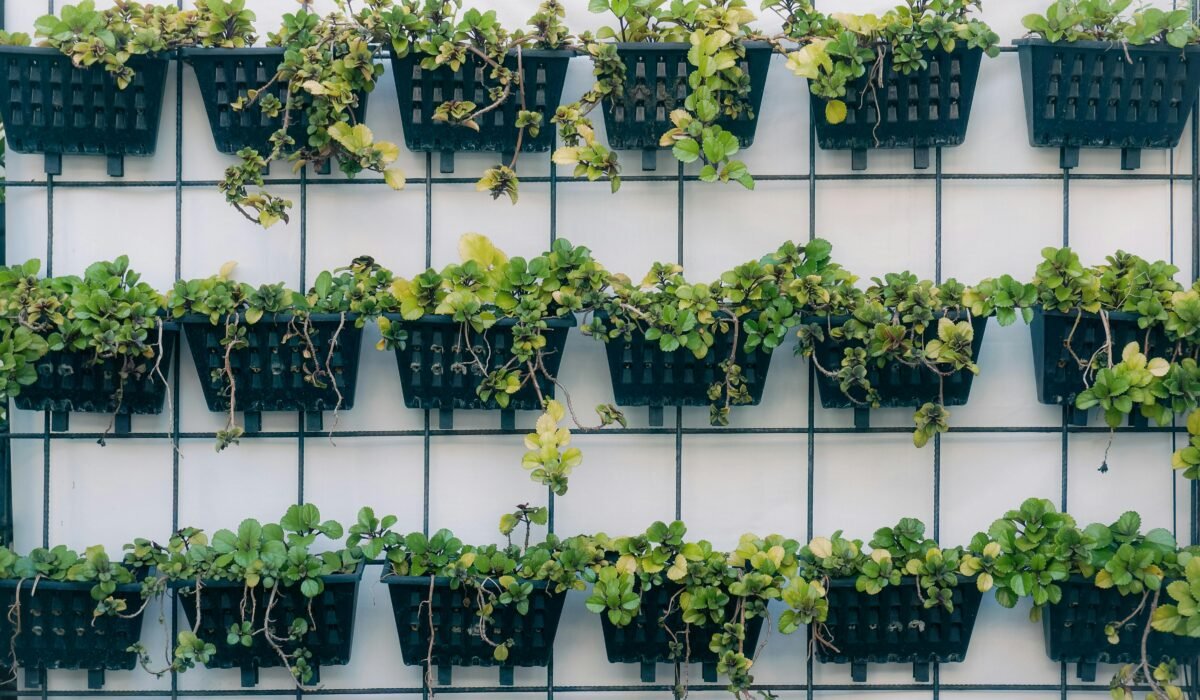
Vertical garden design is a game-changer for urban dwellers. Wall-mounted planters, trellises, and living walls allow you to grow a surprising amount of greenery without taking up precious floor space. You can easily find advanced vertical garden yield systems that maximize harvests even in tight spots.
- Pallet Gardens: Repurpose wooden pallets into multi-tiered planters for herbs or small flowers.
- Pocket Planters: Fabric wall planters with multiple pockets are excellent for growing herbs, succulents, or strawberries.
- Tiered Shelving: Sturdy shelving units can hold numerous small pots, creating a beautiful display and maximizing plant count. This is a great solution for terrace garden plant supports.
Smart Floor Space Utilization
Even on the floor, every inch counts. Consider mobile planters on wheels, which allow you to rearrange your layout or move plants to sunnier spots. Nesting tables or benches with integrated planters can serve dual purposes, offering seating and growing space. For those with small balcony garden ideas, this flexibility is invaluable.
What most people miss is that strategic placement can make a small space feel larger. Grouping plants of varying heights creates visual depth, while a single striking focal point can draw the eye and make the area feel more expansive. This approach is perfect for achieving gorgeous balcony garden succession planting.
Which Plants Are Best for an Urban Terrace Garden?
Choosing the right plants is fundamental to a thriving terrace garden, especially in an urban environment with unique challenges. The best plants are those that tolerate the specific conditions of your space – sun exposure, wind, and even pollution.
Hardy & Adaptable Plant Choices
Focus on plants known for their resilience. Succulents, herbs like rosemary and thyme, and many varieties of ornamental grasses are excellent choices. For edibles, consider cherry tomatoes, bush beans, lettuce, and radishes, which can produce well in containers. These are fantastic balcony plant ideas that provide both beauty and utility.
Edible & Ornamental Options
Many plants offer both aesthetic appeal and a harvest. Imagine fresh basil just steps from your kitchen, or colorful nasturtiums whose flowers and leaves are edible. Michael Pollan, an American author and food expert, reminds us that “The garden suggests there might be a place where we can meet nature halfway,” and edible gardens certainly fulfill that promise.
Consider the “Florida Friendly Landscaping™” principles promoted by the University of Florida, Institute of Food and Agricultural Sciences (UF/IFAS). While specific to Florida, their emphasis on choosing the right plant for the right place and sustainable practices is universally applicable for urban gardening tips.
Smart Water Management for Your Terrace Garden
Efficient water management is critical for the health of your terrace garden and for conserving resources. In urban settings, where water access might be limited or hose hookups unavailable, innovative solutions become essential.
Innovative Irrigation Systems for Urban Spaces
Advanced water management goes beyond simply watering by hand. Consider drip irrigation systems, which deliver water directly to the plant roots, minimizing evaporation. Self-watering planters with built-in reservoirs are a fantastic solution, especially for busy gardeners or those looking for watering solutions for balcony gardens.
Here’s a genuine insight: Many renters shy away from complex systems, but simple DIY options exist. You can create a basic drip system using repurposed plastic bottles with small holes, slowly releasing water over time. This approach aligns perfectly with sustainable terrace principles.
Rainwater Harvesting & Moisture Retention
For a truly sustainable approach, explore rainwater harvesting. Even a small barrel can collect enough water for your plants, especially during rainy seasons. Michael and Chasity’s Urban Farm, featured by Bonnie Plants, uses recycled burglar bars to create stands for their rain barrels, showcasing creative, budget-friendly solutions.
To further reduce water needs, incorporate mulch into your planters. A layer of straw, wood chips, or even gravel helps retain soil moisture, suppresses weeds, and regulates soil temperature. Using soil amendments like coco coir or vermiculite can also significantly improve water retention in your potting mix.
Budget-Friendly & Upcycled Terrace Garden Designs
Creating a beautiful and functional terrace garden doesn’t require a large budget. With a little creativity, you can transform discarded items into charming and practical elements for your urban oasis. This is where the real fun of DIY terrace garden on a budget comes in.
Repurposed Materials for Planters & Decor
Look around for items that can be given a second life. Old tires can be painted and stacked for large planters, wooden pallets can become vertical gardens or rustic benches, and even tin cans can be transformed into quirky herb pots. This significantly reduces costs and supports a sustainable terrace.
In practice, the possibilities are endless. Think about old crates, broken furniture, or even plumbing pipes for unique planting opportunities. Michael, the architect from Bonnie Plants’ Urban Farm example, is a master of using recycled materials, proving that salvaged items can lead to stunning designs.
DIY Planters & Container Ideas
Making your own planters allows for customization and saves money. Concrete blocks can be stacked to create raised beds or seating, while plastic bottles can be cut and strung together for simple hanging gardens. For more robust DIY planters, consider repurposing old wooden drawers or even an unused laundry basket lined with landscape fabric.
The global urban agriculture market is projected to reach $9.2 billion by 2026, with a strong focus on sustainability and local food production. Embracing upcycled designs not only saves money but also contributes to this growing movement by reducing waste and promoting resourcefulness.
How to Make Your Terrace Garden Look Good and Private?
Beyond functionality, your terrace garden should be an inviting and serene retreat. Achieving both aesthetic appeal and a sense of seclusion often requires strategic planning, especially when considering urban garden privacy.
Aesthetic Enhancement Through Design
To make your terrace garden look good, focus on creating layers and visual interest. Combine plants of different heights, textures, and colors. Add decorative elements like wind chimes, small statues, or string lights to create ambiance. The RHS Chelsea Flower Show’s balcony gardens, such as “The Addleshaw Goddard Junglette Garden,” are fantastic examples of creating serene, nature-integrated spaces in small areas.
A genuine insight here: What truly elevates a terrace garden is often a cohesive theme. Whether it’s a minimalist look, a vibrant jungle, or a rustic farm, having a central idea guides your plant and decor choices, making the space feel intentional and polished.
Privacy Solutions for Urban Terraces
Privacy is a common concern for urban gardeners. Taller plants, trellises with climbing vines, or bamboo screens can create effective visual barriers. You can also install lightweight, movable privacy screens that can be adjusted as needed. These solutions are perfect for enhancing your small balcony garden ideas while maintaining seclusion.
Another option is to use outdoor curtains or fabric panels. These offer flexibility, allowing you to open up the space when desired and close it for privacy or shade. For more permanent solutions, consider custom-built planters with integrated trellises around the perimeter, like those seen in Amber Freda’s Midtown Manhattan Rooftop Garden, which elegantly defines the space.
Seasonal Planning & Maintenance for Urban Terrace Gardens
A thriving terrace garden isn’t a one-time project; it’s an ongoing relationship with nature. Understanding seasonal planting schedules and consistent care routines are crucial for year-round success, especially in varied urban climates.
Year-Round Plant Care & Pest Management
Each season brings different needs. Spring is for planting and awakening, summer for growth and harvesting, autumn for clean-up and planting cool-season crops, and winter for protection and planning. Keep an eye out for urban pests; city environments can attract specific insects. Regularly inspect your plants and use organic pest control methods when necessary.
What most people miss is that urban gardens are often exposed to more pollutants. Regularly wiping down broad-leaved plants can help them photosynthesize more efficiently. Gertrude Jekyll, the British horticulturist, wisely noted, “The love of gardening is a seed that once sown never dies,” underscoring the continuous nature of garden care.
Winterizing Your Terrace Garden
In colder urban areas, winterizing your terrace garden is essential. Move tender plants indoors or into a sheltered spot. Insulate pots with bubble wrap or burlap, or consider covering them with frost cloth. For perennial herbs and vegetables, a thick layer of mulch can protect roots from freezing temperatures, ensuring a vibrant spring return.
This attention to detail ensures your plants survive and thrive, ready to produce again next season. For further reading on maximizing your harvest in smaller spaces, consider exploring Balcony Garden Succession Planting: Maximize Your Harvest.
Overcoming Disadvantages of Urban Terrace Gardening
While immensely rewarding, urban terrace gardening comes with its unique set of challenges. Addressing these head-on ensures your efforts lead to a flourishing green space rather than frustration.
Addressing Common Urban Gardening Hurdles
One primary concern is the limited space itself. This is why vertical garden ideas for urban spaces are so popular. Another hurdle is exposure to harsh elements like strong winds, intense sun, or even reflected heat from surrounding buildings. Todd Haiman’s advice on wind-loading for tall buildings is particularly relevant here; consider windbreaks or sturdy supports for taller plants.
Weight is another significant disadvantage. Using lightweight potting mixes, fabric grow bags, and strategically placing heavier items over load-bearing walls can mitigate this. The good news is that solutions exist for almost every problem, making urban gardening accessible to more people.
Leveraging Urban Opportunities
Despite the challenges, urban gardening offers unique advantages. Proximity to your kitchen means fresh produce is always at hand, leading to average household savings of $600-$900 per year on produce. This economic benefit is a strong motivator for many urban dwellers.
Furthermore, urban agriculture has seen a 340% growth since 2020, with 23% of urban households engaging in food production. Projects like OrtiAlti in Milan, which transformed over 10,000 square meters of rooftop into productive gardens, demonstrate the massive potential and community benefits of urban green spaces. These initiatives not only provide fresh food but also improve air quality and connect city residents with nature.
Frequently Asked Questions
How do I layout my terrace garden?
To layout your terrace garden, start by assessing sunlight, wind, and the structural load capacity of your space. Sketch a plan, identifying zones for different plant types and activities, then prioritize vertical gardening and multi-functional elements to maximize limited urban space.
Which plants are best for terrace garden?
The best plants for a terrace garden are hardy, adaptable varieties that tolerate urban conditions like wind and varying sun exposure. Consider herbs (rosemary, thyme, basil), leafy greens (lettuce, spinach), small fruiting plants (cherry tomatoes, strawberries), and resilient ornamentals like succulents or ornamental grasses.
How do I make my terrace garden look good?
To make your terrace garden look good, focus on creating visual interest with varying plant heights, textures, and colors. Incorporate decorative elements like lighting, art, and stylish planters, and maintain a consistent design theme to create a cohesive and inviting urban oasis.
What are the disadvantages of terrace garden?
The main disadvantages of a terrace garden include limited space, weight restrictions on the structure, exposure to harsh urban elements like wind and pollution, and potential challenges with water access. However, these can be overcome with smart planning, vertical gardening, and choosing resilient plants.
Transforming your urban terrace into a vibrant garden is an incredibly rewarding endeavor, offering fresh produce, a serene escape, and a deeper connection to nature. By embracing smart design, sustainable practices, and creative problem-solving, you can craft a personalized outdoor space that thrives. Don’t let urban constraints limit your green dreams; start planning your ideal Terrace Garden Layout Ideas today and watch your urban oasis come to life.