Are your terrace plants looking a little sad, despite your best efforts? Mastering a precise terrace garden watering schedule is often the missing piece for lush, thriving container plants. This guide will reveal the unique challenges of urban gardening and equip you with expert strategies to ensure your balcony plants receive optimal hydration, leading to happier, healthier growth.
Why is a Terrace Garden Watering Schedule Unique?
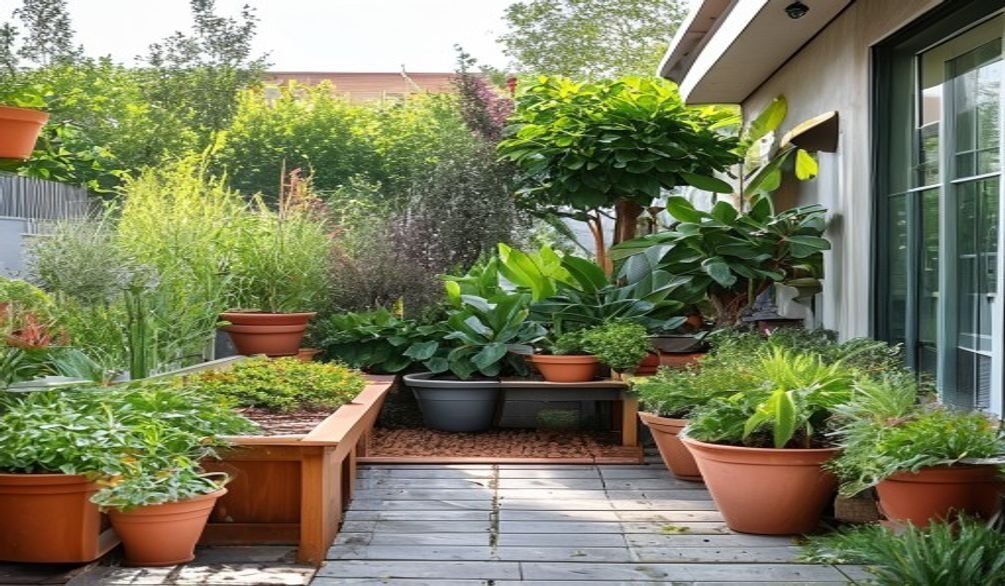
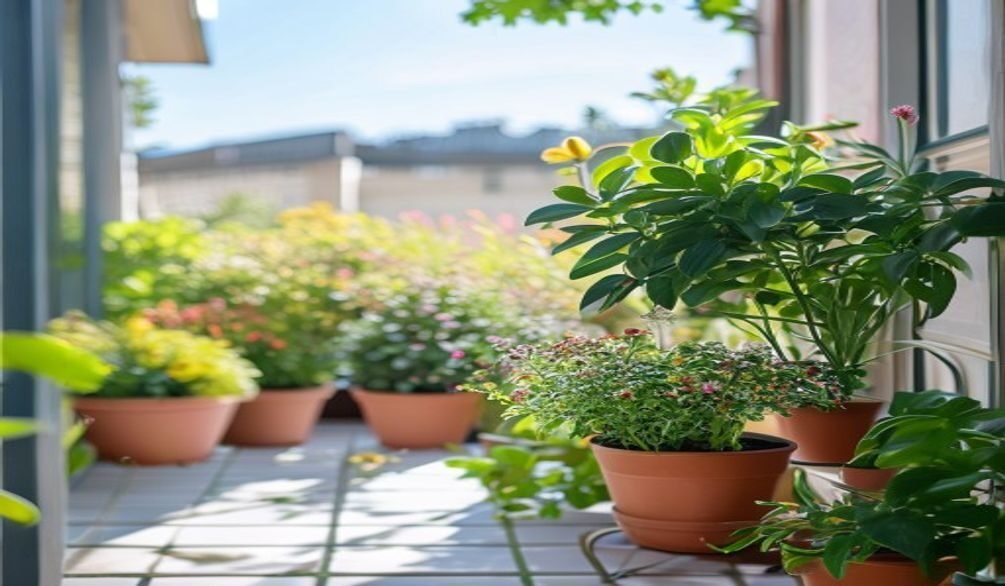
Terrace gardens, including balcony and rooftop setups, face distinct environmental challenges that significantly impact their watering needs. Unlike in-ground gardens, container plants are more exposed to elements and have limited soil volume, meaning they often require more frequent and careful potted plant hydration.
Here’s the thing: urban microclimates can be harsh. Concrete and brick surfaces reflect intense heat, raising ambient temperatures around your plants. Combined with increased wind exposure common on elevated terraces, moisture evaporates from soil and leaves much faster, making a consistent balcony plant care routine crucial. This heightened evaporation rate means terrace gardens generally need more water than their in-ground counterparts.
What most people miss is that the container itself plays a huge role. Smaller pots dry out faster, and terracotta pots, while attractive, are porous and lose moisture through their walls. Choosing the best containers for beginner gardeners means understanding how material and size affect your watering routine.
How Often Should You Water Your Terrace Plants?
The short answer is: it depends. There’s no one-size-fits-all rule for how often you should water your terrace garden, as factors like plant type, container size, soil mix, and weather conditions all play a part. However, a good starting point is to check your plants daily, especially during hot weather or peak growing seasons.
The OSU Extension Service advises to water when the top 1-2 inches of soil is dry. Stick your finger into the soil up to the first knuckle; if it feels dry, it’s time to water. This simple method, also recommended by Penn State Extension, is far more reliable than a fixed schedule, helping you adjust to changing conditions and prevent both underwatering and overwatering signs.
In practice, many container plants in warm, sunny terrace environments may need watering once a day, and sometimes even twice during extreme heat waves. Smaller pots or plants with high water demands (like many vegetables) will dry out quicker than large containers or drought-tolerant species.
Signs Your Potted Plants Need Water (or are Overwatered)
Learning to read your plants is key to a successful terrace garden watering schedule. Your plants will tell you exactly what they need if you pay attention. Being able to identify these signals can prevent serious stress or even plant death.
Signs Your Potted Plants Need Water:
- Wilting Leaves: This is the most obvious sign. Leaves will droop, looking limp and lifeless. While dramatic, plants often perk up quickly after a good drink.
- Dry, Crumbly Soil: The soil surface will look light in color and pull away from the edges of the pot. When you poke your finger in, it will feel completely dry.
- Lightweight Pot: Lift the pot; if it feels unusually light, it’s a strong indicator the soil has lost most of its moisture.
- Slowed Growth: Chronic underwatering can lead to stunted plant growth and fewer blooms or fruits.
Signs Your Potted Plants are Overwatered:
Overwatering is often more detrimental than underwatering, as it can lead to root rot. Andrew Holsinger, University of Illinois Extension horticulture educator, reminds us that proper drainage is just as important as the amount of water added to the container.
- Yellowing Leaves: Leaves turn yellow, often starting from the bottom, and may feel soft or mushy.
- Stunted Growth with Wilting: Paradoxically, overwatered plants can also wilt because their roots are suffocating and can’t absorb water effectively.
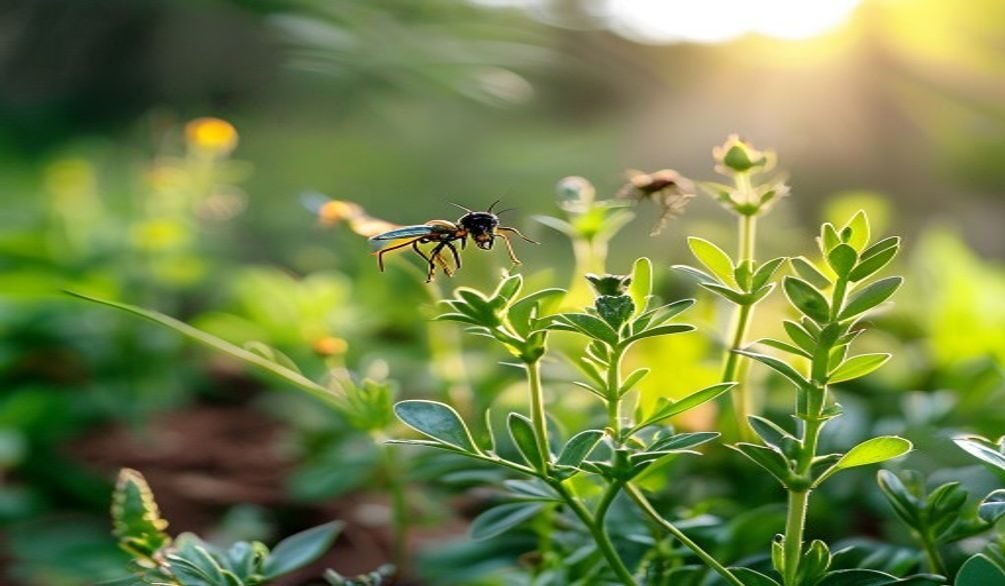
- Fungus Gnats: These small flies are attracted to consistently damp soil, indicating too much moisture.
- Moldy Soil Surface: A green or white mold on the soil surface is a clear sign of excessive moisture.
- Root Rot: If you unpot the plant, the roots will be brown, soft, and smell foul, instead of firm and white.
The Best Ways to Water Container Plants on a Terrace
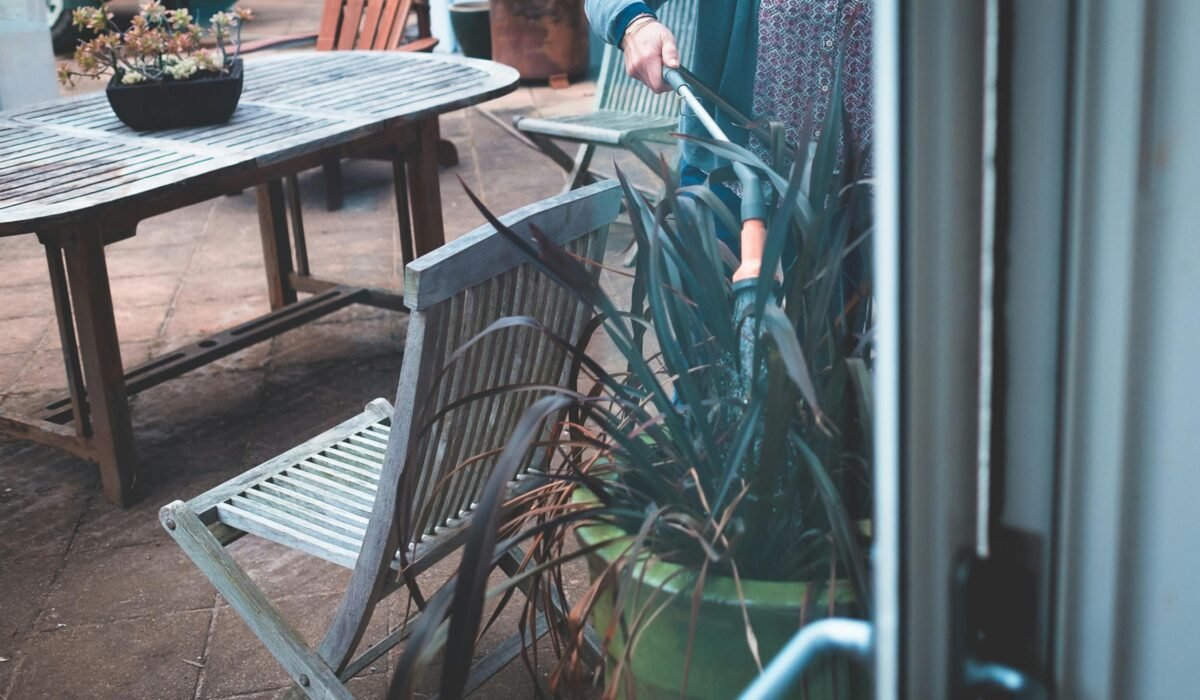
Efficiently watering container plants on a terrace involves more than just pouring water. The goal is to ensure thorough saturation of the root ball while minimizing waste and preventing issues like leaf diseases. The University of Minnesota Extension highlights the importance of watering slowly and deeply at the plant roots, not the leaves.
Top Watering Techniques:
- Top Watering (Slow & Deep): Water slowly until it drains out the bottom of the pot. This ensures the entire root zone is hydrated. The OSU Extension Service recommends emptying saucers to prevent root rot, as standing water can create an anaerobic environment.
- Bottom Watering: For plants that prefer consistent moisture or are sensitive to wet leaves, place the pot in a saucer or tray filled with water. The plant will absorb water through the drainage holes. Remove after 20-30 minutes, or once the topsoil feels moist.
- Drip Irrigation Terrace Systems: For multiple containers, a sustainable irrigation method like a drip system is highly efficient. These systems deliver water directly to the plant’s root zone, reducing evaporation and runoff. Drip irrigation can reduce water consumption by up to 60% compared to traditional methods, according to studies. Brands like Dripworks and Mister Landscaper offer popular kits for patios and balconies.
- Self-Watering Pots & Containers: These innovative solutions feature a reservoir that supplies water to the soil as needed, reducing the frequency of manual watering. AquaPots, for example, are known for providing consistent moisture and often only need refilling once a week. Self-watering containers can reduce water waste by 30-50%.
Consider using a soil moisture meter to take the guesswork out of watering. Brands like Xlux and Gouevn offer easy-to-use meters that give instant readings, helping you know exactly when your potted plants need hydration.
Smart Watering Solutions & Automation for Terrace Gardens
For busy urban gardeners, smart watering solutions offer convenience and efficiency, ensuring your plants thrive even when you’re not constantly monitoring them. The global garden watering systems market, valued at USD 4,599.6 million in 2024, is projected for significant growth, largely driven by the adoption of smart irrigation systems.
Automating Your Terrace Garden Watering Schedule:
- Smart Irrigation Controllers: Devices like the Rachio 3 Smart Sprinkler Controller or Netro Sprite Smart Sprinkler Controller connect to your Wi-Fi and automate watering based on local weather data. They offer remote access via apps, allowing you to adjust your automatic watering system for balcony plants from anywhere. Many are EPA WaterSense certified for efficiency.
- Timers: Simple hose-end timers can be set to water your drip system or soaker hoses at specific intervals. While less “smart” than app-controlled systems, they are a cost-effective way to automate basic watering.
- Self-Watering Containers with Indicators: Some self-watering pots include visual indicators that show the water level in the reservoir, making it easy to know when to refill. These are excellent for consistent urban gardening water management.
- Capillary Matting Systems: For smaller plants or seed trays, capillary mats can provide consistent moisture from below, drawing water up into the pots.
In 2025, a survey revealed that nearly 30% of gardeners preferred drip irrigation for its efficiency and water conservation benefits, highlighting a growing trend towards automated, water-wise solutions for balcony garden watering tips.
Advanced Water Conservation for Terrace Gardens
Maximizing water efficiency is crucial for sustainable urban gardening, especially given the rapid drying experienced by heat stress plants in containers. Beyond basic practices, several advanced techniques can significantly reduce your water footprint.
Key Water Conservation Tips:
- Mulching: Applying a layer of organic mulch (like straw, wood chips, or shredded leaves) to the top of your container soil can reduce evaporation by 10-50%. This helps maintain soil moisture and regulates soil temperature.
- Olla Irrigation: This ancient, highly efficient method involves burying unglazed clay pots (ollas) in the soil. Water slowly seeps out, allowing plants to draw moisture as needed through capillary action, saving 50% to 70% in water.
- Fabric Containers: Smart Pot fabric containers are recommended for their ability to allow even moisture absorption and aeration, while also offering excellent drainage to prevent waterlogging. This creates a healthier root environment, reducing the need for excessive watering.
- Rainwater Harvesting (Small Scale): For a terrace, even a small rain barrel or collection system can gather enough rainwater to supplement your watering needs. Rainwater is naturally soft and free of chlorine, making it excellent for plants.
- Grouping Plants: Placing plants with similar watering needs together can create a localized microclimate, slightly increasing humidity and reducing overall water loss.
Implementing these water conservation tips not only benefits the environment but also reduces the frequency of manual watering, making your terrace garden more manageable.
Keeping Terrace Plants Hydrated While You’re Away
Going on vacation doesn’t have to mean returning to a dehydrated terrace garden. With a little planning, you can ensure your container plant watering needs are met even in your absence.
Strategies for Hydration While Away:
- Move Plants to a Shady Spot: If possible, group your pots together in the coolest, shadiest area of your terrace. This significantly reduces evaporation and minimizes heat stress plants.
- Self-Watering Systems: This is where self-watering pots and drip irrigation terrace systems truly shine. Ensure reservoirs are full or timers are set before you leave. Gardena offers smart watering systems specifically for balconies without a tap.
- Wick Systems: Create a DIY wick system by placing one end of a cotton or nylon rope into a water reservoir (like a bucket) and burying the other end in the plant’s soil. The wick will slowly draw water to the plant.
- Water-Retaining Gels/Crystals: These products can be mixed into the soil to absorb and slowly release water, extending the time between waterings. Use sparingly and according to instructions.
- Bathing Tub Method: For a short trip (a few days), you can place smaller potted plants in a shallow layer of water in a bathtub or large tray. Ensure the water level is below the drainage holes to prevent waterlogging.
- Ask a Friend: The most reliable method for longer absences is to have a trusted friend or neighbor check on your plants and follow your established terrace garden watering schedule. Provide clear instructions and demonstrate the “finger test.”
Combining several of these methods can provide robust protection against dehydration, ensuring your urban gardening water efforts don’t go to waste.
Tailoring Your Watering Schedule to Specific Terrace Plants
While general guidelines are helpful, a truly effective terrace garden watering schedule acknowledges that different plants have different thirst levels. A DIY balcony herb spiral, for example, might have varying needs across its tiers.
Consider Plant Type:
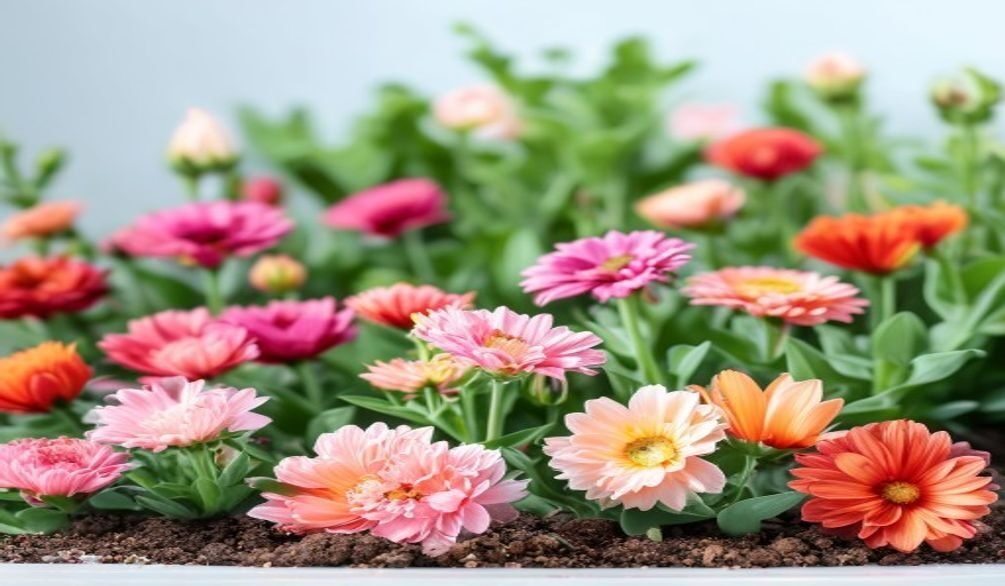
- High-Water Plants: Many vegetables (like tomatoes, peppers, cucumbers), flowering annuals (petunias, impatiens), and tropical plants require consistently moist soil. They may need daily watering, especially in hot weather. Penn State Extension notes that vegetables and herbs in containers smaller than 10 inches need more regular watering. This is crucial for a successful watering schedule for vegetable terrace garden.
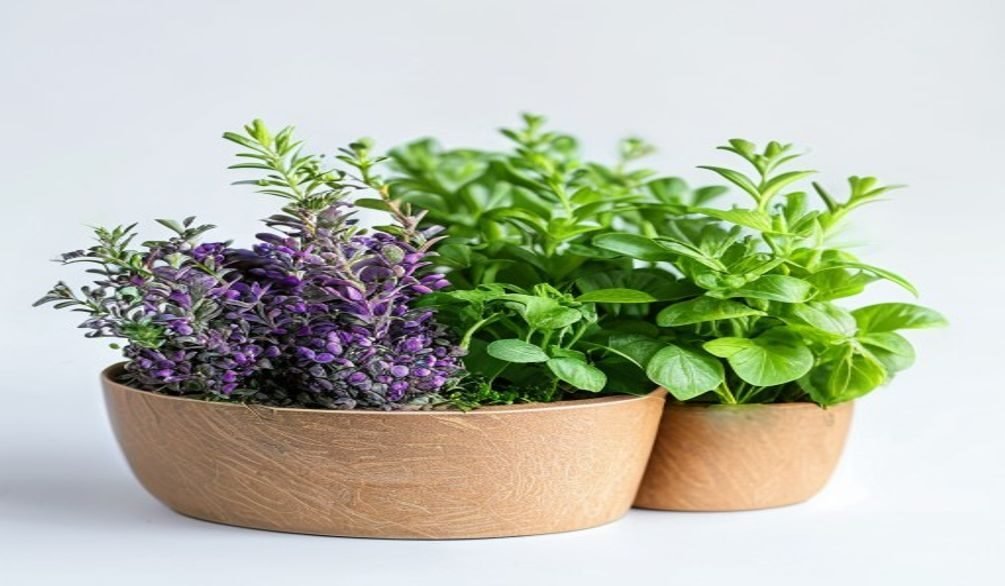
- Moderate-Water Plants: Most herbs (rosemary, thyme, lavender once established), many perennials, and some flowering plants fall into this category. They prefer the top inch or two of soil to dry out before rewatering.
- Low-Water Plants: Succulents, cacti, and many Mediterranean herbs thrive on less water. Allow their soil to dry out almost completely between waterings to prevent overwatering signs and root rot.
Factors Affecting Individual Plant Needs:
- Plant Size: Larger plants with more foliage transpire more water.
- Container Size: Smaller containers dry out faster than larger ones.
- Growth Stage: Young seedlings and fruiting plants often need more consistent moisture than mature plants or those not actively producing.
- Sun Exposure: Plants in full sun will dry out much faster than those in partial shade.
Kyla suggests checking in on your veggie garden morning and night to familiarize yourself with the nuances of your growing space and ensure water reaches the roots. This hands-on approach helps you fine-tune your container plant watering for every individual plant.
Frequently Asked Questions
How often should I water my terrace garden?
You should water your terrace garden when the top 1-2 inches of soil feels dry to the touch, which often means daily during hot weather, especially for container plants. Always check the soil moisture with your finger before watering, rather than relying on a fixed schedule, as conditions vary greatly.
How do you know when to water a potted plant?
To know when to water a potted plant, observe for wilting leaves, check if the soil surface is dry and pulling away from the pot, and lift the pot to see if it feels unusually light. These are clear indicators that your plant needs hydration, while yellowing leaves or a moldy soil surface can signal overwatering.
What is the best way to water container plants?
The best way to water container plants is slowly and deeply at the base of the plant until water drains from the bottom, ensuring the entire root ball is saturated. Utilizing drip irrigation terrace systems or self-watering pots can also provide efficient and consistent potted plant hydration, especially for multiple containers.
How do you keep potted plants hydrated while away?
To keep potted plants hydrated while away, move them to a shady spot, ensure self-watering pots are full, set up a drip irrigation system with a timer, or use DIY wick systems. For longer absences, asking a friend or neighbor to follow your terrace garden watering schedule is the most reliable method.
Mastering your terrace garden watering schedule is a continuous learning process, but one that yields incredibly rewarding results: vibrant, healthy plants that thrive in their urban environment. By understanding the unique challenges of container gardening, employing smart techniques, and paying close attention to your plants’ needs, you’re well on your way to a flourishing terrace oasis. Start implementing these expert strategies today, and watch your plants transform.