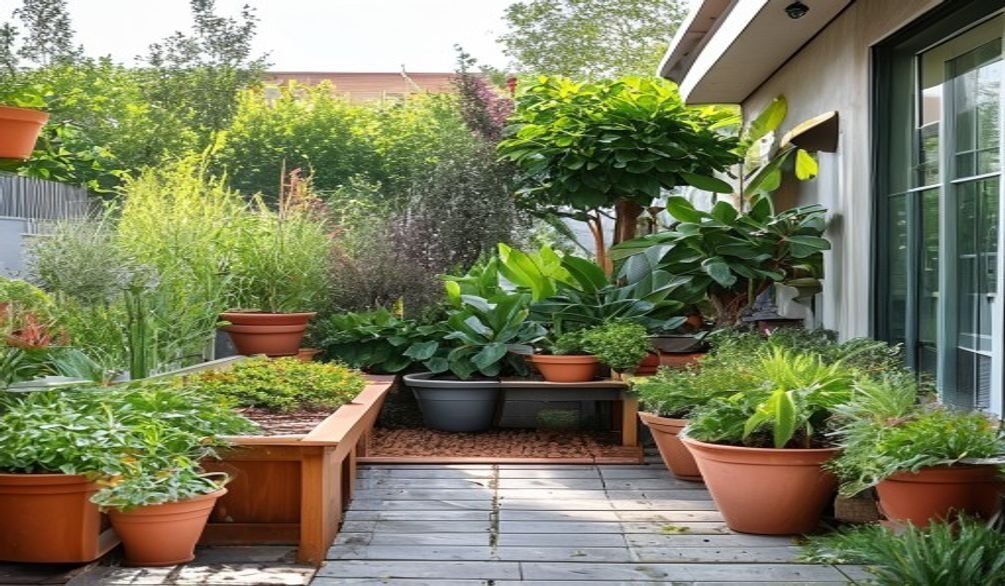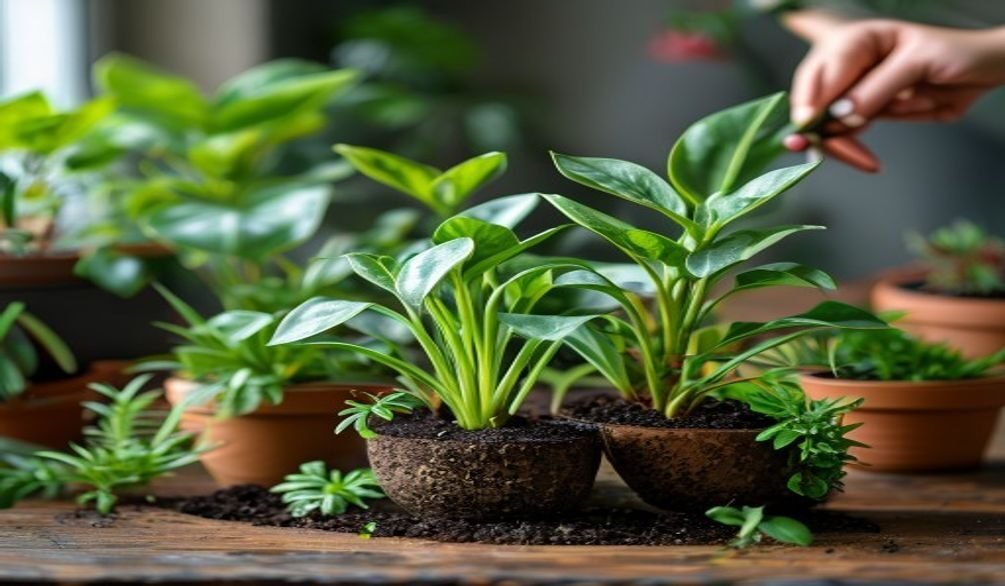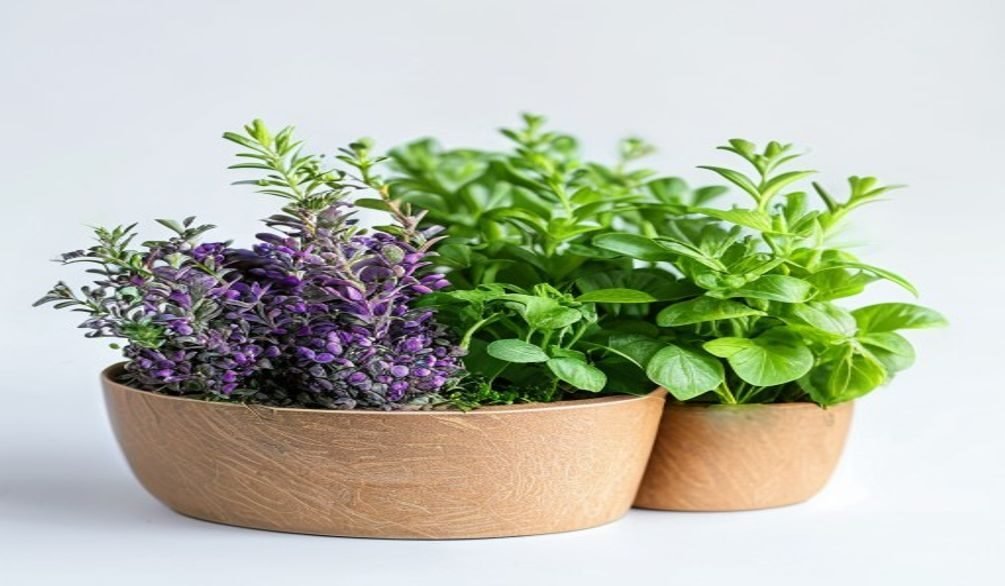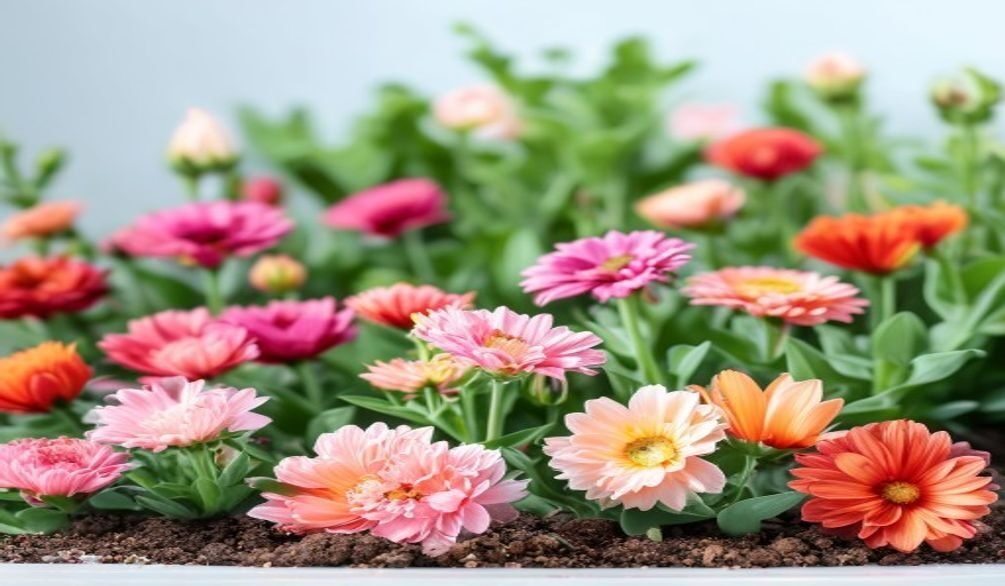
Are you wondering which containers will give your budding garden the best start? Choosing the Best Containers for Beginner Gardeners can feel overwhelming with so many options, but selecting the right pots is crucial for healthy plant growth and an enjoyable gardening experience. This guide will simplify the choices, helping you pick containers that ensure your plants thrive and your green thumb truly blossoms.
Why Choose Container Gardening as a Beginner?
Container gardening offers an incredibly accessible entry point for anyone new to growing plants. It’s a fantastic way to learn the basics without committing to a large in-ground garden, making it ideal for urban dwellers or those with limited space. This method allows you to control the soil, water, and sunlight exposure much more precisely than traditional gardening.
One of the biggest advantages is its flexibility. You can easily move your plants to optimize sunlight, protect them from harsh weather, or even redecorate your patio or balcony. This adaptability is particularly helpful when you’re still figuring out the best spots for different plants. For those starting out, the ability to experiment and learn from immediate results without major upheaval is invaluable, making it a cornerstone of small space gardening.
What most people miss is that container gardening also minimizes common garden pests and diseases that might plague in-ground beds, simply because your plants are elevated and isolated. This means fewer headaches and more success for your initial attempts, boosting your confidence as a gardener.
What Are the Best Container Materials for Beginners?
When selecting your first garden pots, the material plays a significant role in plant health and maintenance. Each material has unique properties that affect drainage, temperature, and durability. Understanding these differences is key to making an informed choice for your easy garden pots.
Plastic Containers
Plastic pots are arguably the most popular choice for beginners due to their affordability, lightweight nature, and wide availability. They retain moisture well, meaning you might not need to water as frequently, which is a bonus for busy gardeners. Modern plastic pots come in various colors and styles, often mimicking more expensive materials, and many are designed to be UV-resistant to prevent brittleness over time.
However, plastic can heat up quickly in direct sun, potentially stressing roots. Opt for lighter-colored plastic containers in hot climates to reflect some of the heat. Look for those made from recycled materials for an eco-friendlier option.
Terracotta (Clay) Pots
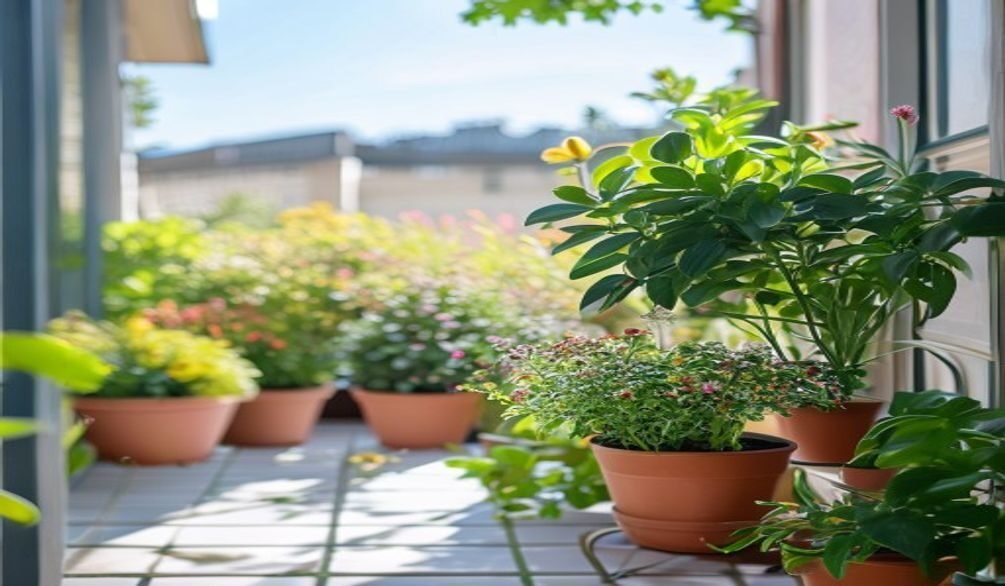
Terracotta pots offer a classic aesthetic and excellent breathability. Their porous nature allows air and moisture to pass through the pot walls, which helps prevent overwatering and promotes healthier root systems. This breathability is particularly beneficial for plants that prefer drier soil conditions or are prone to root rot.
The downside is that terracotta dries out much faster than plastic, requiring more frequent watering, especially during hot, dry periods. They are also heavier and more fragile, making them prone to cracking if dropped or exposed to freezing temperatures without protection. If you live in a cold climate, choose frost proof containers or plan to bring them indoors for winter.
Fabric Grow Bags
Fabric grow bags are a relatively newer option that has gained immense popularity, especially for vegetable container gardening. Made from breathable, non-woven fabric, they offer superior aeration to the root zone, preventing root circling and encouraging fibrous root growth. The material also air-prunes roots, naturally stopping them from growing too long and instead promoting branching.
These bags are lightweight, collapsible for easy storage, and relatively inexpensive. Like terracotta, they can dry out faster than plastic, but their benefits for root health often outweigh the increased watering frequency. Many experienced gardeners recommend these for vigorous plants like tomatoes or potatoes.
Wood Containers
Wooden containers, such as whiskey barrels or cedar planters, provide a rustic charm and good insulation against temperature fluctuations. Wood is naturally porous and allows for good air circulation. They are also quite durable, especially if made from rot-resistant woods like cedar or redwood.
The main drawbacks include weight, cost, and the potential for rot over time, even with treated wood. If using treated wood, ensure it’s safe for edible plants – look for food-grade liners or untreated options. For beginners, wood might be a slightly larger investment and commitment, but they offer excellent long-term performance.
How Does Container Size Impact Plant Growth?
The size of your container is not just about aesthetics; it’s a critical factor directly influencing your plant’s ability to grow, thrive, and produce. Too small a pot will stunt growth, while an excessively large one can lead to overwatering issues. Think of the pot as your plant’s personal growth chamber.
A good rule of thumb is to choose a container that can comfortably accommodate the mature root system of your chosen plant. For beginners, it’s often better to err on the side of slightly larger rather than too small. This provides more soil volume, which means more nutrients and moisture retention, giving you a wider margin for error with watering. You can often find a helpful container size chart online or at your local nursery to guide your choices.
General Container Size Guidelines:
- Herbs & Leafy Greens (Lettuce, Spinach, Basil): 6-8 inch diameter pots are often sufficient.
- Smaller Flowers (Marigolds, Pansies): 6-10 inch diameter pots.
- Bush Beans, Peppers, Eggplant: 10-14 inch diameter pots.
- Tomatoes, Squash, Cucumbers: Require larger pots, typically 15-20 inch diameter or 5-gallon capacity minimum. These are hungry plants!
- Root Vegetables (Carrots, Radishes): Need pots deep enough for their roots, usually 10-12 inches deep.
What most people miss is that the volume of soil directly impacts how long moisture and nutrients are available to the plant. A small pot dries out rapidly, demanding daily watering in warm weather, while larger containers provide more buffer. This is a crucial container gardening tip for success.
Terracotta vs. Plastic: Which is Better for Beginners?
The debate between terracotta and plastic pots is common, especially for those just starting out. Both have distinct advantages and disadvantages that cater to different gardening styles and climates. The “best” choice really depends on your specific needs and the plants you intend to grow.
Terracotta pots, with their porous nature, are excellent for plants that prefer drier conditions or are susceptible to root rot, such as succulents, herbs, and some Mediterranean vegetables. They promote aeration and help prevent overwatering because excess moisture can evaporate through the clay walls. However, this also means they dry out much faster, requiring more frequent watering, often daily in hot, sunny conditions. As the UC Master Gardeners of Santa Clara County note, clay pots dry out faster than plastic pots because of their porous material, which allows for evaporation [cite: 5].
Plastic pots, on the other hand, retain moisture much more effectively. This can be a huge advantage for beginners who might forget to water frequently or for plants that prefer consistently moist soil, like many leafy greens or moisture-loving annuals. They are also lighter, cheaper, and more durable than terracotta, making them easier to move and less prone to breaking. The downside is that they can lead to waterlogged soil if not managed carefully, and dark plastic can absorb excessive heat, potentially harming roots.
For most beginner gardeners, plastic containers are often the more forgiving option due to their moisture retention and durability. They require less vigilant watering and are less likely to break. However, if you are growing plants that thrive in well-drained, slightly drier conditions, or if you appreciate the classic look, terracotta is a beautiful choice, provided you commit to more frequent watering.
Essential Drainage Tips for Healthy Container Plants
Proper drainage is non-negotiable for healthy container plants. Without it, water sits at the bottom of the pot, suffocating roots and leading to root rot, the silent killer of many beginner gardens. Every container, regardless of material, absolutely must have drainage holes for pots.
When selecting containers, always check for ample drainage holes at the bottom. A single small hole is often not enough for larger pots; multiple holes are ideal. If your chosen container lacks holes, you’ll need to drill them yourself before planting. For plastic, a drill with a standard bit works well. For terracotta, use a masonry bit and drill slowly to prevent cracking.
To ensure excellent drainage:
- Choose Pots with Holes: This is the most critical step. Never use a container without drainage.
- Avoid Pot Shards or Gravel at the Bottom: Contrary to popular belief, adding a layer of gravel or broken pot pieces at the bottom of a container does not improve drainage. Instead, it creates a “perched water table,” where water accumulates just above the gravel layer, still leading to soggy roots. This is a common misconception that harms plants.
- Use a Quality Potting Mix: A good potting mix designed for containers will be lighter and drain better than garden soil. It typically contains perlite, vermiculite, or peat moss to improve aeration and drainage, which is vital for preventing a drainage holes container garden from becoming waterlogged.
- Elevate Your Pots: Place your containers on pot feet, bricks, or a stand to lift them slightly off the ground. This allows water to freely drain out of the bottom holes and prevents them from getting clogged by the surface below.
In practice, ensuring good drainage is one of the easiest ways to prevent common beginner mistakes and give your plants the best chance at success.
Choosing the Right Plants for Your Containers
Once you’ve got your containers sorted, the next exciting step is selecting the plants for containers that will thrive in your new setup. Not all plants are equally suited for container life, especially if you’re just starting out. The key is to pick varieties that are naturally compact, have shallow root systems, or are specifically bred for container growing.
For beginner container plants, consider options known for their resilience and relatively low maintenance. Many herbs, like basil, mint, and chives, are excellent choices, as are leafy greens such as lettuce, spinach, and Swiss chard. These typically have modest root requirements and provide quick harvests, offering gratifying early success.
Great Beginner-Friendly Plants for Containers:
- Herbs: Basil, mint, chives, parsley, oregano, thyme.
- Leafy Greens: Loose-leaf lettuce, spinach, arugula, kale, Swiss chard.
- Vegetables: Bush beans, radishes, carrots (short varieties), bell peppers, determinate tomatoes (bush varieties), cherry tomatoes.
- Flowers: Marigolds, petunias, impatiens, nasturtiums, coleus.
When choosing plants, always check their mature size and sun requirements. A plant that needs full sun won’t thrive in a shady spot, even in the perfect pot. This careful pairing of plant to container and environment is a fundamental container gardening tip.
For more specific advice on growing particular plants in containers, resources like The Old Farmer’s Almanac offer excellent guides, such as their “Vegetable Container Gardening for Beginners” [cite: 1], which often includes variety recommendations.
Beyond the Basics: Potting Mix, Watering, and Placement
Mastering container gardening goes beyond just the pot itself; the right potting mix, consistent watering, and thoughtful placement are equally vital. These elements work together to create the ideal environment for your plants to flourish.
Potting Mix Matters
Never use garden soil in containers. Garden soil is too dense, compacts easily, and doesn’t drain well in a confined space, leading to root suffocation. Instead, always opt for a high-quality potting mix for beginners specifically formulated for containers. These mixes are lighter, sterile, and designed to provide excellent drainage and aeration while retaining enough moisture and nutrients. Some premium mixes even include slow-release fertilizers, giving your plants a good head start.
Consider enriching your potting mix with a balanced, slow-release granular fertilizer or by incorporating compost for added nutrients. Understanding your soil’s pH can also be beneficial, and you can learn more about it in our guide: Understanding Soil pH: Simple Guide for Beginners.
Watering Wisdom
Watering is perhaps the most frequent task in container gardening, and getting it right is crucial. Because containers dry out faster than in-ground gardens, consistent watering is essential. The general rule is to water when the top inch or two of soil feels dry to the touch. Water thoroughly until you see water draining from the bottom holes, indicating that the entire root ball has been moistened.
Factors like weather, container material, plant size, and potting mix all influence watering frequency. On hot, windy days, some plants may need watering twice daily. In cooler weather, every few days might suffice. Remember that newly planted seedlings or small plants require less water than mature, fruit-bearing plants. This is a critical aspect of vegetable container gardening tips.
Strategic Placement
Where you place your containers can make or break your garden’s success. Most edible plants and many flowers require at least 6-8 hours of direct sunlight per day. Observe your space throughout the day to identify the sunniest spots.
Consider the wind, too. Strong winds can dehydrate plants quickly and even knock over lighter pots. If you have a particularly windy spot, choose heavier containers or group them together for stability. For those with limited space, strategic placement can turn a small balcony into a thriving oasis; explore ideas in our Balcony Garden Tool Storage Solutions to maximize your area, or consider Terrace Garden Layout Ideas for larger urban spaces.
Our Top Recommended Containers for Beginner Gardeners
Based on ease of use, plant health benefits, and overall beginner-friendliness, we have a few top recommendations for easy garden pots that will set you up for success.
For versatility and affordability, high-quality plastic nursery pots or decorative plastic planters are hard to beat. Look for brands that offer UV protection and sturdy construction. They are lightweight, retain moisture well, and come in a vast array of sizes and colors. Always ensure they have adequate drainage holes.
If you’re growing vegetables or have plans for larger plants, fabric grow bags are an excellent investment. Brands like Smart Pot or Vivosun offer durable fabric bags in various sizes, from 1-gallon for herbs to 15-gallon for tomatoes or small fruit trees. Their superior aeration qualities make them a favorite among experienced and new gardeners alike.
For a classic look and moisture-sensitive plants, a sturdy, glazed ceramic pot can offer some of the benefits of terracotta (breathability, though less so if glazed) with better moisture retention. While often pricier, a good quality glazed pot can last for many years and add a beautiful touch to your garden design. Remember to choose Best Containers for Beginner Gardeners that align with your plant’s needs and your personal gardening style.
Frequently Asked Questions
What is the best container for beginner gardeners?
For beginner gardeners, plastic containers or fabric grow bags are generally the best choices. Plastic pots are affordable, lightweight, and retain moisture well, making them forgiving for new gardeners. Fabric grow bags offer excellent aeration for roots and are also lightweight and relatively inexpensive, especially good for vegetables.
What is the best material for a garden container?
The best material for a garden container depends on your plant’s needs and your watering habits. Plastic is excellent for moisture retention and durability, while terracotta offers superior breathability, ideal for plants that prefer drier soil. Fabric grow bags provide unmatched root health benefits through air-pruning and aeration.
What is the best size for a garden container?
The best size for a garden container depends entirely on the mature size of the plant you intend to grow. Small herbs and flowers might thrive in 6-8 inch pots, while larger vegetables like tomatoes require at least 15-20 inch diameter containers or 5-gallon capacities to support their extensive root systems and fruit production.
Why do terracotta pots dry out faster than plastic pots?
Terracotta pots dry out faster than plastic pots because they are made from porous clay. This porous material allows water to evaporate not just from the soil surface, but also through the walls of the pot itself. Plastic, being non-porous, only allows evaporation from the soil surface, thus retaining moisture for longer periods.
Choosing the right containers is the first step on a rewarding journey into gardening. By understanding the basics of materials, sizes, drainage, and plant selection, you’re well-equipped to create a thriving container garden. Pick your pots with confidence, fill them with happy plants, and enjoy the vibrant beauty and fresh harvests that await you.