Ever wondered how to transform a patch of bare ground or a sunny balcony into a thriving source of fresh produce? Learning how to plan a vegetable garden effectively is the crucial first step to cultivating your own delicious food. This comprehensive guide will walk you through every essential decision, helping you design a productive plot that brings your gardening dreams to life.
How Do I Start a Vegetable Garden for Beginners?
Starting a vegetable garden can feel overwhelming, but it doesn’t have to be. The easiest way to plan a garden and ensure success is to begin small and choose easy-to-grow vegetables. Don’t try to plant everything under the sun in your first year.
As lifestyle expert and garden designer P. Allen Smith wisely advises, “Don’t be afraid to start small. A well-planned 4×4 foot raised bed can produce a surprising amount of food for a family.” Think about what you love to eat and what will give you the most satisfaction. High-yield crops like bush beans, lettuce, radishes, and cherry tomatoes are excellent choices for beginners.
Consider starting with just a few herbs or a single raised bed. This approach makes the learning curve manageable and boosts your confidence with early successes. Remember, every expert gardener started as a beginner.
What Are the Essential Steps to Plan Your Vegetable Garden?
Successfully planning a vegetable garden involves a thoughtful, methodical approach. These steps ensure you cover all critical aspects before you even put a seed in the ground, leading to a more productive and enjoyable gardening experience.
-
Assess Your Site: Before anything else, understand your available space, sunlight, and existing soil conditions. This fundamental step dictates what you can realistically grow.
-
Determine Garden Size & Type: Decide how big your garden will be and whether you’ll opt for in-ground rows, raised beds, or containers. Starting small is always a good idea for new gardeners.
-
Choose Your Vegetables: Select plants that thrive in your climate zone and that your family genuinely enjoys eating. Consider their mature size and specific needs.
-
Map Your Layout: Create a visual representation of where each plant will go, accounting for plant spacing, sunlight, and potential companion planting benefits.
-
Prepare the Soil: Good soil is the foundation of a healthy garden. Amend your soil based on test results to provide optimal nutrients and drainage.
-
Develop a Planting Calendar: Know when to sow seeds directly and when to transplant seedlings based on your local frost dates and growing season. This helps you maximize yields throughout the year.
-
Plan for Maintenance: Think about irrigation, pest control, and harvesting methods ahead of time. Proactive planning saves time and effort later on.
By following these essential steps, you lay a strong foundation for a thriving and bountiful vegetable patch. Skipping any of these can lead to frustration down the line.
Choosing Your Garden Site: Sunlight, Soil, and Space
The success of your vegetable garden hinges significantly on your site selection. This is where you leverage your environment to your advantage.
Understanding Sunlight Requirements
Vegetables are sun-worshippers. Horticulturalist and author Melinda Myers emphasizes, “Proper site selection is the most important step in garden planning. Most vegetables need at least six to eight hours of direct sunlight daily to thrive and produce their best.” Observe your potential garden areas throughout the day to accurately gauge sunlight exposure. Areas shaded by trees, fences, or buildings for significant portions of the day are generally unsuitable for most fruiting vegetables like tomatoes, peppers, and squash, though leafy greens can tolerate less.
The Importance of Soil Testing and Preparation
Your soil is the lifeblood of your garden. As the University of Maryland Extension states, “Soil testing is a critical first step in garden planning. It provides valuable information about nutrient levels and pH, allowing for targeted amendments that improve plant health and productivity.” A simple soil test kit or a sample sent to your local extension office will reveal what your soil needs. You might need to add compost for organic matter, adjust pH with lime or sulfur, or supplement with specific nutrients. Healthy soil leads to healthy, productive plants.
Assessing Available Space
Beyond sunlight and soil, consider the physical space. How much area do you realistically have? This will influence your garden design and layout. Even a small space can be incredibly productive with smart planning, especially if you consider vertical gardening or efficient container gardening. Ensure there’s also easy access for watering, weeding, and harvesting.
What is the Best Layout for a Vegetable Garden?
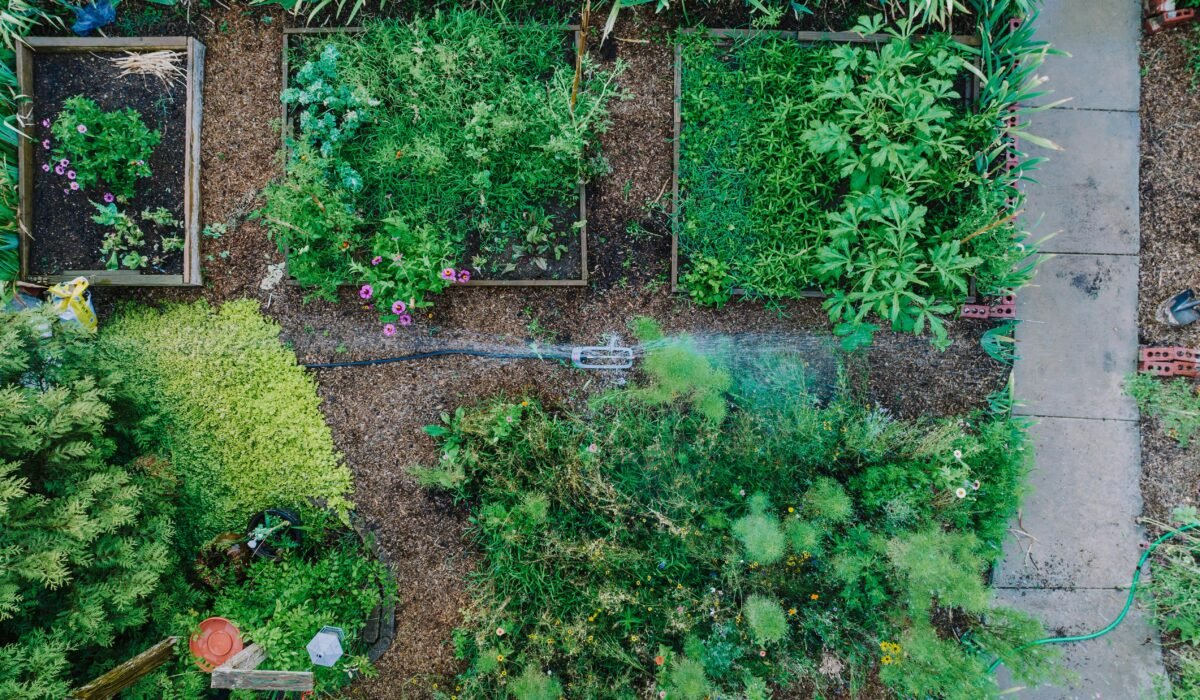
The “best” layout for a vegetable garden depends entirely on your space, preferences, and how you want to manage your plot. There are several popular garden layout options, each with distinct advantages for a small productive vegetable garden design or a sprawling plot.
Traditional Row Gardening
This classic approach involves planting vegetables in long, straight rows with pathways in between. It’s simple to implement and allows for easy cultivation with tools. However, it can be less efficient for maximizing yield in smaller spaces and may require more walking.
Raised Beds for Efficiency and Control
Raised beds are an excellent choice for many gardeners, especially those looking for beginner vegetable garden layout ideas. They offer better drainage, warm up faster in spring, and allow you to control soil quality more precisely. A typical raised bed is 4 feet wide, allowing you to reach the center from either side without stepping on the soil, which prevents compaction.
Square Foot Gardening Method
For truly maximizing yield in a small vegetable garden, the Square Foot Gardening method is highly recommended. Developed by Mel Bartholomew, this system divides raised beds into 1-foot x 1-foot squares, with specific planting densities for each square. This method significantly increases productivity per square foot and simplifies plant spacing. Learn more about its principles on Wikipedia.
Companion Planting: What Vegetables Should Not Be Planted Together?
Companion planting is the practice of growing different plants together for mutual benefit, enhancing growth, deterring pests, or attracting beneficial insects. While many plants are great neighbors, some combinations are detrimental.
Understanding what vegetables should not be planted together is as crucial as knowing good pairings. For instance, fennel is known to inhibit the growth of many vegetables, including tomatoes, beans, and kohlrabi, so it’s best kept isolated. Similarly, planting beans near onions or garlic can stunt the growth of the beans.
A classic example of a problematic pairing is planting brassicas (like cabbage, broccoli, or kale) near strawberries, as they can compete for nutrients and attract similar pests. Always consult a companion planting chart for vegetables to ensure harmonious relationships in your garden.
Maximizing Yield: Succession Planting & Crop Rotation
To truly achieve a “dream productive plot,” you need strategies that keep your garden working hard all season long. Maximizing yield isn’t just about planting more; it’s about planting smarter.
Succession Planting for Continuous Harvests
Succession planting involves making several small plantings of the same crop every few weeks, rather than one large planting. This ensures a continuous harvest rather than a single, overwhelming bounty followed by nothing. For example, instead of planting all your lettuce seeds at once, sow a small batch every two to three weeks. This strategy is particularly effective for fast-growing crops like lettuce, radishes, spinach, and bush beans.
The Benefits of Crop Rotation
Crop rotation is a vital practice for maintaining soil health and preventing the buildup of pests and diseases. It involves planting different crops in different areas of your garden each season. For instance, if you grew tomatoes (heavy feeders) in one bed this year, plant beans (nitrogen fixers) there next year. This replenishes soil nutrients naturally and breaks pest and disease cycles.
Without proper crop rotation, specific pests and diseases adapted to certain plant families can build up in the soil, making it increasingly difficult to grow those crops successfully in the same spot year after year. It’s a cornerstone of organic vegetable garden design principles and long-term garden health.
Designing Your Dream Productive Plot: Advanced Planning Tips
Once you’ve mastered the basics, consider these advanced strategies to elevate your garden planning and achieve truly exceptional results. These tips move beyond the fundamental “how to plan a vegetable garden” and delve into optimizing every aspect.
Leveraging Technology for Garden Planning
In today’s world, technology can significantly enhance your garden planning. Vegetable garden planning software like GrowVeg or SmartGardener allows you to digitally design your garden layout, incorporate crop rotation, and receive planting reminders based on your specific climate zone. These tools can help you visualize your garden, track plantings, and even predict yields, making data-driven decisions much easier.
Planning for Economic & Environmental Sustainability
Beyond organic methods, think about your garden’s long-term impact and efficiency. Consider integrating water harvesting systems, utilizing permaculture principles for annuals, or creating a biodiverse ecosystem within your plot to proactively reduce pest and disease issues. Planning for specific yield calculations for common vegetables can also help you compare your garden’s output against grocery store prices, highlighting the economic benefits of your efforts. For example, a 2023 survey by the National Gardening Association found that 38% of U.S. households grew food at home, driven by a desire for self-sufficiency and fresh produce.
Year-Round Planning and Microclimates
Don’t just plan for one season. Think about year-round vegetable garden planning by utilizing cold frames, hoop houses, or even just strategic planting of cold-hardy crops. Pay close attention to microclimates within your garden – sheltered spots, areas with reflected heat, or those prone to frost pockets – and select plants accordingly. This level of detail allows you to push your growing season and experiment with unique herbs to grow, expanding your garden’s potential.
Frequently Asked Questions
How do I start a vegetable garden for beginners?
For beginners, start by choosing a small, manageable space, like a 4×4 foot raised bed, and select easy-to-grow vegetables such as lettuce, radishes, bush beans, or cherry tomatoes. Focus on observing your garden’s sunlight and getting familiar with your soil before expanding.
What is the easiest way to plan a garden?
The easiest way to plan a garden is to keep it simple: start with a small area, choose a few high-yield crops you enjoy, and prioritize proper site selection for sunlight and good soil. Using a simple sketch to map out your initial layout can also make the process straightforward and visual.
What vegetables should not be planted next to each other?
Some vegetables inhibit each other’s growth or attract common pests when planted together. Key examples include fennel near almost any vegetable, beans near onions or garlic, and brassicas (like cabbage) near strawberries.
What is the best month to start a vegetable garden?
The best month to start a vegetable garden largely depends on your specific climate zone and its average last frost date. Generally, many gardeners begin planning in late winter and start seeds indoors in early spring, with outdoor planting commencing after the danger of frost has passed.
Embarking on the journey of designing your dream productive plot is a rewarding experience that connects you with nature and provides fresh, healthy food. By meticulously planning your vegetable garden, considering everything from sunlight to sophisticated planting strategies, you set the stage for a thriving harvest. Take these steps, adapt them to your unique conditions, and enjoy the delicious fruits (and vegetables!) of your labor.