Key Takeaways
- Compact fruit gardening is projected to be the leading gardening style throughout the United Kingdom in 2026, according to experts.
- Urban planting of dwarf fruit trees can yield approximately 30% more fruit per square meter than traditional orchards, according to Farmonaut (2026).
- Many dwarf fruit trees begin bearing fruit within two to three years of planting, significantly faster than standard trees, according to Food Gardening Network (2025).
- One mature fruit tree can absorb up to 20 kg of CO2 annually, contributing to sustainable urban environments, as stated by Farmonaut (2026).
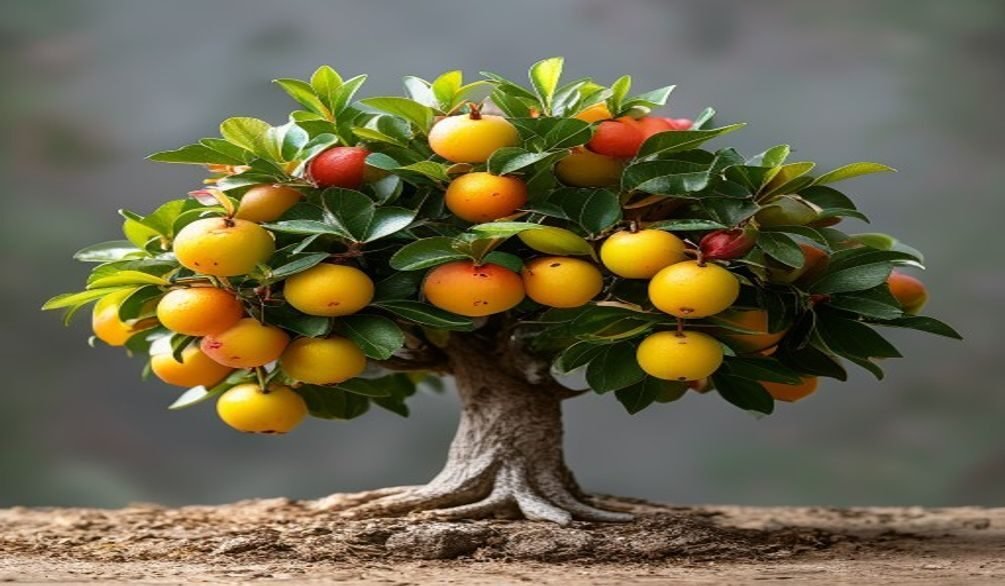
- Dwarf fruit trees, typically maturing at 8 to 10 feet tall, provide an abundance of full-sized fruit without requiring extensive space, according to Stark Bro’s Nurseries.
Finding the **Best Dwarf Fruit Trees 2026** for your compact outdoor space can transform a small patio or backyard into a thriving, productive orchard, offering fresh, homegrown fruit right at your fingertips. Many aspiring gardeners face the challenge of limited space, often believing that fruit trees are only for expansive yards, but this article will guide you through selecting and cultivating the most rewarding dwarf varieties. From my 10 years of experience in horticulture, I’ve seen firsthand how these miniature wonders can yield impressive harvests, making fruit gardening accessible to everyone.
Quick Answer: For small gardens in 2026, select dwarf varieties such as Honeycrisp apples, Meyer lemons, Chicago Hardy figs, and Bonanza peaches. These compact trees are ideal for containers, yielding abundant fruit with proper care and space-saving methods.
Can You Grow Fruit Trees in a Small Garden in 2026?
Yes, you can absolutely grow fruit trees in a small garden in 2026, thanks to the increasing availability of dwarf and semi-dwarf varieties specifically bred for compact spaces. These trees offer all the joy of a full-sized harvest without demanding extensive acreage, making them perfect for urban orchards and patio fruit trees. In fact, compact fruit gardening is projected to be the leading gardening style throughout the United Kingdom in 2026, driven by modern gardeners’ focus on sustainable practices and growing their own food in limited spaces, according to gardening experts.
What most people miss is that the key to success lies in choosing the right rootstock and variety. Dwarf fruit trees are typically grafted onto specialized rootstocks, which control their mature size while allowing them to produce full-sized fruit. Taun Beddes, a Utah State University Extension Horticulturist, emphasizes that “Many people love fresh fruit, but it isn’t easy to grow in today’s smaller yards. Luckily, many dwarf fruit trees are available that fit well in compact landscapes.” This expert insight highlights the practical advantages of selecting the **Best Dwarf Fruit Trees 2026** for your specific needs.
Growing the **Best Dwarf Fruit Trees 2026** in small spaces isn’t just a trend; it’s a smart gardening strategy. Urban planting of dwarf fruit trees can yield approximately 30% more fruit per square meter than traditional orchards, according to Farmonaut (2026), demonstrating their efficiency. This higher yield per area is a significant benefit for gardeners looking to maximize their harvest from limited square footage.
* **Size Control:** Dwarf rootstocks limit tree size to typically 6-10 feet, making them manageable for small gardens, patios, and even balconies.
* **Early Fruiting:** Many dwarf trees bear fruit in two to three years, while standard apples can take seven to ten years, according to Food Gardening Network (2025). This rapid maturity means you won’t wait long to enjoy your harvest.
* **Accessibility:** Their smaller stature makes pruning, spraying, and harvesting much easier, often without the need for ladders, as noted by Iowa State University Extension and Outreach horticulture specialists (2014).
* **Versatility:** They thrive in containers, raised beds, or can be trained against walls using techniques like espalier, fitting into various garden designs.
* **Environmental Benefits:** One mature fruit tree can absorb up to 20 kg of CO2 annually, promoting sustainable urban environments, as stated by Farmonaut (2026). Choosing the **Best Dwarf Fruit Trees 2026** contributes to a greener planet.
Top Dwarf Fruit Tree Varieties for Small Gardens 2026
The top dwarf fruit tree varieties for small gardens in 2026 are those that combine compact growth with high yield and often, self-pollinating characteristics, making them ideal for limited spaces. These selections ensure you get the most out of your gardening efforts, delivering delicious fruit even if you only have a patio or a small backyard. For example, Stark Bro’s Nurseries highlights that dwarf fruit trees, typically maturing at 8 to 10 feet tall and wide, provide an abundance of full-sized fruit without requiring extensive space.
Choosing the **Best Dwarf Fruit Trees 2026** means considering factors like climate, disease resistance, and your personal taste preferences. My personal garden features several of these, and I can attest to their productivity. Edible plants are also becoming popular due to the rising cost of food in 2026, with homeowners turning every available patch of earth into a source of fresh, homegrown food. This trend underscores the practical value of cultivating the **Best Dwarf Fruit Trees 2026**.
Here are some of the **Best Dwarf Fruit Trees 2026** for small gardens:
Dwarf Apple Varieties
Dwarf apple trees are among the most popular choices for small gardens, offering a wide range of flavors and textures in a compact form. Many are grafted onto M27 Rootstock, which creates a truly mini-dwarf apple tree. Popular choices include ‘Honeycrisp’, ‘Gala’, ‘Fuji’, ‘Golden Delicious’, and ‘McIntosh’, all available in dwarf forms.
* Columnar Apples: These are particularly space-efficient, growing in a narrow upward form. The ‘Fruit Snacks Blushing Delight’ columnar apple, new for 2026, is an excellent example, alongside ‘Ballerina®’, ‘Urban® series’, ‘Tangy Green Fruit Snack Apple’, and ‘Stark Crimson Spire’. These are truly some of the **Best Dwarf Fruit Trees 2026** for the tightest spots.
Dwarf Citrus Trees
Dwarf citrus trees are perfect for container gardening, especially in colder climates where they can be moved indoors during winter, providing fragrant blossoms and fruit year-round. Meyer lemons, calamondin oranges, and dwarf mandarins are highly recommended for their manageable size and consistent production. ‘Mexican limes’ (Key Limes) are also suitable for warm climates, adding a tropical touch to your collection of the **Best Dwarf Fruit Trees 2026**.
Dwarf Peach & Nectarine Trees
These stone fruits offer juicy harvests from compact trees, often with beautiful spring blossoms. Varieties such as ‘Bonanza’, ‘El Dorado’, ‘Bonfire’, ‘Pix-Zee’, ‘Nectar Babe’, ‘Garden Delight’, and ‘Newhaven’ are excellent for small gardens. The ‘Bonanza Patio Peach Tree’ is particularly noted for patio growing, making it one of the **Best Dwarf Fruit Trees 2026** for container life. New nectarines for 2026 include ‘Candy Sprinkles’ and ‘Snack Time’, expanding your options for the **Best Dwarf Fruit Trees 2026**.
Dwarf Fig Trees
Fig trees are surprisingly adaptable to containers and small spaces, especially cold-hardy varieties. ‘Chicago Hardy’, ‘Brown Turkey’, ‘Petite Negra’, and ‘Fignomenal’ are well-suited options. The ‘Fignomenal Fig’ is notably small, reaching only 2-3 feet tall, making it a stellar choice among the **Best Dwarf Fruit Trees 2026** for truly tiny areas.
Dwarf Cherry Trees
For cherry lovers, dwarf varieties allow you to enjoy sweet or tart cherries without needing a large orchard. ‘Stella’ (self-pollinating), ‘Bing’, ‘Montmorency’, ‘Emperor Francis’, ‘Carmine Jewel’, ‘Romeo’, ‘Juliet’, and ‘Wowza’ are popular dwarf cherry options. ‘Carmine Jewel’ is especially noted for its cold hardiness, making it one of the **Best Dwarf Fruit Trees 2026** for colder regions.
Container-Friendly Tropicals
Beyond common fruits, exotic options can also thrive in containers, bringing a unique flair to your small garden. Jabuticaba, Dwarf Mango, Lychee, Miracle Fruit, Olive, and Pomegranate (naturally compact) are excellent choices for the **Best Dwarf Fruit Trees 2026** if you’re looking for something different. These require specific climate considerations or indoor overwintering.
To help you choose the **Best Dwarf Fruit Trees 2026**, here’s a comparison of popular varieties:
| Fruit Type | Recommended Dwarf Varieties | Mature Height (approx.) | Key Features for Small Gardens |
|---|---|---|---|
| Apple | ‘Honeycrisp’, ‘Gala’, ‘Fruit Snacks Blushing Delight’ (Columnar) | 6-10 ft (dwarf), 8-12 ft (columnar) | Excellent taste, columnar types are extremely narrow, disease-resistant options available. |
| Citrus | Meyer Lemon, Calamondin Orange, Dwarf Mandarin | 4-8 ft | Fragrant blooms, year-round fruit, ideal for containers, can be overwintered indoors. |
| Peach/Nectarine | ‘Bonanza’, ‘Pix-Zee’, ‘Candy Sprinkles’ (Nectarine) | 4-6 ft | Beautiful spring flowers, sweet fruit, ‘Patio Peach’ varieties bred for containers. |
| Fig | ‘Chicago Hardy’, ‘Fignomenal’, ‘Brown Turkey’ | 3-8 ft | Very adaptable, cold hardy options, can be pruned heavily, ‘Fignomenal’ is exceptionally small. |
| Cherry | ‘Stella’, ‘Carmine Jewel’, ‘Montmorency’ | 6-10 ft | Sweet or tart options, some self-pollinating, ‘Carmine Jewel’ is very cold hardy. |
Space-Saving Techniques: Espalier, Cordon & Container Growing
Maximizing your harvest from the **Best Dwarf Fruit Trees 2026** in a small garden requires smart space-saving techniques like espalier, cordon, and container growing, which allow you to cultivate fruit in ways that traditional orchards cannot. These methods are not just about fitting trees into tight spots; they also enhance sunlight exposure, improve air circulation, and make harvesting significantly easier. As I’ve learned over the years, intelligent pruning and training are just as important as variety selection for successful compact fruit gardening.
Iowa State University Extension and Outreach horticulture specialists highlight that “Dwarf and semi-dwarf fruit trees are easier to maintain (prune, spray, harvest, etc.), fit better into small home landscapes and produce fruit sooner after planting than standard-size trees.” This underscores the importance of these techniques for managing the **Best Dwarf Fruit Trees 2026**. Colby Eierman, author of “Fruit Trees in Small Spaces,” provides excellent guidance on these training methods.
Container Gardening for Dwarf Fruit Trees
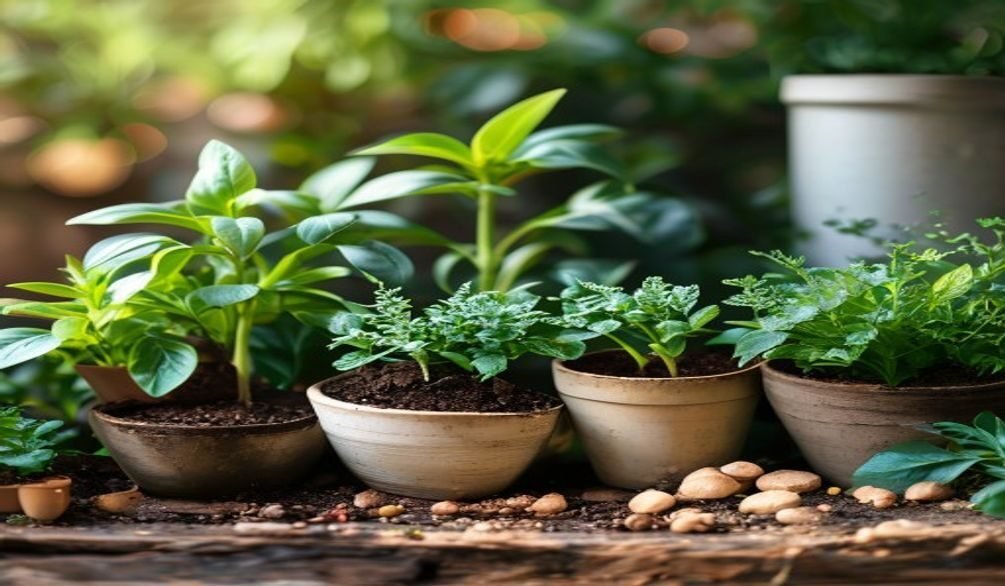
Container gardening is arguably the most versatile way to grow the **Best Dwarf Fruit Trees 2026**, offering mobility and control over growing conditions. This method allows you to bring tender varieties indoors during winter or move trees to optimal sun exposure throughout the seasons. Choosing the right pot size is critical for the long-term health of your dwarf fruit trees, as inadequate space can stunt growth and reduce yields.
* Pot Selection: Opt for large, sturdy pots (15-25 gallon capacity minimum for most dwarf trees) made of terracotta, plastic, or glazed ceramic. Ensure they have excellent drainage holes. Darker pots absorb more heat, which can be beneficial in cooler climates but detrimental in hot ones.
* Soil Mix: Use a high-quality potting mix that drains well but retains moisture. I often amend mine with perlite and compost for optimal aeration and nutrient supply. For the **Best Dwarf Fruit Trees 2026** in containers, proper drainage is paramount.
* Watering: Container trees dry out faster than in-ground trees. Consistent watering is crucial, especially during fruiting. Check soil moisture daily during hot, dry periods.
* Fertilization: Regular feeding with a balanced, slow-release fertilizer is essential, as nutrients leach out of containers more quickly. Follow product instructions carefully.
Espalier Training
Espalier is an ancient technique of training fruit trees to grow flat against a wall, fence, or trellis, creating a living work of art that saves significant space. This method is particularly effective for apples, pears, and some stone fruits, turning the **Best Dwarf Fruit Trees 2026** into decorative and productive features. It’s a fantastic way to maximize vertical space in even the smallest of gardens.
* Method: Young trees are pruned and tied to a support structure, encouraging horizontal branches. This rigorous training requires regular pruning to maintain the desired shape and promote fruit production.
* Benefits: Excellent air circulation reduces disease risk, and increased sun exposure improves fruit quality and ripening. It’s a beautiful way to grow the **Best Dwarf Fruit Trees 2026**.
Cordon Training
Cordon training involves growing fruit trees as single-stemmed plants, either vertically or at an angle, which is highly efficient for small spaces. This technique is often used for apples and pears, allowing you to plant multiple trees closer together than traditional methods. A straight cordon can be as narrow as 1-2 feet wide, making it perfect for borders or pathways.
* Method: A young tree is pruned to a single main stem, with all side shoots (laterals) pruned back to spur-bearing wood to encourage fruit.
* Benefits: Extremely space-efficient, allows for high-density planting, and promotes early fruiting. It’s an excellent strategy for growing many types of the **Best Dwarf Fruit Trees 2026**.
Ensuring Bountiful Harvests: Pollination & Yield Optimization
Ensuring bountiful harvests from your **Best Dwarf Fruit Trees 2026** hinges critically on understanding and managing pollination and employing strategic yield optimization techniques, especially in limited spaces. Even the most perfectly cared-for tree won’t produce fruit without successful pollination, which is often a primary concern for small-space gardeners who might only have room for one or two trees. In my experience, addressing pollination proactively is key to success.
Many dwarf fruit trees begin bearing fruit within two to three years of planting, significantly faster than standard trees which can take seven to ten years, according to Food Gardening Network (2025). This rapid maturation makes yield optimization even more rewarding.
Understanding Pollination for Dwarf Fruit Trees
Pollination is the transfer of pollen from the anther to the stigma, a crucial step for fruit development, and how it occurs varies significantly among fruit tree types. Some of the **Best Dwarf Fruit Trees 2026** are self-pollinating, while others require cross-pollination from a compatible partner. This distinction is vital when planning your mini orchard.
* Self-Pollinating Varieties: These trees can produce fruit with pollen from their own flowers. Examples include many dwarf peaches, nectarines, figs (‘Chicago Hardy’), sour cherries (‘Montmorency’, ‘Carmine Jewel’), and some apples (‘Granny Smith’). If space is truly limited, prioritizing these varieties is a smart move for the **Best Dwarf Fruit Trees 2026**.
* Cross-Pollinating Varieties: Most apples, pears, sweet cherries (‘Bing’, ‘Stella’ needs a partner despite often being listed as self-fertile for best yields), and plums require pollen from a different, compatible variety of the same fruit type to set fruit. This means you generally need at least two different varieties planted relatively close together.
* Triploid Varieties: Some apple varieties, like ‘Jonagold’ or ‘Gravenstein’, are triploid, meaning their pollen is sterile. They still need a pollinator, but they cannot pollinate other trees. Be mindful of this when selecting your **Best Dwarf Fruit Trees 2026**.
Strategies for Limited-Space Pollination
When space is at a premium, ensuring adequate pollination for your **Best Dwarf Fruit Trees 2026** requires creative solutions beyond simply planting two large trees. These methods are designed to maximize your chances of a successful fruit set.
* Multi-Grafted Trees: These trees have several compatible varieties grafted onto a single rootstock, providing multiple pollinators in one compact package. Nature Hills Nursery offers excellent multi-grafted options, which are incredibly efficient for small spaces.
* Strategic Pairing: If planting two separate trees, choose varieties that bloom at the same time and are known to be good cross-pollinators. Consult nursery guides, like those from Stark Bro’s Nurseries, for compatibility charts for the **Best Dwarf Fruit Trees 2026**.
* Bouquet Pollination: If you only have one tree, you can place cut flowering branches from a compatible pollinator in a bucket of water near your tree during bloom time. This temporary solution can help attract pollinators.
* Hand-Pollination: For very small setups or specific, precious trees, you can use a small paintbrush to transfer pollen manually from one flower to another, or from a compatible variety.
* Attracting Pollinators: Plant nectar-rich flowers nearby to attract bees and other beneficial insects. Learn more about companion planting by checking out resources like Best Flowers for Attracting Beneficial Insects in 2026.
Yield Optimization Techniques
Beyond pollination, several practices can significantly boost the quantity and quality of fruit from your **Best Dwarf Fruit Trees 2026**. These techniques focus on channeling the tree’s energy into fruit production.
* Thinning Fruit: Once fruit has set, thin out excess fruitlets to prevent overbearing. This ensures the tree puts its energy into developing fewer, larger, and higher-quality fruits rather than many small, underdeveloped ones. Aim for fruits to be 4-6 inches apart for apples and pears, and 6-8 inches for peaches.
* Proper Pruning: Annual dormant pruning helps maintain tree shape, removes dead or diseased wood, and encourages new fruit-bearing wood. Summer pruning can also be used to control size and allow more light penetration. This is crucial for the **Best Dwarf Fruit Trees 2026**.
* Adequate Watering & Nutrients: Consistent moisture and a balanced nutrient supply are vital throughout the growing season, especially during fruit development. Avoid drought stress, which can lead to fruit drop.
* Sunlight: Ensure your trees receive at least 6-8 hours of direct sunlight daily. More sun generally leads to sweeter, more abundant fruit.
Caring for Your Small Garden Fruit Trees Year-Round
Caring for your small garden fruit trees year-round is essential to ensure the longevity, health, and productivity of your **Best Dwarf Fruit Trees 2026**, requiring consistent attention to watering, feeding, pruning, and winter protection. Unlike their larger counterparts, dwarf trees, especially those in containers, have specific needs that must be met consistently to thrive and deliver bountiful harvests. My years in horticulture have taught me that a proactive, seasonal approach makes all the difference.
“Dwarf and semi-dwarf fruit trees are easier to maintain (prune, spray, harvest, etc.), fit better into small home landscapes and produce fruit sooner after planting than standard-size trees,” according to Iowa State University Extension and Outreach horticulture specialists (2014). This ease of maintenance makes the **Best Dwarf Fruit Trees 2026** a delightful addition to any small garden.
Spring Care
Spring is a period of renewed growth and activity for your **Best Dwarf Fruit Trees 2026**, demanding careful attention as they emerge from dormancy. This season sets the stage for the year’s harvest.
* Pruning: Conduct dormant pruning in late winter or early spring before buds break. Remove dead, diseased, or crossing branches. Aim to create an open canopy for good air circulation and light penetration.
* Fertilization: Apply a balanced, slow-release fertilizer as new growth begins. For container trees, this is especially important as nutrients can leach quickly. Follow package instructions for dosage.
* Pest & Disease Monitoring: Begin scouting for pests and diseases as soon as leaves emerge. Early detection is crucial for organic management strategies.
* Watering: Ensure consistent moisture as the tree breaks dormancy and begins to leaf out.
Summer Care
During summer, your **Best Dwarf Fruit Trees 2026** are actively growing and developing fruit, making watering and pest management paramount. This is when the hard work of spring truly pays off.
* Watering: This is the most critical task. Container trees, in particular, may need daily watering during hot, dry spells. Check the soil moisture regularly. You can find more tips at Watering Your Garden for Beginners: 7 Essential Tips.
* Fruit Thinning: As mentioned, thin developing fruits to promote larger, healthier yields and prevent branch breakage.
* Pest & Disease Management: Continue vigilant monitoring. Apply organic treatments as needed.
* Summer Pruning: Light summer pruning can help control size, remove water sprouts, and improve light penetration to ripening fruit.
Fall Care
Fall is a time for preparation, as your **Best Dwarf Fruit Trees 2026** wind down their growing season and prepare for winter dormancy. Proper fall care can significantly impact the health of your trees next spring.
* Harvesting: Pick fruit at its peak ripeness. Prompt harvesting prevents pests and diseases and encourages the tree to store energy for next year.
* Cleanup: Rake up any fallen leaves or fruit, as these can harbor pests and diseases over winter.
* Final Watering: Provide a deep watering before the first hard freeze, especially for container trees, to ensure they are well-hydrated going into dormancy.
* Winter Protection (for containers): For containerized **Best Dwarf Fruit Trees 2026** in colder zones, consider moving them to a sheltered location, garage, or unheated shed.
Winter Care
Winter care for your **Best Dwarf Fruit Trees 2026** primarily focuses on protection from extreme cold and minimizing stress during dormancy. While the trees appear inactive, they are still vulnerable.
* Protection: In colder climates, wrap the trunks of young trees to protect against sun scald and rodent damage. Mulch around the base of in-ground trees.
* Container Overwintering: For container trees, move them to a protected, unheated space once temperatures consistently drop below freezing. Reduce watering significantly, only providing enough to prevent the soil from drying out completely.
* Dormant Pruning: If you missed it in early spring, late winter is another opportunity for dormant pruning, though I prefer early spring to avoid exposing fresh cuts to severe cold.
Organic Pest & Disease Management for Dwarf Varieties
Organic pest and disease management for your **Best Dwarf Fruit Trees 2026** relies on preventative measures, early detection, and natural interventions, ensuring healthy fruit production without harmful chemicals. As an advocate for sustainable gardening, I’ve found that a holistic approach, focusing on tree vigor and ecological balance, is far more effective and environmentally friendly than reactive chemical treatments. Purdue Extension Specialists conduct “Fruitful Fridays” workshops discussing “modern fruit production practices, pests and disease management,” which are ideal for backyard fruit growers.
The smaller size of the **Best Dwarf Fruit Trees 2026** actually makes organic management easier, as trees are more accessible for inspection and treatment. This close proximity allows for a more hands-on approach, which is a cornerstone of organic practices.
Preventative Strategies
Prevention is the cornerstone of organic pest and disease management for the **Best Dwarf Fruit Trees 2026**, aiming to create an environment where pests and pathogens are less likely to thrive. Building a resilient garden ecosystem is key.
* Choose Resistant Varieties: Select dwarf varieties known for their natural resistance to common local pests and diseases. For instance, some apple varieties are scab-resistant. Stark Bro’s Nurseries often lists disease resistance in their product descriptions.
* Proper Site Selection: Ensure your trees receive adequate sunlight (6-8 hours daily) and have good air circulation.