Key Takeaways
- Over one-third of native bee species are at risk of extinction, according to Kelly Parks (2025).
- Planting just one pollinator-friendly container per U.S. household would create over 120 million new habitats for native bees, according to Kelly Parks (2025).
- In major cities, 60% of people are actively gardening on balconies and terraces, according to Kelly Parks (2025).
- Organic farming practices can significantly increase soil biodiversity by 30% compared to conventional methods, according to The Soil Association (2025).
- Gardens incorporating water features can boost overall biodiversity by up to 50%, as studies have shown (2025).
Creating a thriving ecosystem on your balcony can seem challenging, but you can absolutely **attract beneficial insects balcony** spaces need to flourish. Many urban gardeners face the common problem of pest infestations and a lack of natural pollinators, which can hinder plant health and yield. This guide, drawing from my 10+ years of experience in horticulture, will show you seven easy and effective ways to invite these essential allies to your compact garden, fostering a balanced and vibrant environment.
Quick Answer: Attract beneficial insects to your balcony garden by planting diverse, nectar-rich native flowers, providing shallow water sources, creating small shelters, avoiding pesticides, and embracing organic practices. These actions foster a balanced ecosystem, promoting natural pest control and pollination in your compact space.
Why Welcome Beneficial Insects to Your Balcony Garden?
Welcoming beneficial insects to your balcony garden is crucial for creating a self-sustaining and healthy plant environment, especially in urban settings. These tiny allies provide essential services like natural pest control and pollination, which are vital for plant survival and productivity. For example, pollinators contribute over $15 billion annually to North American agriculture, according to the Pollinator Partnership (2025).
The presence of beneficial insects reduces the need for chemical pesticides, making your balcony garden safer and more eco-friendly. As entomologist Thomas Eisner, cited by Charlotte Weidner of Nature Hills Nursery (2026), wisely put it, “Bugs are not going to inherit the earth. They own it now. So we might as well make peace with the landlord.” This philosophy applies perfectly to cultivating a balanced balcony ecosystem.
A diverse insect population helps maintain ecological balance, preventing any single pest species from overwhelming your plants. This is especially important for a balcony pollinator garden, where space is limited and every plant counts.
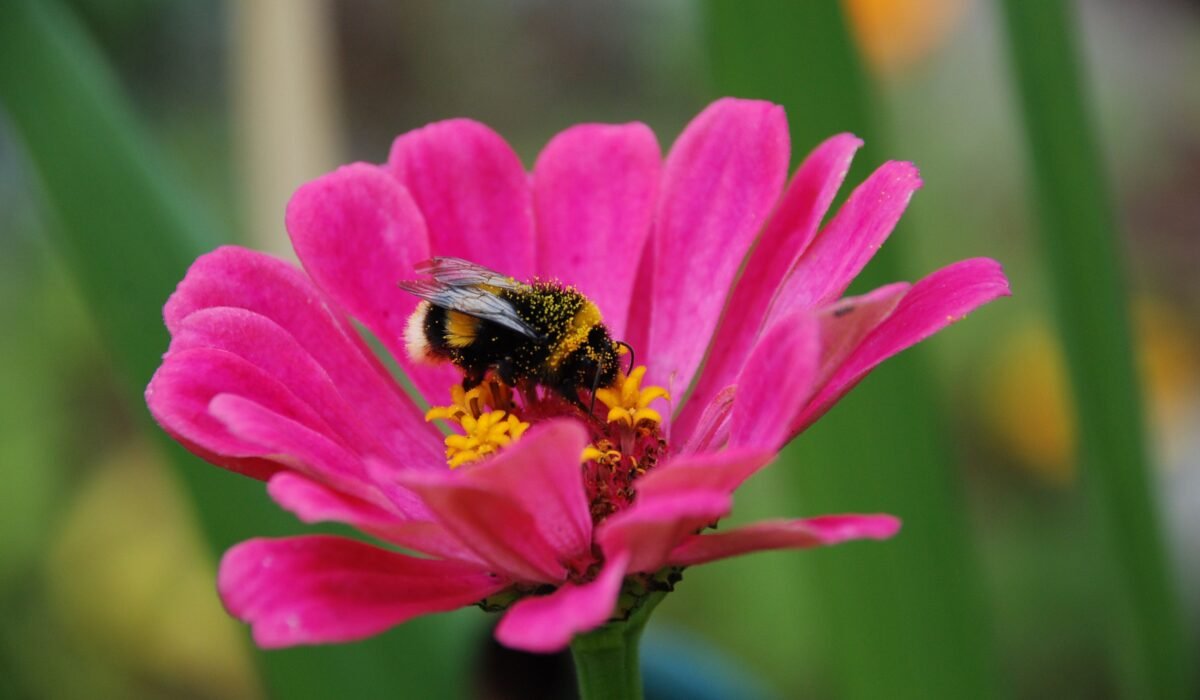
Beyond pest control, many beneficial insects are also pollinators, ensuring your flowering plants and edible crops produce fruit and seeds. Over one-third of native bee species are at risk of extinction, according to Kelly Parks (2025), highlighting the urgent need for urban habitats to support these vital creatures. By learning to attract beneficial insects balcony gardeners become part of a larger conservation effort.
What Attracts Beneficial Insects to Balcony Gardens?
Beneficial insects are primarily attracted to balcony gardens by a consistent supply of nectar and pollen, available water sources, and safe nesting or overwintering sites. These three elements form the foundation of any successful strategy to attract beneficial insects balcony spaces need. A record 64% of respondents plan to plant more and expand their gardens in 2026, according to Axiom’s 2026 Gardening Outlook Study (2025), indicating a growing interest in creating greener spaces, even on balconies.
Understanding these fundamental needs allows you to tailor your balcony setup to be an irresistible haven. From my experience, even small changes can make a big difference in attracting predatory insects to urban garden spaces. Here are seven actionable steps to attract beneficial insects balcony environments will thrive on.
Step 1: Select Diverse Native Plants
Selecting a diverse array of native plants is the most effective way to attract beneficial insects balcony gardens require. Native plants are perfectly adapted to local climates and provide the specific food and habitat sources that native beneficial insects have evolved with. These plants often offer continuous blooms, ensuring a steady supply of nectar and pollen throughout the growing season.
For instance, Nature Hills Nursery highlights plants like Sunflowers, Sedum, Yarrow, and Goldenrod as excellent choices for attracting beneficial insects. When choosing plants, consider varieties that bloom at different times to provide season-long sustenance. This continuous food source is critical to maintain a healthy population of beneficial insects.
- Native Flowers: Choose species native to your region. They are often low-maintenance and highly attractive to local pollinators and predatory insects.
- Herbs: Many herbs like dill, fennel, cilantro, and mint (especially when allowed to flower) are magnets for small wasps, hoverflies, and ladybugs.
- Container Considerations: Opt for compact or dwarf varieties suitable for pots. Ensure good drainage and use a high-quality potting mix.
Step 2: Provide Shallow Water Sources
Providing shallow water sources is essential to attract beneficial insects balcony gardens need, as all creatures require water to survive. A simple, shallow dish of water with pebbles or marbles for landing spots can serve as a vital drinking station for bees, wasps, and other beneficials. Gardens with water features can increase biodiversity by up to 50%, studies show (2025).
Without easy access to water, beneficial insects may seek hydration elsewhere, reducing their presence in your garden. This simple addition can significantly boost the overall biodiversity of your balcony, making it more appealing for beneficial insects. The key is to keep the water clean and shallow to prevent drowning.

Step 3: Build Small Shelters
Building small shelters offers crucial nesting and overwintering sites, which are often scarce in urban environments, helping you attract beneficial insects balcony spaces can sustain. These habitats provide protection from predators and harsh weather, encouraging insects to stay and reproduce in your garden. DIY insect hotel balcony projects are a fantastic way to utilize limited space.
An insect hotel, a bundle of hollow stems, or even a small pile of twigs can offer shelter for solitary bees, lacewings, and ladybugs. Chris Hedstrom, an entomologist, notes that “aphids are fed on by the generalist predators like lacewings, ladybugs, and snakeflies,” all of which appreciate good shelter. These small structures are especially vital for insects that don’t live in large colonies.
Consider placing these shelters in a quiet, sheltered spot on your balcony, away from strong winds. A simple bundle of bamboo canes tied together, or a wooden block with drilled holes, can provide a safe haven. This step is a direct way to create a permanent home for beneficial insects.
Step 4: Avoid Chemical Pesticides
Avoiding chemical pesticides is paramount if you want to attract beneficial insects balcony gardens rely on for natural pest control. Pesticides, by their nature, do not discriminate between harmful pests and helpful beneficials, often killing both indiscriminately. Ron Tuckett, Plant Protection Manager at Oregon Monrovia Nursery, emphasizes their use of beneficial nematodes and predatory mites for pest control for decades, demonstrating a commitment to non-chemical solutions.
Using chemical sprays disrupts the natural balance of your balcony ecosystem, eliminating the very insects that could be controlling your pest problems for you. Karey Windbiel-Rojas, Associate Director for Urban and Community Integrated Pest Management at the University of California, stresses the importance of focusing on less toxic control methods. Embracing organic pest control balcony garden practices is a cornerstone of attracting and maintaining a healthy beneficial insect population.
Instead of reaching for synthetic chemicals, consider organic sprays like neem oil or insecticidal soap as a last resort, always targeting only the affected plants and specific pests. This mindful approach allows beneficial insects to thrive and do their work. It’s about letting nature manage itself, with a little guidance from you.
Step 5: Practice Organic Gardening
Practicing organic gardening methods creates a healthier, more hospitable environment for beneficial insects, making it easier to attract beneficial insects balcony plants need. Organic practices improve soil health, reduce exposure to harmful chemicals, and support a more robust food web. Organic farming practices can increase soil biodiversity by an incredible 30% compared to conventional methods, according to The Soil Association (2025).
This holistic approach focuses on prevention rather than reaction, building a resilient ecosystem from the ground up. Healthy soil, rich in organic matter, supports stronger plants that are naturally more resistant to pests. This minimizes the need for interventions that might harm beneficial insects.
- Compost & Mulch: Incorporate compost into your potting mix and use organic mulches to improve soil structure and retain moisture.
- Natural Fertilizers: Use organic fertilizers instead of synthetic ones, which can sometimes harm soil microbes and indirectly impact insect health.
- Crop Rotation: Even in containers, rotating your plants can help break pest cycles. This is a key strategy for balcony garden crop rotation.
Step 6: Monitor for Pests Regularly
Regularly monitoring your balcony plants for pests allows for early detection and intervention, enabling you to address problems before they escalate and require broad-spectrum treatments that could harm beneficial insects. Catching pest issues early means you can use targeted, non-toxic solutions, preserving your beneficial insect populations. This vigilant approach is vital to attract beneficial insects balcony ecosystems need to thrive naturally.
Spend a few minutes each day inspecting the undersides of leaves, new growth, and flower buds. Look for signs of aphids, spider mites, or other common balcony pests. Early detection ensures you can hand-pick pests, blast them with water, or use targeted organic sprays, rather than resorting to harsher methods.
From my experience, consistency is key. A quick daily check can save you a lot of trouble down the line and ensures your beneficial insect allies have a chance to do their job. This proactive strategy is a cornerstone of integrated pest management for your balcony garden.
Step 7: Consider Companion Planting
Considering companion planting is an excellent strategy to naturally deter pests and attract beneficial insects balcony gardens can greatly benefit from. Certain plant combinations can enhance growth, improve pest resistance, and provide additional nectar sources for helpful insects. This method uses plant synergy to create a more resilient and productive garden.
For example, planting marigolds near vegetables can deter nematodes and other pests, while dill and fennel flowers are known to attract predatory wasps and hoverflies. The varied scents and structures of companion plants create a confusing environment for pests, making it harder for them to locate their target plants. This is a smart way to attract ladybugs to containers and other beneficials.
Experiment with different combinations of flowers, herbs, and vegetables to find what works best for your specific balcony conditions. This approach helps you maximize your limited space while simultaneously supporting a healthy beneficial insect population. For more on this, you might find our guide on Attracting Beneficial Insects Herb Gardens helpful.
Top Plants & Flowers to Attract Beneficial Insects
To truly attract beneficial insects balcony gardeners should focus on specific plants and flowers known for their nectar, pollen, or as host plants. These plants act as powerful magnets, drawing in pollinators and pest predators alike, creating a vibrant ecosystem. Many of these are also excellent for a balcony pollinator garden.
Nature Hills Nursery, a trusted name in horticulture, specifically recommends a range of plants that are highly effective. For example, Sunflowers provide abundant pollen and nectar, attracting bees and predatory wasps. Sedum offers late-season blooms, crucial for beneficials preparing for winter. My personal favorite, Yarrow, is a fantastic all-rounder, attracting ladybugs, lacewings, and hoverflies.
Here’s a table of top plants and flowers to help you attract beneficial insects balcony spaces will love:
| Plant/Flower | Beneficial Insects Attracted | Key Benefit for Balcony |
|---|---|---|
| Dill & Fennel | Ladybugs, Lacewings, Parasitic Wasps, Hoverflies | Umbelliferous flowers are easy access for small insects. Edible. |
| Marigolds (French) | Predatory Mites, Hoverflies (some varieties) | Deter nematodes and other pests. Compact size for containers. |
| Zinnias | Ladybugs, Bees, Butterflies | Long blooming period, bright colors. Burpee offers great zinnia seeds. |
| Cosmos | Bees, Butterflies, Lacewings, Hoverflies | Daisy-like flowers provide easy landing pads. |
| Alyssum (Sweet) | Hoverflies, Parasitic Wasps, Small Bees | Dense, low-growing carpet of tiny flowers, great groundcover in pots. |
| Yarrow | Ladybugs, Lacewings, Hoverflies, Parasitic Wasps | Flat flower clusters are ideal for small insects. Drought-tolerant. |
| Cilantro (flowering) | Hoverflies, Parasitic Wasps | Quick to bolt, but flowers are excellent for beneficials. Edible. |
| Sunflowers (Dwarf) | Bees, Predatory Wasps, Ladybugs | Abundant pollen and nectar. Choose dwarf varieties for containers. |
How to Create DIY Habitats for Balcony Beneficials?
Creating DIY habitats is a practical and rewarding way to encourage beneficial insects to reside permanently on your balcony, providing them with essential shelter and breeding grounds. These small structures offer crucial protection from predators and harsh weather, making your balcony a more inviting home for these helpful creatures. A DIY insect hotel balcony project is a perfect weekend activity.
Many beneficial insects, like solitary bees and lacewings, do not build large nests but seek small crevices and hollow spaces. Providing these options directly addresses a common limiting factor for beneficial insect populations in urban areas. This is a direct way to attract beneficial insects balcony spaces often lack. Even simple materials can be repurposed into effective habitats.
- Insect Hotels: Construct a simple box with compartments filled with bamboo canes, hollow plant stems, drilled wood blocks, and pinecones. Place it in a sheltered spot.
- Brush Piles: A small bundle of twigs and leaves in a corner of your balcony pot can provide shelter for ground beetles and spiders.
- Leaf Litter: Allow a small amount of leaf litter to accumulate in the base of larger pots, offering overwintering sites for ladybugs and other beneficials.
Integrated Pest Management for Your Balcony Garden
Integrated Pest Management (IPM) for your balcony garden is a holistic approach that combines various strategies to control pests while minimizing harm to beneficial insects and the environment. This method prioritizes prevention and non-chemical solutions, ensuring your efforts to attract beneficial insects balcony gardens need are not undermined. Karey Windbiel-Rojas from the University of California emphasizes identifying pests and beneficials and focusing on less toxic control.
The core of IPM is understanding the life cycles of both pests and beneficials, allowing you to intervene at the most effective and least disruptive points. For example, Monrovia Nurseries actively uses beneficial insects like predatory mites and nematodes for natural pest control in their mandevilla crops, showcasing a successful IPM strategy at scale. This approach is paramount for organic pest control balcony garden success.
- Identification: Accurately identify both the pests and any beneficial insects present. Knowing your enemy (and your allies) is the first step.
- Monitoring: Regularly inspect your plants for early signs of pest activity. Early detection allows for targeted, less intrusive interventions.
- Cultural Controls: Maintain healthy plants through proper watering, fertilization, and appropriate plant selection. Strong plants are more resistant to pests.
- Physical/Mechanical Controls: Hand-pick larger pests, use sticky traps, or spray pests off with a strong jet of water.
- Biological Controls: Introduce beneficial insects (like ladybugs or lacewings from Planet Natural) or encourage existing populations by providing habitat and food.
- Chemical Controls (Last Resort): If absolutely necessary, use the least toxic pesticides, such as insecticidal soaps or neem oil, applied only to affected areas.
Seasonal Care Tips for Balcony Beneficial Insects
Seasonal care tips are essential to ensure a continuous and supportive environment for beneficial insects throughout the year on your balcony. Different seasons present unique challenges and opportunities for these tiny garden helpers, and adjusting your practices accordingly helps maintain a thriving population. To truly attract beneficial insects balcony gardeners must think seasonally.
For instance, providing food sources in early spring and late autumn is critical for beneficial insects emerging from or preparing for dormancy. Many native bees, for example, need early spring blooms to fuel their activity. From my 10 years of gardening, I’ve seen how a lack of early or late season flowers can severely impact insect populations.
- Spring: Plant early-blooming flowers like crocus or willow to provide nectar for emerging pollinators. Clean out last year’s insect hotel to make space for new inhabitants, but leave some debris for overwintering insects.
- Summer: Ensure a continuous succession of blooms to provide food throughout the peak growing season. Keep water sources topped up and clean. Monitor for pests vigilantly.
- Autumn: Plant late-blooming flowers like sedum or asters to provide crucial nectar before winter. Leave some spent plant stalks and leaf litter for overwintering sites. Do not do a complete clean-up.
- Winter: Protect insect hotels from harsh weather. Avoid disturbing dormant areas. Consider adding a bird feeder to attract insectivorous birds, which also help control pests.
Common Beneficial Insects for Balcony Gardens
Understanding common beneficial insects is key to appreciating their role and knowing how to attract beneficial insects balcony gardens can host. These insects are natural allies, working tirelessly to protect your plants from pests and ensure successful pollination. Knowing who your friends are helps you create the right environment for them.
Many of these beneficials are readily found in urban environments, given the right conditions. For example, a ladybug larva can eat up to 40 aphids an hour, and 400-800 aphids by the time it pupates (2025), making them incredibly effective pest controllers. Green lacewing larvae, nicknamed ‘aphid lions,’ can devour over 200 aphids per week and up to 1,000 spider mites per day (2025). These statistics highlight the immense value of these tiny predators.
- Ladybugs (Coccinellidae): Both adults and larvae are voracious predators of aphids, scale insects, and mites. To attract ladybugs to containers, provide dill, fennel, and yarrow.
- Lacewings (Chrysopidae): Larvae are known as ‘aphid lions’ and feed on aphids, mealybugs, spider mites, and whiteflies. Adults feed on nectar and pollen.
- Hoverflies (Syrphidae): Larvae consume aphids and other soft-bodied pests, while adults are important pollinators, often mimicking bees.
- Parasitic Wasps (various families): Tiny wasps that lay their eggs inside or on pests like aphids, caterpillars, and whiteflies. They are attracted to small-flowered plants.
- Ground Beetles (Carabidae): Nocturnal predators that feed on slugs, snails, cutworms, and other soil-dwelling pests. They appreciate ground cover and leaf litter.
- Spiders (various families): Generalist predators that catch a wide range of insects. They are a natural part of any healthy ecosystem.
- Bees (Apidae, Megachilidae, etc.): Crucial pollinators for many flowering plants and edibles. Providing a bee-friendly balcony with diverse native flowers is key.

Frequently Asked Questions
What attracts beneficial insects to a garden?
Beneficial insects are primarily attracted to gardens by a reliable supply of nectar, pollen, and water, along with suitable shelter for nesting and overwintering. Providing diverse native plants ensures a continuous food source, while shallow water dishes offer essential hydration. Gardens with water features can increase biodiversity by up to 50%, studies show (2025).
How do I attract good bugs to my balcony?
To attract good bugs to your balcony, focus on planting a variety of native flowers, herbs like dill and fennel, and providing a shallow water source with landing spots. Avoid chemical pesticides entirely, as they harm both pests and beneficial insects, disrupting the natural balance.
What flowers attract beneficial insects?
Flowers that attract beneficial insects typically have open, accessible blooms rich in nectar and pollen, such as dill, fennel, yarrow, cosmos, zinnias, and sweet alyssum. These provide easy access for a wide range of beneficials, including ladybugs, lacewings, and hoverflies. Burpee offers excellent zinnia seeds known to attract ladybugs.
What plants attract beneficial insects and repel pests?
Many plants that attract beneficial insects can also repel pests through their scent or compounds, such as marigolds (which deter nematodes), dill, and cilantro (which attract predatory insects). This dual function makes companion planting an effective strategy for organic pest control balcony garden spaces.
How can I make my balcony bee-friendly?
To create a bee-friendly balcony, plant a continuous succession of native, nectar-rich flowers from spring to autumn, provide a shallow water source, and consider a small bee hotel for solitary bees. Over one-third of native bee species are at risk of extinction, according to Kelly Parks (2025), making every bee-friendly space vital.
By implementing these seven strategies, you can effectively **attract beneficial insects balcony** spaces thrive on, transforming your compact urban area into a vibrant and productive ecosystem. From selecting the right plants to creating simple shelters and embracing organic practices, every action contributes to a healthier garden. Start small, observe your new insect allies, and enjoy the natural balance they bring to your balcony garden.