
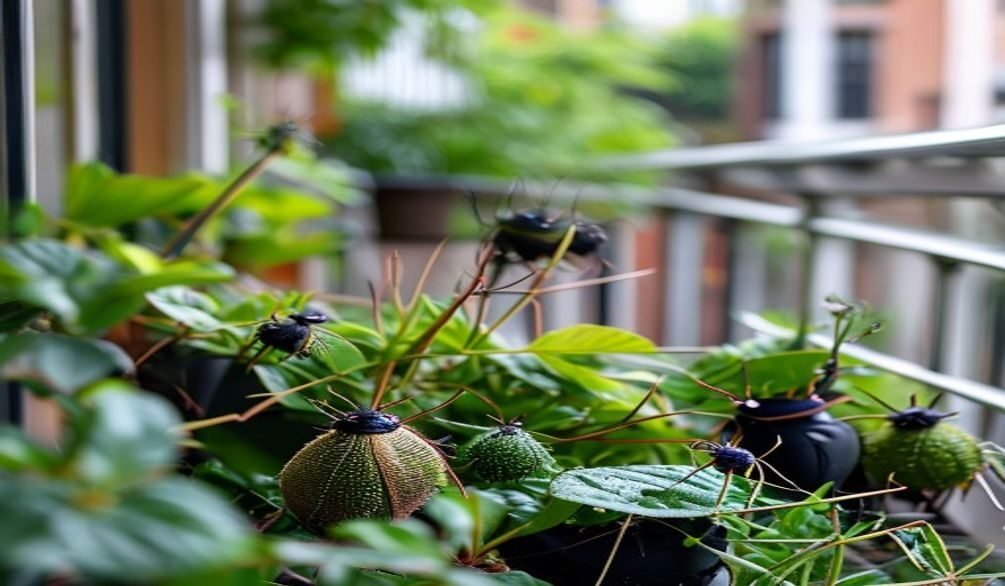
Key Takeaways
- Balcony garden pest identification relies on early recognition of visual cues such as chewed leaves or visible insects.
- Over 81% of homeowners prefer eco-friendly pest control for plants in 2026, according to a survey by Modern Pest Services (2026).
- Aphids were the most frequently cited persistent insect pest issue for greenhouse growers in 2026, according to a GPN survey (2026).
- Apps like Plantix and Agrio use AI to help with Balcony Garden Pest Identification 2026, offering instant diagnosis from uploaded photos.
- Regular, thorough inspection of plant undersides and new growth is critical for preventing widespread infestations.
Navigating the world of urban gardening comes with its unique set of challenges, and effective Balcony Garden Pest Identification 2026 is at the top of that list for many plant enthusiasts. As an expert gardener with over a decade of experience, I know the frustration of discovering unwelcome guests feasting on your beloved balcony plants. This guide will equip you with the knowledge to identify common pests, understand their damage, and implement sustainable solutions to keep your container garden thriving.
Quick Answer: Balcony garden pest identification relies on visual cues: chewed leaves, sticky residue, or visible insects like aphids, spider mites, or fungus gnats. Inspect plants regularly, especially leaf undersides, and use visual guides or apps for accurate 2026 identification and organic treatment.
Why are My Balcony Plants Getting Bugs in 2026?
Balcony plants get bugs due to various environmental factors unique to urban settings, often creating ideal conditions for pests despite limited space. The U.S. pest control market is projected to grow to US$ 29.1 billion by 2026, indicating the widespread nature of pest challenges that extend even to small urban gardens, according to industry reports (2026). Understanding these root causes is the first step in effective Balcony Garden Pest Identification 2026 and prevention.
One significant factor is **overcrowding**, a common issue in small balcony spaces. When plants are packed too closely, it restricts airflow and creates humid microclimates, which many pests like spider mites and aphids thrive in. This lack of air circulation makes it harder for plants to dry out after watering, inviting fungal issues and moisture-loving insects like fungus gnats.
New plants often introduce pests to your existing garden.
Always quarantine new additions for a few weeks to monitor for any signs of trouble before integrating them with your established plants. This simple step can prevent a widespread infestation that complicates your Balcony Garden Pest Identification 2026 efforts.
Another crucial aspect is **plant stress**, which makes plants more vulnerable to attack.
Plants under stress from improper watering, inadequate sunlight, or nutrient deficiencies emit signals that attract pests. Proper soil health is essential for robust plants, and you can learn more about it in our guide on Balcony Garden Soil: Top Mixes for Healthy Container Plants.
What most people miss is the impact of over-fertilization. Dr. Karey Windbiel-Rojas, Associate Director for Urban and Community Integrated Pest Management at the University of California (2025), emphasizes that “if you over-fertilize, especially with nitrogen, it causes a huge flush of new growth, and that can actually attract these piercing and sucking insects to your garden.” This lush, tender growth is a magnet for pests, making your Balcony Garden Pest Identification 2026 more critical.
Finally, urban environments themselves contribute to pest issues. Wind can carry insects from neighboring gardens or even larger green spaces. Proximity to other units means pests can easily migrate, making community-wide vigilance an unspoken part of Balcony Garden Pest Identification 2026.
Common Balcony Garden Pests: A 2026 Visual Guide
The most common pests affecting balcony gardens in 2026 include aphids, spider mites, whiteflies, mealybugs, and fungus gnats, each leaving distinct clues for Balcony Garden Pest Identification 2026. Aphids were the most frequently cited persistent insect pest issue across greenhouse crops in 2026, according to a GPN survey (2026), highlighting their prevalence. Knowing what to look for is half the battle in maintaining a healthy container garden.
Let’s break down these common culprits:
* **Aphids:**
* **Appearance:** Small, pear-shaped insects, often green, black, yellow, or pink. They cluster on new growth, stems, and leaf undersides.
* **Damage:** Curled, yellowing leaves; stunted growth; sticky residue called honeydew (which can lead to sooty mold). Aphids suck sap, weakening the plant.
* **Balcony Garden Pest Identification 2026 Tip:** Look for ant activity, as ants often “farm” aphids for their honeydew.
* **Spider Mites:**
* **Appearance:** Tiny, almost microscopic arachnids, usually red, green, or brown. Hard to see without a magnifying glass.
* **Damage:** Fine webbing on leaves and stems; tiny yellow or white stippling (dots) on leaves; bronze or dusty appearance on foliage.
* **Balcony Garden Pest Identification 2026 Tip:** Tap a suspect leaf over a white paper; if tiny specks move, you likely have mites. These thrive in hot, dry conditions.
* **Whiteflies:**
* **Appearance:** Small, white, moth-like insects that flutter up in a cloud when disturbed. They reside on leaf undersides.
* **Damage:** Yellowing, wilting leaves; stunted growth; sticky honeydew. They can quickly overwhelm a plant.
* **Balcony Garden Pest Identification 2026 Tip:** Their sudden flight upon disturbance is a clear giveaway.
* **Mealybugs:**
* **Appearance:** Soft-bodied, oval-shaped insects covered in a white, cottony wax. They tend to hide in leaf axils and stem joints.
* **Damage:** Stunted growth; yellowing leaves; sticky honeydew and sooty mold. Their waxy coating protects them from some sprays.
* **Balcony Garden Pest Identification 2026 Tip:** The distinctive cottony masses are easy to spot, often looking like small pieces of lint.
* **Fungus Gnats:**
* **Appearance:** Small, dark, mosquito-like flies that hover around the soil surface. Their larvae are tiny, clear-bodied worms in the soil.
* **Damage:** While adult gnats are mostly annoying, their larvae feed on fine root hairs, especially in seedlings, causing wilting or stunted growth.
* **Balcony Garden Pest Identification 2026 Tip:** These are a sign of overly moist soil. Dr. Karey Windbiel-Rojas (2025) identifies fungus gnats as a “really big pest that people come to our website to visit and get information” due to moisture issues.
Table of Common Balcony Pests and Their Signs
This table provides a quick reference for Balcony Garden Pest Identification 2026.
| Pest Type | Key Visual Sign | Primary Damage | Preferred Conditions |
|---|---|---|---|
| Aphids | Clusters on new growth, sticky honeydew | Curled, yellowing leaves; stunted growth | New, tender growth |
| Spider Mites | Fine webbing, tiny stippling on leaves | Bronze/dusty foliage, leaf drop | Hot, dry environments |
| Whiteflies | White cloud when disturbed, on leaf undersides | Yellowing leaves, sticky residue | Warm temperatures |
| Mealybugs | Cottony white masses in leaf axils | Stunted growth, yellowing, sticky film | Sheltered, moist areas |
| Fungus Gnats | Small flies hovering near soil | Root damage (larvae), wilting seedlings | Overly moist soil |
How to Identify Tiny Bugs and Pest Damage on Your Balcony Plants
Identifying tiny bugs and pest damage on balcony plants requires careful observation of both the insects themselves and the specific signs they leave behind, making effective Balcony Garden Pest Identification 2026 an ongoing process. Felicia Feaster, a contributing writer at HGTV.com (2025), advises that “You can identify pest damage in one of two ways: You see the insect or the damage it causes.” Regular inspection is your most powerful tool.
Start by making a routine of inspecting your plants at least once a week. Don’t just look at the top surfaces; **always check the undersides of leaves**, where many pests prefer to hide. Use a magnifying glass for a closer look, especially when dealing with suspected spider mites or thrips, which are notoriously tiny. This thorough approach is crucial for early Balcony Garden Pest Identification 2026.
Here’s a checklist for visual Balcony Garden Pest Identification 2026:
* **Chewed or ragged leaves:** This often indicates chewing pests like caterpillars, slugs, or beetles. Look for holes, notches along leaf edges, or skeletonized leaves.
* **Stippling or discoloration:** Tiny yellow or white dots on leaves are a classic sign of sap-sucking pests like spider mites or thrips. Widespread yellowing can also point to nutrient deficiencies or root issues, but always rule out pests first.
* **Sticky residue (honeydew):** This clear, sugary excretion is produced by sap-suckers like aphids, whiteflies, and mealybugs. It often feels sticky to the touch and can attract ants or lead to black sooty mold.
* **Webbing:** Fine, delicate webs, especially near leaf axils or covering entire leaves, are a definitive sign of spider mites.
* **Deformed growth:** Twisted, curled, or stunted new leaves can be caused by aphids, thrips, or other pests feeding on tender new shoots.
* **Visible insects:** Sometimes, the pests themselves are visible. Look for clusters of aphids, cottony masses of mealybugs, or small white flies taking flight when disturbed.
For advanced Balcony Garden Pest Identification 2026, consider using gardening apps. Plantix and Agrio are excellent tools that use AI and image recognition to help users identify plant diseases and pests by uploading photos, offering instant diagnosis and treatment advice. These apps can significantly enhance your Balcony Garden Pest Identification 2026 capabilities, especially for less common or hard-to-identify issues.
Natural & Organic Pest Control for Balcony Gardens
Natural and organic pest control methods for balcony gardens prioritize eco-friendly solutions that minimize harm to beneficial insects and the environment, making them ideal for urban spaces. Over 81% of homeowners prefer eco-friendly pest control for plants in 2026, according to a survey by Modern Pest Services (2026), reflecting a strong demand for these sustainable approaches. When you spot an issue through Balcony Garden Pest Identification 2026, your first line of defense should always be organic.
My decade of experience has taught me that consistency is key with organic methods. Don’t expect instant results like chemical pesticides; instead, focus on long-term plant health and ecological balance. Many effective solutions are readily available and safe for your family and pets. For a more comprehensive guide on these practices, check out our article on Organic Balcony Pest Control: Solutions for Container Plants.
Here are some highly effective natural and organic pest control methods:
* **Hand-picking:** For larger pests like caterpillars or slugs, or even clusters of aphids and mealybugs, simply picking them off by hand is incredibly effective. Drop them into a bucket of soapy water. This direct approach is often the quickest solution after Balcony Garden Pest Identification 2026.
* **Strong water spray:** A forceful jet of water can dislodge many soft-bodied pests like aphids and spider mites from your plants. Repeat every few days until the infestation subsides. Be gentle with tender plants.
* **Insecticidal Soap:** This organic solution works by suffocating soft-bodied insects. You can make your own by mixing 1 teaspoon of mild liquid soap (like Castile soap, avoid detergents) per 1 liter of water. Alternatively, products like Bonide Captain Jack’s Deadbug Brew Garden Dust offer an organic insecticide option that is effective against a range of pests.
* **Neem Oil:** Derived from the neem tree, Neem Oil is a powerful organic pesticide that acts as an anti-feedant, repellent, and growth disruptor for many pests, including aphids, spider mites, and whiteflies. It’s safe for beneficial insects once dry. Always follow product instructions for dilution and application, typically spraying in the evening to avoid leaf burn. It’s an indispensable tool for Balcony Garden Pest Identification 2026 follow-up treatments.
* **Diatomaceous Earth (DE):** This natural powder, made from fossilized diatoms, works by scratching the exoskeletons of crawling insects, causing them to dehydrate. Sprinkle food-grade DE around the base of plants or directly on pests like slugs and ants. Avoid applying it when beneficial insects are present.
* **Sticky Yellow Traps:** These simple traps are indispensable for monitoring and catching flying pests such as fungus gnats, whiteflies, and thrips. Placing them near affected plants helps you gauge the pest population and can significantly reduce numbers. This is a great aid for ongoing Balcony Garden Pest Identification 2026.
Preventing Pests in Your Balcony Garden: 2026 Strategies
Preventing pests in your balcony garden involves proactive strategies focused on plant health, environmental management, and regular vigilance, significantly reducing the need for intensive Balcony Garden Pest Identification 2026. Dr. Karey Windbiel-Rojas (2025) emphasizes that over-fertilizing, especially with nitrogen, can attract piercing and sucking insects, highlighting the importance of balanced plant care. Proactive measures are always more effective than reactive treatments.
My experience shows that a healthy plant is a resilient plant. Strong, thriving plants are naturally more resistant to pest attacks. Think of prevention as building your plants’ immune system.
Here are key strategies for preventing pests in your balcony garden:
* **Proper Watering:** Avoid overwatering, which creates moist conditions favored by fungus gnats and root rot. Allow the top inch or two of soil to dry out between waterings. Consistent, appropriate watering is foundational to plant health and reduces vulnerabilities that necessitate Balcony Garden Pest Identification 2026.
* **Good Airflow and Spacing:** Ensure your plants have enough space between them to allow for adequate air circulation. This prevents the humid, stagnant conditions that spider mites and powdery mildew love. Prune congested foliage to improve airflow, a simple yet effective preventative step for Balcony Garden Pest Identification 2026.
* **Healthy







