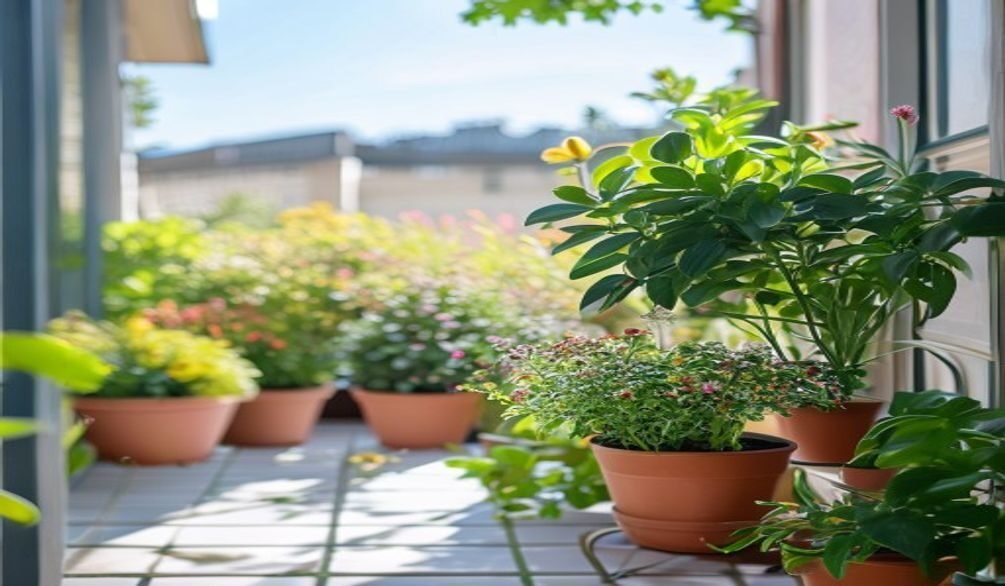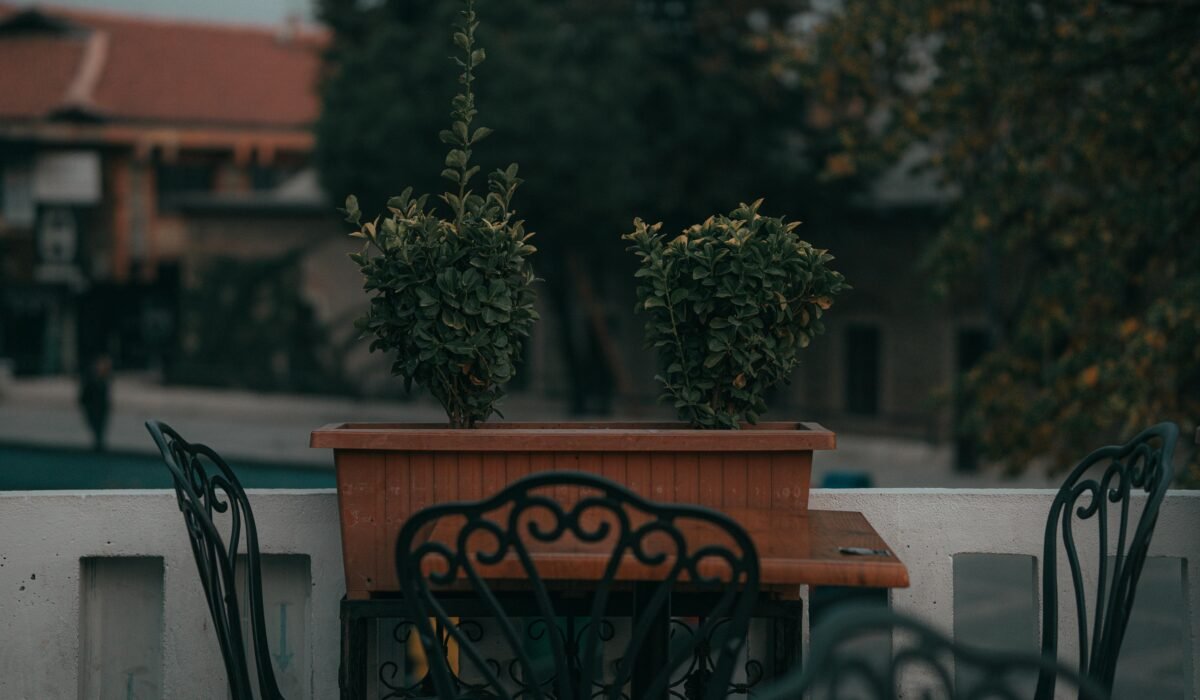
Deciding between a balcony vs. terrace garden can feel like a big decision when you’re dreaming of an urban oasis. Many aspiring gardeners wonder which outdoor space truly fits their lifestyle, structural limitations, and green aspirations. This comprehensive guide will break down the key differences, explore pros and cons, and walk you through crucial considerations to help you choose the perfect spot for your plants.
What’s the Difference Between a Balcony and a Terrace Garden?
While often used interchangeably, a balcony and a terrace have distinct architectural and functional characteristics that significantly impact your potential for an outdoor garden. Understanding these differences is the first step in planning your ideal urban garden solutions.
Balcony: Elevated and Protruding
A balcony is typically a small, elevated platform that projects from the wall of a building, usually accessible from an upper floor. It’s often enclosed by a railing and is supported either by brackets or cantilevers from the building’s structure. Think of it as a mini-extension of your living space, usually just large enough for a few chairs and some potted plants.
Balconies are fantastic for compact apartment gardening tips, offering a private spot for morning coffee or a small herb collection. Their limited size naturally encourages vertical gardening and creative use of space.
Terrace: Larger, Ground-Level, or Rooftop
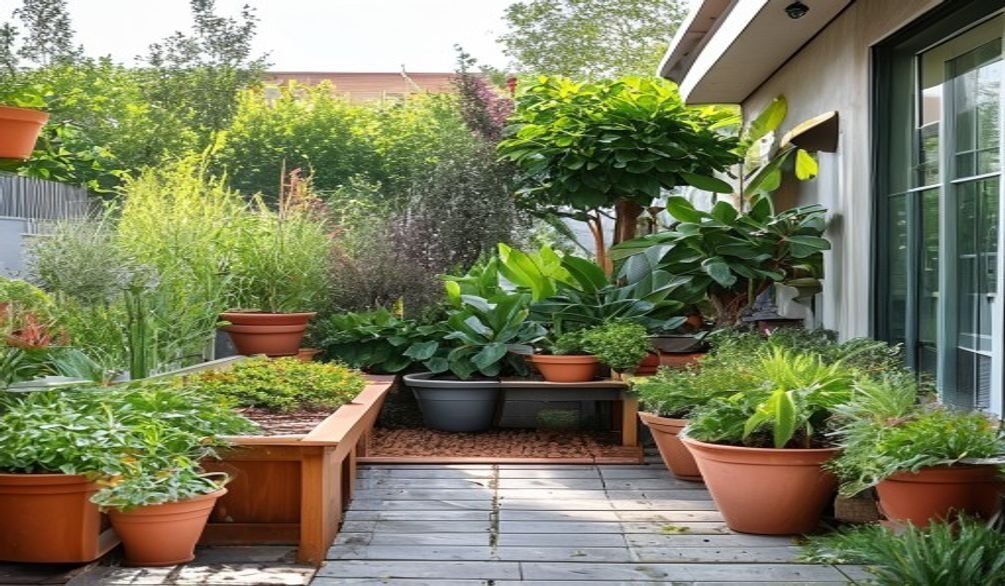
A terrace, on the other hand, is generally a larger, open-air space that can be at ground level, elevated above ground (like a patio), or even on a rooftop. Unlike a balcony, a terrace is often supported by the ground underneath or by the building’s main structure, making it feel more integrated with the landscape or roofline. You’ll find terrace garden design often incorporates more extensive landscaping.
Terraces offer more room for elaborate outdoor space design, allowing for larger furniture, more diverse planting, and even small water features. A rooftop garden vs. terrace on a lower level will share many characteristics, primarily their expansive, open nature compared to a balcony.
The short answer is: balconies are typically smaller, cantilevered projections, while terraces are larger, more structurally integrated, and can be at various levels, including ground or rooftop. This fundamental difference dictates much of what’s possible for your green ambitions.
Balcony vs. Terrace Garden: Pros and Cons Compared
When considering a balcony vs. terrace garden, weighing the advantages and disadvantages of each space is crucial. Your choice will shape your gardening experience, from the types of plants you can grow to the amount of maintenance required. Here’s a breakdown:
| Feature | Balcony Garden Pros | Balcony Garden Cons | Terrace Garden Pros | Terrace Garden Cons |
|---|---|---|---|---|
| Space & Size | Ideal for small space garden ideas; requires less plant material. | Limited room for furniture, large plants, or elaborate design. | Ample space for diverse planting, seating areas, and entertaining. | Requires more plants, soil, and materials; can feel overwhelming to design. |
| Privacy | Often feels more private, especially if recessed or with screening. | Can be overlooked by neighbors depending on building layout. | Generally more exposed, especially rooftop terraces. | Can be designed with screens or tall plants for better privacy. |
| Sun Exposure | Can be very specific (e.g., morning sun only), impacting plant choices. | May have limited direct sunlight due to building shadows. | Often receives abundant, consistent sunlight, ideal for many plants. | Can be prone to extreme heat and wind exposure. |
| Plant Variety | Best for containers, herbs, small flowers, and climbing plants. | Restricted by weight limits and available light; fewer options. | Supports larger shrubs, small trees, diverse annuals, and perennials. | Requires careful planning to avoid overcrowding and ensure proper growth. |
| Cost | Lower initial setup cost due to smaller scale. | Limited potential for increasing property value outdoor space significantly. | Higher initial investment for landscaping, furniture, and materials. | Can significantly enhance property value and appeal. |
| Maintenance | Easier to manage watering and pest control for fewer plants. | Plants can dry out quickly in small containers. | Requires more time and effort for watering, weeding, and pruning. | Larger scale makes pest management and fertilization more complex. |
What most people miss is how much the microclimate of each space influences plant success. A small balcony garden tips often revolve around clever container choices, while a terrace garden design can support raised beds and even small trees.
Assessing Your Space: Structural & Regulatory Considerations
Before you even pick out your first plant, understanding the structural integrity and regulatory landscape of your outdoor space is paramount. This is where the true expertise comes in, especially for any apartment terrace vs balcony project.
Structural Weight Limits: Don’t Overload Your Oasis
Every balcony and terrace has a maximum weight capacity, a critical factor for safety and preventing costly damage. For balconies, this is typically lower because they are cantilevered. Heavy planters, bags of soil, water features, and even the combined weight of people and furniture can quickly add up. You’ll need to consider the density of your chosen soil, the weight of plant containers guide materials (e.g., terracotta vs. plastic), and the water content, which can be substantial.
Always consult your building management or a structural engineer to understand your specific structural weight limits. Overloading can lead to dangerous structural failure. For terraces, especially rooftop ones, while typically designed for more load, heavy elements like large raised beds filled with wet soil still require careful planning and often additional reinforcement.
Waterproofing Outdoor Areas: Protecting Your Investment
This is a major concern, particularly for terraces above occupied spaces. Proper waterproofing outdoor areas is non-negotiable to prevent leaks and water damage to the building below. A robust drainage systems for gardens is essential, ensuring excess water can escape without pooling or seeping into the structure.
For terraces, this often involves a multi-layer system of membranes, drainage mats, and proper slope to direct water to drains. Balconies, while smaller, also require good drainage to prevent water accumulation that can damage the balcony itself or drip onto units below. In practice, many leaks from urban gardens stem from inadequate drainage or compromised waterproofing layers, making this a crucial, often overlooked, investment.
Building Code Regulations & Permits: Play by the Rules
Don’t assume you can do anything you want with your outdoor space. Local building code regulations often dictate what you can place, build, or grow. This might include restrictions on:
- Railing height and design: To ensure safety, especially with children or pets.
- Permanent structures: Sheds, pergolas, or extensive raised beds may require permits.
- Setbacks: How far items must be from the edge of the balcony or terrace.
- Weight and load distribution: Reinforcing the earlier point, these are often codified.
- Impact on neighbors: Noise, light, or privacy concerns.
What most people miss is that even temporary installations like large trellises or privacy screens might have height restrictions. Always check with your homeowner’s association (HOA), building management, or local planning department before making significant changes. Ignoring these rules can lead to fines, forced removal, or even legal action.
Design & Plant Selection for Your Outdoor Oasis
Once you’ve navigated the structural and regulatory hurdles, the fun begins: designing your outdoor space! Whether it’s a small balcony garden or a sprawling terrace, thoughtful planning transforms a concrete slab into a thriving garden.
Maximizing Your Space: Layout and Furnishings
For small balcony garden tips, the key is to go vertical. Think wall-mounted planters, tiered shelving, and hanging baskets. This frees up precious floor space for a compact bistro set or a comfortable chair. Use lightweight, multi-functional furniture that can be folded or stacked. For a terrace garden, you have more freedom. Create distinct zones for dining, lounging, and gardening. Consider built-in benches with storage or a large outdoor rug to define areas.
When it comes to plant container guide choices, consider aesthetics and functionality. Lightweight plastic or fiberglass pots are excellent for balconies due to weight restrictions, while terracotta, ceramic, or even concrete planters can add character to a terrace. Ensure all containers have adequate drainage holes to prevent root rot.
Choosing the Right Plants: Sun, Wind, and Water
Plant selection should always be guided by the specific conditions of your outdoor space. Here’s a quick guide:
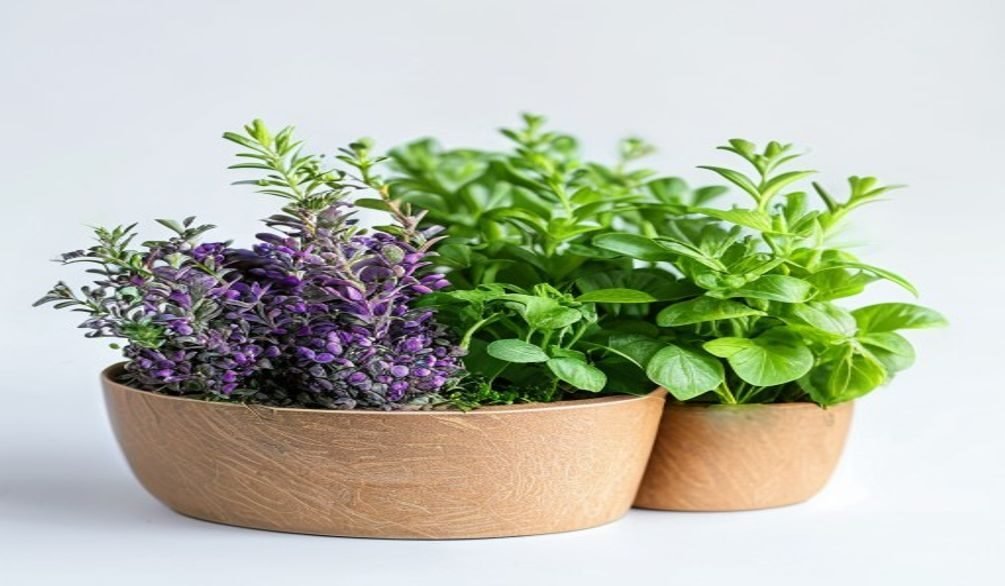
- Sunlight Exposure: Observe your space throughout the day. Does it get full sun (6+ hours), partial sun (3-6 hours), or shade (less than 3 hours)? This is the single most important factor. Sun-loving herbs like basil and rosemary thrive in full sun, while ferns and hostas prefer shade.
- Wind Exposure: Balconies and rooftop terraces can be very windy. Choose sturdy plants with flexible stems, or provide windbreaks. Drought-tolerant plants often fare better in windy conditions as they lose less moisture.
- Water Access: How easy is it to water your plants? Consider self-watering planters or drip irrigation systems for larger terrace gardens, especially if you travel frequently. For smaller spaces, a watering can might suffice.
- Climate: Always choose plants suitable for your gardening zones for beginners.
For balcony garden ideas, consider compact varieties of tomatoes, peppers, strawberries, and leafy greens. Trailing plants like nasturtiums or petunias add beauty without taking up much floor space. For terrace garden design, you can branch out to dwarf fruit trees, larger shrubs, ornamental grasses, and a wider array of perennial flowers. Don’t forget to incorporate beneficial plants to attract pollinators, a fantastic aspect of any urban garden solutions.
Maintenance Tips for Balcony and Terrace Gardens
Creating your green haven is just the beginning; consistent maintenance ensures its longevity and vibrancy. Whether you have an expansive terrace or a cozy balcony garden, a few key practices will keep your plants thriving.
Watering Wisely: The Lifeline of Your Garden
Container gardens, common on both balconies and terraces, dry out much faster than in-ground gardens. Regular, consistent watering is crucial, especially during hot, windy periods. Check soil moisture daily by sticking your finger about an inch deep. If it feels dry, it’s time to water.
For larger terrace gardens, consider installing a simple drip irrigation system or using self-watering planters. This saves time and water, ensuring your plants get what they need without constant attention. For a balcony garden, a good watering can might be sufficient, but be mindful of runoff onto neighbors below.
Feeding Your Plants: The Right Nutrients
Plants in containers quickly deplete the nutrients in their potting mix. To keep them healthy and productive, a regular feeding schedule is essential. Use a balanced liquid fertilizer every 2-4 weeks, or incorporate slow-release granular fertilizers into your soil at the beginning of the growing season. For an organic chemical-free herb garden, consider compost tea or worm castings.
What most people overlook is that different plants have different nutrient needs. Fruiting plants like tomatoes require more phosphorus and potassium, while leafy greens benefit from nitrogen. Tailoring your fertilizer to your plants’ specific requirements will yield better results.
Pest and Disease Management: Early Detection is Key
Even in urban garden solutions, pests and diseases can strike. Inspect your plants regularly for any signs of trouble, such as discolored leaves, chewed edges, or tiny insects. Early detection makes control much easier.
Many common balcony and terrace garden pests, like aphids or spider mites, can be managed with organic solutions. For example, a simple spray of insecticidal soap or neem oil can be very effective. DIY organic pest control is often the safest and most sustainable approach for your outdoor oasis. Ensure good air circulation around your plants to deter fungal diseases, especially in humid conditions.
Which is Better: A Balcony or a Terrace Garden For You?
The ultimate choice between a balcony vs. terrace garden isn’t about one being inherently “better” than the other, but rather which space aligns best with your individual needs, aspirations, and practical constraints. It’s a deeply personal decision, influenced by several factors.
Consider Your Lifestyle and Time Commitment
If you’re a busy individual with limited time for gardening, a small balcony garden might be your ideal fit. It requires less material, less watering, and less overall maintenance. You can enjoy the benefits of fresh herbs or a few vibrant flowers without feeling overwhelmed. If, however, you envision spending hours tending to plants, hosting outdoor gatherings, and experimenting with a wide variety of flora, a terrace garden offers the scale and flexibility to fulfill those dreams.
In practice, the amount of time you realistically have to dedicate to plant care is often the most significant predictor of gardening success.
Assess Your Budget and Long-Term Goals
Your budget will play a significant role. Setting up a comprehensive terrace garden, complete with large planters, diverse plants, and potentially a watering system, will be a more substantial investment than outfitting a small balcony. However, a well-designed terrace can significantly enhance your property value outdoor space, offering a return on investment that a smaller balcony might not.
Think about your long-term goals. Are you looking for a temporary green spot, or a permanent fixture that evolves with your home? This perspective can guide your initial investment and design choices.
Match Your Gardening Aspirations to Your Space
Ultimately, the “right” choice is the one that best allows you to achieve your gardening dreams. If your vision includes growing a few fresh vegetables, enjoying fragrant herbs, and adding a splash of color to your apartment, a balcony garden is perfectly suitable. If you dream of an expansive outdoor oasis, a mini-orchard, or a dedicated space for entertaining, then a terrace garden will provide the canvas you need.
Regardless of your choice, the joy of nurturing plants and creating your own green retreat is a rewarding experience. Choose the space that excites you most and embrace the journey of urban gardening.
Frequently Asked Questions
What is the difference between a balcony and a terrace?
A balcony is typically a smaller, elevated platform that projects from an upper floor of a building, often supported by cantilevers. A terrace, conversely, is generally a larger, open-air space that can be at ground level, elevated, or on a rooftop, and is usually more structurally integrated with the building or landscape, offering more extensive possibilities for outdoor space design.
Which is better, a balcony or a terrace?
Neither is inherently “better”; the ideal choice depends on your specific needs, available space, and gardening ambitions. Balconies are excellent for small space garden ideas and minimal maintenance, while terraces offer more room for diverse planting, entertaining, and elaborate outdoor space design, albeit with potentially higher costs and maintenance requirements.
Can you call a balcony a terrace?
While people sometimes use the terms interchangeably, technically, you cannot call a balcony a terrace. Balconies are distinct architectural features, typically smaller and projecting from a building’s facade, whereas terraces are larger, often ground-level or rooftop, and more integrated outdoor areas. Mislabeling can cause confusion, especially in real estate or building regulations.
Is a rooftop a terrace or a balcony?
A rooftop space is almost always considered a terrace, specifically a rooftop terrace or rooftop garden. It is a large, open-air area built on the roof of a building, offering significant space for gardening and outdoor living, unlike the smaller, protruding structure of a balcony. Rooftop terraces often require special considerations for structural weight limits and waterproofing outdoor areas.
Choosing between a balcony and a terrace garden is about understanding what each offers and how it aligns with your lifestyle and gardening aspirations. By considering structural realities, design potential, and maintenance needs, you can confidently select the perfect outdoor space to cultivate your urban garden. Start planning today and bring your green dreams to life!