
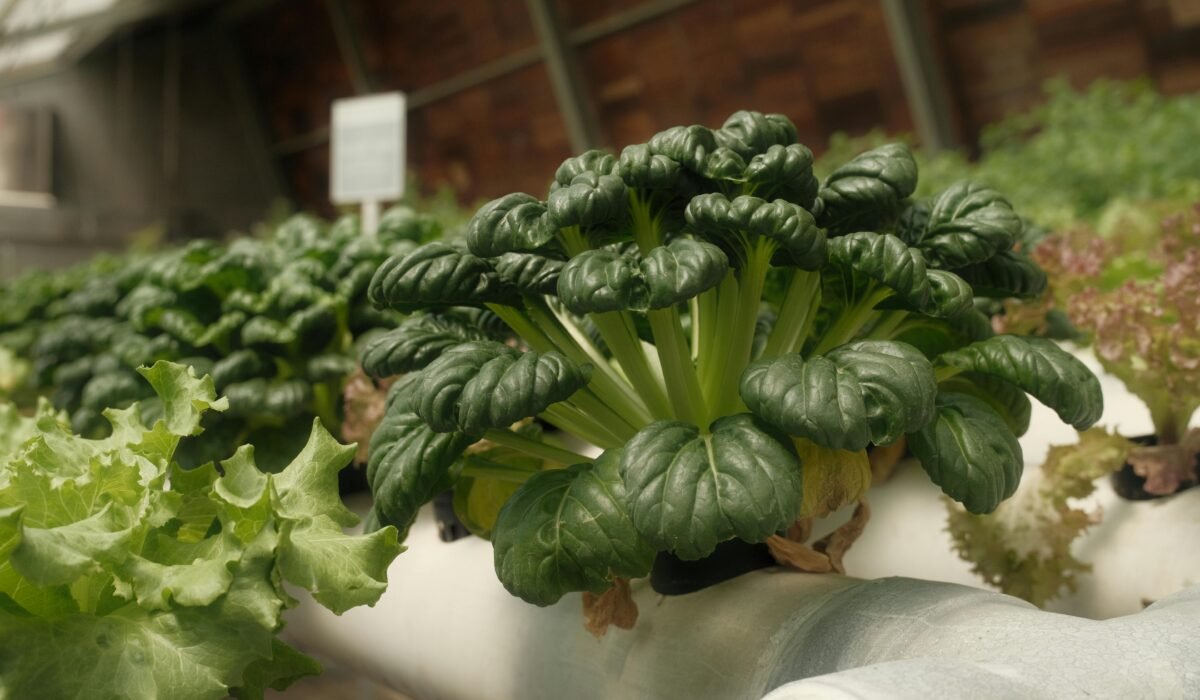
Imagine harvesting fresh, crisp lettuce or vibrant spinach from your own indoor garden, regardless of the season or outdoor climate. This isn’t a futuristic dream; it’s the reality offered by hydroponics, a revolutionary way to grow plants without soil. If you’re eager to cultivate your own pesticide-free leafy greens, choosing the Best Hydroponic System is your first crucial step.
This comprehensive guide will walk you through the most effective hydroponic systems for leafy greens, helping you select the perfect setup whether you’re a complete novice or an experienced gardener looking to expand your horizons. Get ready to transform your home into a productive, green oasis.
Why Grow Leafy Greens Hydroponically?
Hydroponics offers a compelling alternative to traditional soil gardening, especially for leafy greens. One of the most significant advantages is the dramatic reduction in water usage. Hydroponic systems can use up to 90% less water than conventional farming, making them incredibly sustainable and environmentally friendly. This efficiency is achieved by recirculating nutrient solutions, minimizing waste through evaporation and runoff.
Beyond water conservation, hydroponic cultivation boasts faster growth rates. Plants receive a perfectly balanced nutrient solution directly to their roots, eliminating the need for roots to search for nutrients and allowing them to focus more energy on foliage development. This often translates to quicker harvests and higher yields per square foot, providing you with a continuous supply of fresh produce.
Moreover, hydroponic gardens are typically free from soil-borne diseases and pests, significantly reducing the need for harmful pesticides. This ensures cleaner, healthier greens for your family. The ability to grow year-round, regardless of external weather conditions, is another major draw, offering consistent access to fresh, local produce. These collective hydroponic benefits make it an increasingly popular choice for home growers and commercial farms alike.
Deep Water Culture (DWC) vs. Nutrient Film Technique (NFT)
When it comes to growing leafy greens hydroponically, two systems stand out as particularly effective and widely adopted: Deep Water Culture (DWC) and Nutrient Film Technique (NFT). Understanding their differences is key to choosing the right one for your needs.
Deep Water Culture (DWC)
The DWC system is perhaps the simplest and most beginner-friendly hydroponic method. In a DWC setup, plant roots are suspended directly into a reservoir of nutrient-rich water. An air pump and air stone continuously oxygenate the solution, preventing root rot and promoting vigorous growth. Plants are typically held in net pots, with their roots dangling into the solution.
Pros of DWC:
- Extremely simple to set up and operate, making it ideal for beginners.
- Relatively low cost for basic setups.
- Excellent for plants that love water and grow quickly, like most leafy greens and lettuce.
- Roots have constant access to nutrients and water.
Cons of DWC:
- Requires an air pump and air stone, meaning electricity is necessary.
- Temperature fluctuations in the water can impact plant health.
- If the air pump fails, roots can quickly suffocate.
- Nutrient solution levels and pH need regular monitoring.
Nutrient Film Technique (NFT)
NFT hydroponics involves a continuous, thin film of nutrient solution flowing over the roots of plants that are suspended in channels or gullies. The channels are slightly sloped, allowing gravity to carry the solution from a reservoir, over the roots, and back into the reservoir for recirculation. Plants are usually placed in net pots within holes in the channels, allowing their roots to trail down into the nutrient film.
Pros of NFT:
- Highly efficient use of water and nutrients due to recirculation.
- Roots receive excellent oxygenation from the thin film of solution and exposure to air.
- Scalable for larger operations and vertical farming applications.
- Minimal growing medium required.
Cons of NFT:
- More complex to set up than DWC, requiring precise channel slopes and pump calibration.
- Vulnerable to power outages; if the pump stops, roots can dry out quickly.
- Blockages in the channels can disrupt nutrient flow to plants.
- Root growth can sometimes clog channels if not managed.
For most home growers focusing on leafy greens, DWC offers an unbeatable combination of simplicity and effectiveness. NFT, while highly efficient, might be preferred by those looking for a slightly more advanced system or planning a larger-scale setup.
Beginner-Friendly Hydroponic Systems for Easy Start
Starting your hydroponic journey doesn’t have to be intimidating. Several systems are specifically designed for ease of use, making them perfect for those new to soil-less gardening. The goal is to minimize complexity while maximizing your chances of success.
The Kratky Method
Among the simplest, the Kratky method is a non-circulating passive hydroponic system that requires no pumps, electricity, or moving parts. Plants sit in net pots with their roots partially submerged in a static nutrient solution. As the plant consumes water and nutrients, the solution level drops, creating an air gap that provides oxygen to the roots. This method is incredibly low-maintenance, making it ideal for single plants or small batches of leafy greens.
For a deeper dive into growing herbs, which thrive in simple setups like Kratky, check out our Beginner’s Guide: Start Your Indoor Herb Garden Today!
Compact Indoor Hydroponic Gardens
Another excellent option for beginners, particularly those with limited space, are all-in-one compact indoor hydroponic garden units. Brands like AeroGarden, Rise Garden, and Click & Grow offer self-contained systems that include grow lights, pumps, and often pre-seeded pods. These systems automate many of the growing processes, from lighting schedules to nutrient delivery, significantly reducing the learning curve.
They are perfect for kitchen counters or small apartments, allowing you to grow herbs, salads, and microgreens with minimal effort. While the initial investment might be higher than a DIY DWC or Kratky setup, the convenience and guaranteed success often justify the cost for first-time growers.
When selecting your first system, consider how much time you’re willing to dedicate to maintenance and your available space. Simple DWC or Kratky setups are fantastic for hands-on learners, while automated indoor gardens offer a truly “set it and forget it” experience for busy individuals.
Top Leafy Greens That Thrive in Hydroponics
One of the joys of hydroponics is the ability to grow a wide variety of plants efficiently. For leafy greens, the success rate is particularly high due to their relatively fast growth cycles and moderate nutrient demands. Here are some of the top performers you should consider for your hydroponic garden:
- Lettuce (Various Types): Almost all types of lettuce flourish in hydroponic systems. From crisp romaine and butterhead to loose-leaf varieties like Black Seed Simpson and Nevada Summer Crisp, hydroponic lettuce grows rapidly, producing tender, delicious leaves. They have shallow root systems and a high demand for water, making them perfect candidates for DWC and NFT.
- Spinach: A nutritional powerhouse, spinach thrives in hydroponic conditions. It prefers slightly cooler temperatures but will produce abundant harvests of nutrient-rich leaves.
- Kale: Both curly and lacinato kale varieties grow exceptionally well without soil. They are robust plants that can be continuously harvested, providing a steady supply of this superfood.
- Arugula: For those who love a peppery kick, arugula is a fast-growing leafy green that can be harvested multiple times. It’s a great choice for quick turnarounds in your system.
- Bok Choy: This Asian green is known for its tender leaves and crunchy stalks. It adapts beautifully to hydroponic environments, offering versatile culinary options.
- Herbs: While not strictly “leafy greens” in the salad sense, many culinary herbs are grown for their leaves and perform exceptionally well in hydroponics. Basil, mint, cilantro, dill, and oregano are fantastic choices, providing fresh flavor right from your kitchen. You can learn more about growing herbs in small spaces in our guide: Balcony Herb Garden: Best Herbs for Small Spaces & Containers.
- Mizuna & Mustard Greens: These vibrant, slightly spicy greens are excellent for adding flavor and texture to salads. They are fast growers and provide continuous harvests.
These plants are ideal for vertical farming greens setups too, maximizing your yield in a compact footprint. Their consistent performance makes them staples in any successful hydroponic leafy green garden.
Integrating Smart Technology into Your Hydroponic Garden
The world of hydroponics is rapidly embracing smart technology, making gardening more precise, efficient, and convenient than ever before. Integrating smart features into your setup can elevate your growing experience, especially for those seeking optimal yields and minimal manual intervention. This trend is set to define the future of indoor gardening, with significant advancements expected between 2025 and 2026.
Smart hydroponics systems leverage IoT (Internet of Things) sensors and AI-driven monitoring to create a highly optimized growing environment. These systems can automatically track and adjust critical parameters such as:
- pH Levels: Maintaining the correct pH is vital for nutrient absorption. Smart systems can monitor pH in real-time and even automatically dose pH adjusters.
- EC (Electrical Conductivity): EC measures the concentration of nutrients in the solution. AI can optimize nutrient formulations, potentially reducing usage by up to 40% while maintaining yield.
- Water Temperature: Ideal water temperature prevents root diseases and promotes healthy growth.
- Air Temperature & Humidity: Environmental controls ensure plants are in their optimal comfort zone.
- Light Cycles: Automated timers and intensity controls for LED grow lights ensure plants receive the exact amount of light needed for photosynthesis.
Beyond monitoring, smart systems often provide real-time alerts to your smartphone, notifying you of any deviations or required actions. Some even offer remote control capabilities, allowing you to manage your garden from anywhere. This level of automation not only saves time but also reduces the chances of human error, leading to more consistent and bountiful harvests.
Furthermore, advancements in energy-efficient, full-spectrum LED grow lights are reducing electricity costs by 40-60%. These lights can be integrated into smart systems, optimizing light delivery while minimizing energy consumption. For those passionate about technology and gardening, a smart hydroponic setup offers an exciting blend of innovation and green living.
Cost-Effective Hydroponic Setups for Home Growers
One common misconception about hydroponics is that it’s an expensive hobby. While advanced commercial systems can indeed be costly, home growers can establish highly effective and productive setups on a surprisingly modest budget. The key is to balance initial investment with long-term savings and desired complexity.
For beginners, a basic DWC or Kratky system can be assembled for under $100 using readily available materials. A simple DWC setup might include:
- A dark-colored storage tote or bucket (around $10-20)
- Net pots (a pack for $5-10)
- An air pump and air stone (around $20-30)
- Hydroponic nutrients (a starter kit for $20-40)
- pH testing kit (strips or drops for $10-20)
If you’re looking for a slightly more integrated solution, mid-tier hobby systems, often including grow lights, can range from $150 to $400. These systems often provide better aesthetics and some level of automation, making them a good stepping stone for those who want more than DIY but aren’t ready for a fully smart system.
While the upfront cost for equipment is a consideration, remember the long-term savings. Growing your own leafy greens can significantly reduce your grocery bill, especially for organic or specialty varieties. Freshly harvested produce also tastes better and is often more nutritious. Over time, your hydroponic garden can pay for itself, offering a continuous supply of healthy food right at your fingertips. For maximizing your growing space, especially if you’re working with a small area, explore our guide on Maximize Balcony Space: Smart Ideas for Small Urban Retreats.
Additionally, investing in energy-efficient LED grow lights is a wise decision. While they might have a higher initial cost than fluorescent lights, their lower electricity consumption and longer lifespan lead to substantial savings over time, further enhancing the cost-effectiveness of your hydroponic venture.
Nutritional Benefits and Safety of Hydroponic Greens
Beyond convenience and sustainability, a crucial question for many growers is the nutritional value and safety of hydroponically grown leafy greens. The good news is that hydroponic produce often matches or even surpasses its soil-grown counterparts in nutrient density.
Because hydroponic systems deliver precise amounts of nutrients directly to the roots, plants can efficiently absorb exactly what they need for optimal growth. Studies have indicated that hydroponic lettuce and spinach, for example, can have higher levels of certain vitamins, such as Vitamin C, and minerals like potassium, compared to traditionally grown produce. This precision feeding allows growers to tailor nutrient profiles to specific plant needs, potentially enhancing nutritional content.
From a safety perspective, hydroponic greens generally offer several advantages. The absence of soil eliminates the risk of soil-borne diseases and many common pests, which in turn reduces or entirely removes the need for chemical pesticides and herbicides. This means you’re harvesting cleaner, pesticide-free produce directly from your home.
However, it’s important to note that maintaining proper hygiene and water quality in any hydroponic system is paramount to prevent the growth of harmful bacteria. Research efforts, such as those conducted at The Ohio State University, are continuously focused on understanding and mitigating potential human pathogen contamination risks in commercial hydroponic production, ensuring the highest safety standards for consumers.
For home growers, using clean water, reputable nutrient solutions, and regularly monitoring your system’s health will ensure your hydroponic greens are not only delicious and nutritious but also safe for consumption.
“Hydroponic systems use up to 90% less water than traditional farming methods, offering a sustainable path to fresh, local produce year-round.” – Industry Report Insights
This remarkable efficiency, combined with the potential for enhanced nutrition and reduced pesticide use, makes hydroponics a compelling choice for health-conscious individuals and environmental stewards alike.
Choosing the Best Hydroponic System for your leafy greens ultimately depends on your individual goals, budget, and comfort level with technology. Whether you opt for the simplicity of a Kratky setup, the efficiency of DWC, or the advanced automation of a smart indoor garden, the rewards of growing your own fresh produce are immense. From crisp lettuce to vibrant spinach and aromatic herbs, hydroponics offers a sustainable, efficient, and deeply satisfying way to bring the garden into your home.
Don’t wait to experience the joy of harvesting your own greens. Take the plunge into hydroponics today and cultivate a healthier, greener lifestyle!







