
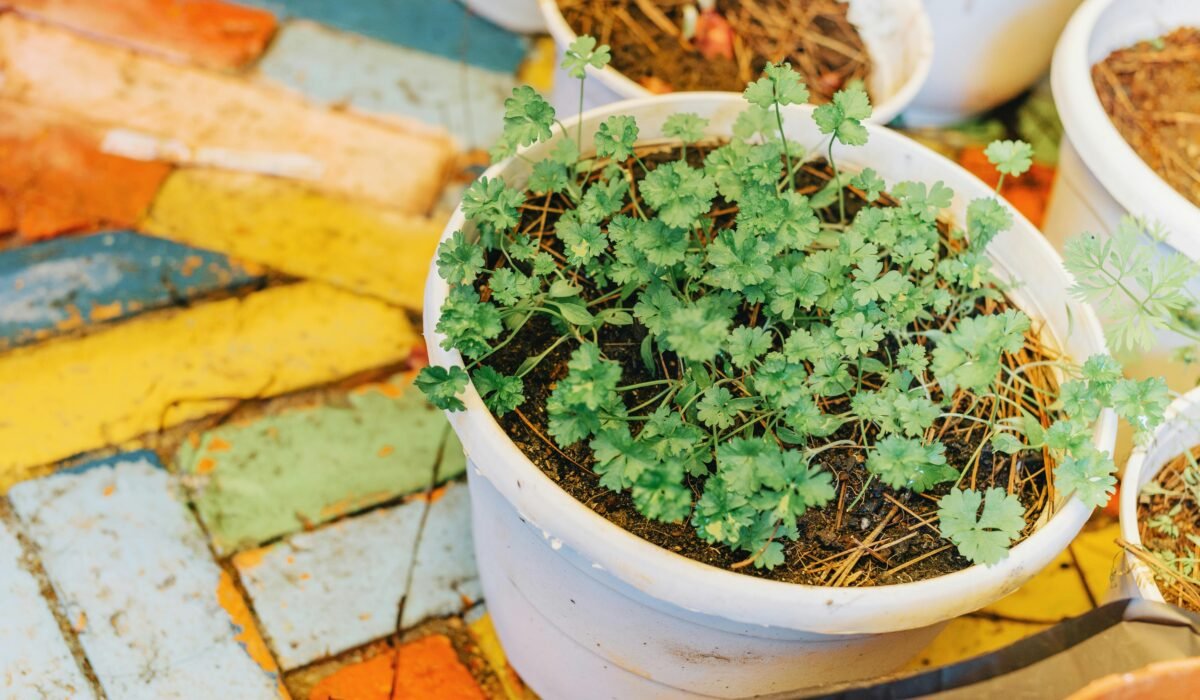
Imagine plucking fresh, fragrant herbs directly from your kitchen counter, adding a burst of flavor to every meal, regardless of the season. Starting an indoor herb garden is not just a dream for seasoned gardeners; it’s an incredibly rewarding and surprisingly simple venture for anyone, even those without a green thumb.
This comprehensive guide will walk you through everything you need to know to cultivate a thriving indoor oasis of culinary delights, bringing the joy of fresh herbs right into your home.
Why Start an Indoor Herb Garden? Benefits & Basics
The allure of an indoor herb garden extends far beyond just aesthetics. It’s a practical, sustainable, and deeply satisfying hobby that offers a bounty of benefits. For starters, you gain a constant supply of fresh, organic ingredients, elevating your home cooking with vibrant flavors that simply can’t be matched by store-bought, often wilted, alternatives.
Beyond the culinary advantages, growing herbs indoors can lead to significant cost savings. Think about how often you buy a bunch of parsley or basil, only to use a fraction of it before it spoils. With your own garden, you harvest only what you need, drastically reducing food waste and grocery bills.
But the benefits don’t stop there. Indoor plants, including herbs, are known to improve air quality by filtering toxins and increasing oxygen levels. They also offer therapeutic advantages, providing a sense of calm and well-being. The simple act of tending to your plants can be a powerful stress reliever, connecting you with nature even when confined indoors.
Getting started with an indoor herb garden doesn’t require extensive knowledge. The basics are straightforward: adequate light, appropriate watering, well-draining soil, and consistent temperatures. With a little attention to these fundamentals, you’ll be well on your way to a flourishing herb collection.
Easiest Herbs to Grow Indoors for Beginners
When you’re just starting out, choosing the right herbs can make all the difference between frustration and success. Fortunately, many popular culinary herbs are incredibly forgiving and thrive indoors, making them perfect easy indoor herbs for your first garden. These varieties are known for their resilience and relatively low maintenance requirements, allowing you to build confidence as you go.
Here are some of the best herbs to grow herbs indoors for beginners:
- Basil: A warm-weather lover, basil needs plenty of light and consistent moisture. Its fragrant leaves are perfect for pesto, pasta, and salads.
- Mint: Known for its vigorous growth, mint is incredibly easy to grow and can even tolerate slightly less light than other herbs. Keep it in its own pot, as it tends to spread.
- Chives: These onion-flavored greens are robust and grow well in moderate light. Simply snip the tops as needed for garnishes and savory dishes.
- Parsley: Both curly and flat-leaf parsley do well indoors with sufficient light and consistent moisture. It’s a versatile herb for almost any savory meal.
- Thyme: A hardy herb, thyme prefers well-draining soil and plenty of sunlight but can tolerate drier conditions once established. It’s excellent for roasts and stews. If you’re looking for more specific guidance on growing this herb, check out our guide on how to grow oregano and thyme in pots.
- Oregano: Similar to thyme, oregano thrives in bright light and well-drained soil. Its pungent leaves are a staple in Mediterranean cuisine.
- Rosemary: While it can be a bit more finicky, a small rosemary plant can flourish indoors with ample sunlight and good air circulation.
- Cilantro: This herb prefers cooler temperatures and bright light. It can be prone to bolting (going to seed) in warm conditions, so consistent harvesting is key.
- Dill: With its feathery leaves, dill is easy to grow from seed and adds a fresh, tangy flavor to fish, salads, and pickles.
Starting with these reliable choices will give you a quick win and encourage you to expand your indoor gardening adventures.
Light, Water, & Soil: The Foundation for Success
Mastering the triumvirate of light, water, and soil is crucial for a thriving indoor herb garden. These three elements form the fundamental support system for your plants, directly influencing their growth, flavor, and overall health.
The Right Light: Sunshine or Supplemental Glow?
Most herbs are sun-worshippers, typically requiring at least 6 hours of direct sunlight daily to flourish. A south-facing window is often the ideal natural light source, providing the most intense and prolonged exposure. East or west-facing windows can also work, but north-facing windows usually don’t offer enough light for most herbs.
If natural light is limited in your home, don’t despair! This is where an indoor grow light setup becomes your best friend. Supplemental lighting can ensure your herbs receive the energy they need to grow strong and flavorful, preventing leggy growth and pale leaves. We’ll delve deeper into grow lights later in this post.
Watering Wisely: Avoiding the Common Pitfalls
Consistent, but not excessive, watering is key. Overwatering is a common mistake that can lead to root rot, a death sentence for many plants. The best approach is to water your herbs when the top inch of soil feels dry to the touch. You can test this by simply sticking your finger into the soil.
When you do water, do so thoroughly until you see water draining from the bottom of the pot. This ensures the entire root ball receives moisture. Always empty any excess water from the saucer beneath the pot to prevent your plant from sitting in standing water. For more detailed insights on maintaining optimal moisture levels, read our guide on Watering Plants: How Much & How Often for Plant Success.
Soil and Containers: The Perfect Home
Herbs thrive in well-draining soil that allows air to reach their roots and prevents waterlogging. A good quality potting mix designed for containers is usually sufficient. Avoid using dense garden soil, which can compact and suffocate roots in a pot.
When it comes to containers for your container gardening herbs, drainage is paramount. Choose pots with drainage holes at the bottom. Terracotta pots are excellent as they are porous and allow for better air circulation to the roots, helping to prevent overwatering. The size of the pot should be appropriate for the herb; generally, a 6-8 inch pot is suitable for most single herb plants. For more information on creating the ideal growing medium, explore our article on the Best soil mix for container plants.
Harvesting & Maintaining Your Indoor Herbs
Learning how to properly harvest and maintain your indoor herbs is crucial for ensuring a continuous supply of fresh kitchen herbs and promoting healthy, bushy growth. It’s not just about snipping leaves; it’s about understanding how your plants respond to pruning.
Harvesting for Continuous Growth
The beauty of growing your own herbs is that the more you harvest them correctly, the more they often produce. For most herbs like basil, mint, and oregano, pinching back the growth tips encourages the plant to branch out, leading to a fuller, bushier plant rather than a tall, leggy one. Aim to cut just above a set of leaves or a leaf node (where leaves emerge from the stem).
For herbs like chives and parsley, you can simply snip the outer leaves or stems close to the base of the plant. Avoid taking more than about one-third of the plant at any one time, as this can stress it. Regular harvesting prevents the plant from flowering (bolting), which can cause the leaves to lose flavor. This technique is similar to the principles discussed in Master Pruning Backyard Fruit Trees for Big Harvests, focusing on encouraging productive growth.
Ongoing Indoor Plant Care
Beyond harvesting, a few simple maintenance practices will keep your herbs thriving:
- Fertilizing: Indoor herbs generally don’t need heavy feeding. A diluted liquid organic fertilizer once a month during their active growing season (spring and summer) is usually sufficient.
- Pest Control: Indoor plants can occasionally attract pests like fungus gnats or aphids. Regularly inspect your plants for any signs of trouble. Early detection is key. For common pests like fungus gnats, check out our detailed guide on How to Get Rid of Fungus Gnats in Houseplants.
- Repotting: As your herbs grow, they may become root-bound. When you see roots growing out of the drainage holes or the plant seems to dry out very quickly, it’s time to repot into a slightly larger container.
- Rotation: If your herbs are near a window, rotate their pots every week or so to ensure all sides receive adequate light, promoting even growth.
- Air Circulation: Good air movement helps prevent fungal diseases. If your indoor space is very still, a small fan set on a low setting for a few hours a day can be beneficial.
Consistent attention to these details will ensure your indoor plant care routine results in robust and flavorful herbs.
Embracing Smart Tech: Grow Lights & Hydroponics
The world of indoor gardening is rapidly evolving, with technology making it easier and more efficient than ever to cultivate an indoor herb garden. For those serious about year-round growth or living in low-light conditions, embracing smart tech like advanced grow lights and hydroponic systems can revolutionize your experience.
The Power of Grow Lights
As mentioned earlier, grow lights are a game-changer if natural light is insufficient. Modern LED grow lights are particularly popular for an indoor grow light setup due to their energy efficiency, long lifespan, and ability to emit full-spectrum light that mimics natural sunlight. This full spectrum is crucial for all stages of plant development, from germination to robust leaf production.
Leading brands like GE LED Grow Light, Kullsinss LED Grow Lights, VITA grow bulb, Aspect Hanging Grow Light, and Juhefa Grow Light offer excellent options for various budgets and needs. Philips LED grow lights are also renowned for their ability to enhance yield and taste. These lights provide the consistent, intense illumination your herbs crave, ensuring they thrive regardless of the weather outside. For a deeper dive into choosing the right grow lights, Eartheasy offers comprehensive guidance on grow lights for indoor plants.
Hydroponics and Smart Indoor Gardens
For the ultimate in convenience and efficiency, consider a hydroponic system or a smart indoor garden. These trending solutions remove the need for soil, growing plants directly in nutrient-rich water. This method can reduce water consumption by up to 95% compared to traditional soil-based gardening and often results in faster plant growth.
Smart indoor gardens take it a step further, integrating automated watering, lighting schedules, and sometimes even AI-powered plant care. They simplify the gardening process, making it accessible even if you consider yourself a novice. These systems are essentially an all-in-one best indoor herb garden kit, providing everything you need to get started with minimal fuss.
Popular examples of these advanced systems include Gardyn Home 4, Plantaform Smart Indoor Garden, Click & Grow Smart Garden, AeroGarden, ēdn SmallGarden, and Rise Personal Garden. These setups allow you to grow a variety of hydroponic herbs with minimal effort, ensuring a continuous supply of fresh produce right in your home. The accessibility and efficiency of these systems have greatly contributed to the expansion of indoor gardening, making it easier for anyone to participate, as highlighted by researchers at the University of Florida Institute of Food and Agricultural Sciences (UF/IFAS).
Whether you opt for a simple pot on a windowsill or a high-tech hydroponic setup, embracing these tools can significantly enhance your indoor gardening journey.
Starting an indoor herb garden is a rewarding journey that brings fresh flavors, vibrant greenery, and a touch of nature into your home. From selecting the easiest herbs to understanding their fundamental needs for light, water, and soil, you now have the knowledge to begin. Remember that consistent care, smart harvesting, and perhaps a little help from modern technology will ensure your herbs flourish.
Don’t wait any longer to experience the joy and convenience of homegrown herbs. Pick a few of your favorite easy-to-grow varieties, find a sunny spot or invest in a simple grow light, and start planting today. Your taste buds, your wallet, and your well-being will thank you!







