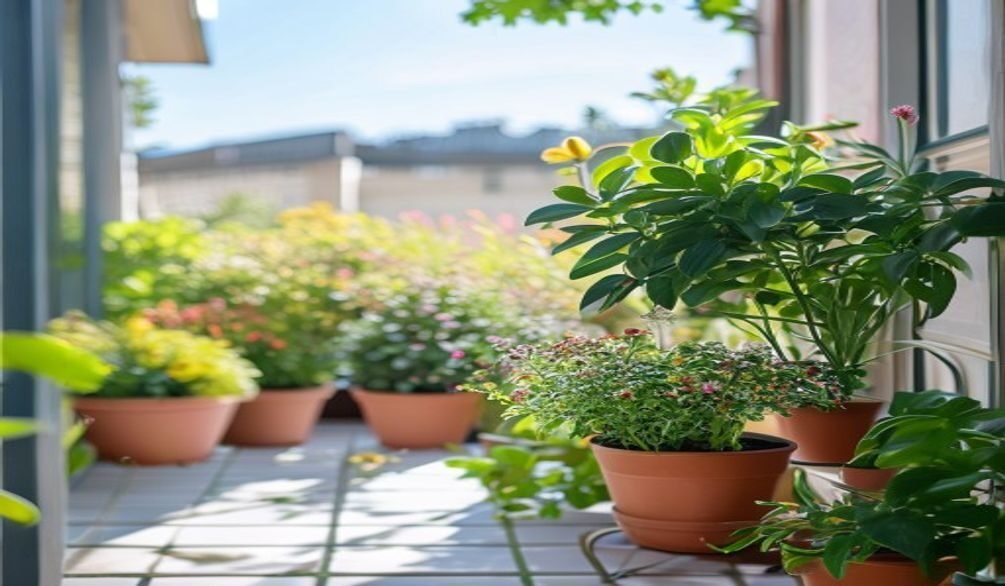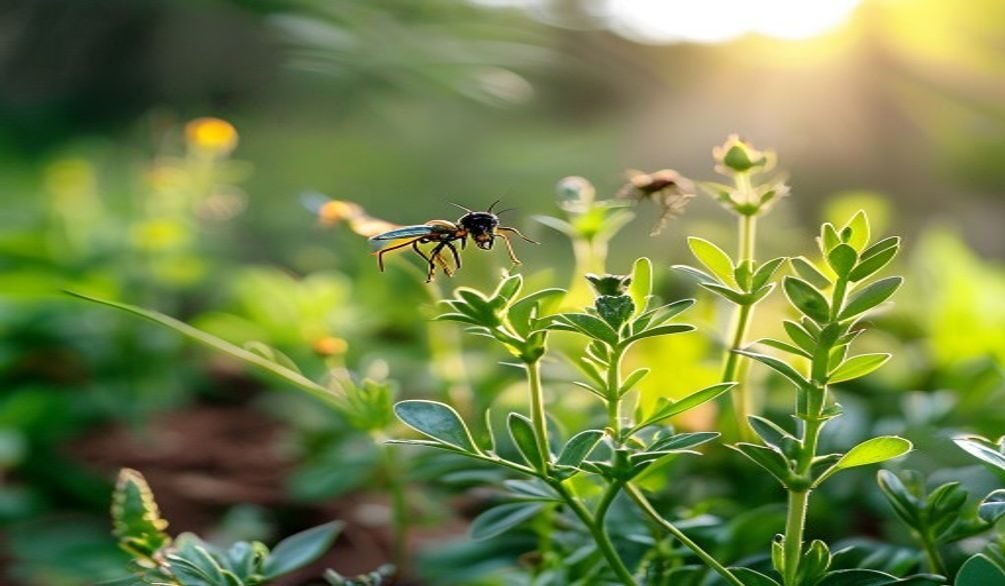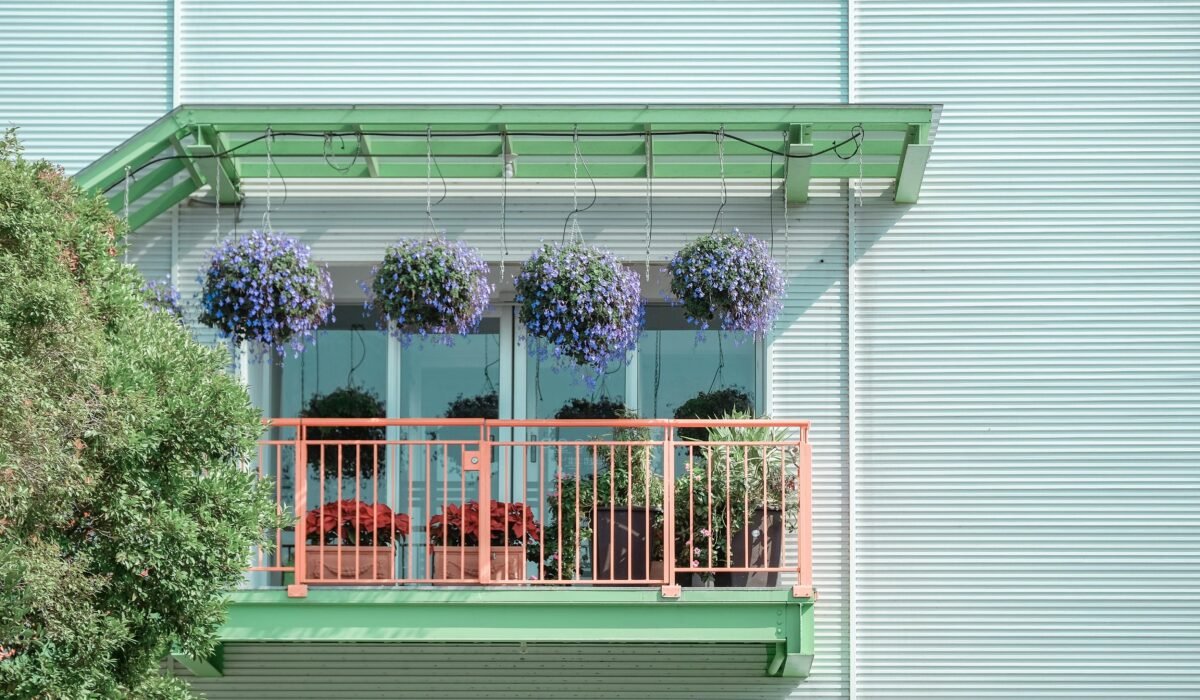
Are you dreaming of a vibrant balcony that not only looks beautiful but also provides fresh ingredients for your kitchen? Discovering the best edible flowers for balcony garden cultivation transforms your small outdoor space into a productive, delicious oasis. This guide will walk you through selecting, growing, and safely enjoying a stunning array of edible blooms, ensuring your urban garden thrives with both beauty and bites.
What are the Best Edible Flowers for Your Balcony Garden?
Choosing the right edible flowers for small spaces is key to a successful balcony garden. You need varieties that are not only delicious but also thrive in containers and adapt to varying light conditions. The good news is there’s a fantastic selection of container edible flower ideas that offer both aesthetic appeal and culinary versatility.
Top Picks for Balcony Edible Blooms
Many popular edible flowers are perfectly suited for pots, making them ideal for urban gardeners. These options are generally easy to grow and offer distinct flavors.
- Nasturtiums: These vibrant, peppery flowers and leaves are incredibly easy to grow from seed, even for beginners. They come in stunning reds, oranges, and yellows and can drape beautifully over containers, making them excellent for a balcony vertical garden aesthetic. As a bonus, Nasturtiums are known to deter cucumber beetles, offering a natural pest control benefit.
- Pansies and Violas: With their delicate, mild wintergreen flavor, these charming flowers are perfect for garnishes or crystallizing. They prefer cooler weather and can tolerate some shade, making them versatile for different balcony exposures.
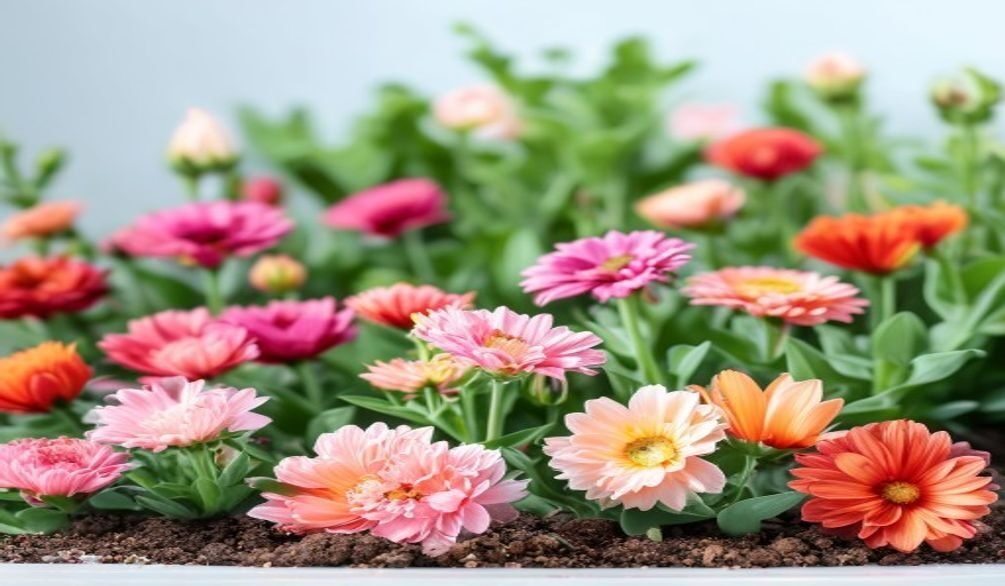
- Marigolds (Calendula): Often called “pot marigolds,” these cheerful orange and yellow blooms offer a tangy, slightly bitter, peppery taste. Diane Blazek, Executive Director of the National Garden Bureau, notes the “Granny revival” trend, highlighting how easy-care plants like marigolds are regaining popularity in gardens for their resilience and charm.
- Chives: While known for their onion-flavored leaves, chives also produce beautiful purple globe flowers with a delicate oniony taste. They are perennial and return year after year, providing continuous harvests from your balcony.
- Borage: The star-shaped blue flowers of borage have a refreshing cucumber flavor, perfect for drinks, salads, or as a vibrant garnish. This annual plant is a prolific bloomer and attracts pollinators.
- Roses: Select fragrant, unsprayed roses for their sweet, floral petals. Darker petals often have a more pronounced flavor. They require larger pots and consistent care but offer a truly luxurious edible experience.
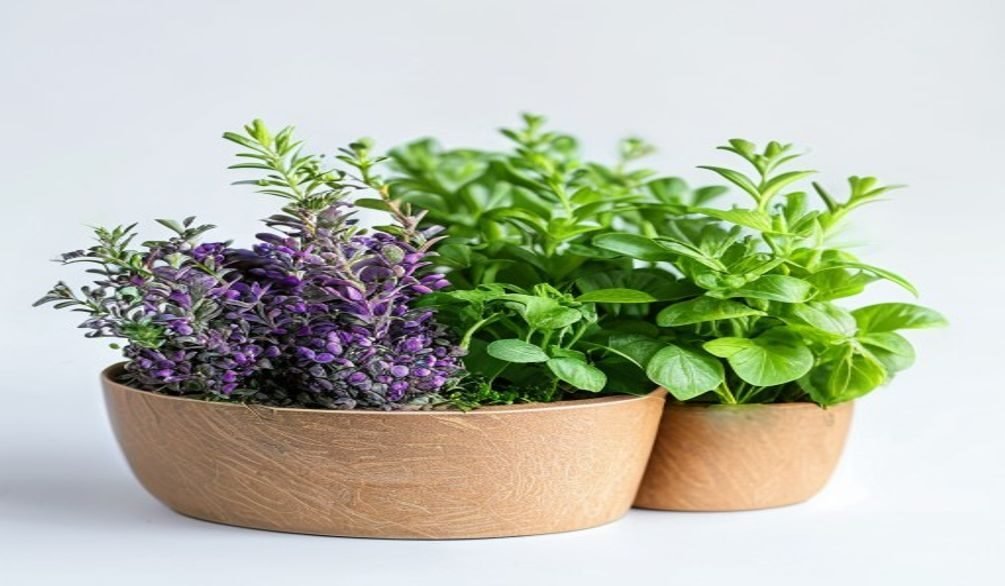
- Lavender: Known for its calming fragrance, lavender flowers (use sparingly) can add a unique, slightly bitter, floral note to teas, desserts, and savory dishes. Choose culinary varieties like ‘Munstead’ or ‘Hidcote’.
- Hibiscus: The large, showy flowers of certain hibiscus varieties (like Hibiscus sabdariffa, or Roselle) offer a citrusy, tart zing, making them excellent for teas and jams. They thrive in warm, sunny conditions.
When selecting, consider your balcony’s light conditions. Some, like Nasturtiums and Marigolds, are sun-loving balcony flowers, while Pansies and Violas are more shade-tolerant edible plants.
How to Start Your Balcony Edible Flower Garden
Embarking on your balcony edible flower journey is exciting and straightforward. With a bit of planning, you can transform any small space into a productive garden. The key is understanding the unique needs of container gardening.
Choosing the Right Containers and Soil
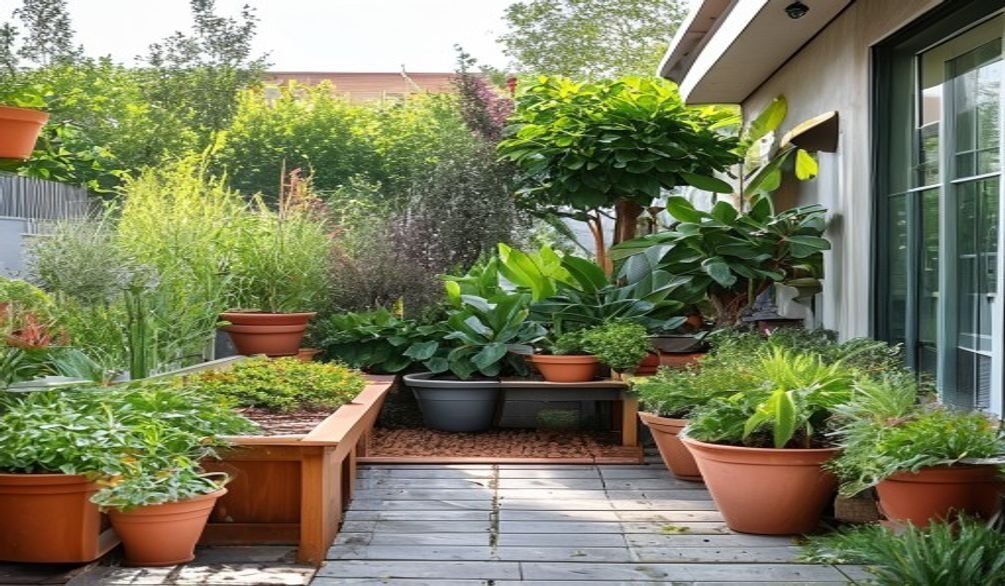
To grow edible flowers in pots, proper drainage is paramount. Select containers with drainage holes; materials like terracotta, fabric grow bags, or glazed ceramic all work well. Fabric grow bags, for instance, offer excellent aeration, preventing root rot. When it comes to soil, a high-quality organic potting mix is essential. This provides the necessary nutrients and good drainage that your edible flowers need to thrive. According to Alex Mitchell, author of “The Edible Balcony,” reusing compost for less hungry crops after growing “hungry crops” like tomatoes is a sustainable practice, and organic liquid seaweed feed is a great all-rounder for most plants.
Planting Your Edible Blooms
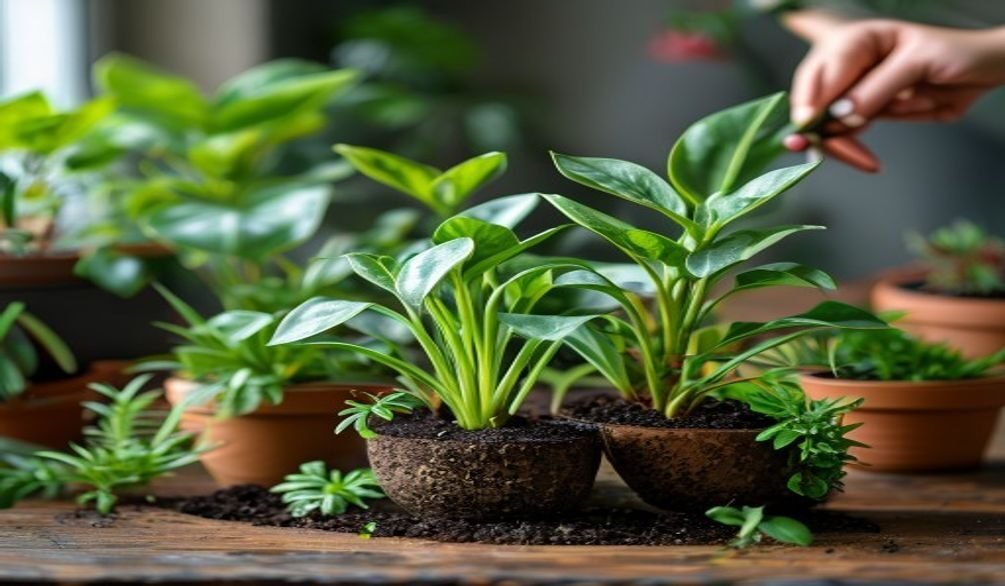
You can start edible flowers from seed or purchase young plants. Many brands, like Garden Republic, offer edible flower seed mixes or kits that include heirloom seeds (pot marigold, cornflower, viola tricolor), burlap grow bags, and plant markers – a complete starter solution for balcony container gardening edible flowers. If planting seeds, follow the package instructions for depth and spacing. For young plants, gently remove them from their nursery pots, loosen any circling roots, and plant them at the same depth they were previously growing. Water thoroughly after planting.
Balcony-Specific Considerations
Your balcony’s orientation significantly impacts what you can grow. North-facing balconies receive less direct sun, favoring shade-tolerant edible plants like violas. South-facing balconies get intense sun, perfect for sun-loving balcony flowers like nasturtiums and marigolds. Consider wind exposure too; taller plants or those in lightweight pots may need protection or heavier containers to prevent toppling.
Mastering Balcony Gardening: Tips for Thriving Edible Flowers in Pots
Cultivating the best edible flowers for balcony garden success means understanding the nuances of container life. Balconies present unique microclimates and challenges, from intense sun to gusty winds, so thoughtful care is crucial for robust, flavorful blooms. These edible flower growing tips will help your plants flourish.
Light, Water, and Nutrients: The Balcony Trifecta
* Light: Most edible flowers require at least 6 hours of direct sunlight daily to produce abundant blooms. However, some, like pansies, can tolerate partial shade. Observe your balcony throughout the day to understand its light patterns.
* Watering: Container plants dry out faster than in-ground gardens. Consistent watering is vital, especially during hot, windy periods. Check soil moisture daily by sticking your finger an inch or two into the soil; water when the top inch feels dry. Ensure good drainage to prevent root rot.
* Feeding: Edible flowers in pots deplete soil nutrients quickly. Use an organic, balanced liquid fertilizer every 2-4 weeks, especially during peak blooming. As Alex Mitchell suggests, organic liquid seaweed feed is an excellent choice for most crop plants, providing a gentle boost.
Advanced Container Techniques for Small Spaces
To maximize your harvest in limited areas, consider smart container strategies.
- Vertical Gardening: A balcony vertical garden is a game-changer for urban spaces. Systems like tiered planters, wall-mounted pockets, or repurposed pallets allow you to grow more in less footprint. This is perfect for “vertical edible garden balcony” aspirations. (You might find our Vertical Garden Structure Buyer’s Guide helpful.)
- Succession Planting: For annuals like nasturtiums or calendulas, plant seeds every 2-3 weeks to ensure a continuous supply of fresh blooms throughout the growing season.
- Pruning and Deadheading: Regularly pinch back leggy growth and remove spent flowers (deadhead). This encourages bushier growth and more prolific blooming, ensuring you always have fresh culinary uses edible blooms.
What most people miss is that even with limited space, thoughtful arrangement and appropriate plant choices can create a stunning and productive edible landscape.
Organic Pest Management for Safe Edible Blooms
When you’re growing edible flowers for consumption, chemical pesticides are a definite no-go. Ensuring safe edible flowers for pots means adopting organic pest control strategies from the outset. The University of Kentucky’s Center for Crop Diversification emphasizes that buyers of edible flowers expect products free of diseases and insect pests, necessitating organic methods.
Prevention is Your First Line of Defense
* Healthy Plants: Strong, healthy plants are more resistant to pests. Provide adequate light, water, and nutrients.
* Good Air Circulation: Space your pots appropriately to allow air to flow, reducing fungal diseases.
* Regular Inspection: Inspect your plants daily for early signs of pests. Look under leaves and in crevices. Catching an infestation early makes it much easier to manage.
* Companion Planting: Some edible flowers, like nasturtiums, can act as trap crops, luring pests away from other plants. Marigolds are known to deter nematodes and other garden pests. This is a brilliant organic pest control edible flowers strategy. (Learn more with our Organic Companion Planting Guide.)
Natural Solutions for Common Balcony Pests
Should pests appear, several organic pest control for gardens methods are highly effective.
- Hand-picking: For larger pests like slugs or caterpillars, simply pick them off and remove them. This is surprisingly effective for smaller infestations.
- Strong Water Spray: A forceful spray of water can dislodge aphids, spider mites, and whiteflies from your plants. Repeat every few days until the pests are gone.
- Insecticidal Soap: Mix a few drops of mild, unscented dish soap with water in a spray bottle. Spray directly onto affected areas, ensuring full coverage. This suffocates soft-bodied insects. Always test on a small leaf first to ensure no adverse reaction.
- Neem Oil: A natural plant-based insecticide, neem oil disrupts the life cycle of many pests. Follow product instructions carefully, and apply in the evening to avoid harming beneficial insects.
In practice, a combination of these methods often yields the best results. Remember, the goal is to manage pests, not eradicate them completely, especially when dealing with safe edible flowers for pots.
Creative Culinary Uses for Your Balcony Edible Flowers
Once your balcony garden is flourishing, the real fun begins: bringing your beautiful blooms into the kitchen. Beyond simply garnishing a salad, there’s a world of urban edible flower recipes waiting to be explored. Harvesting edible flowers at their peak freshness ensures the best flavor and appearance.
Elevate Everyday Dishes with Floral Flair
* Salads and Sandwiches: Sprinkle nasturtium petals for a peppery kick, or pansies for a mild, sweet note. Borage flowers add a refreshing cucumber essence to summer salads.
* Drinks and Cocktails: Freeze borage flowers into ice cubes for a stunning visual and subtle flavor. Lavender can be used to infuse simple syrups for unique cocktails or iced teas. Hibiscus flowers make a vibrant, tart tea.
* Desserts: Candied violets and pansies are classic, elegant additions to cakes and pastries. Rose petals can be used in jams, jellies, or infused into sugar for baking. Lavender also pairs beautifully with chocolate or fruit tarts (use sparingly to avoid bitterness).
Beyond Garnish: Integrating Edible Blooms
What most people miss is how edible flowers can be integral ingredients, not just decorations.
- Compound Butters: Mix finely chopped chive flowers or rose petals into softened butter for a gourmet spread.
- Infused Oils and Vinegars: Steep strong-flavored flowers like nasturtiums or calendula in olive oil or white vinegar for unique dressings and marinades.
- Floral Syrups: Create simple syrups infused with lavender, rose, or hibiscus for specialty drinks, pancakes, or fruit salads.
- Stuffed Flowers: Larger flowers like nasturtiums can be gently stuffed with soft cheeses or herbed rice for an elegant appetizer.
These creative culinary uses for your balcony edible flowers not only add visual appeal but also introduce nuanced flavors that elevate your home cooking. Experimenting is part of the joy of harvesting edible flowers.
Essential Safety Tips for Eating Flowers from Your Balcony
While the idea of harvesting fresh blooms from your balcony for culinary uses is delightful, safety must always be your top priority. Eating flowers from your balcony garden requires careful consideration to ensure a delicious and risk-free experience. University Extension Services, such as those from the University of Florida, consistently advise using flowers grown without pesticides.
Identify Correctly, Always
The most critical rule is to be 100% certain of a flower’s identification before consumption. Many ornamental plants have toxic look-alikes. If you are unsure, do not eat it. Stick to known edible varieties that you have grown from trusted seeds or reputable nurseries specifically labeled as safe for consumption. Never eat flowers from florist bouquets or store-bought plants unless explicitly certified organic and food-grade, as they are often treated with systemic pesticides.
Grow Organically, Harvest Thoughtfully
* No Pesticides: Ensure your edible flowers for small spaces are grown completely free of synthetic pesticides, herbicides, and fungicides. This is non-negotiable for safe consumption. This includes any sprays used on nearby plants that might drift.
* Cleanliness: Gently wash flowers before eating them to remove any dust, pollen, or small insects. A quick rinse under cool water is usually sufficient.
* Harvesting Time: Pick flowers in the morning after the dew has dried, when their flavor and moisture content are usually at their peak.
* Only Eat Petals (Usually): For many flowers, like roses, only the petals are consumed. Remove the pistils, stamens, and the white heel at the base of the petal, as these can be bitter.
Introduce Gradually and Be Mindful of Allergies
Just like any new food, introduce edible flowers into your diet gradually and in small quantities. Some individuals may experience allergic reactions, even to commonly consumed flowers. University Extension Services also recommend introducing new edible flowers gradually to avoid allergic reactions. If you have pollen allergies, be particularly cautious. The short answer is, while edible flowers are generally safe and healthy, diligence and awareness are your best tools.
Frequently Asked Questions
What flowers are safe to eat from a balcony garden?
Many popular and beautiful flowers are safe to eat from a balcony garden, provided they are grown organically without pesticides. Excellent choices include nasturtiums, pansies, violas, marigolds (calendula), chive blossoms, borage, and certain varieties of roses and lavender. Always identify them correctly and ensure they haven’t been treated with chemicals.
How do you start an edible flower garden on a balcony?
To start an edible flower garden on a balcony, choose containers with good drainage and fill them with organic potting mix. Select appropriate edible flower varieties based on your balcony’s light conditions (e.g., sun-loving balcony flowers like nasturtiums for sunny spots). Plant seeds or young plants, water them consistently, and feed with organic liquid fertilizer for optimal growth.
What are the easiest edible flowers to grow in pots?
Nasturtiums are arguably the easiest edible flowers to grow in pots, thriving from seed with minimal fuss and offering a peppery flavor. Pansies and violas are also very easy, especially in cooler weather, providing delicate, mild blooms. Marigolds (calendula) are another resilient option, known for their cheerful appearance and tangy taste.
Can you eat flowers from store-bought plants?
It is generally not safe to eat flowers from store-bought plants, florist bouquets, or plants from garden centers unless they are explicitly certified organic and labeled as “food grade” or intended for consumption. Most commercially grown plants are treated with systemic pesticides and other chemicals that are not safe for human consumption and can linger in the plant’s tissues.
With these insights, your balcony can become a vibrant, living pantry, offering both visual delight and fresh ingredients for your culinary adventures. Start planning your edible flower garden today and taste the beauty!