Feeling overwhelmed by the sheer number of options when it comes to fruit trees for your garden? You’re not alone, and understanding the critical role of rootstock is your first step to success. This guide will walk you through choosing the right fruit tree rootstock, empowering you to cultivate a thriving, resilient orchard tailored to your unique conditions.
What is a Fruit Tree Rootstock and Why Does it Matter?
A fruit tree rootstock is essentially the foundation of your fruit tree, the lower portion of a grafted tree that includes the root system and a short piece of the trunk. It’s the unsung hero, providing the roots that anchor the tree and absorb water and nutrients.
On top of this rootstock, a scion (a cutting from a desired fruit variety) is grafted, creating a single, cohesive tree. This technique allows growers to combine the best traits of two different plants: the vigorous roots and specific characteristics of the rootstock with the delicious fruit quality of the scion.
Here’s the thing: the rootstock profoundly influences almost every aspect of your tree’s life. Richard Flowers, ACCNP from Green Thumb Nursery, wisely states, “In many planting locations, it is critical to understand and become familiar with the rootstock because it is the most important part of a fruit tree. If a tree’s rootstock is not conducive to the conditions it is growing in, nothing else is likely to matter…” This highlights why proper graft union placement during planting and suitable rootstock selection are paramount.
The rootstock determines the tree’s ultimate size, its precocity (how early it starts bearing fruit), its adaptability to different soil conditions, and its resistance to various diseases and pests. It even impacts the tree’s lifespan and cold hardiness. Understanding these influences is crucial for a successful and resilient garden.
How Do You Choose the Right Fruit Tree Rootstock for Your Garden?
Selecting the ideal fruit tree rootstock isn’t a one-size-fits-all decision; it’s a strategic choice based on your specific gardening goals and environmental conditions. You need to consider several key factors to ensure your tree thrives.
First, think about the desired size of your mature tree. Do you have a small backyard, or ample space for a sprawling orchard? This is perhaps the most immediate and impactful decision for any home gardener.
Next, evaluate your local environment: your soil composition, climate, and prevalent pest or disease issues. A good fruit tree rootstock comparison will always factor in these elements, as they dictate the long-term health and productivity of your tree.
Finally, consider the specific fruit variety you wish to grow. While some rootstocks are versatile, others perform best with particular scion varieties. Making an informed choice ensures your tree is well-suited to its home from day one.
Dwarf vs. Semi-Dwarf vs. Standard: Understanding Rootstock Sizes
The most visible impact of a rootstock is on the tree’s ultimate size, which directly affects maintenance, spacing, and even how quickly your tree produces fruit. This choice is particularly important for a rootstock for small garden spaces.
Dwarf Rootstocks: Compact & Productive
Dwarf rootstock produces the smallest trees, typically reaching heights of 5-10 feet. These trees are perfect for small gardens, container growing, or high-density planting schemes. They often fruit earlier than larger trees, sometimes within 2-3 years of planting.
However, dwarf trees, especially those on M.9 apple rootstock (which produces a tree only about 30-35% of a standard size), often have weaker root systems. The University of Maine Cooperative Extension advises, “Dwarf apple and pear trees have weak roots and will not support themselves once they bear fruit. They should be held upright with a stake or trellis so that the roots do not break and for the tree to remain upright.” They also may have a shorter lifespan, fruitful for just 15-20 years compared to 100+ for standards.
Semi-Dwarf Rootstocks: The Popular Middle Ground
Semi-dwarf rootstock offers a balance between size and vigor, resulting in trees typically 10-18 feet tall. These are a popular choice for many home gardeners because they are more manageable than standard trees but generally more robust than dwarfs.
For example, Malling 7 (M.7) is a common semi-dwarf rootstock that typically results in a tree 60-70% of standard size. Semi-dwarf trees usually require less permanent support than dwarfs and still offer good precocity, often fruiting within 3-5 years.
Standard Rootstocks: Large & Long-Lived
Standard rootstocks produce full-sized trees, which can reach heights of 20-30 feet or more. These trees are incredibly vigorous, long-lived, and usually require minimal staking once established. They are best suited for large properties where space is not a constraint.
The trade-off is that standard trees take longer to bear fruit, often 5-8 years, and require more effort for harvesting and pruning due to their large size. What most people miss is that while they take longer to establish, their longevity often means a century of fruit production.
Selecting Rootstocks for Soil Type, Climate & Disease Resistance
Beyond size, your chosen rootstock is your tree’s primary defense against environmental stressors and biological threats. Matching the rootstock to your specific site conditions is a testament to savvy gardening.
Matching Rootstocks to Your Soil
Your garden’s soil type is a critical factor. Some rootstocks thrive in heavy, moist soils, while others prefer well-drained, sandy conditions. Choosing a rootstock adapted to your soil type fruit tree needs can prevent numerous problems down the line.
For gardens with challenging conditions, selecting the correct rootstock can make all the difference. For instance, if you have a rootstock for clay soil or heavy, wet soil, look for options like Krymsk 86 (a peach-plum hybrid) or Marianna 2624 (for plums/apricots), both known for their tolerance to wet conditions. Conversely, for sandy soils, Nemaguard is an excellent standard peach rootstock.
Building Cold Hardiness and Drought Tolerance
Climate plays a huge role in fruit tree success, and rootstocks offer varying degrees of cold hardiness rootstock traits. Some are bred to withstand harsh winters, while others are more sensitive to extreme temperatures. As climate patterns shift, selecting rootstocks that offer resilience is increasingly important.
Researchers are actively developing rootstocks with enhanced adaptability. For example, the Cornell/USDA Geneva Apple Rootstock Breeding Program has broadened its goals to include “drought resistance, tolerance of high-salt-content soils and the ability to withstand more moderate winters,” as noted by researcher Terence Robinson. This focus on drought tolerant rootstock varieties is vital for future-proofing your orchard.
Arming Your Trees Against Disease
Disease resistance is another significant benefit conferred by rootstocks. Many modern rootstocks are specifically bred to resist common diseases that can devastate fruit crops. This is a crucial consideration for maintaining a healthy and productive garden, reducing the need for extensive chemical interventions. For related organic pest solutions, you might find our DIY Organic Pest Control: Your Guide to a Healthy Garden helpful.
For apples, the Geneva® series (e.g., G.41, G.969, G.890) provides robust resistance to diseases like fire blight, Phytophthora, and woolly apple aphid. Pear rootstocks in the OHxF series (e.g., OHxF 87) are highly valued for their resistance to pear decline and fire blight. Choosing a disease resistant rootstock can significantly reduce your workload and improve tree health.
Best Fruit Tree Rootstocks for Specific Fruits (Apples, Pears, Peaches, Cherries)
Now that you understand the fundamental factors, let’s dive into specific recommendations for common fruit types. This section will help you pinpoint the best fruit tree rootstock for your desired fruit.
Apple Rootstocks: From Compact to Vigorous
When selecting an apple rootstock, you have a wide range of choices to control tree size and provide disease resistance.
- M.9 (Dwarfing): This is the most widely used apple rootstock globally, producing trees 5-8 feet tall. It’s excellent for small gardens and high-density orchards, but requires permanent support, intensive fertilization, and irrigation.
- M.7 (Semi-Dwarfing): A very popular choice, M.7 results in trees 60-70% of standard size (12-17 ft). It’s well-anchored, winter hardy, and offers good resistance to fire blight, powdery mildew, and root collar rot, making it a reliable best apple rootstock for many home growers.
- Geneva® Series (e.g., G.41, G.969, G.890): Developed by Cornell University/USDA, these rootstocks are known for superior disease resistance (fire blight, Phytophthora, woolly apple aphid) and cold hardiness. G.41 is similar in vigor to M.9 but with high tolerance to various diseases, while G.969 is a semi-dwarf similar to M.7, also suitable for containers.
Pear Rootstocks: Disease Resistance and Size Control
Choosing a pear rootstock often focuses on disease resistance, particularly to fire blight and pear decline, as well as size control.
- OHxF Series (e.g., OHxF 87, OHxF 97, OHxF 333): These clonal rootstocks are derived from ‘Old Home’ x ‘Farmingdale’ crosses and are highly resistant to pear decline and fire blight. OHxF 87 is a vigorous semi-dwarf (15-20 ft) known for strong production.
- Provence Quince BA29C (Dwarfing Pear): This rootstock effectively dwarfs pear trees, but many popular pear varieties (like Bartlett and Bosc) are incompatible with quince and require an interstock for successful grafting.
Peach & Stone Fruit Rootstocks: Nematodes and Adaptability
For peaches, plums, and apricots, the choice of peach rootstock often revolves around nematode resistance and adaptability to various soil types. Finding the best rootstock for peaches means addressing these common challenges.
- Nemaguard: This is a standard (full size) rootstock for nectarines, peaches, and plums, valued for its vigor and strong growth. It’s ideal for sandy soils and provides excellent resistance to root-knot nematode.
- Krymsk 86 (Peach-Plum Hybrid): A semi-vigorous rootstock for plums, peaches, and almonds, it’s known for its massive root system and cold-hardiness. It performs well in wet and heavy soils but is susceptible to root nematodes.
- Marianna 2624 (Plum/Apricot): A semi-dwarf rootstock commonly used for plums, prunes, and apricots. It thrives in wet soils and offers good resistance to root-knot nematode.
Cherry Rootstocks: Early Fruiting and Size Management
When selecting the best rootstock for cherries, considerations include precocity, size control, and specific soil requirements.
- Gisela 5: This is a popular semi-dwarfing rootstock (8-10 ft) for cherries, highly prized for its early fruiting, often within 3-4 years. It performs best in fertile, loamy soil and typically requires permanent staking due to its compact root system and heavy fruit load.
Advanced Rootstock Strategies: Interstem Grafting and Container Growing
For gardeners with unique challenges or specific goals, advanced rootstock techniques offer even greater control over tree performance and size. These strategies demonstrate how truly versatile rootstocks can be.
Understanding Interstem Grafting
Interstem grafting involves using three parts instead of two: the rootstock, a short piece of a different rootstock (the interstem), and the scion. This technique allows you to combine specific traits that might not be available in a single rootstock.
For example, you might use a vigorous, well-anchored rootstock, graft a dwarfing interstem onto it, and then graft your desired fruit scion onto the interstem. This allows you to get the dwarfing effect without the poor anchorage often associated with dwarfing rootstocks. It’s also vital for overcoming incompatibility issues, such as dwarfing a pear variety with Provence Quince BA29C, which requires an interstock like Old Home for compatibility.
Rootstocks for Container Growing
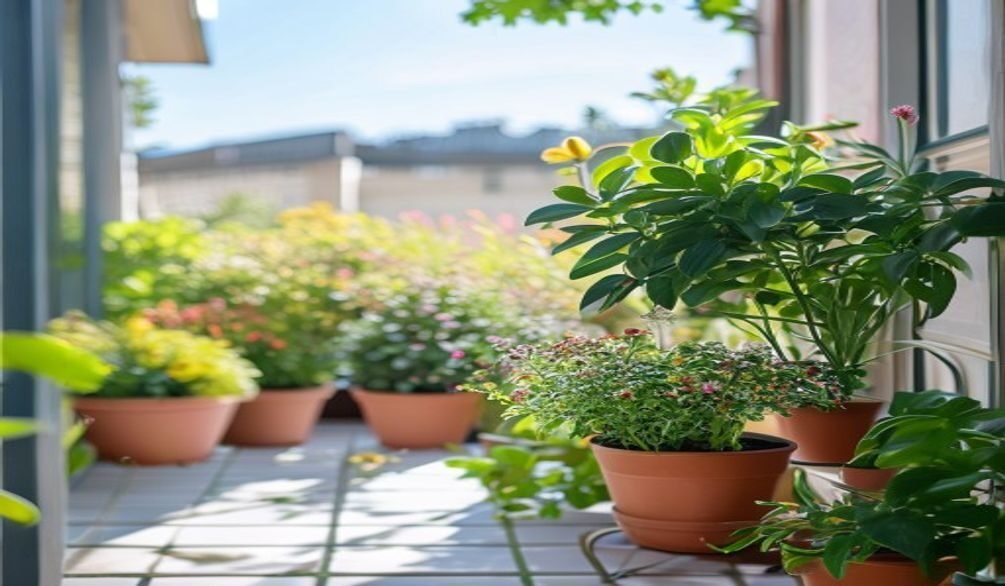
If you’re gardening in limited space, such as a balcony or patio, choosing the right rootstock for container growing is essential. Not all dwarf rootstocks are equally suited for pots, as some still require significant root run.
Look for rootstocks that are naturally very dwarfing and have compact root systems. Certain Geneva® series rootstocks, like G.969, are excellent choices for containers because they offer good disease resistance and manageability. Remember that container-grown trees require more frequent watering and specific nutrient management. For tips on maximizing space and light in urban gardening, you might explore our guide on Optimizing Light for Your Vertical Garden: Tips.
Future-Proofing Your Orchard: Choosing Rootstocks for a Changing Climate
The climate is changing, and so too must our gardening strategies. Selecting rootstocks today with an eye toward tomorrow’s conditions is a smart, proactive approach for the resilient gardener. This means considering more than just current cold hardiness or typical rainfall patterns.
We need to think about increased frequency of extreme weather events, longer periods of drought, and even the challenge of “false springs” that can damage early-blooming varieties. As Lee Kalcsits, a professor at Washington State University, emphasizes, “We need to be mindful that the rootstocks we select are adaptable. It’s not that they’re adapted to a future climate, but that they’re adaptable.”
Research programs are actively developing these adaptable rootstocks. The Cornell/USDA Geneva program, for instance, has specifically targeted drought resistance and tolerance of high-salt-content soils. In Florida, recent UF/IFAS citrus rootstock releases (like UFR-6, which produces small trees for dense planting) are designed for improved performance in challenging conditions. A 2025 report on pear rootstock trials noted that Pyro 2-33 produced significantly smaller ‘d’Anjou’ trees compared to OHxF clones, indicating ongoing innovation in size control and adaptability.
When you’re choosing the right fruit tree rootstock, consider varieties known for broad adaptability or specific traits like enhanced drought tolerant rootstock qualities. This forward-thinking approach ensures your orchard can withstand unpredictable shifts and continue to thrive for decades to come.
Frequently Asked Questions
What is the difference between dwarf and semi-dwarf rootstock?
The primary difference lies in the ultimate mature size of the tree. Dwarf rootstocks produce trees that are typically 5-10 feet tall, ideal for small spaces or containers, while semi-dwarf rootstocks result in medium-sized trees, usually 10-18 feet tall. Semi-dwarf trees generally offer a balance of manageable size and good vigor, often requiring less support than their dwarf counterparts.
How do I choose a rootstock?
To choose a rootstock, first assess your garden’s specific conditions and your gardening goals. Consider the desired mature tree size, your soil type (e.g., clay, sandy, wet), your local climate (cold hardiness, drought risk), and any prevalent diseases or pests. Then, research rootstocks that match these requirements for the specific fruit variety you wish to grow.
What is the best rootstock for a small garden?
For a small garden, a dwarf rootstock is generally the best choice, as it results in compact trees that are easier to manage and harvest. Examples include M.9 for apples or Gisela 5 for cherries. These rootstocks allow for high-density planting or even container growing, making fruit trees accessible even in limited spaces.
What is the best rootstock for clay soil?
For clay or heavy, wet soil, rootstocks that tolerate poor drainage are essential. Krymsk 86 (for peaches, plums, almonds) and Marianna 2624 (for plums, apricots) are excellent choices known for their ability to perform well in challenging, moisture-retentive soil conditions. These rootstocks often develop robust root systems that can cope with less-than-ideal aeration.
Making an informed decision about choosing the right fruit tree rootstock is one of the most impactful choices you’ll make for your garden. By understanding how rootstocks influence size, disease resistance, and adaptability to your specific soil and climate, you’re not just planting a tree; you’re investing in a resilient, productive, and future-proof orchard. Take the time to evaluate your needs, explore the options, and select the perfect foundation for your fruit-bearing dreams. Your future self, enjoying fresh fruit from your thriving garden, will thank you.