Feeling overwhelmed by the idea of transforming a patch of earth into a flourishing oasis? You’re not alone, and that’s precisely why understanding beginner garden layout planning is your crucial first step to success. This guide will walk you through foundational principles and practical steps, ensuring you can confidently plan and create the garden you’ve always envisioned, no matter your experience level.
Why Start Your Garden Layout Planning Journey?
Embarking on garden layout planning isn’t just about digging in the dirt; it’s about investing in your well-being and the environment. There’s a profound satisfaction in nurturing life, and a well-planned garden makes that journey far more enjoyable and successful.
The interest in gardening is booming, with nearly 40% of respondents planning to spend more on gardening in 2025, particularly among younger generations like Gen Z and Gen Y. This surge reflects a desire for connection to nature, fresh food, and a creative outlet. As Oscar de la Renta wisely put it, “Gardening is how I relax. It’s another form of creating and playing with colors,” highlighting the therapeutic and artistic dimensions of garden design.
Planning your garden from the outset sets you up for long-term success, preventing common pitfalls like overcrowding or plants getting insufficient sunlight. It’s an act of hope and foresight, echoing Audrey Hepburn’s famous sentiment: “To plant a garden is to believe in tomorrow.” A thoughtful approach ensures your efforts translate into a thriving, beautiful space, whether you’re growing vibrant flowers or delicious vegetables.
What’s the First Step in Beginner Garden Layout Planning?
The very first step in any successful garden planning basics is to get to know your site intimately. Before you even think about buying seeds or plants, observe your potential garden area like a detective.
Understanding Sunlight Assessment for Your Garden
Sunlight is the single most critical factor for almost all plants. Spend a full day, or even several days, observing how much direct sunlight different areas of your yard receive. Most vegetables and many flowers need at least 6-8 hours of direct sun daily to thrive, while others prefer partial shade.
This sunlight assessment garden observation will dictate what you can successfully grow and where. Mark down areas that get full sun, partial sun, and full shade throughout the day. This simple exercise saves you from planting sun-loving tomatoes in a shady spot, which would surely lead to disappointment.
Assessing Soil and Water Access
Once you understand the light, turn your attention to the ground. While comprehensive soil preparation can come later, it’s good to know if you’re working with rocky clay or sandy loam. Also, consider how you’ll water your garden; proximity to a water source like a hose spigot can save you a lot of effort in the long run.
These initial observations are fundamental for anyone wondering how to start a garden from scratch. They provide the essential framework upon which all subsequent beginner garden layout planning decisions will be built.
How Do You Plan a Garden Layout from Scratch?
Once you have a solid understanding of your site, it’s time to put pencil to paper (or finger to screen!). Planning a garden layout from scratch involves translating your observations and desires into a functional design.
Sketching Your Vision and Defining Zones
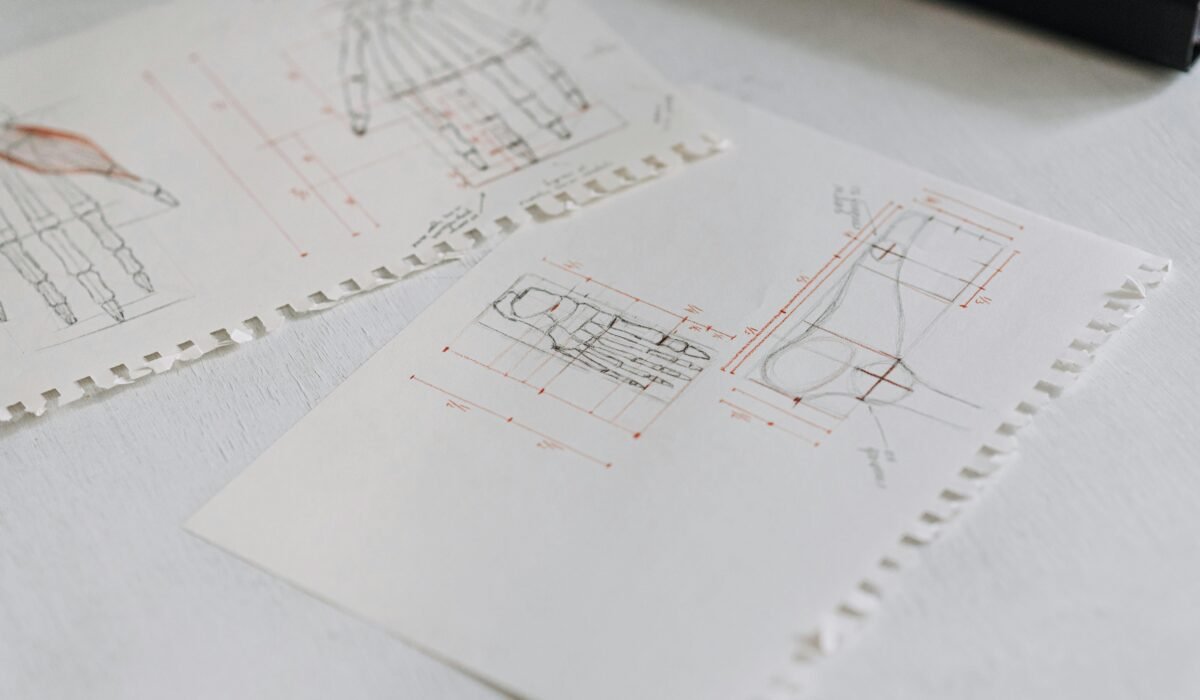
Start by drawing a rough sketch of your yard, marking the sunny and shady areas you identified. Then, consider the garden design principles that will guide your layout. Think about pathways for access, focal points, and how different areas will flow together.
Establish distinct zones for different plant types or purposes. Perhaps one area will be a dedicated vegetable garden layout for beginners, another for a vibrant flower bed, and a third for herbs. This division helps organize your thoughts and ensures each area serves its intended purpose efficiently.
Considering Practical Elements and Garden Expansion Strategies
Don’t forget practical elements like where compost bins might go, or if you need space for a small shed or tool storage. Think about the mature size of your plants and ensure adequate spacing to prevent overcrowding. This foresight is crucial for healthy plant growth and easy maintenance.
For beginners, it’s often wise to start small and plan for future garden expansion strategies. Helen Yoest, a renowned horticulturist, advises recognizing and acting on your own creativity, focusing on “Garden Basics, Garden Styles, Garden Elements and Your Garden Environment.” You don’t need to tackle everything at once; a phased approach allows you to learn as you grow and gradually expand your garden over multiple seasons.
Choosing the Right Plants for Your Beginner Garden
With your layout sketched, the exciting part begins: selecting the plants that will bring your vision to life. For successful plant selection for beginners, focus on varieties known for their resilience and ease of care.
Selecting Easy-to-Grow Vegetables and Flowers
If you’re aiming for a productive vegetable garden, start with popular, forgiving crops. Tomatoes are a perennial favorite, found in 86% of food gardens, along with lettuce, green beans, radishes, zucchini, and peppers. These plants generally offer good yields with minimal fuss, boosting your confidence.
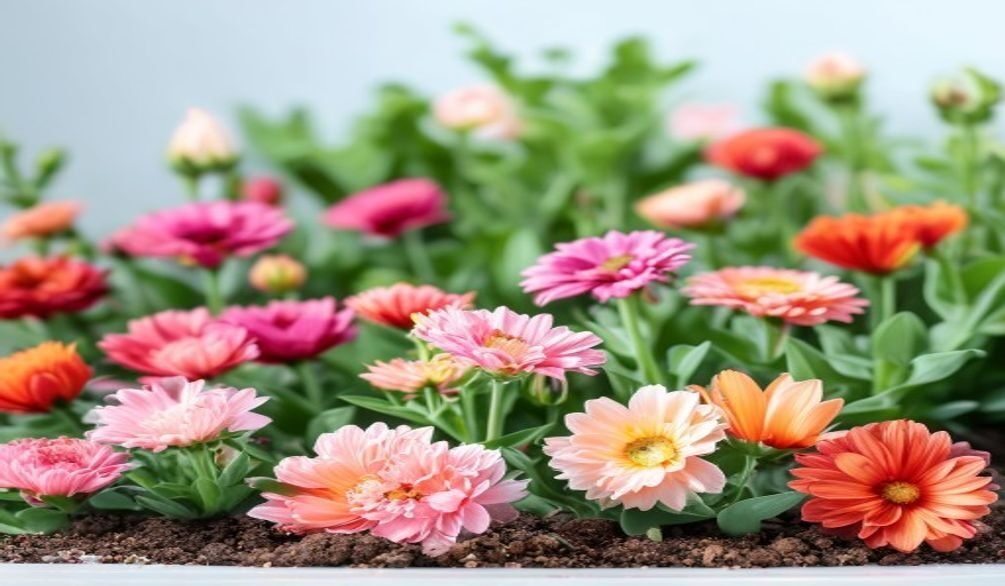
For ornamental gardens, consider beginner-friendly cut flowers like sunflowers, zinnias, and cosmos. These vibrant annuals are relatively easy to grow from seed or seedling and provide continuous blooms throughout the season. Remember to check your local hardiness zone and frost dates, easily found on resources like The Old Farmer’s Almanac, to ensure your chosen plants will thrive in your climate.
Understanding Plant Needs and Spacing
Every plant has specific requirements for sunlight, water, and soil. Group plants with similar needs together to simplify watering and care. For instance, drought-tolerant herbs shouldn’t be planted alongside moisture-loving leafy greens.
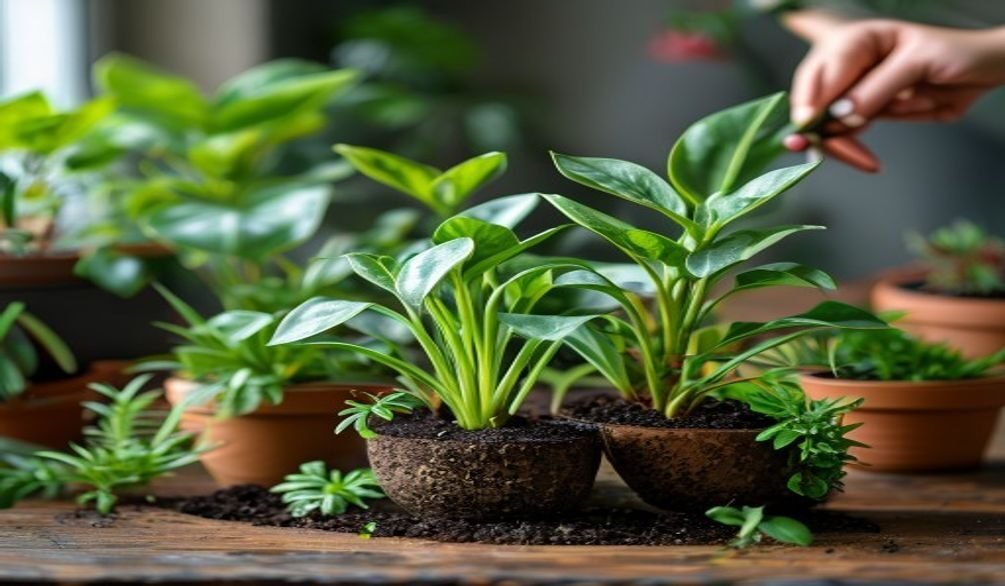
Proper plant spacing is also vital; crowded plants compete for resources and are more susceptible to disease. Always read seed packets or plant tags for recommended spacing guidelines. If you’re starting seeds indoors, a guide like “Seed Starting for Vegetables Indoors: Grow Strong Seedlings” can provide excellent foundational advice.
Easy Garden Layout Ideas for Small Spaces & Raised Beds
Many beginners face constraints like limited space or challenging soil, making specific layout solutions incredibly helpful. Thankfully, there are plenty of easy garden design ideas tailored for these situations.
Embracing Raised Garden Beds for Beginners
For those new to gardening, raised garden beds are often the recommended starting point. They offer excellent control over soil quality, drainage, and can significantly reduce weeding. Popular beginner sizes include a 4×4 or 4×8 foot bed, which are manageable yet productive.
Raised beds are perfect for vegetable garden layout ideas for beginners because they define your growing area clearly and make it easier to reach plants without stepping on the soil. This helps maintain soil structure and health. If you’re interested in beginner raised bed gardening, consider starting with just one or two beds to get a feel for the process before expanding.
Creative Container Gardening Ideas for Small Spaces
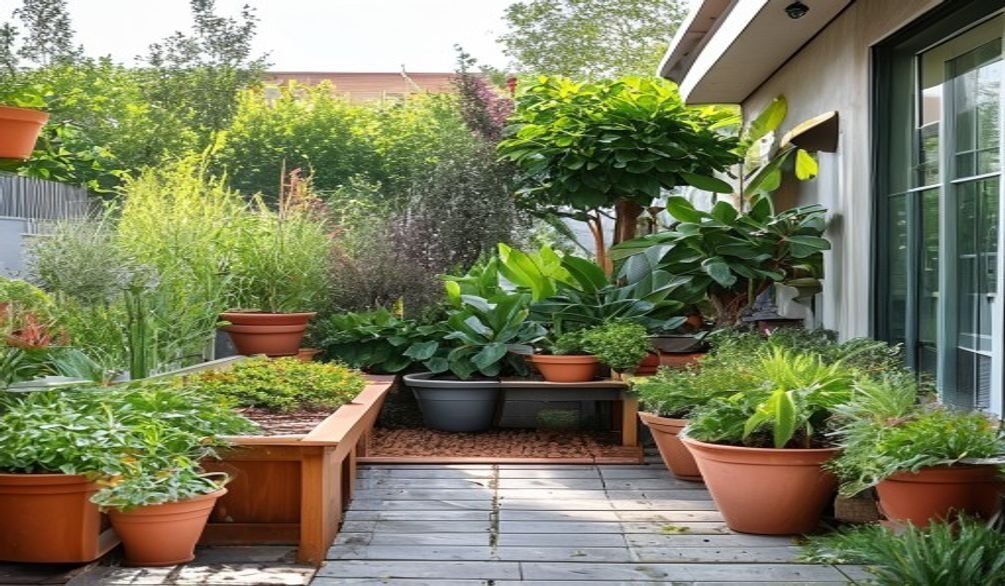
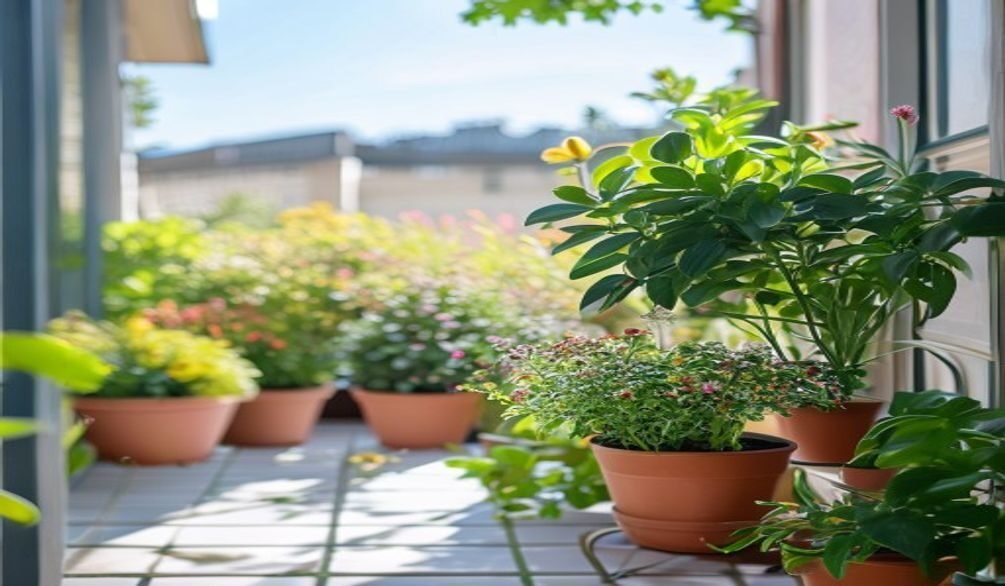
If you’re dealing with very limited room, such as a balcony or patio, container gardening ideas are your best friend. Almost any plant can be grown in a pot, provided it’s large enough for the plant’s root system and has good drainage.
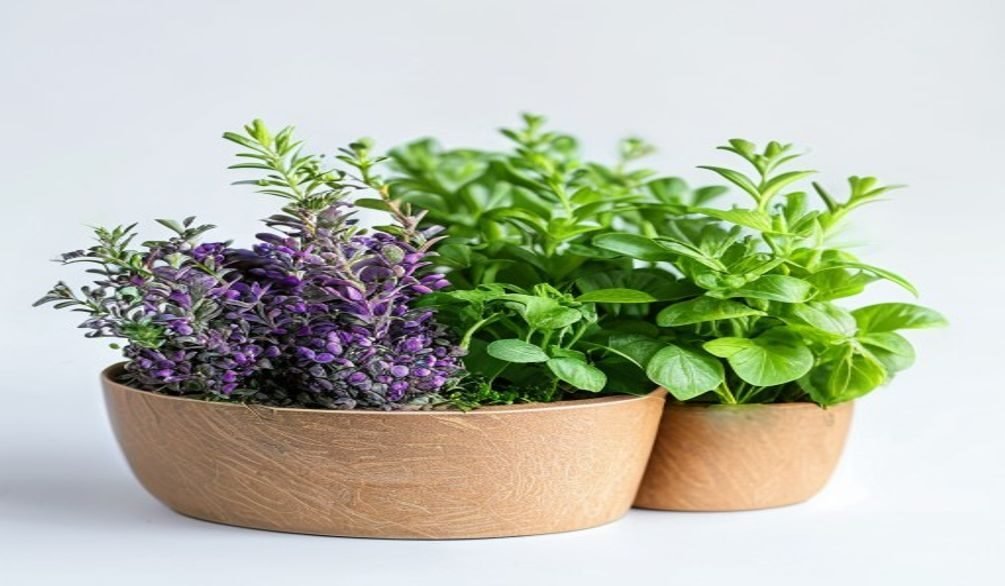
- Herb Pots: A collection of individual pots for basil, mint, and rosemary is both practical and aromatic.
- Strawberry Towers: Vertical planters are excellent for maximizing space and keeping fruit off the ground.
- Patio Tomatoes: Bush varieties of tomatoes thrive in large containers, bringing fresh produce right to your doorstep.
- Salad Greens: Lettuce and spinach grow well in shallow, wide containers, offering continuous harvests.
For even tighter spots, exploring concepts like vertical gardening can transform a small wall into a productive green space. A well-placed trellis can also turn vertical space into a productive area, perfect for climbing plants like beans or cucumbers.
Budget-Friendly Tips for Your Garden Layout and Growth
Gardening doesn’t have to break the bank. With smart planning and resourceful choices, you can create a beautiful and productive garden without overspending. These budget gardening tips will help you manage costs while still achieving your dream garden.
Starting Small and Scaling Up
The best advice for any beginner is to start modestly. Instead of trying to create an elaborate garden layout planning scheme all at once, begin with a small bed or a few containers. This allows you to learn the ropes, understand your local climate, and gauge your commitment without a huge initial investment.
As you gain experience and confidence, you can gradually implement garden expansion strategies. This phased approach is more sustainable for both your wallet and your time. You can add another raised bed next year, or slowly expand an in-ground plot as your skills and resources grow.
Utilizing Recycled Materials and Seed Saving
Look around your home and community for free or low-cost materials. Old tires can be repurposed as planters, wooden pallets can become vertical garden structures, and even plastic bottles can be transformed into self-watering systems. Many communities also offer free compost or wood chips.
Consider starting plants from seed rather than buying seedlings, which is significantly cheaper. For vegetables, learn to save seeds from your most successful plants for the following year. This not only saves money but also helps you develop varieties uniquely suited to your garden’s microclimate. Composting kitchen scraps is another excellent way to create free, nutrient-rich soil amendments, reducing the need for expensive fertilizers.
Using Digital Tools to Visualize Your Garden Layout
While sketching on paper is a classic approach, modern digital tools offer powerful ways to visualize your beginner garden layout planning before you even break ground. These digital garden planners can save you time and help you experiment with different designs.
Exploring Free and Low-Cost Online Planners
Several excellent options exist for those looking for garden layout design software free or at a minimal cost. Tools like Veg Plotter allow you to drag and drop different plants and structures to see how they fit into your space. The Old Farmer’s Almanac Garden Planner, with its 7-day free trial, even integrates weather data to help with optimal planting dates.
For a truly free and versatile option, consider using Canva. While not specifically a garden planner, its design tools can be adapted to plot garden beds, conceptualize container plantings, and even create visual mood boards for your garden’s aesthetic. You can easily draw different shapes for beds, add text labels for plants, and move elements around with ease.
Benefits of Digital Visualization for Beginners
Using these tools offers several advantages for beginners. They allow you to: experiment endlessly without consequence, trying out different plant arrangements or pathway designs with a few clicks. This iterative process helps refine your vision and catch potential issues before they become real-world problems.
Digital planners can also help you calculate plant spacing, estimate material needs, and even track planting dates. This level of detail can be incredibly empowering for someone just starting out, transforming abstract ideas into concrete, actionable plans. It brings a professional touch to your garden planning basics, giving you confidence in your final design.
Frequently Asked Questions
What is the first step in garden planning?
The first and most critical step in garden planning is to thoroughly assess your site, specifically observing sunlight patterns throughout the day. Understanding how much direct sun different areas receive will dictate which plants can thrive where, preventing wasted effort and ensuring your garden’s success.
How do you plan a garden layout?
To plan a garden layout, start by sketching your yard and identifying sunny and shady zones. Then, define specific areas for different types of plants or purposes, considering access pathways and future expansion. Always prioritize plant needs like sunlight and water access when placing elements in your design.
How do I decide what to plant in my garden?
Decide what to plant by considering your local climate, the amount of sunlight your garden receives, and your personal preferences. For beginners, choose easy-to-grow vegetables like tomatoes or resilient flowers like zinnias. Always check plant tags or seed packets for specific care requirements and mature sizes.
What are the 7 principles of garden design?
While specific lists may vary, common garden design principles include unity, balance, proportion, rhythm, emphasis, contrast, and simplicity. These principles guide you in creating a harmonious and visually appealing garden by focusing on elements like repetition of forms, scale relationships, and creating focal points.
Embarking on your beginner garden layout planning journey is an exciting step towards cultivating your own green space. By taking the time to plan thoughtfully, starting small, and leveraging available tools and resources, you’re laying the groundwork for a truly rewarding experience. Start sketching your dream garden today and watch your vision blossom into reality.