Struggling to envision your first green space? Crafting effective garden layouts for beginners is the foundational step to transforming that dream into a thriving reality, saving you time, effort, and frustration down the line. This guide will walk you through simple planning strategies and practical layout ideas, ensuring your initial gardening adventure is both successful and enjoyable.
Why Planning Your First Garden Layout is Crucial for Success
Diving into gardening without a plan is a common beginner mistake that often leads to disappointment. A well-thought-out garden layout prevents wasted effort and resources, setting the stage for abundant harvests and beautiful blooms.
What most people miss is that planning isn’t just about aesthetics; it’s about creating a sustainable ecosystem where your plants can truly flourish. According to a 2024 survey, over 38.8% of respondents desired more blooms, fruits, and vegetables, a goal directly supported by strategic design.
Strategic planning helps you maximize your space and sunlight, which are two of the most critical elements for plant growth. Without considering these, you might end up with overcrowded plants or areas that simply don’t get enough light, leading to poor yields and frustrated gardeners.
Getting Started: How to Plan a Garden Layout from Scratch
Beginning your garden journey with a clear process makes the entire experience much less daunting. Think of this as your personal garden planning checklist, guiding you step-by-step from concept to creation.
Assessing Your Site: Sunlight, Water, and Soil
The first step is to truly understand your chosen garden spot. Observe how sunlight moves across the area throughout the day, as most vegetables and many flowers require at least 6-8 hours of direct sun.
Next, consider water access; proximity to a spigot or rainwater collection system will make daily watering much easier. Finally, don’t overlook garden soil preparation: healthy soil is the bedrock of a successful garden, so consider a soil test to understand its composition and nutrient levels before you even break ground.
Mapping Your Vision: Drawing a Basic Garden Plan
Once you understand your site, it’s time to put pen to paper (or finger to screen). Start with a simple sketch of your yard or chosen area, marking existing features like fences, patios, and large trees.
Then, block out potential garden areas, considering pathways and access points. This initial drawing doesn’t need to be perfect, but it helps visualize how different elements will fit together and allows you to experiment with various small backyard garden design ideas.
Choosing Your Style: Best Basic Garden Layouts for Beginners
When it comes to garden layouts for beginners, simplicity and manageability are key. There are several popular options that are easy to start with and offer great flexibility as you gain experience.
Raised Garden Beds: Elevated Simplicity
Raised garden bed designs are incredibly popular for new gardeners, and for good reason. They offer excellent drainage, allow for better soil control, and reduce weeding thanks to defined borders.
Many beginners opt for a beginner vegetable garden plan 4×8, as this size is manageable for access without stepping into the bed. You can find pre-made kits or build your own, filling them with a high-quality soil mix right from the start.
Square Foot Gardening: Maximizing Production in Small Spaces
For those with limited space or a desire for high yields, square foot gardening layout is a fantastic method. It involves dividing a raised bed into one-foot squares, each dedicated to a specific number of plants based on their size.
This method drastically reduces wasted space and makes vegetable garden spacing clear and simple. Almanac.com highlights Andrea Boyd’s successful first-year garden, which utilized multiple garden beds, showcasing the potential for a “huge harvest” even for beginners.
Container Gardening: Flexible and Adaptable
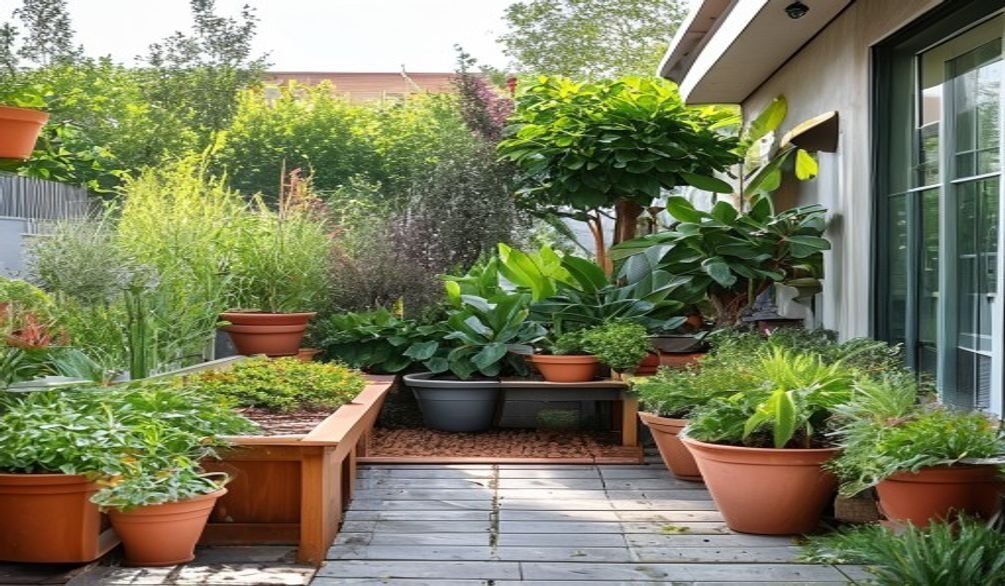
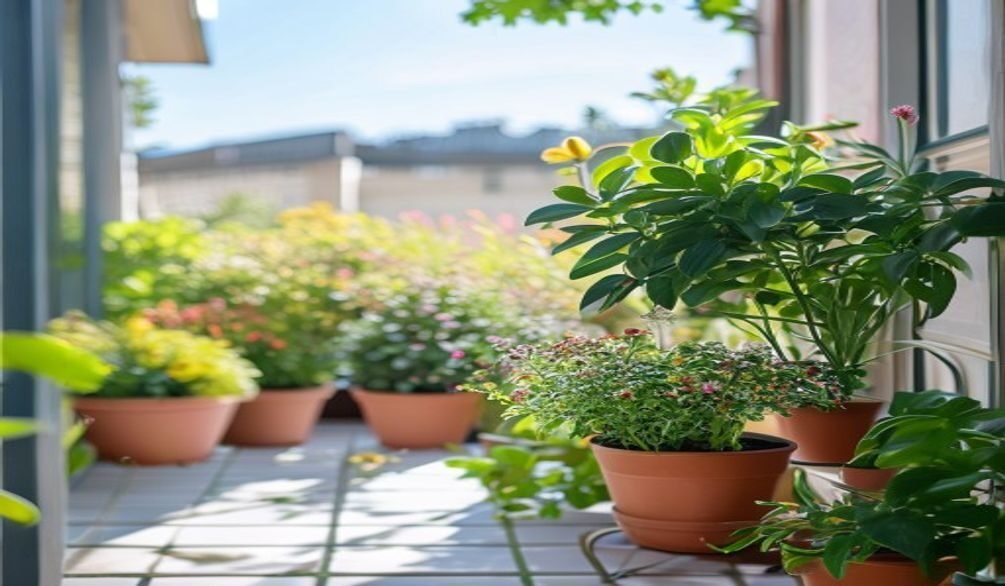
If you have a balcony, patio, or just want ultimate flexibility, container garden ideas are your best friend. Almost any plant can be grown in a pot, provided it’s the right size and has good drainage.
This is an excellent option for beginners to experiment with different plants and easily move them to optimize sunlight. Professional garden designer Nicole Burke notes that “growing micro-gardens” in containers and vertical gardens is a key trend, proving gardening isn’t just for large yards.
Beyond Space: Key Considerations for Your Garden Design
A successful garden goes beyond just fitting plants into a space; it involves understanding how plants interact with their environment and each other. These considerations will help you refine your easy garden design small backyard or larger plot.
Plant Selection and Companion Planting
Choosing the right plants for your climate and sun conditions is paramount. Research your plant hardiness zone and select varieties known to thrive locally. Once you have your plants, consider a companion planting guide.
Certain plants grow better together, offering mutual benefits like pest deterrence or improved growth. For example, marigolds can deter nematodes, while basil is said to enhance tomato flavor.
Access and Pathways: Designing for Practicality
Think about how you’ll move through your garden for watering, weeding, and harvesting. Pathways should be wide enough for you to comfortably work and transport tools or harvested produce.
In practice, a well-designed pathway system makes your garden more enjoyable and less of a chore. For a beginner vegetable garden plan 4×8, ensure you can reach the center from all sides, either by walking around it or having a central access point.
Smart Hacks for a Low-Maintenance, Flourishing Beginner Garden
The idea of a garden requiring constant work can be a deterrent for new gardeners. The good news is, with a few smart strategies, you can design a low maintenance garden that thrives without demanding all your free time.
Mulching for Moisture and Weed Control
One of the simplest yet most effective hacks is consistent mulching. Applying a layer of organic mulch (like straw, wood chips, or shredded leaves) around your plants helps retain soil moisture, reduces the need for frequent watering, and suppresses weeds.
This drastically cuts down on weeding time and keeps your soil healthier. The University of Minnesota Extension consistently advises on the benefits of mulching for water conservation and weed suppression.
Automated Watering Systems
For busy beginners, an automated drip irrigation system can be a game-changer. These systems deliver water directly to the plant roots, minimizing waste and ensuring consistent hydration.
Nancy E.’s successful raised bed garden, featured on Almanac.com, utilized drip irrigation for her 16 concrete raised beds, highlighting its effectiveness even in challenging weather conditions. This is especially useful for raised garden bed layouts where precise watering can be crucial.
Embracing Vertical Gardening Solutions
Vertical gardening isn’t just for small spaces; it’s also a clever way to reduce bending and make harvesting easier. Using trellises, arbors, or wall-mounted planters can lift your garden upwards.
This creates an impressive visual impact while keeping plants off the ground and often improving air circulation, which can reduce disease. For more in-depth guidance on this, check out our Vertical Gardening for Beginners: Essential Guide & Setup.
Visualizing Your Dream: Digital Tools for Garden Layout Planning
While sketching on paper is a great start, modern technology offers powerful ways to visualize and refine your garden plans. These digital tools can help you perfect your square foot gardening tips and overall design before you even buy your first seed.
The short answer is, you don’t need expensive software to get started. Many free or low-cost options provide intuitive interfaces for beginners.
Online Garden Planners and Apps
Several websites and mobile apps offer interactive garden planners. The Almanac’s Garden Planner, for instance, was a “huge blessing” for Andrea Boyd in laying out her multiple garden beds, according to Catherine Boeckmann, Executive Digital Editor and Master Gardener at Almanac.com.
These tools often allow you to drag and drop plant icons, calculate vegetable garden spacing, and even track crop rotation, making complex planning simple. They can be invaluable for figuring out a detailed beginner vegetable garden plan 4×8.
3D Design Software for Advanced Visualization
For those who want a more immersive planning experience, some home design software or dedicated garden design tools offer 3D visualization. While these might have a steeper learning curve, they can help you see how your garden will look from different angles and at various times of the year.
This level of detail can be inspiring and help you catch potential issues before they become real problems in your physical garden.
Expanding Your Horizons: Incorporating Modern Garden Trends
Gardening is an evolving art, and incorporating contemporary trends can make your beginner garden not only beautiful but also more resilient and eco-friendly. These ideas can easily be woven into your basic layouts.
Climate-Resilient and Native Plant Designs
As interest in sustainable practices grows, designing with climate resilience in mind is becoming increasingly important. Rebecca Barak, Ph.D., and Liz Anna Kozik, Ph.D., from Chicago Botanic Garden, highlight “reimagining the lawn” with low-maintenance, native plant alternatives like Pennsylvania sedge.
Choosing native plants means selecting species that are naturally adapted to your local climate, requiring less water and fewer interventions. This is an excellent way to create a thriving, low maintenance garden from the outset.
Food Forests and Edible Landscaping
Moving beyond traditional rows, consider integrating edible plants into your ornamental landscaping. This “food forest” approach layers different types of plants – trees, shrubs, perennials, annuals – that work together to create a productive and beautiful ecosystem.
It’s a fantastic way to maximize your yield and add unique visual interest. For instance, you could incorporate berry bushes into your flower beds or use herbs as ground cover. If you’re interested in maximizing your harvest, explore our guide on Pruning Berry Bushes for Abundant Fruit.
Vertical and Micro-Gardens for Urban Spaces
The trend of “growing micro-gardens” is particularly relevant for those in urban environments or with limited space. Nicole Burke emphasizes how even apartment dwellers can maximize space with vertical garden solutions and container gardens on wheels.
This isn’t just about fitting more plants; it’s about creating lush, productive spaces in unexpected places, like Lilian’s kitchen garden transformation highlighted by Gardenary, where she used an arch trellis to connect raised beds along a fence.
Frequently Asked Questions
What is the best vegetable garden layout for beginners?
For beginners, raised garden bed layouts using the square foot gardening method are often considered the best. They offer excellent drainage, allow for precise soil control, and the grid system simplifies plant spacing and maximizes yield in a compact area.
How do I determine the spacing for my vegetables?
You determine vegetable spacing by checking the plant’s mature size on seed packets or plant tags, or by using a square foot gardening layout guide. Adequate spacing is crucial for air circulation, preventing disease, and ensuring each plant gets enough light and nutrients to thrive.
How much space do you need for a garden?
You need surprisingly little space to start a garden; even a small balcony can host a flourishing container gardening for beginners setup. Many successful beginner gardens start with a single 4×8 raised bed, which provides ample space for a diverse selection of vegetables.
What are some design tricks for creating a lush yet low-maintenance garden?
To create a lush yet low maintenance garden, focus on mulching heavily to suppress weeds and retain moisture, installing drip irrigation for efficient watering, and choosing native plants suited to your climate. Incorporating vertical elements and raised beds can also reduce bending and make tasks easier.
Embarking on your gardening journey with a solid plan is the surest path to success and enjoyment. By applying these essential strategies for garden layouts for beginners, you’re not just planting seeds; you’re cultivating a rewarding hobby and a vibrant, productive space. Take that first step, sketch out your vision, and watch your dream garden grow.