Spotting an unwelcome guest in your garden can be frustrating, but mastering **garden pest identification and organic control** is the key to a thriving, healthy harvest. When you see chewed leaves, stunted growth, or wilting plants, knowing precisely what’s causing the trouble and how to respond organically empowers you to protect your green space effectively.
Why is Garden Pest Identification Essential for Your Plants?
Understanding which specific pest is plaguing your garden is the critical first step in effective management. Without proper identification, you risk applying the wrong treatment, wasting time and resources, and potentially harming your plants or beneficial insects. As Heather Stoven, a horticulturalist with Oregon State University Extension Service, advises, you must “Be sure to identify the insect so you know what you’re dealing with.” This precision ensures you choose the most appropriate and gentle solution.
The short answer is: accurate identification informs targeted action. For instance, a systemic insecticide won’t deter a rabbit, nor will a fungicide solve an aphid infestation. Knowing your enemy allows you to select eco-friendly pest solutions that work, preserving your garden ecosystem health and promoting long-term resilience.
Visual Guide: How to Identify Common Garden Pests
Becoming adept at identifying common garden insects and other pests begins with keen observation. Many gardeners find a hand lens or magnifying glass invaluable for examining tiny creatures and subtle symptoms. This section will guide you through recognizing some of the most frequent culprits in your backyard.
Aphids: The Sap Suckers
Aphids are tiny, pear-shaped insects, often green, black, yellow, or pink, clustering on new growth and the undersides of leaves. They feed by sucking plant sap, causing leaves to curl, yellow, or distort. You might also notice a sticky residue called “honeydew,” which can lead to sooty mold.
Caterpillars & Hornworms: The Leaf Eaters
These are the larvae of moths and butterflies, varying widely in size and color. They leave distinct chew marks, often large holes or ragged edges on leaves, and can defoliate plants rapidly. Look for their droppings, known as frass, which resemble small pellets on leaves or soil.
Slugs & Snails: The Nocturnal Munchers
Slugs and snails are soft-bodied mollusks that leave irregular holes with smooth edges in leaves, especially noticeable after rain. Their most definitive sign is the silvery slime trails they leave behind on foliage, soil, and even garden paths. You can learn more about how to identify and treat garden slug damage in our dedicated guide.
Spider Mites: The Tiny Weavers
These arachnids are almost microscopic, often appearing as tiny moving dots on the undersides of leaves. Their feeding causes stippling—tiny yellow or white dots—and eventually bronzing of leaves. In severe infestations, you’ll see fine webbing covering the plant, particularly around new growth.
Japanese Beetles: The Skeletonizers
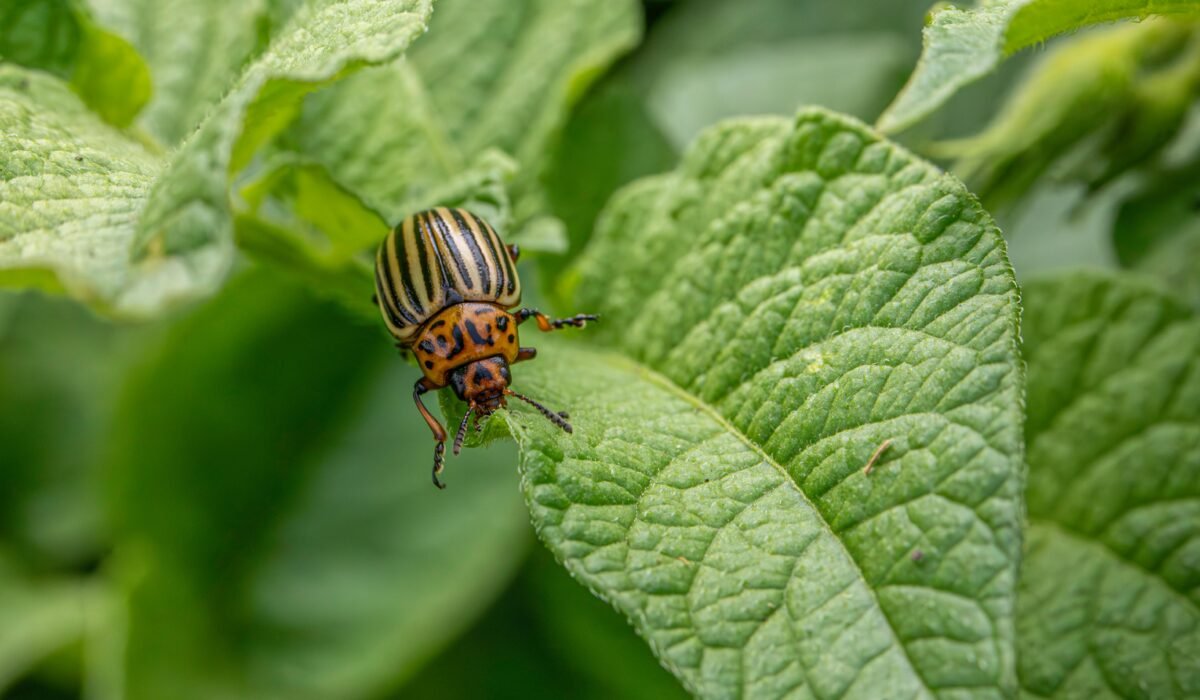
Japanese beetles are metallic green and copper-colored beetles that skeletonize leaves, eating the tissue between the veins and leaving a lace-like appearance. They often feed in groups, causing significant damage quickly to a wide range of plants.
Decoding Damage: How to Identify Garden Pest Symptoms
Even if you don’t spot the pest itself, the damage it leaves behind provides crucial clues. Learning how to identify insect damage on plants is a detective skill every gardener needs. Different feeding patterns, discolorations, and deformities point to specific types of pests.
Chewed or Ragged Leaves
- Large, irregular holes: Often caused by slugs, snails, caterpillars, or earwigs.
- Skeletonized leaves: Veins remain, but tissue is eaten; a hallmark of Japanese beetles or some types of beetle larvae.
- Notched leaf edges: Common with root weevils or adult flea beetles.
Stunted Growth or Deformed Plants
Pests that suck sap, like aphids, whiteflies, or scale insects, can inject toxins or simply deprive the plant of vital nutrients. This leads to distorted leaves, curled stems, or overall dwarfing of the plant. Flowers may fail to open or be malformed.
Discoloration and Wilting
Yellowing, browning, or bronzing of leaves can indicate a sap-sucking pest infestation, such as spider mites or thrips. Wilting, even when the soil is adequately moist, can signal root damage from grubs or nematodes, or stem damage from borers that interrupt water flow.
Sticky Residue or Sooty Mold
Honeydew, a sugary excretion from sap-sucking insects like aphids, whiteflies, and scale, makes leaves shiny and sticky. This honeydew then becomes a breeding ground for sooty mold, a black fungus that further impedes photosynthesis. This is a clear sign of an active infestation of soft-bodied insects.
Integrated Pest Management: The Foundation of Organic Control
Integrated Pest Management (IPM) is not just a buzzword; it’s a holistic, sustainable strategy for managing pests that prioritizes prevention and non-chemical interventions. Ken Johnson, an Illinois Extension horticulture educator, highlights IPM as an approach to reducing pest populations to an acceptable level using a variety of techniques, rather than trying to completely wipe them out. For the home garden, this means understanding your garden ecosystem health and working with nature, not against it.
The core philosophy of integrated pest management (IPM) is to use the least toxic methods first, only escalating to stronger treatments if absolutely necessary. This approach builds a resilient garden that can naturally deter common garden insects. Karey Windbiel-Rojas of the University of California emphasizes this shift: “It used to be, what can I buy to spray… And now most people… say, what can I do to control or get rid of this pest? Great. That’s a great way to go, to go to mechanical, cultural, physical controls before you reach for the spray can.”
The Four Pillars of IPM
- Cultural Controls: These involve practices that make the environment less favorable for pests and more favorable for plants. This includes proper plant spacing, adequate watering, crop rotation, and selecting pest-resistant varieties.
- Physical/Mechanical Controls: Direct actions to remove or exclude pests. Think hand-picking, trapping, or using physical barriers like floating row covers.
- Biological Controls: Leveraging natural enemies of pests, such as beneficial insects for garden health. Attracting beneficial insects to garden spaces is a powerful, natural pest control remedy.
- Chemical Controls (Organic First): When other methods aren’t enough, turn to organic pest control remedies. This means using naturally derived or approved substances, always as a last resort and with careful consideration. For more on this, check out our guide on Organic Pest Control for Gardens.
Effective Organic Control Methods for Garden Pests
Once you’ve mastered garden pest identification, the next step is implementing effective, organic pest control for vegetable garden and ornamental plants. There are numerous eco-friendly pest solutions that can tackle most common garden insects without resorting to harsh chemicals.
Hand-Picking and Water Sprays
For larger pests like hornworms, slugs, or Japanese beetles, hand-picking is an incredibly effective mechanical control. Simply pluck them off and drop them into a bucket of soapy water. For soft-bodied pests like aphids and spider mites, a strong spray of water from your hose can dislodge them; Windbiel-Rojas notes this is often effective for spider mites, which are not insects.
Beneficial Insects
Inviting beneficial insects for garden pest control is a cornerstone of organic gardening. Ladybugs (lady beetles) voraciously consume aphids and scale, while green lacewing larvae are excellent predators of many soft-bodied pests. You can purchase these insects or, even better, create a habitat that attracts them naturally by planting flowers like dill, fennel, yarrow, and cosmos. Parasitoid wasps and beneficial nematodes also play crucial roles in controlling various pests.
Organic Sprays and Dusts
When infestations are more severe, natural insect repellents and organic sprays can provide targeted control. Amber Aguilera of the U.S. Fish and Wildlife Service advises against neonicotinoids due to their harm to pollinators, advocating for organic solutions instead.
- Neem Oil: A broad-spectrum organic spray that acts as a deterrent and disrupts pest hormonal systems. It’s effective against aphids, cucumber beetles, and Japanese beetles.
- Insecticidal Soap: Suffocates soft-bodied insects like aphids, mealybugs, and whiteflies on contact.
- Horticultural Oil: Smothers eggs, larvae, and adults of pests like aphids, leafhoppers, and spider mites.
- Bacillus thuringiensis (Bt): A naturally occurring soil bacterium lethal to specific insect larvae, especially caterpillars like cabbageworms and hornworms.
- Spinosad: Derived from soil bacteria, it’s effective against thrips, caterpillars, and squash bugs by affecting their nervous system.
- Diatomaceous Earth: A fine powder of fossilized diatoms that causes dehydration in soft-bodied pests like slugs, snails, and pill bugs. Apply when dry.
Lifecycle-Timed Strategies: When to Act for Best Results
Understanding the pest lifecycle management is crucial for maximizing the effectiveness of your organic pest control. Pests are often most vulnerable at specific stages of their development, and timing your interventions accordingly can make all the difference. Applying a treatment when pests are in their egg stage, for example, is often futile if the product targets feeding larvae.
For instance, many organic sprays like horticultural oil are most effective when applied to smother insect eggs or newly hatched larvae. Knowing when a pest typically lays eggs or emerges allows you to act preventatively. Bt (Bacillus thuringiensis) is specifically effective on young caterpillars actively feeding, as it must be ingested to work. If you wait until caterpillars are large and almost ready to pupate, Bt will be less impactful. Similarly, beneficial nematodes are best applied when soil-dwelling pests are in their larval stage and the soil is moist and warm.
This approach transforms reactive pest control into proactive, intelligent management, saving you time and effort while achieving superior results for your organic pest control remedies.
Beyond Treatment: Preventative Garden Design for Pest Resistance
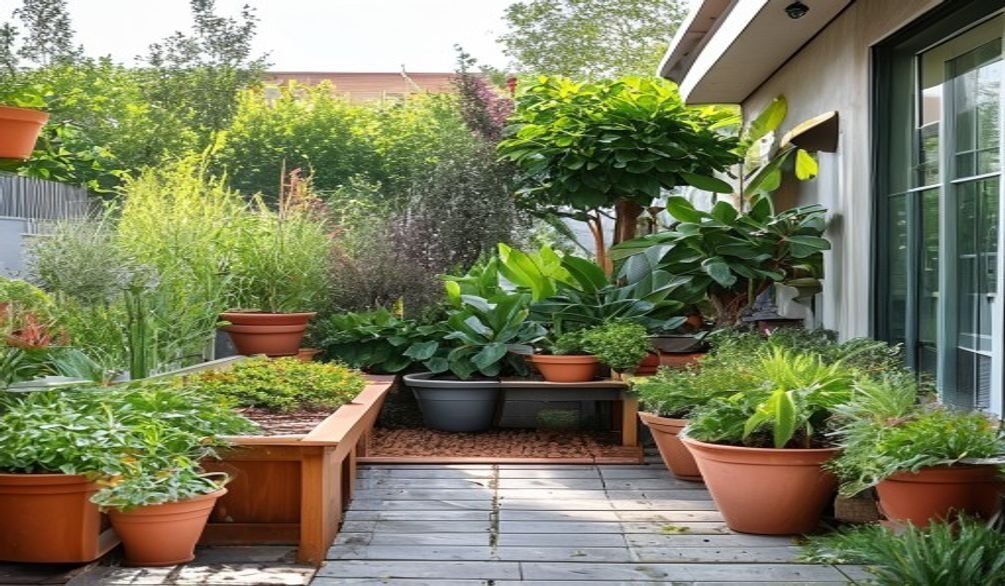
The most sustainable approach to pest management is to design a garden that naturally resists infestations. This moves beyond simply reacting to problems and instead focuses on creating a robust garden ecosystem health that deters pests and encourages beneficial life. This long-term strategy significantly reduces the need for constant intervention and fosters a balanced environment.
Embrace Diversity
A monoculture, a garden with only one type of plant, is an open invitation for pests that specialize in that plant. Instead, practice diverse planting with a mix of vegetables, herbs, and flowers. This confuses pests, makes it harder for them to find their preferred host plants, and provides varied habitats for beneficial insects. Consider organic companion planting, using plants like marigolds to repel damaging insects or alliums to deter pests with their strong smell.
Build Healthy Soil
Healthy soil grows healthy plants, and healthy plants are more resilient to pest attacks. Enrich your soil with organic matter like compost, which improves drainage, aeration, and nutrient availability. Strong, vigorous plants are better equipped to withstand minor pest damage and recover quickly. This foundational step is often overlooked but profoundly impacts your garden’s overall defense system.
Attract Beneficials with Habitat
Actively attracting beneficial insects to garden spaces is a powerful natural pest control remedy. Plant “insectary” plants that provide nectar and pollen for adult beneficials, such as dill, fennel, yarrow, cosmos, and sweet alyssum. Incorporate small water sources and undisturbed areas for shelter. These actions transform your garden into a haven for nature’s pest controllers, reducing common garden insects naturally. For more on this, the University of Illinois Extension offers excellent resources on creating pollinator and beneficial insect habitats.
Strategic Placement and Barriers
Thoughtful garden layout can also prevent pest problems. Use physical barriers like floating row covers (Enviromesh) to protect vulnerable crops from flying insects like cabbage moths or squash bugs during critical growth stages. Rotate your crops annually to break pest cycles in the soil, preventing pests from building up populations specific to certain plant families. This simple practice is a powerful preventative measure against many common soil-dwelling pests and diseases.
Frequently Asked Questions
What is the best way to identify garden pests?
The best way to identify garden pests is through careful observation of both the pest itself and the specific damage it causes. Use a magnifying glass for tiny insects and compare what you see to reliable visual guides, paying attention to body shape, color, location on the plant, and any tell-tale signs like webbing or slime trails.
What are the most common garden pests?
The most common garden pests include aphids, caterpillars (like cabbageworms and hornworms), slugs and snails, spider mites, and Japanese beetles. These pests are frequently encountered by gardeners across various climates and plant types, often causing visible damage to leaves, stems, or fruits.
How do I identify garden pest damage?
You can identify garden pest damage by looking for specific symptoms such as chewed holes in leaves, skeletonized foliage, stunted or distorted growth, yellowing or bronzing of leaves, wilting, and sticky residues like honeydew. Each type of damage typically points to a particular category of pest, helping you narrow down the culprit.
What is a natural way to get rid of garden pests?
Natural ways to get rid of garden pests involve using integrated pest management (IPM) principles, starting with cultural and mechanical controls. This includes hand-picking pests, using strong water sprays, introducing beneficial insects, implementing physical barriers like row covers, and applying organic pest control remedies such as neem oil, insecticidal soap, or Bacillus thuringiensis (Bt) as needed.
Mastering garden pest identification and organic control is an ongoing journey that rewards patience and observation. By embracing integrated pest management and proactive garden design, you’re not just fighting pests; you’re cultivating a resilient, vibrant ecosystem. Take what you’ve learned today and start observing your garden with new eyes, ready to diagnose and defend with confidence and care.