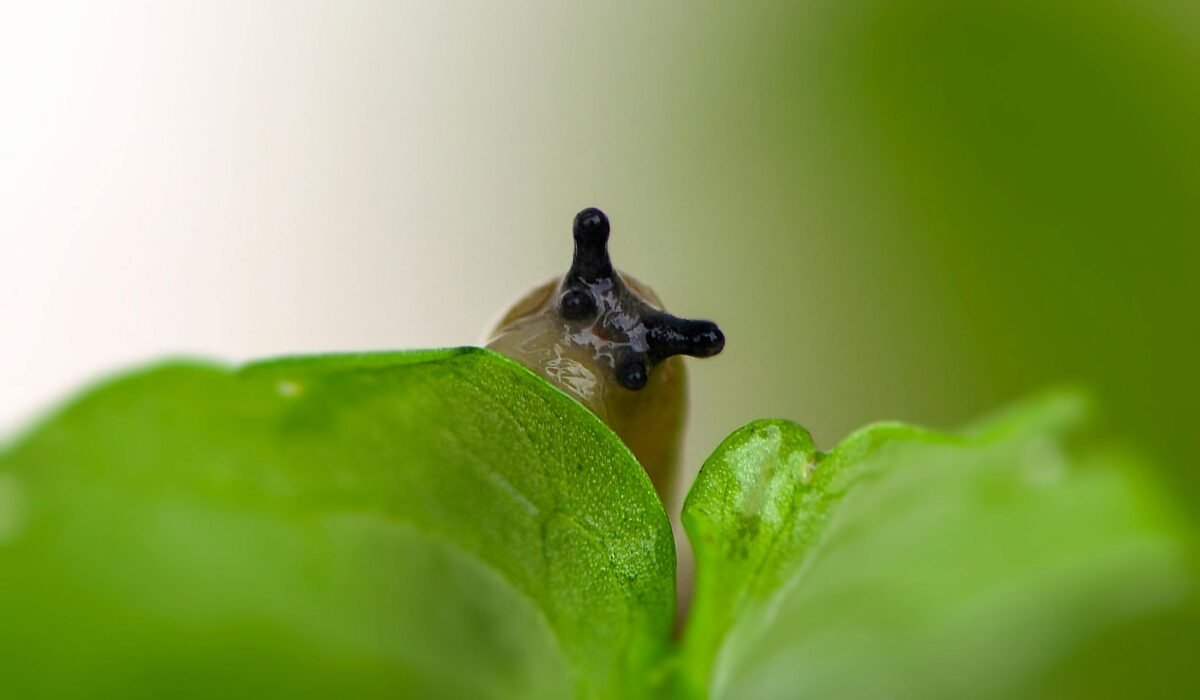
Discovering your prized plants riddled with holes can be disheartening, prompting the urgent question: How to Identify & Treat Garden Slug Damage? These slimy garden invaders can wreak havoc on your landscape, but understanding their habits and the tell-tale signs of their presence is the first step toward reclaiming your garden. This comprehensive guide will equip you with effective strategies to identify slug damage and implement sustainable, long-term solutions to protect your beloved greenery.
How to Identify Garden Slug Damage on Your Plants
The first step in effective slug control is confirming that slugs are indeed the culprits behind your plant woes. Slug damage often presents with distinct characteristics that set it apart from other garden pests. You’ll typically notice irregular holes with smooth edges on leaves and flowers, a signature sign of their rasping mouthparts.
Beyond the holes, the most definitive indicator of slug activity is the presence of their characteristic slime trails. These silvery, iridescent paths are left behind as slugs move, especially after a rain or in the early morning dew. You might find these trails on foliage, stems, soil, or even on garden pathways.
Slugs are particularly fond of tender plant parts, making seedlings damage a common and frustrating issue for gardeners. They can completely consume young seedlings overnight, hindering your garden’s early growth. Herbaceous plants and low-lying fruits like strawberries and tomatoes are also prime targets.
A classic example of their destructive power is hosta damage. Hostas, with their lush, broad leaves, are often severely affected, showing numerous ragged holes that can defoliate a plant quickly. According to the University of Minnesota Extension, “Low to moderate feeding can affect the appearance of plants but usually does not impact plant health. Severe slug feeding can injure plants, especially seedlings.”
Another clue is the presence of small, dark, sausage-shaped feces, often found near feeding sites. If you suspect slugs, venture out after dark with a flashlight; this is when these nocturnal feeders are most active and easiest to spot in action.
Understanding Slug Biology: Why They Love Your Garden
To effectively treat garden slug damage, it helps to understand why these gastropods thrive in certain conditions. Slugs are mollusks, closely related to snails, but lacking an external shell. They flourish in environments where humidity approaches 100%, temperatures are above 38°F, and wind speed is negligible, as stated by Oregon State University Extension. This makes damp, cool, and sheltered garden areas their ideal habitat.
Slugs feed on both decaying and living plant material, utilizing their file-like mouthparts (radula) to rasp and chew tissue. They are most active from spring until the first frost, causing continuous damage throughout the growing season. In particularly wet regions, like the Pacific Northwest, slugs are among the most common and persistent garden pests.
What many gardeners miss is that slugs often spend a significant portion of their lives underground, feeding on roots and tubers. This subsurface activity can lead to shallow or deep smooth-sided pits on root vegetables, making their damage less obvious until harvest. They also lay their pearly white, spherical eggs in moist soil or under debris, ensuring a continuous population cycle.
In agricultural settings, particularly in no-till fields, slugs can cause significant stand losses, especially where seed slots remain open after planting due to wet conditions. Research from the University of Maryland suggests that practices like using row cleaners and starter fertilizers can help reduce slug damage in crops like corn by promoting stronger early plant growth.
What’s the Fastest Way to Get Rid of Slugs in the Garden?
When you’re facing an immediate slug infestation, you’re likely asking: what is the fastest way to get rid of slugs in the garden? The short answer is a combination of direct action and targeted traps. While no single method offers instant, complete eradication, these strategies provide quick relief.
- Handpicking: The most direct and immediate method is to physically remove them. Go out after dark or early in the morning when slugs are most active. Use gloves and a flashlight, then drop them into a bucket of soapy water. This method is highly effective for reducing numbers quickly, especially for organic vegetable gardens.
- Beer Traps: A classic and surprisingly effective DIY solution. Slugs are overwhelmingly irresistible to the aroma of fermenting yeast. Bury shallow containers, like old coffee cans or margarine tubs, so their rims are level with the soil. Fill them with inexpensive beer. Slugs will be attracted, fall in, and drown. Empty and refill every few days.
- Quick-Acting Baits: For a rapid reduction, certain baits can be effective. While slower than handpicking, sodium ferric EDTA baits (e.g., Corry’s Slug & Snail Killer) can kill slugs faster than iron phosphate, often within three days. These are generally considered safer for pets and wildlife than traditional metaldehyde baits.
While these methods offer immediate relief, remember they are often reactive. For long-term control, a more integrated approach is necessary, as slugs will continue to emerge from eggs and surrounding areas.
Natural & Organic Slug Killers: Effective & Eco-Friendly Options
For gardeners committed to sustainable practices, finding the best organic slug killer means looking beyond harsh chemicals. There are several effective, eco-friendly options available that align with natural pest management principles. These methods aim to control slugs without harming beneficial insects, pets, or the wider ecosystem.
One of the most widely recommended organic solutions is **iron phosphate baits**. Products like Sluggo (Monterey Sluggo, Garden Safe Slug & Snail Bait) and Slug Magic utilize iron phosphate, which is toxic to slugs but breaks down into harmless iron and phosphate in the soil. Oregon State University Extension confirms these baits are “just as effective as metaldehyde baits, but not toxic to pets and wildlife.” Slugs consume the bait, stop feeding, and typically die within 3-7 days. Look for OMRI-listed options for certified organic gardening.
Another powerful organic control comes in the form of **nematodes for slugs**. These microscopic parasitic worms (*Phasmarhabditis hermaphrodita*) are watered onto moist soil, where they seek out and infect slugs, causing them to stop feeding and die within a few weeks. They are particularly effective against grey field slugs and provide control for several weeks. Nematodes are a fantastic biological control method, fitting perfectly into an organic pest control strategy.
Diatomaceous earth (DE) can also serve as a physical barrier and dehydrant. When slugs crawl over the sharp, microscopic particles of DE, it abrades their soft bodies, leading to dehydration and death. Apply it around vulnerable plants, but be aware that it loses effectiveness when wet and can also harm beneficial insects with exoskeletons.
In practice, the most effective natural and organic slug control often involves a combination of these methods, tailored to the specific infestation level and garden environment.
Proactive Slug Control: Creating a Slug-Resistant Garden Ecosystem
The best defense against slugs is a good offense, meaning proactive measures that create an environment unfavorable to them. This approach focuses on how to prevent slugs in raised beds and in-ground gardens by fostering a balanced ecosystem.
Cultural Controls: Modifying the Environment
Slugs thrive in damp, cool, and sheltered conditions. By altering these factors, you can significantly reduce their populations:
- Reduce Moisture: Water plants in the morning so the soil surface dries out by evening. Improve drainage in heavy soils, which also benefits overall plant health.
- Eliminate Hiding Spots: Remove leaf litter, weeds, excess mulch, and garden debris where slugs can hide during the day. Keep garden beds tidy and free of clutter.
- Proper Spacing: Ensure adequate air circulation between plants. Overcrowded beds create humid, shaded conditions that slugs love.
- Tillage (Strategic): While no-dig methods support beneficial organisms, light tillage in slug-prone areas before planting can expose slug eggs to predators and desiccation.
Purdue University Extension’s Eric Rosenbaum emphasizes that “Improving early-season stand vigor is critical to minimizing slug damage,” suggesting practices like “effective residue management to reduce slug habitat” and using starter fertilizer to promote strong early growth.
Encouraging Natural Predators
Nature provides its own slug control through **natural slug predators**. Encouraging these beneficial creatures is a cornerstone of sustainable pest management.
- Ground Beetles: These nocturnal insects are voracious slug predators. Create habitat for them by incorporating logs, stones, and perennial groundcovers (that aren’t slug magnets) into your garden.
- Birds: Thrushes, blackbirds, and ducks (if suitable for your garden) will readily feast on slugs.
- Frogs and Toads: Ponds or water features can attract these amphibians, which are excellent slug consumers.
- Slow Worms and Hedgehogs: These larger garden residents are also keen slug eaters.
Creating a diverse garden with a variety of plants, including those that provide shelter and food for beneficial insects, can significantly boost your garden’s natural defense system. Consider organic companion planting to attract beneficials and deter pests.
Slug Repellent Plants
While no plant is 100% slug-proof, some are less appealing to slugs and can even act as natural deterrents. These slug repellent plants often have strong aromas, hairy leaves, or bitter tastes. Examples include:
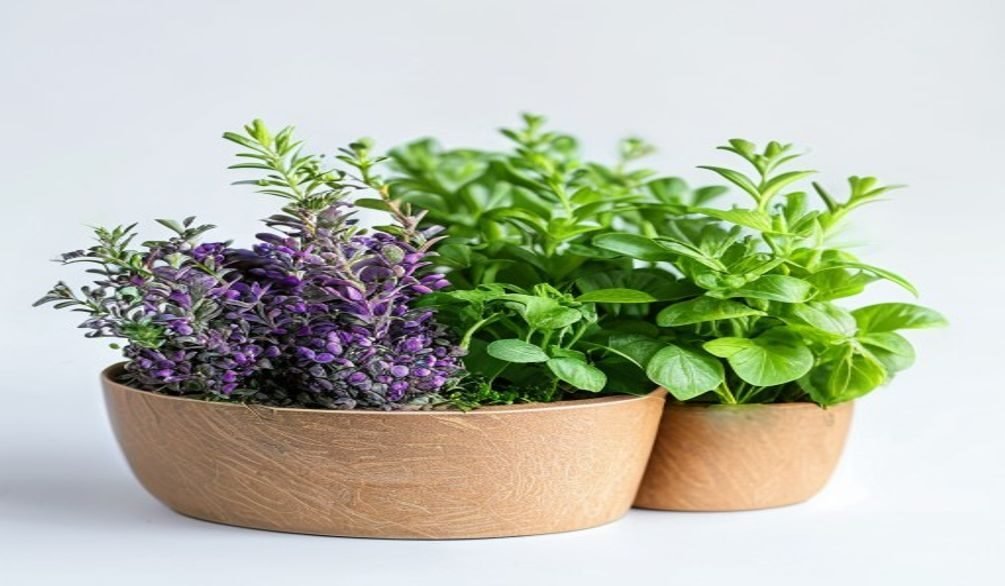
- Many aromatic herbs: Rosemary, thyme, sage, lavender.
- Plants with rough or hairy leaves: Lamb’s ear, some euphorbias.
- Certain flowers: Foxgloves, nasturtiums (though slugs might eat them if desperate), strong-smelling marigolds.
Conversely, avoid planting too many slug favorites like hostas, delphiniums, and basil in areas prone to heavy slug activity.
Do Common Slug Deterrents Really Work? Myth vs. Fact
Gardeners often turn to common household remedies to combat slugs, but not all of these widely circulated tips stand up to scientific scrutiny. Let’s separate the effective from the unreliable when it comes to common slug deterrents.
Myth: Crushed Eggshells and Coffee Grounds
Many believe that sharp barriers like crushed eggshells or abrasive materials like coffee grounds deter slugs. The theory is that slugs won’t cross these rough surfaces. However, recent trials by the Royal Horticultural Society (RHS) found that “common barriers like crushed eggshells, pine bark mulch, copper tape, sharp horticultural grit, and wool pellets were ‘unreliable and ineffective’ in trials.” Slugs are surprisingly adept at navigating rough terrain, and a little moisture can soften these barriers, making them easy to cross. While coffee grounds might offer some nitrogen to the soil, their slug-deterring power is largely a myth.
Fact (with caveats): Copper Barriers
Copper tape or bands are often recommended for deterring slugs, especially around containers or raised beds. The science behind it is that copper reacts with slug mucus, creating a mild electrical shock-like sensation that slugs find unpleasant. While the RHS found them “unreliable” in their broader trials, many gardeners still report success, particularly in specific, controlled applications. Copper barriers can be effective for small areas or individual pots, but their efficacy can diminish in very wet conditions or if dirt bridges the gap.
Myth: Salt
You might have heard that salt kills slugs. This is true: salt rapidly dehydrates slugs, causing them to shrivel and die. However, using salt directly in your garden soil is highly detrimental to plant health. Salt can build up in the soil, making it infertile and damaging to roots. This method is never recommended for garden-wide slug control and should only be used as a last resort for direct application to individual slugs away from plants.
The takeaway here is to be discerning about the advice you follow. While well-intentioned, some traditional remedies simply don’t offer reliable, long-term solutions for slug management and can sometimes even harm your garden ecosystem.
Integrated Pest Management (IPM) for Sustainable Slug Control
For truly sustainable and effective slug control, adopting an Integrated Pest Management (IPM) approach is key. IPM is a holistic, multi-pronged strategy that combines various control methods to manage pests while minimizing risks to human health and the environment. It’s the ultimate guide for how to identify & treat garden slug damage in a responsible way.
The UC Statewide IPM Program emphasizes that “Management requires vigilance and a combination of practices that includes eliminating moisture and hiding spots, trapping, exclusion, and handpicking. Baits can be helpful but by themselves don’t provide adequate control in areas that contain plenty of shelter, food, and moisture.” This perfectly encapsulates the philosophy of IPM.
The Four Pillars of IPM for Slugs:
- Cultural Controls: These are preventative measures that modify the garden environment to make it less hospitable for slugs. This includes improving drainage, reducing irrigation, removing debris, and proper plant spacing. These are your first line of defense and often the most impactful long-term solutions.
- Mechanical/Physical Controls: These involve direct intervention. Handpicking, setting up beer traps, and using copper barriers fall into this category. These methods offer immediate reduction of slug populations and are generally low-impact.
- Biological Controls: Leveraging nature’s own pest control. Encouraging natural slug predators like ground beetles, birds, frogs, and toads, or introducing beneficial nematodes, are excellent biological strategies. This helps to establish a balanced garden ecosystem that naturally suppresses slug numbers.
- Chemical Controls (as a last resort): When other methods aren’t sufficient, targeted chemical controls can be used. For slugs, this primarily means iron phosphate or sodium ferric EDTA baits, which are considered safer alternatives to older, more toxic metaldehyde products. Always follow label instructions carefully.
The brilliance of IPM is its emphasis on early detection and understanding the pest’s life cycle. By regularly monitoring your plants for signs of slug damage and adjusting your strategies as needed, you can maintain a healthy, thriving garden. This comprehensive approach ensures you’re not just reacting to problems, but actively building a resilient garden ecosystem. It’s the smart way to tackle issues like how to get rid of slugs in vegetable garden naturally, ensuring your harvests are safe and abundant.
Frequently Asked Questions
What is the fastest way to get rid of slugs in the garden?
The fastest way to reduce slug numbers in your garden is through direct action like handpicking them at night or setting up beer traps. While these methods offer immediate relief by removing active slugs, they are best combined with long-term cultural controls to prevent future infestations.
What is a natural slug killer?
Effective natural slug killers include iron phosphate baits (like Sluggo, which are safe for pets and wildlife), and beneficial nematodes (*Phasmarhabditis hermaphrodita*), which are microscopic worms that parasitize and kill slugs. Diatomaceous earth can also be used as a physical barrier and dehydrant, but it loses effectiveness when wet.
What kills slugs instantly?
Salt can kill slugs instantly by causing rapid dehydration, but it is highly damaging to garden soil and should never be used as a general garden treatment. For quick removal, handpicking and dropping slugs into soapy water or using fast-acting baits like those containing sodium ferric EDTA are safer and more practical options.
What plants deter slugs?
Slugs generally avoid plants with strong aromas, hairy leaves, or bitter tastes. Examples of slug-repellent plants include many aromatic herbs like rosemary, thyme, and sage, as well as lamb’s ear and certain strong-smelling marigolds. Integrating these plants into your garden can help make it less appealing to slugs.
Effectively identifying and treating garden slug damage requires patience and a strategic approach. By understanding slug biology, employing a combination of cultural, mechanical, biological, and carefully chosen organic chemical controls, you can protect your plants and cultivate a thriving, resilient garden ecosystem. Start implementing these IPM strategies today to enjoy a healthier, slug-free garden for seasons to come!