Dreaming of a garden filled with the calming aroma and beautiful purple hues of lavender? Learning how to grow lavender successfully is a rewarding journey that adds both beauty and fragrance to your outdoor space. Many gardeners wonder about the magic behind thriving lavender plants, and this comprehensive guide will demystify the process, ensuring your garden flourishes with these aromatic blooms.
What is the secret to growing lavender successfully?
The secret to growing lavender successfully boils down to replicating its native Mediterranean habitat: plenty of sun, excellent drainage, and alkaline soil. What most people miss is how crucial these three factors are for the plant’s long-term health and prolific blooming.
As horticulturist and lavender expert John Rinaldi advises, “Lavender grows best in full sun but will tolerate less. A rule of thumb is no less than six hours of sun per day. Lavender doesn’t need nutrient-rich soil, but it does require good drainage. If necessary, you can improve drainage by amending the soil or planting on mounds.” This means prioritizing sunlight and soil conditions above all else.
Justin Claibourn of Cowlitz Falls Lavender Company emphasizes the importance of soil pH, stating, “If it’s too acidic you can kiss your lavender goodbye.” He explains that plants might look great initially, but random die-offs can occur after a few years if the pH isn’t right. The University of California Integrated Pest Management (UC IPM) further supports this, stressing the importance of “well-drained soils with pH of 6.5 to 7.5.”
By focusing on these core requirements – ample sunlight, superior drainage, and the correct soil pH – you’ll lay the foundation for vibrant, fragrant lavender plants that thrive year after year.
Choosing the Best Lavender Varieties for Your Garden
Selecting the right lavender varieties is key to ensuring they flourish in your specific climate and meet your gardening goals. Each type offers unique characteristics in terms of hardiness, bloom time, and fragrance, making “best” highly subjective to your needs.
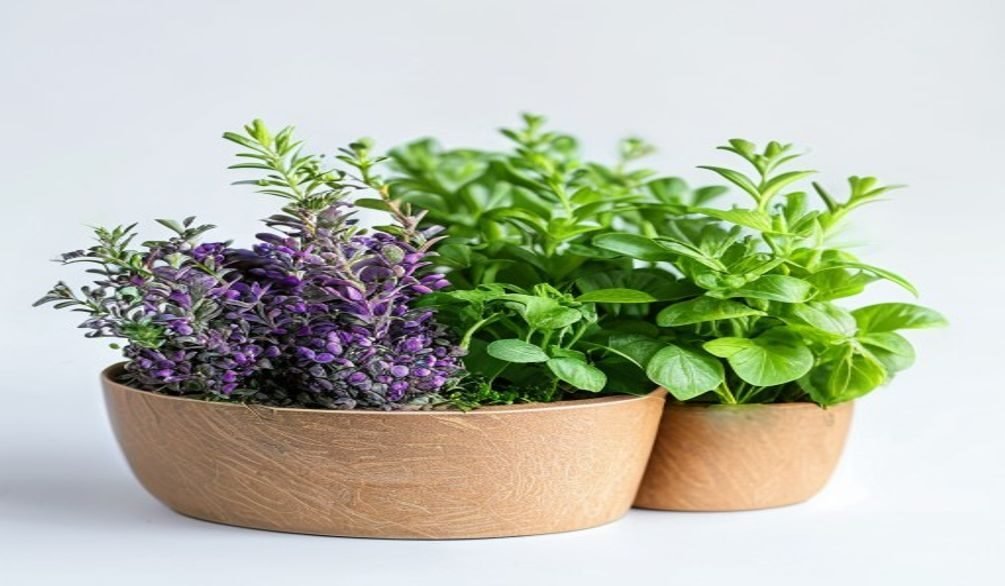
For cold-hardiness and classic fragrance, English Lavender (Lavandula angustifolia) is often the go-to choice. Varieties like ‘Hidcote’ are known for their dense, dark purple blooms and excellent performance in borders and pots, while ‘Munstead’ offers impressive cold and heat tolerance, making it a reliable all-around option. ‘Royal Velvet’ is another standout, prized for its sweet fragrance and mild flavor, ideal for culinary use.
If you’re in a hotter, more humid climate, consider French Lavender (Lavandula dentata), recognized for its longer blooming season and tolerance to challenging conditions. For unique aesthetics, Spanish Lavender (Lavandula stoechas) features distinctive pineapple-shaped blooms with purple bracts, thriving in hot, dry, and drought-resistant environments.
Finally, Lavandin (Lavandula x intermedia) varieties are vigorous hybrids, accounting for over 54% of U.S. essential oil output, according to the 2019 Census of Horticultural Specialties. ‘Grosso’ offers a strong, classic fragrance, perfect for essential oils, while ‘Provence’ provides a sweeter aroma, excellent for sachets and culinary applications. ‘Phenomenal’ is a newer standout, celebrated for its exceptional hardiness in both hot and cold climates (down to Zone 4).
Planting Lavender: Soil, Sunlight, and Spacing Essentials
Successful planting sets the stage for healthy lavender growth, beginning with careful consideration of its environmental needs. Getting these foundational elements right will prevent many common issues down the line.
Ideal Soil Conditions for Lavender
Lavender absolutely demands well-drained soil. If your soil is heavy clay, it’s crucial to amend it significantly by incorporating builder’s sand, gravel, or organic compost that doesn’t retain too much moisture. The goal is to create a gritty, loose texture that prevents waterlogging, which is a death sentence for lavender roots.
Equally important is the soil’s pH level. Lavender thrives in slightly alkaline conditions, ideally between 6.5 and 7.5 pH. If your soil is too acidic, adding agricultural lime can help raise the pH to the optimal range. After planting, mulching with an inch of small stones, pea gravel, or pebbles not only reflects sun and keeps roots cool but also prevents moisture from sitting around the plant base, unlike organic mulches which can trap humidity. For more on the benefits of different mulches, see our guide on Benefits of Organic Mulch.
Sunlight Requirements for Abundant Blooms
Lavender is a sun-worshipper. It needs full sun for at least six hours a day, and ideally more, to produce the most vibrant colors and potent fragrances. Planting lavender in a shaded spot will result in leggy growth, fewer blooms, and a higher susceptibility to fungal diseases due to retained moisture.
Position your plants where they will receive unobstructed sunlight throughout the day, especially the intense afternoon sun. This exposure is vital for the plant’s overall vigor and flowering capacity.
Proper Spacing for Air Circulation
Proper spacing is often overlooked but critical for lavender plant care and disease prevention. Lavender plants need good air circulation around their foliage to prevent fungal issues, especially in humid climates. When planting, ensure you leave adequate space between each plant, typically 2-3 feet apart, depending on the mature size of the variety.
This spacing allows air to move freely, drying the foliage after rain or irrigation, and gives each plant room to grow to its full, beautiful potential without competing for resources or light.
How to Water and Fertilize Lavender Plants for Optimal Growth
Understanding the specific water and nutrient needs of lavender is crucial for promoting robust growth and abundant blooms without overdoing it. Unlike many garden plants, lavender prefers a leaner approach.
Watering Lavender Plants
Lavender plants are famously drought-tolerant once established, meaning they require significantly less water than most other garden plants. Monrovia Nursery highlights this, advising, “In the first summer of your lavender plant, water it regularly to help it get established, about once a week. Once established, lavender rarely needs watering unless there’s an extended period of drought.”
The key is to allow the soil to dry out completely between waterings to prevent root rot. When you do water, do so deeply to encourage roots to grow downwards. Drip irrigation is highly recommended over overhead watering, as it delivers water directly to the roots and keeps foliage dry, preventing disease, as noted by UC IPM.
Fertilizing Lavender Plants
When it comes to fertilizer, less is definitely more for lavender. These plants originate from nutrient-poor soils and thrive on neglect in this regard. Excessive fertilization, especially with high-nitrogen fertilizers, will promote leafy growth at the expense of flowers, leading to fewer and less fragrant lavender blooms.
In most cases, established lavender plants do not require any supplemental fertilizer. If your soil is extremely poor, a light application of a balanced, slow-release granular fertilizer once in early spring can be considered, but it’s usually unnecessary. Focus instead on providing excellent drainage and sunlight, which are far more critical for your lavender’s health.
Mastering Lavender Pruning for Abundant Blooms and Longevity
Pruning is perhaps the most vital aspect of lavender care and maintenance, directly impacting the plant’s shape, bloom production, and lifespan. Regular, strategic cuts prevent legginess and encourage a compact, bushy form.
Essential Pruning Techniques for Beginners
For pruning lavender for beginners, the most important rule is to cut back about one-third of the plant’s growth annually. The best time for this major prune is after the first flush of flowers in late spring or early summer. Use sharp pruning shears to make clean cuts, removing spent flower stalks and shaping the plant.
This encourages new growth and a second, smaller flush of blooms. Always avoid cutting into the old, woody base of the plant, as this often doesn’t regenerate and can kill the branch or even the entire plant.
Advanced Pruning for Rejuvenation and Maximized Blooms
For older, woody lavender plants, more advanced pruning techniques can be employed to rejuvenate them. This involves a more aggressive cut, sometimes referred to as ‘hard pruning,’ performed in early spring before new growth appears. You can cut back up to half of the plant, again being careful to leave some green growth on each stem.
For specific varieties, like the vigorous Lavandins, a second, lighter trim after the main summer bloom can help maintain shape and encourage dense foliage. English lavender (Lavandula angustifolia) benefits from consistent deadheading to promote continuous flowering. For a deeper dive into maximizing flower production through pruning, check out our guide on How to Deadhead Flowers.
In practice, consistent annual pruning will prevent your lavender from becoming woody and sparse, ensuring a continuous display of fragrant lavender blooms and extending the plant’s healthy life for many years.
Protecting Your Lavender: Integrated Pest Management and Winter Care
Keeping your lavender healthy involves proactive measures against pests and thoughtful preparation for colder months. A robust plant is naturally more resistant, but knowing how to intervene smartly is key.
Integrated Pest Management (IPM) for Lavender
Lavender is generally quite resistant to pests due to its strong essential oils, but it’s not entirely immune. Common issues can include spittlebugs, aphids, or whiteflies, especially in stressed plants or overly humid conditions. The best defense is a healthy plant grown in optimal conditions, but when pests do appear, an Integrated Pest Management (IPM) approach is most effective and eco-friendly.
Start with cultural controls: ensure good air circulation through proper spacing and pruning, and avoid overhead watering. For minor infestations, a strong spray of water can dislodge pests. If needed, apply insecticidal soap or neem oil, which are organic options that disrupt pest life cycles without harming beneficial insects. For persistent issues, identifying the specific pest is crucial for targeted treatment. For more on natural pest control, you might find our guide on Balcony Garden Natural Pest Control helpful.
Remember, a few pests are normal; the goal of IPM is management, not eradication, to maintain ecological balance in your garden.
Winter Lavender Care for Cold Climates
Preparing your lavender for winter is essential, particularly in regions with harsh freezes. The best way to keep lavender plants over the winter involves ensuring excellent drainage and providing minimal protection. For hardy varieties like ‘Phenomenal’ or English lavenders, simply ensuring the soil remains well-drained is often enough.
In colder zones (Zone 5 and below) or during exceptionally harsh winters, a light mulch of pea gravel or small stones around the base can help regulate soil temperature and prevent frost heave. Avoid organic mulches like straw or wood chips, as these can trap moisture and lead to rot. For container lavender, move pots to a sheltered, unheated location like a garage or shed, or wrap them in burlap for insulation.
Ensure plants are not overwatered before winter sets in; dry, well-drained soil is their best defense against winter damage.
Growing Lavender in Pots: Tips for Container Success
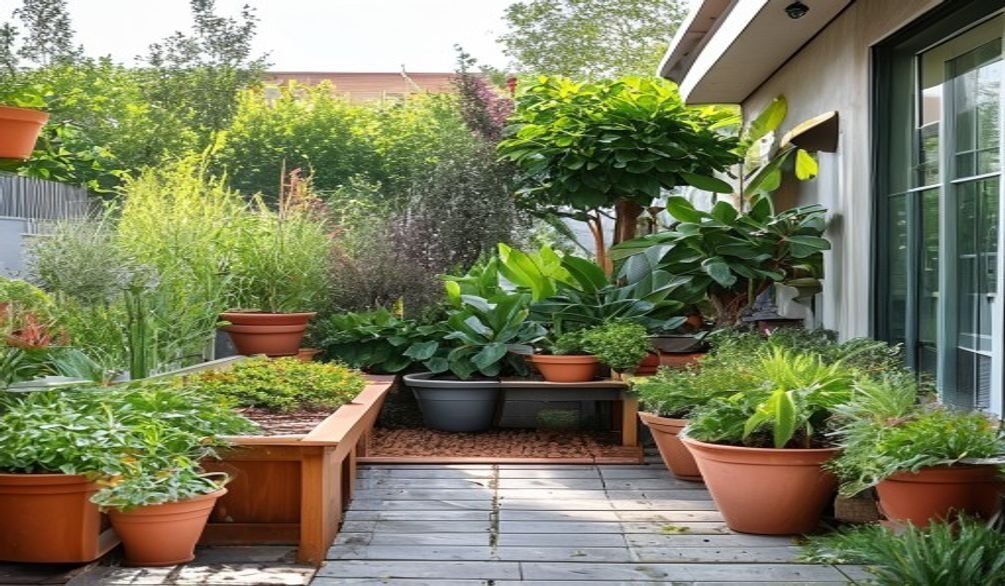
For those with limited garden space or challenging soil conditions, learning how to plant lavender in pots offers a fantastic solution. Container growing allows you to control the environment precisely, making it easier to meet lavender’s specific needs.
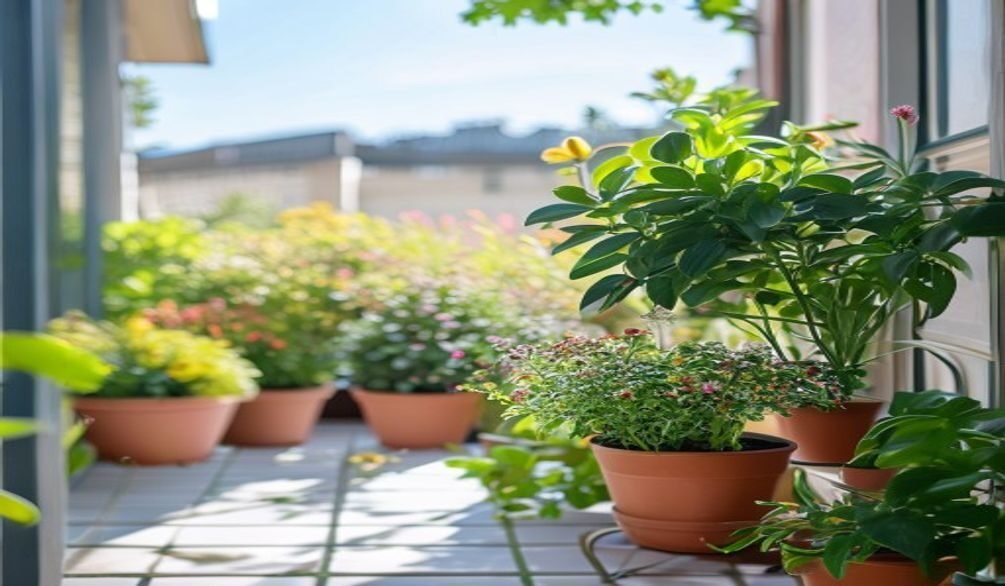
The key to container success lies in three areas: pot choice, potting mix, and watering. First, choose a pot with excellent drainage holes; terracotta pots are highly recommended because their porous nature allows for better air circulation and moisture evaporation, preventing soggy roots. Aim for a pot that’s at least 12-16 inches in diameter to allow for root growth.
Second, use a specialized potting mix designed for succulents or cacti, or create your own by mixing standard potting soil with generous amounts of perlite, coarse sand, or small gravel. This ensures the fast-draining, gritty medium lavender loves. Avoid heavy, moisture-retentive soils.
Finally, watering container lavender requires a careful hand. While potted plants generally dry out faster than garden plants, lavender still prefers dry feet. Water thoroughly when the top 2-3 inches of soil are completely dry, then allow it to dry out again before the next watering. Overwatering is the most common cause of failure for container lavender, so err on the side of underwatering.
Creative Uses for Your Lavender Harvest: Beyond the Garden
Once your lavender plants are thriving and producing abundant blooms, the real fun begins: harvesting and enjoying its versatile bounty. Beyond simply admiring their beauty, your lavender harvest can enrich your home and well-being in countless ways.
To harvest, cut the flower stalks just as the lowest flowers are opening, ideally in the morning after the dew has dried. Bundle the stems and hang them upside down in a cool, dark, well-ventilated space for a few weeks to dry. Once dry, you can strip the buds for various uses.
Here are some creative ways to utilize your fragrant harvest:
- Culinary Delights: Use culinary lavender varieties like ‘Royal Velvet’ or ‘Provence’ to infuse sugars, honeys, or syrups. Try making lavender shortbread cookies, a delicate lavender lemonade, or even a unique lavender-crusted chicken.
- Aromatic Sachets & Potpourri: Fill small fabric bags with dried lavender buds to place in drawers, closets, or under pillows for a natural, calming scent. Combine with other dried herbs and spices for custom potpourri mixes.
- Homemade Cleaning Sprays: Steep dried lavender in white vinegar for a few weeks, then strain and dilute with water to create an all-natural, fragrant, and antibacterial cleaning spray for surfaces.
- Relaxing Bath & Body Products: Add a handful of dried buds to a warm bath for a soothing soak, or infuse oils to make homemade lotions, soaps, or bath bombs.
- Decorative Wreaths & Bouquets: Fresh or dried lavender stems make beautiful, long-lasting additions to floral arrangements, wreaths, and garlands, bringing a touch of natural elegance indoors.
The possibilities for your lavender harvest are truly endless, transforming your garden’s beauty into tangible, delightful experiences throughout your home.
Frequently Asked Questions
What is the secret to growing lavender?
The primary secret to growing lavender successfully is providing ample sunlight (at least six hours daily), ensuring excellent soil drainage, and maintaining a slightly alkaline soil pH between 6.5 and 7.5. These conditions mimic its native Mediterranean habitat and are crucial for the plant’s health and prolific blooming.
How often should I water lavender?
Once established, lavender is highly drought-tolerant and rarely needs watering unless there is an extended period of drought. During its first summer, water regularly about once a week to help it establish. Always allow the soil to dry out completely between waterings to prevent root rot.
Why isn’t my lavender blooming?
Several factors can prevent lavender from blooming, including insufficient sunlight (less than 6 hours per day), over-fertilization (especially with high-nitrogen fertilizers), overwatering, or improper pruning. Ensure your plant receives full sun, avoid excessive nutrients, allow the soil to dry between waterings, and prune annually to encourage flower production.
What soil does lavender need?
Lavender requires well-drained, somewhat gritty soil with a slightly alkaline pH of 6.5-7.5. It does not thrive in heavy clay or overly rich, acidic soils. Amending heavy soils with builder’s sand or gravel can improve drainage, and adding lime can adjust overly acidic pH levels.
Embracing the joy of growing lavender is a journey that rewards patience with exquisite fragrance and beauty. By providing the right conditions—plenty of sun, excellent drainage, and diligent pruning—you can cultivate a thriving lavender patch that brings a touch of Mediterranean charm to your garden. Start planting today and prepare to be enchanted by your own fragrant blooms.