
Key Takeaways
- Optimal ripeness for peak flavor is identified by a combination of color, aroma, and texture, not just visual cues.
- Gentle picking techniques are crucial to prevent bruising, which can degrade fruit flavor and shelf life.
- The Smart Harvest Market Size is valued at USD 19.74 billion in 2025 and is predicted to reach USD 67.71 billion by 2035.
- Immediate post-harvest cooling and proper handling significantly retain fruit freshness and taste.
- Approximately 65% of U.S.-grown grapefruit goes to the fresh market on average between 2020/21 and 2024/25, according to the USDA.
Achieving the richest, most delicious taste from your homegrown bounty starts with understanding the art of **harvesting fruit for peak flavor**. Many gardeners focus on quantity, but the true joy comes from quality, ensuring every bite bursts with sweetness and aroma, which is precisely what we’ll explore in this guide.
Quick Answer: For peak fruit flavor, harvest at optimal ripeness indicated by color, aroma, and slight softening, not just visual cues. Use gentle picking techniques to avoid bruising, and consider immediate post-harvest handling like curing to enhance sweetness and extend freshness.
Understanding Optimal Ripeness for Peak Fruit Flavor
Understanding optimal ripeness is the cornerstone of **harvesting fruit for peak flavor**, as fruit continues to develop sugars and complex aromatics on the tree. The key insight here is that harvesting at the right moment ensures maximum sweetness and characteristic taste, rather than picking too early or too late, which can result in bland or overripe produce. As an expert gardener with over 10 years of experience, I’ve learned that patience and observation are your best tools when it comes to harvesting fruit for peak flavor.
Step 1: Understand Ripeness Indicators
To truly master **harvesting fruit for peak flavor**, you must first grasp the specific indicators of ripeness for each fruit type. This matters because fruits develop their full sugar content and aromatic compounds while still attached to the plant, making proper timing essential for maximum taste. “Timing plays a crucial role in fruit picking. Harvest fruits when they’re fully ripe but still firm. Each fruit has its own indicators of ripeness, such as color, texture, and aroma,” according to *Fruit Picking 101: Tips and Techniques for Harvesting Your Homegrown Produce* (2024).
* **Apples**: Look for firm fruit with full color development for its variety; the stem should detach easily with a slight twist.
* **Peaches**: Ripe peaches will have a distinct, sweet aroma and a slight give when gently squeezed.
* **Berries**: Berries like strawberries and blueberries should be uniformly colored and easily detach from the plant without resistance.
* **Pears**: Pears are often picked when mature but still firm and allowed to ripen off the tree to achieve their best texture and sweetness.
* **Stone Fruits (Plums, Cherries)**: These should be fully colored and plump; cherries will be firm, while plums will have a slight softness.

Key Indicators: How to Identify Ripe Fruit on the Tree
Identifying ripe fruit on the tree for **harvesting fruit for peak flavor** involves more than just looking at its size; it requires a multi-sensory approach focusing on color, aroma, and texture. These indicators collectively signal that the fruit has reached its optimal sugar and acid balance, crucial for superior taste. For example, a lemon crop for the 2025/26 marketing season is anticipated to be 1.08 million tons, yet only those picked at peak ripeness will offer the best zest and juice, according to the USDA.
* **Color Change**: The most obvious sign, but not always the sole indicator. Many fruits change from green to their characteristic ripe color (e.g., green apples to red, yellow, or green; green grapes to purple or yellow-green). However, some varieties might stay green but become softer.
* **Aroma**: A powerful indicator often overlooked, a truly ripe fruit will emit a distinct, sweet, and fragrant scent. This aroma signifies the development of volatile compounds responsible for the fruit’s characteristic taste.
* **Texture/Firmness**: Gently feel the fruit. Does it have a slight give? Is it firm but not rock-hard? For many fruits, a little softness indicates ripeness, while others, like pears, are picked firm and ripen off the tree.
* **Ease of Detachment**: Ripe fruits often separate easily from the stem with a gentle twist or lift. If you have to tug hard, it’s likely not ready for **harvesting fruit for peak flavor**.
* **Taste Test**: For some fruits, especially those that ripen over an extended period, a discreet taste test of one or two fruits can confirm readiness. This is an effective way to fine-tune your understanding of optimal fruit ripeness indicators.
Gentle Harvesting Techniques to Maximize Sugars and Aromas
Employing gentle harvesting techniques is paramount for **harvesting fruit for peak flavor** because rough handling causes bruising, which initiates enzymatic breakdown and diminishes both taste and shelf life. “Handling fruits carefully during harvesting is crucial to preserving the fruit and the plant itself. Rough picking or careless handling can cause wounds to branches, stems, and leaves, which may invite pests and diseases,” as stated by *At the Immigrant’s Table* (July 2025).
Step 2: Employ Gentle Picking Techniques
To ensure the highest quality when **harvesting fruit for peak flavor**, gentle picking techniques are essential to prevent damage. This approach minimizes bruising and preserves the delicate cell structure, which directly impacts the fruit’s taste and storage potential. My years in horticulture have taught me that a careful touch is always rewarded.
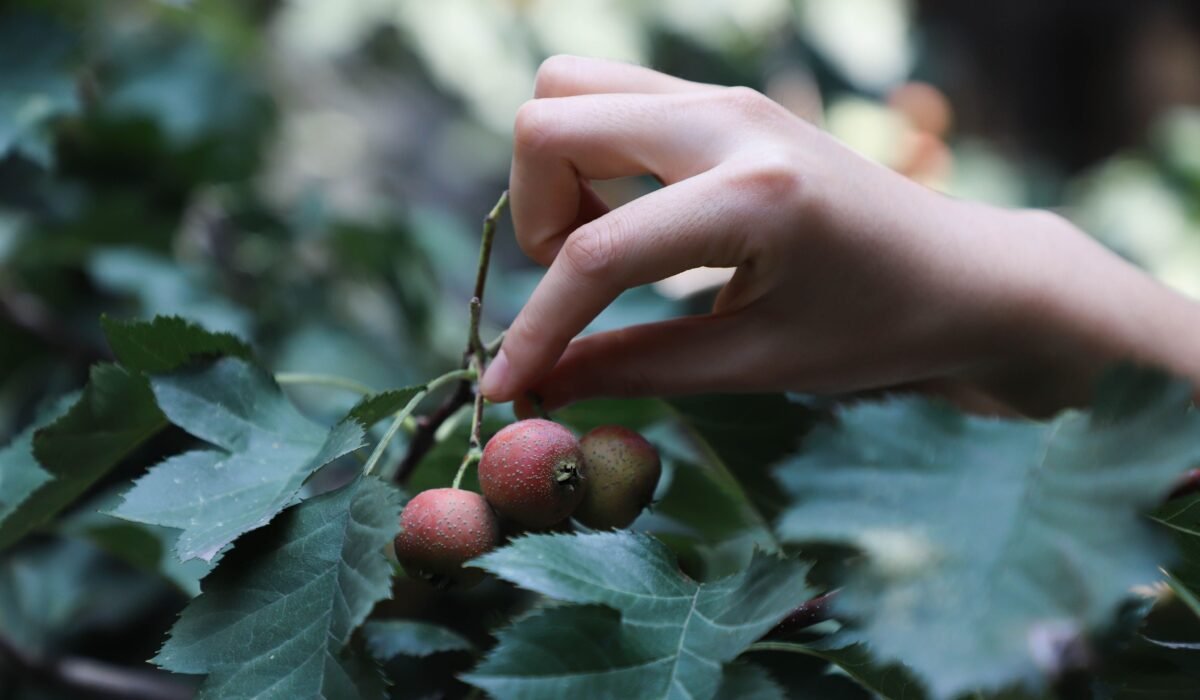
* **Twist and Lift**: For most tree fruits like apples and pears, gently cup the fruit in your hand, lift slightly, and twist. The stem should separate easily if the fruit is ripe.
* **Cut with Shears**: For fruits with tough stems or those prone to tearing, like grapes or figs, use clean, sharp pruning shears to cut the stem just above the fruit.
* **Use Picking Tools**: For out-of-reach fruits, consider tools like the MIYA Fruit Picker, which features a large metal basket with a soft pad to collect multiple fruits without bruising. The EVERSPROUT Fruit Picker offers a twist-on basket head and impressive reach, preventing bruising with its foam cushion basket head. Tools like the WOLF-Garten RGM Multi-Change Adjustable Fruit Picker also provide a built-in knife for stubborn stalks, minimizing stress on the tree.
* **Avoid Dropping**: Never drop harvested fruit into a basket or onto the ground. Gently place each fruit to prevent impact damage, which can lead to quick spoilage and a loss of flavor.
* **Wear Gloves**: For delicate fruits, wearing soft gloves can help prevent skin abrasions that might otherwise compromise the fruit’s integrity.

| Tool/Method | Description | Benefits for Flavor |
|---|---|---|
| Hand Picking (Twist & Lift) | Directly detaching fruit by hand with a gentle twist. | Preserves delicate skin, avoids bruising, ensures individual ripeness check. |
| Pruning Shears | Using clean shears to cut stems of delicate or clustered fruits. | Prevents stem tearing, ideal for grapes, figs, and some berries. |
| MIYA Fruit Picker | Long pole with a padded basket for reaching high fruits. | Reaches inaccessible fruit, soft pad minimizes bruising. |
| EVERSPROUT Fruit Picker | Extendable pole with a foam-cushioned, twist-on basket. | Exceptional reach, prevents bruising, protects fruit integrity. |
| WOLF-Garten RGM Multi-Change Adjustable Fruit Picker | Features a 13cm collection bag and built-in knife. | Clean stem cut, collects fruit gently, reduces tree damage. |
Immediate Post-Harvest Handling for Flavor Retention
Immediate post-harvest handling is critical for **harvesting fruit for peak flavor** because proper treatment directly after picking can halt ripening, prevent spoilage, and even enhance certain flavor profiles. Quickly cooling fruit, for example, slows respiration and enzymatic activity, preserving its freshness and taste. This step is as important as the picking itself when you are focused on maximizing fruit sugar content.
Step 3: Optimize Post-Harvest Handling
Optimizing post-harvest handling is vital for retaining flavor and extending the life of your harvested fruit. This is important because improper handling can quickly diminish the quality and taste of fruit that was perfectly ripe when picked. Organic fresh produce sales hit $21.5 billion in 2024, up 5.2% from the prior year, highlighting the consumer demand for quality produce, according to Tom Chapman, co-CEO of the Organic Trade Association.
* **Pre-cooling**: As soon as possible after **harvesting fruit for peak flavor**, cool the fruit. This rapidly removes field heat, significantly slowing down respiration and metabolic processes that lead to spoilage. For small quantities, a cool basement or even a refrigerator can work.
* **Gentle Cleaning**: If necessary, gently brush off any dirt or debris. Avoid washing fruit until just before consumption, as moisture can encourage mold and bacterial growth, compromising freshness and taste.
* **Sorting**: Separate any bruised, damaged, or overripe fruits from the healthy ones. Damaged fruits release ethylene gas, which can accelerate the ripening and spoilage of healthy fruits.
* **Curing (for some fruits)**: Certain fruits, like winter squash, benefit from a curing period in a warm, humid environment to harden their skins and convert starches to sugars, enhancing their flavor and storage life.
* **Avoid Direct Sunlight**: Never leave harvested fruit in direct sunlight, even for a short period, as this can quickly degrade its quality and accelerate spoilage.
Storing Harvested Fruit to Prolong Freshness and Taste
Properly storing harvested fruit is essential for **harvesting fruit for peak flavor** because it allows you to enjoy the fruits of your labor for longer while maintaining their optimal taste and texture. Different fruits require different storage conditions to prevent deterioration and preserve their unique qualities. This is a key aspect of storing fruit for extended freshness and flavor.
Step 4: Store Fruit for Flavor
Effective storage techniques are crucial for maintaining the quality and flavor of your fruit after **harvesting fruit for peak flavor**. This is important because fruits continue to respire and ripen even after being picked, and proper storage can slow these processes, preserving their taste. For instance, approximately 65% of U.S.-grown grapefruit goes to the fresh market on average between 2020/21 and 2024/25, according to the USDA, underscoring the importance of post-harvest care for fresh consumption.
* **Refrigeration**: Many fruits, such as berries, cherries, and grapes, benefit from refrigeration to slow ripening and extend freshness. Store them in the crisper drawer in breathable containers.
* **Cool, Dark Place**: Apples and pears (once ripened) can be stored in a cool, dark, and humid place like a cellar or garage. Ensure good air circulation to prevent ethylene buildup.
* **Countertop Ripening**: Fruits like avocados, bananas, and peaches are often picked firm and allowed to ripen at room temperature on the countertop. Once ripe, they can be refrigerated to slow further ripening.
* **Ethylene Sensitivity**: Be mindful of ethylene-producing fruits (apples, bananas, tomatoes) and ethylene-sensitive fruits (berries, leafy greens). Store them separately to prevent premature ripening or spoilage.
* **Freezing**: For long-term storage, many fruits can be frozen. Blanching some fruits before freezing can help preserve their color and texture, making them suitable for later use in cooking or smoothies.
Common Harvesting Mistakes That Impact Fruit Flavor
Avoiding common harvesting mistakes is crucial for **harvesting fruit for peak flavor** because errors can quickly diminish quality, lead to spoilage, and prevent the fruit from reaching its full taste potential. Many gardeners, in their eagerness, overlook subtle signs or employ incorrect techniques that compromise the final product. “Selective harvesting involves carefully choosing only the fruits that have reached full maturity while leaving those that are still developing on the plant,” explains *At the Immigrant’s Table* (July 2025), emphasizing the importance of not rushing the process.
Step 5: Prevent Common Mistakes
Preventing common mistakes is fundamental when **harvesting fruit for peak flavor**, as these errors can significantly reduce the quality and shelf life of your harvest. Recognizing and avoiding these pitfalls ensures a more delicious and abundant yield. In my experience, even seasoned gardeners can sometimes fall prey to these simple errors.
* **Picking Too Early**: This is perhaps the most common mistake. Fruits picked prematurely lack the full sugar content and complex flavors that develop on the plant. They often fail to ripen properly off the tree, resulting in bland or sour fruit.
* **Picking Too Late**: Overripe fruit becomes mushy, loses its texture, and can develop off-flavors. It’s also more susceptible to pests and diseases.
* **Rough Handling**: Dropping fruit, squeezing it too hard, or tearing it from the branch causes bruising and internal damage. This damage leads to premature spoilage and a significant loss of flavor.
* **Ignoring Ripeness Indicators**: Relying solely on color can be misleading. Different varieties ripen differently, and a fruit might look ripe but lack the characteristic aroma or texture for peak flavor.
* **Improper Tools**: Using hands when a tool is better suited (e.g., for high branches or delicate clusters) can damage both the fruit and the tree. Conversely, using overly aggressive tools can also cause harm. For example, using a MIYA Fruit Picker or EVERSPROUT Fruit Picker appropriately ensures gentle collection.
* **Poor Post-Harvest Practices**: Leaving fruit in the sun, not cooling it quickly, or improper storage can undo all the effort put into careful picking. This compromises the goal of storing fruit for extended freshness and flavor. If you’re looking to protect fruit from birds and squirrels, consider methods that don’t harm the fruit before harvest. Protect Fruit from Birds Squirrels: 7 Effective Ways.
Beyond the Pick: Enhancing Fruit Flavor After Harvest
Even after **harvesting fruit for peak flavor**, there are still opportunities to enhance or preserve its deliciousness, moving beyond simple storage to active flavor management. This involves understanding how certain fruits continue to develop or can be prepared to bring out their best attributes. This final stage is crucial for truly maximizing fruit sugar content and overall enjoyment.
* **Controlled Ripening**: For climacteric fruits (those that continue to ripen after picking, like apples, bananas, pears, and peaches), you can control their ripening speed. Placing them in a paper bag with an apple or banana can accelerate the process due to ethylene gas.
* **Curing for Flavor Development**: Some fruits, such as winter squashes, benefit from a period of “curing” – typically a few weeks in a warm, humid environment – to harden their skins and convert starches into sugars, significantly improving their flavor.
* **Flavor Pairings and Preparations**: Consider how you will use the fruit. A slightly less sweet apple might be perfect for baking, while a perfectly ripe one shines fresh. Juicing, making preserves, or drying are all ways to capture and concentrate fruit flavors.
* **Blanching and Freezing**: For fruits destined for freezing, a quick blanch (brief immersion in boiling water followed by an ice bath) can help preserve color, texture, and flavor, preventing freezer burn and maintaining quality for later use.
* **Ethylene Management**: Understanding which fruits produce and are sensitive to ethylene gas allows for strategic storage. Storing ethylene-producing fruits separately from sensitive ones prevents premature spoilage and ensures each fruit reaches its ideal flavor profile.
* **Long-Term Storage Options**: For very large harvests, consider methods like canning, making fruit leather, or creating jams and jellies. These processes not only preserve the fruit but often concentrate its flavors, providing a delicious taste of summer even in winter. If you’re interested in fast-growing fruit trees for quick harvests, these post-harvest techniques become even more valuable. Fast-Growing Fruit Trees: 10 Best for Quick Harvests.
Frequently Asked Questions
What is the best time to harvest top fruits?
The best time to harvest top fruits is when they have reached their optimal ripeness, typically indicated by a combination of full color, distinct aroma, and a slight softening to the touch. This ensures the highest sugar content and best flavor, according to *Fruit Picking 101: Tips and Techniques for Harvesting Your Homegrown Produce* (2024). Always observe individual fruit indicators rather than relying on a calendar date alone.
How can I ensure consistent fruit size and quality?
Ensuring consistent fruit size and quality involves proper pruning, adequate watering, and thinning fruit during the early growth stages. Thinning reduces competition among fruits, allowing the remaining ones to grow larger and develop better flavor. Global cantaloupe production reached approximately 36.5 million tons in 2025, with commercial growers using these practices to achieve uniformity.
How do I store harvested fruits to prolong their freshness?
To prolong freshness, store harvested fruits according to their specific needs; many berries and stone fruits require refrigeration, while apples and pears prefer a cool, dark place. Rapidly cooling fruit immediately after **harvesting fruit for peak flavor** slows down ripening and enzymatic activity, significantly extending its shelf life.
What are the common pests and diseases that affect top fruits, and how can I prevent them?
Common pests include aphids, fruit flies, and codling moths, while diseases often involve powdery mildew and brown rot. Prevention strategies include regular inspection, good sanitation, proper pruning for air circulation, and organic pest control methods. The USDA provides extensive resources on integrated pest management for various fruit crops.
How often should I water and fertilize my fruit trees?
Fruit trees generally need deep watering once a week during dry periods, especially when fruit is developing, and fertilization typically occurs once or twice a year in spring or early summer. The specific frequency depends on soil type, climate, and tree age, with consistent moisture being critical for fruit development and **harvesting fruit for peak flavor**.
Mastering the art of **harvesting fruit for peak flavor** transforms your garden from a simple hobby into a source of unparalleled culinary delight. By understanding ripeness, employing gentle techniques, and optimizing post-harvest care, you ensure every piece of fruit is a testament to nature’s bounty and your diligent efforts. Start applying these practices today to savor the sweetest, most aromatic fruits imaginable from your own backyard.







