Key Takeaways
- The global urban farming market is projected to reach $9.2 billion in 2026, according to Kevin Bruce of Seeds In A Cup®.
- U.S. sales of certified organic products reached $76.6 billion in 2025, an increase of 6.8 percent, as reported by the Organic Trade Association (2026).
- Urban agriculture has experienced 340% growth since 2020, with 23% of urban households now producing food, according to the Urban Agriculture Research Institute (2025).
- Urban gardens can reduce household carbon footprints by 12-18% annually, based on an Environmental Protection Agency assessment (2025).
- A record two-thirds of American home gardeners are projected to expand their plots in 2026, according to new market research on the U.S. fertilizer and home gardening industry.
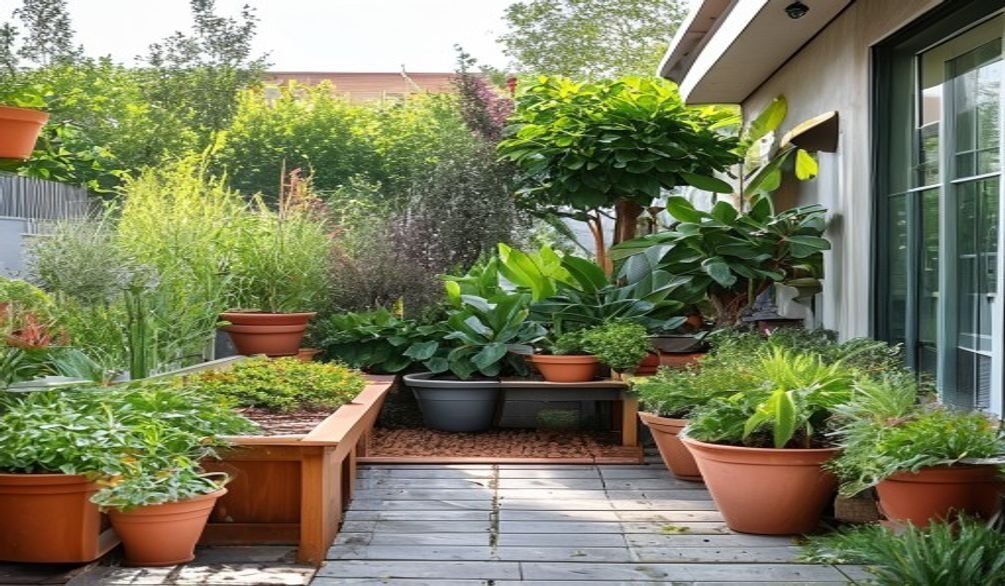
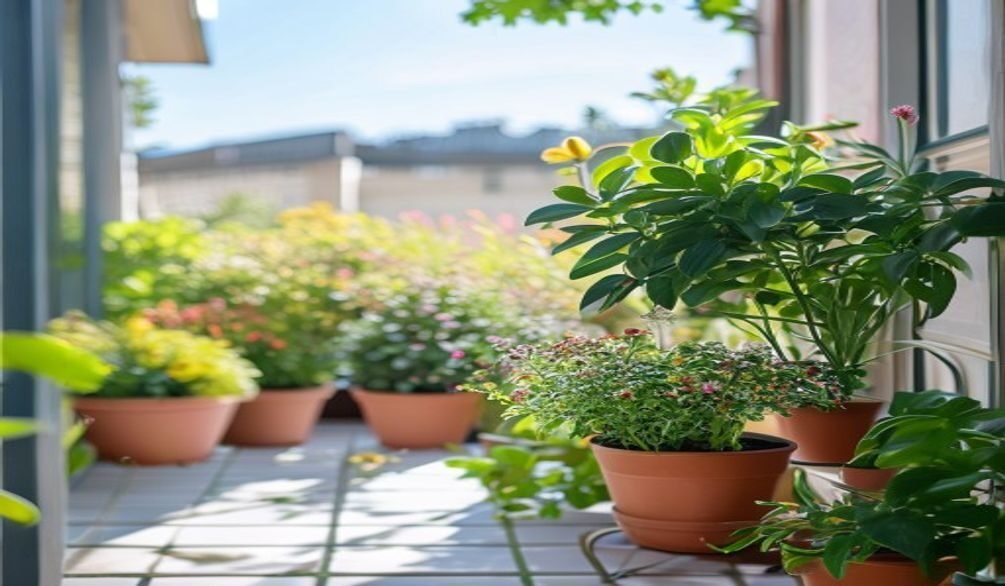
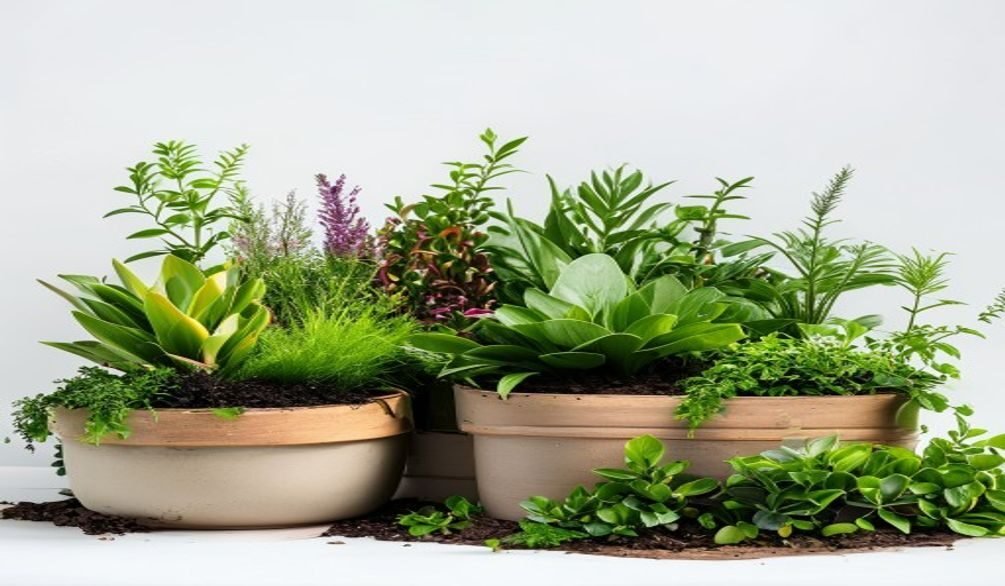
Are you dreaming of fresh, healthy produce right outside your door, even if you lack a traditional garden space? Then **Organic Container Gardening 2026** is your ultimate solution, allowing you to cultivate an abundant harvest in pots, grow bags, and vertical systems, regardless of your living situation. This guide will equip you with the knowledge and tools to transform any balcony, patio, or sunny windowsill into a thriving organic food source, making homegrown goodness a reality for you this year.
Quick Answer: Organic container gardening in 2026 allows you to grow fresh, healthy food anywhere using sustainable practices, healthy soil, and natural pest control in pots. It maximizes small spaces, boosts food security, and reduces environmental impact.
Why Choose Organic Container Gardening in 2026?
Choosing organic container gardening in 2026 offers a multitude of benefits, from enhancing personal well-being to supporting broader environmental sustainability. This approach empowers you to grow your own food, ensuring you have access to fresh, chemical-free produce, which is a significant advantage for your health. U.S. sales of certified organic products reached $76.6 billion in 2025, marking an increase of 6.8 percent, as reported by the Organic Trade Association (2026), highlighting a growing consumer demand for organic options.
The appeal of **Organic Container Gardening 2026** extends beyond just healthy eating; it’s a powerful tool for urban farming and sustainable living. Urban agriculture has experienced a remarkable 340% growth since 2020, with 23% of urban households now engaging in food production activities, according to the Urban Agriculture Research Institute (2025). This trend reflects a widespread desire to reconnect with food sources and reduce reliance on long supply chains.
One of the most compelling reasons to embrace **Organic Container Gardening 2026** is its significant positive environmental impact. Urban gardens can reduce household carbon footprints by 12-18% annually, based on an Environmental Protection Agency assessment (2025). This reduction comes from minimizing food transportation distances and promoting local food systems.
Furthermore, **Organic Container Gardening 2026** addresses the increasing concern for food security and access to nutritious food. Growing your own produce reduces your grocery bill, with the average household savings ranging from $600-$900 per year through urban agriculture. This economic benefit makes fresh, organic food more accessible to everyone.
Here are some key benefits that make **Organic Container Gardening 2026** an excellent choice for you:
- Space Efficiency: Containers allow you to garden in small areas like balconies, patios, or even indoors, making it perfect for urban dwellers.
- Pest and Disease Management: Isolated plants in containers can make it easier to spot and manage pests and diseases organically without them spreading quickly.
- Soil Control: You have complete control over the soil quality, ensuring it’s rich in organic matter and free from synthetic chemicals right from the start.
- Mobility: Containers can be moved to optimize sunlight exposure or protect plants from harsh weather, providing flexibility that in-ground gardens lack.
- Educational Value: It’s a fantastic way to teach children about where food comes from and the importance of sustainable practices.
Kevin Bruce of Seeds In A Cup® emphasizes the broader economic shift, stating that “the global urban farming market is projected to reach $9.2 billion in 2026.” This growth underscores the increasing viability and importance of solutions like **Organic Container Gardening 2026**. It’s not just a hobby; it’s a movement towards more localized, sustainable food systems.
How Do You Start an Organic Container Garden for Beginners?
Starting an organic container garden for beginners involves a few straightforward steps, beginning with selecting the right location and containers to ensure your plants thrive. The most important initial step is to choose a spot that receives adequate sunlight, which is crucial for most edible plants. A record two-thirds of American home gardeners are projected to expand their plots in 2026, indicating a widespread interest in growing more food.
My 10 years of experience in gardening has taught me that the success of **Organic Container Gardening 2026** hinges on thoughtful planning. You want to match your plant choices with your available sunlight and container sizes. Don’t just grab any pot; think about what you want to grow and how much space it needs.
Step 1: Choose Your Containers & Location
The first thing you need to do is select appropriate containers and identify a suitable location for your organic container garden. This matters because the right container size and adequate sunlight are fundamental for plant growth and overall garden health.
Consider the size and material of your containers. Fabric grow bags are excellent for aeration and drainage, while self-watering planters like those from EarthBox can significantly reduce watering frequency. Always ensure containers have drainage holes to prevent waterlogging, which is a common pitfall in container gardening.
For location, most vegetables require at least 6-8 hours of direct sunlight daily. Observe your chosen spot throughout the day to confirm it receives sufficient light for your **Organic Container Gardening 2026** efforts. If sunlight is limited, focus on shade-tolerant crops or consider supplemental lighting for year-round indoor organic container gardening.
Step 2: Select Organic Potting Mix
Next, you should choose a high-quality organic potting mix specifically formulated for containers, rather than using garden soil directly. This is crucial because container plants rely entirely on the potting mix for nutrients, aeration, and moisture retention. “Soil is the make-or-break factor in container gardening,” according to Mark Bolt, VP of EarthBox. “You can water and fertilize perfectly, but if your mix is wrong, plants won’t thrive.”
An ideal organic potting mix provides the necessary structure and nutrients without compacting over time. Brands like Espoma Organic Potting Soil Mix and FoxFarm Ocean Forest Potting Soil are excellent choices, offering a blend of compost, perlite, and other natural ingredients. These mixes are designed to support robust plant growth and healthy root development in your **Organic Container Gardening 2026** setup.
Many gardeners also create their own DIY organic potting mix recipe, combining components like coco coir, compost, perlite, and vermiculite. This allows for customization, ensuring the mix meets the specific needs of your chosen container vegetables. A good mix promotes drainage while retaining enough moisture for thirsty plants.
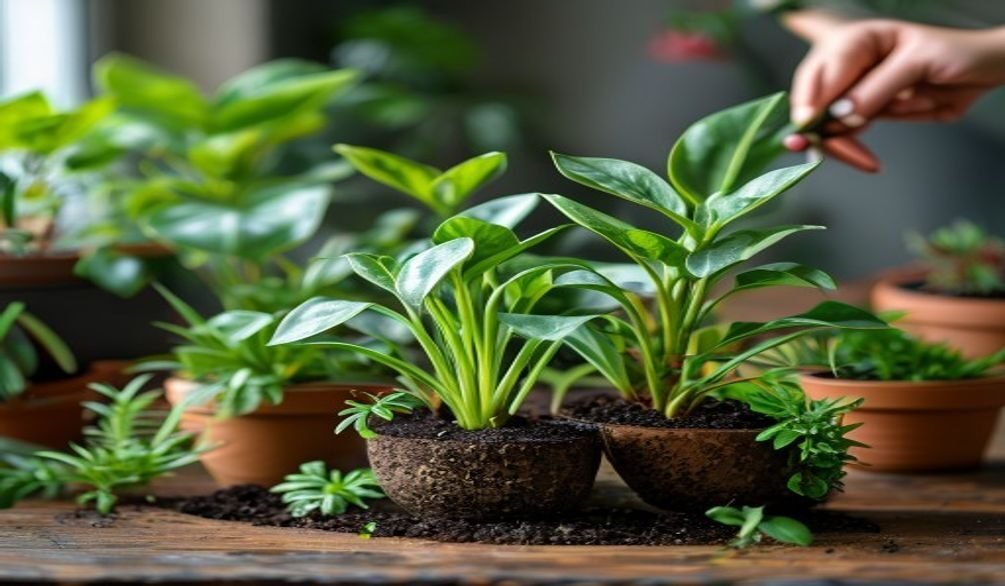
Step 3: Plant Organic Seeds or Starts
Once your containers are filled, plant organic seeds or young plant starts according to their specific depth and spacing requirements. This ensures your plants get a healthy start and are not overcrowded, which can lead to stress and reduced yields in your **Organic Container Gardening 2026**.
For seeds, follow the package instructions for planting depth and spacing. If using plant starts, gently remove them from their nursery pots and plant them at the same depth they were previously growing. Water immediately after planting to help settle the soil around the roots.
Consider succession planting for leafy greens and radishes to ensure a continuous harvest throughout the growing season. This involves planting small batches every few weeks, maximizing the productivity of your organic balcony gardening tips.
Step 4: Water & Fertilize Organically
Consistent watering and appropriate organic fertilization are vital for the health and productivity of your container plants. Unlike in-ground gardens, containers dry out faster and have a limited nutrient supply, requiring more attentive care for successful **Organic Container Gardening 2026**.
Check soil moisture daily by sticking your finger about an inch deep; if it feels dry, it’s time to water. Self-watering planters are excellent for maintaining consistent moisture levels, preventing both over and under-watering. For sustainable irrigation methods, consider using a drip system or olla pots, which reduce water waste.
For nutrients, “The key to successful organic gardening is to feed the soil with organic matter, which feeds the plant, rather than to feed the plant with inorganic fertilizer as in conventional production,” states a University of Georgia CAES Field Report (February 2026). Use OMRI-listed organic fertilizers like Espoma Organic Plant-Tone or True Organic All Purpose Liquid Plant Food. Apply these according to package directions, typically every 2-4 weeks, as the plants deplete the initial nutrients in the potting mix.
Step 5: Manage Pests Naturally
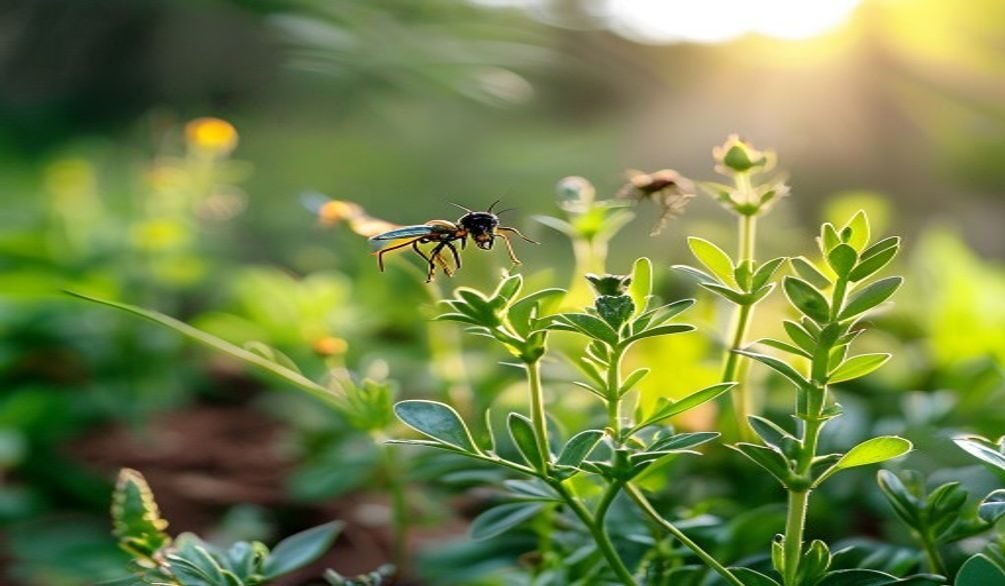
Implement organic pest control methods from the start to keep your container vegetables healthy without using harmful chemicals. Early detection and natural solutions are key to preventing pest infestations from getting out of hand in your **Organic Container Gardening 2026**.
Regularly inspect your plants for signs of pests, especially on the undersides of leaves. Hand-picking larger pests like tomato hornworms is effective. For smaller insects like aphids or spider mites, a strong spray of water or an application of insecticidal soap (like Dr. Bronner’s diluted soap) can work wonders.
Companion planting, even in containers, can deter pests. For example, planting marigolds near tomatoes can repel nematodes and other harmful insects. For more detailed strategies, you can explore resources on Organic Companion Planting 2026.
Step 6: Harvest & Rejuvenate Soil
Harvest your produce regularly to encourage further production and then consider rejuvenating your soil for future plantings. Consistent harvesting signals to the plant to produce more, maximizing your yield from **Organic Container Gardening 2026**.
Harvest leafy greens by picking outer leaves, allowing the inner leaves to continue growing. For fruiting vegetables like tomatoes and peppers, pick them when they are ripe to signal the plant to set more fruit. Enjoy the fresh flavors of your hard work!
After the season, don’t discard your potting mix. We’ll delve into advanced organic soil building and rejuvenation techniques in a later section to keep your soil healthy and productive. This sustainable practice is central to successful **Organic Container Gardening 2026**.
What is the Best Organic Soil for Container Gardening?
The best organic soil for container gardening is typically a well-draining, nutrient-rich potting mix specifically designed for containers, providing aeration and moisture retention critical for plant health. This specialized mix is superior to garden soil because it prevents compaction and ensures proper drainage, which are common issues in confined container environments.
“Organic gardening focuses on the health of the whole ecosystem by supporting plant health and vigor without use of synthetic pesticides and insecticides or artificial or synthetic fertilizers,” notes the University of Florida Extension. This philosophy extends directly to your choice of potting mix for **Organic Container Gardening 2026**. You want a mix that is alive with beneficial microorganisms and provides a slow release of nutrients.
When selecting an organic potting mix, look for products that are OMRI (Organic Materials Review Institute) listed, ensuring they meet organic standards. These mixes often contain a blend of compost, coco coir or peat moss, perlite or vermiculite, and natural fertilizers.
| Organic Potting Mix Component | Purpose in Organic Container Gardening 2026 | Recommended Proportion |
|---|---|---|
| Compost | Provides essential nutrients, beneficial microbes, and improves soil structure. | 30-40% |
| Coco Coir or Peat Moss | Retains moisture, provides aeration, and is a sustainable base. | 40-50% |
| Perlite or Vermiculite | Enhances drainage and aeration, preventing root rot. | 10-20% |
| Worm Castings | Boosts nutrient content and microbial activity. | 5-10% |
| Organic Amendments (e.g., bone meal, kelp meal) | Supplies specific macro and micronutrients. | Small amounts as needed |
Brands like FoxFarm Ocean Forest Potting Soil and Espoma Organic Potting Soil Mix are highly regarded in the organic gardening community for their quality and effectiveness. These pre-mixed options save time and ensure a balanced environment for your container vegetables. Using a reputable organic potting mix is a cornerstone of successful **Organic Container Gardening 2026**.
For those who prefer a DIY organic potting mix recipe, combining these components allows for precise control over your growing medium. My personal experience shows that a mix rich in compost provides the best results for long-term plant health and productivity.
What Vegetables Grow Best in Organic Containers?
Many vegetables thrive in organic containers, especially varieties that are naturally compact or can be easily trained, making them ideal for small-space **Organic Container Gardening 2026**. These plants are chosen for their adaptability to restricted root zones and their ability to produce a good yield in a pot.
When planning your **Organic Container Gardening 2026**, prioritize plants with a manageable growth habit. Determinate (bush) varieties of tomatoes and compact pepper plants, for instance, are far better suited for containers than their sprawling counterparts. These choices maximize your harvest in limited spaces.
The success of container vegetables depends heavily on consistent moisture and nutrient supply, which is easier to manage with varieties that don’t demand vast resources. Leafy greens, herbs, and root vegetables like radishes are particularly forgiving and prolific in pots.
Here are some of the best organic vegetables for small containers:
- Tomatoes: Bush varieties like ‘Patio’ or ‘Celebrity’ thrive in large containers (5-gallon minimum).
- Peppers: Bell peppers, jalapeños, and other pepper varieties do well in 3-5 gallon pots.
- Leafy Greens: Lettuce, spinach, kale, and Swiss chard are excellent and can be harvested repeatedly.
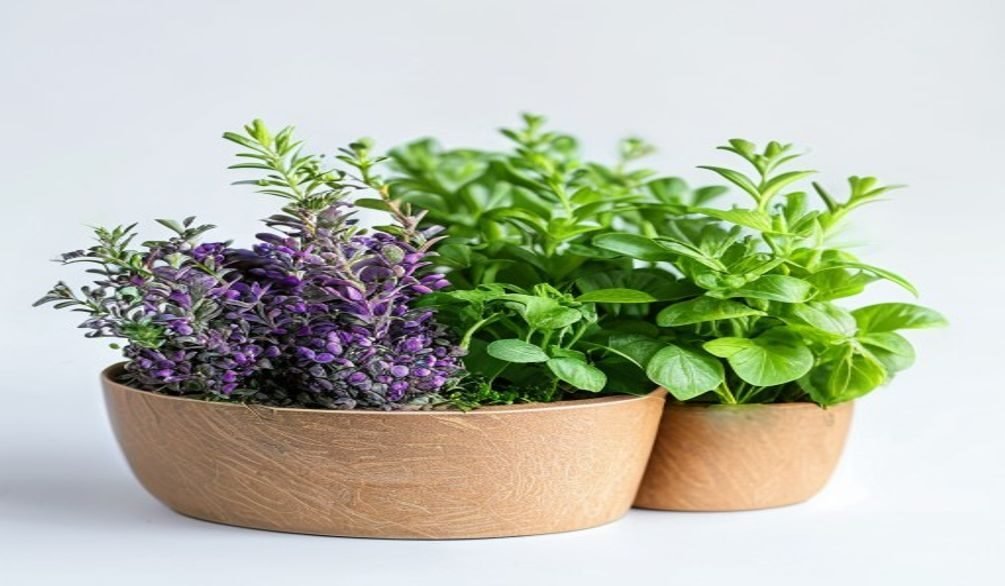
- Herbs: Basil, mint, chives, parsley, and cilantro are perfect for small pots and provide fresh flavor.
- Radishes: Quick-growing and require shallow containers, making them ideal for beginners.
- Bush Beans: Unlike pole beans, bush varieties don’t need extensive support and produce well in medium-sized pots.
- Eggplant: Compact varieties like ‘Fairy Tale’ or ‘Patio Baby’ can be very productive in large containers.
- Cucumbers: Bush or compact vining varieties can be grown with a small trellis in large containers.
For year-round indoor organic container gardening, focus on leafy greens and herbs, which tolerate lower light levels. A grow light can significantly boost their growth during shorter daylight hours, ensuring you have fresh produce even in winter. This strategy allows you to extend the season of your **Organic Container Gardening 2026**.
Choosing the right varieties is a crucial step in ensuring a successful harvest. You want plants that are not only productive but also align with the space and care you can provide. Always check seed packets or plant tags for specific container suitability.
Smart Solutions for Your 2026 Organic Container Garden
Integrating smart solutions into your **Organic Container Gardening 2026** can significantly enhance efficiency, conserve resources, and simplify maintenance, making gardening more accessible and productive. These modern approaches leverage technology and innovative designs to overcome common container gardening challenges.
One of the primary benefits of smart gardening technology is optimizing water usage. Self-watering planters (SIPs), like those from EarthBox, are a game-changer for **Organic Container Gardening 2026**. They use a reservoir system to deliver water directly to the roots, reducing evaporation and ensuring consistent moisture. This can cut watering frequency by 50% or more, according to EarthBox (2025).
Smart irrigation systems, even small ones designed for balconies, can automate watering schedules based on plant needs and weather conditions. This prevents both under and over-watering, which are common causes of container plant failure. Consistent moisture is a cornerstone for healthy growth.
Here are some smart solutions to elevate your **Organic Container Gardening 2026**:
- Self-Watering Planters (SIPs): Systems like EarthBox are excellent for maintaining consistent moisture, reducing daily watering tasks, and preventing root stress.
- Fabric Grow Bags: These breathable containers prevent root circling, promote air-pruning, and offer superior drainage, leading to healthier root systems and better yields.
- Vertical Gardens: For maximum space utilization, especially on balconies, vertical container gardens allow you to grow more in a smaller footprint. You can learn more about Organic Vertical Gardening strategies.
- Smart Sensors: Affordable soil moisture sensors can alert you via an app when your plants need water, taking the guesswork out of irrigation.
- LED Grow Lights: Essential for year-round indoor organic container gardening, modern LED lights are energy-efficient and provide the full spectrum of light plants need.
Another innovative approach for **Organic Container Gardening 2026** involves using recycled materials creatively. Transforming old plastic containers into self-watering systems or repurposing wooden pallets into vertical planters not only saves money but also promotes sustainable gardening.
The integration of these solutions allows for a more hands-off yet highly effective approach to growing your own food. This means less time worrying about your plants and more time enjoying the bountiful harvests from your organic container garden.
Organic Pest Control for Container Vegetables: Keeping Your Garden Healthy
Effective organic pest control for container vegetables focuses on prevention, early detection, and natural interventions to maintain a healthy garden ecosystem without resorting to synthetic chemicals. This approach is fundamental to **Organic Container Gardening 2026**, ensuring your produce remains safe and chemical-free.
“Organic gardening focuses on the health of the whole ecosystem by supporting plant health and vigor without use of synthetic pesticides and insecticides or artificial or synthetic fertilizers,” emphasizes the University of Florida Extension. This principle directly applies to pest management; a healthy plant grown in healthy soil is inherently more resistant to pests.
In my experience, vigilance is your best tool in **Organic Container Gardening 2026**. Daily inspection allows you to catch pest problems when they are small and easily manageable, preventing widespread infestations in your confined container spaces. You can also explore DIY Organic Pest Control methods for quick, natural solutions.
Consider these organic pest control methods for your container garden:
- Regular Inspection: Check leaves (especially undersides), stems, and soil for any signs of pests like aphids, spider mites, or fungus gnats.
- Hand-Picking: For larger pests such as slugs, snails, or caterpillars, simply picking them off by hand is often the most effective method.
- Water Blasts: A strong spray of water can dislodge aphids and spider mites from plant leaves. Repeat every few days until the pests are gone.
- Insecticidal Soap: A natural, non-toxic solution for soft-bodied insects. Mix a few drops of mild liquid soap with water and spray directly on pests.
- Neem Oil: An organic insecticide derived from the neem tree, effective against a wide range of pests and also acts as a fungicide. Always follow dilution instructions.
- Companion Planting: Strategically plant herbs or flowers that repel pests. Marigolds deter nematodes, while basil can repel flies and mosquitoes.
- Beneficial Insects: Introduce natural predators like ladybugs for aphid control or lacewings for various soft-bodied pests.
- Sticky Traps: Yellow sticky traps are effective for monitoring and capturing flying insects like fungus gnats and whiteflies, common in indoor **Organic Container Gardening 2026**.
Maintaining good air circulation around your container plants can also prevent many fungal diseases and deter pests. Proper spacing and occasional pruning of lower leaves are simple yet effective strategies for **Organic Container Gardening 2026**.
For specific issues like fungus gnats in indoor containers, ensure you’re not overwatering, as they thrive in moist soil. Letting the top inch of soil dry out between waterings can significantly reduce their population. This small adjustment can make a big difference in maintaining the health of your **Organic Container Gardening 2026**.
<h2 id="advanced-organic-soil-building-rejuvenation-for-