Are you tired of battling stubborn weeds in your garden, but want to avoid harsh chemicals? You’re not alone! Many gardeners are seeking effective, chemical-free strategies to maintain a beautiful, thriving outdoor space. Embracing organic weed control is a cornerstone of sustainable gardening, allowing you to cultivate a healthy ecosystem without resorting to synthetic herbicides.
This approach isn’t just about what you don’t use; it’s about what you actively do to foster robust plant growth and long-term soil health. By understanding and implementing natural weed management techniques, you can protect your family, pets, and the environment while still enjoying a pristine garden. Let’s dive into the world of chemical-free weed control and discover how to make your garden flourish naturally.
Effective Organic Weed Control Methods for Every Garden Area
When it comes to tackling weeds without chemicals, you have a powerful arsenal of methods at your disposal. The key is to choose the right strategy for the right area, whether it’s your lawn, vegetable beds, or even cracks in your driveway.
Mulching for Suppression
Mulching is perhaps one of the most effective and widely used methods for chemical-free weed control. By applying a 2-4 inch thick layer of organic materials like wood chips, straw, or compost, you create a physical barrier that blocks sunlight and inhibits weed seed germination. This is especially fantastic for vegetable beds and around established plants.
Not only does mulch suppress weeds, but it also helps retain soil moisture, regulate soil temperature, and adds nutrients as it breaks down. If you’re looking for ways to improve your soil while keeping weeds at bay, learning about composting can provide excellent materials for your mulch layers.
Mechanical Control: Hands-On Approaches
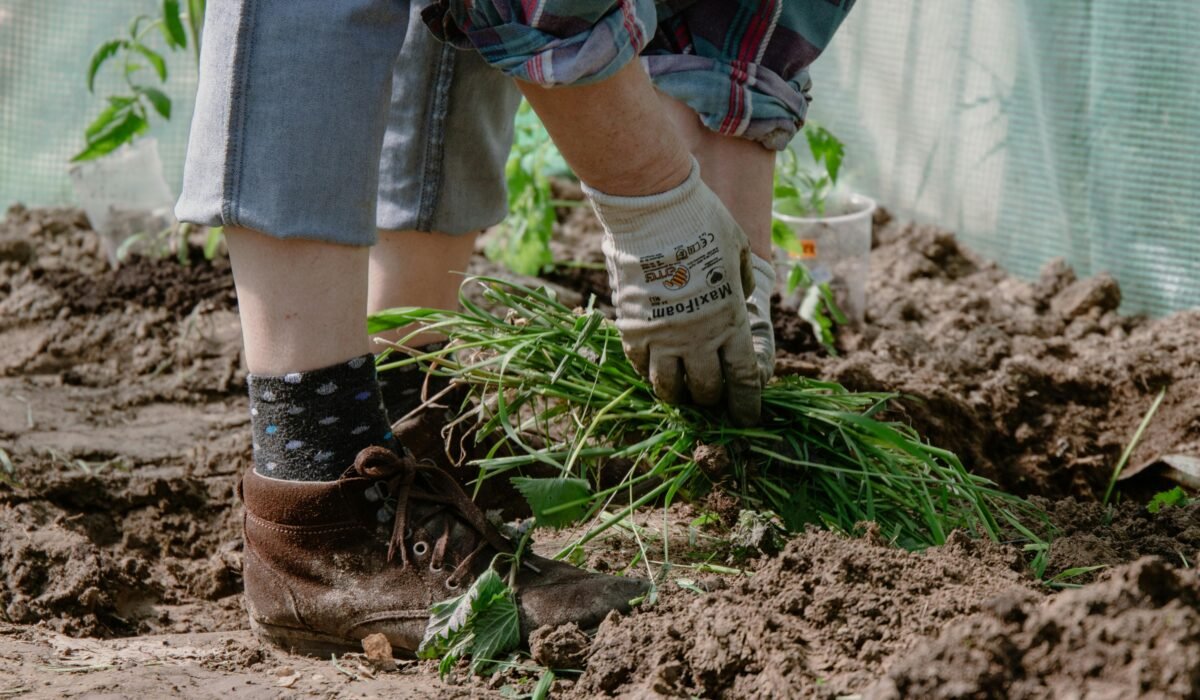
Sometimes, the most direct approach is the best. Hand-pulling, hoeing, and cultivation are tried-and-true methods that offer immediate satisfaction. For smaller areas and young weeds, hand-pulling is incredibly effective, especially after a rain when the soil is soft.
For larger garden beds, a good hoe can make quick work of small, germinating weeds before they establish deep root systems. What surprised me is how much technology is improving even these traditional methods; tools like the electric Weed Zapper are gaining traction for targeting root systems in larger areas, offering a modern twist on mechanical control.
Thermal Methods: Heat for Weeds
Believe it or not, heat can be a powerful weed killer. Boiling water is a simple, highly effective solution for weeds growing in cracks in driveways, patios, or along pathways. Just pour it directly on the weeds, and the intense heat will damage their plant cells, causing them to wilt and die.
For more extensive areas, flame weeding uses a controlled flame to rupture plant cells with intense heat. It doesn’t incinerate the weeds but causes enough damage for them to die back. This method is particularly useful for preparing garden beds before planting or managing weeds in row crops, provided you use it safely and carefully.
Proactive Weed Prevention: Long-Term Organic Strategies
While reactive weed control is necessary, the real secret to a thriving garden is proactive weed prevention. Thinking ahead and implementing long-term organic strategies will drastically reduce your weed burden over time. It’s much easier to prevent weeds than to constantly fight them once they’ve taken hold.
Cover Cropping for Soil Health and Suppression
Cover cropping is an excellent strategy for both enriching your soil and suppressing weeds. Planting crops like rye, clover, or buckwheat in fallow garden beds helps by competing with weeds for light, water, and nutrients. This natural competition starves out unwanted vegetation, leaving less room for weeds to establish.
Beyond weed suppression, cover crops improve soil fertility, prevent erosion, and enhance soil structure. They’re a cornerstone of sustainable gardening practices, building a healthier foundation for your desired plants. I’ve found that incorporating cover crops annually makes a noticeable difference in overall garden health.
Strategic Planting and Spacing
Another powerful weed prevention tip is to plant your desired garden plants strategically. Close spacing, where appropriate, can create a “living mulch” that shades the soil and reduces the available space for weeds to grow. Healthy, vigorous plants are also better competitors against weeds.
Consider techniques that maximize your garden’s efficiency, such as those used to maximize small garden yields, which often involve dense planting that naturally discourages weeds. By ensuring your garden is full of the plants you want, you leave less room for the ones you don’t.
Innovative Soil Management: Anaerobic Soil Disinfestation (ASD)
Emerging research is bringing exciting new long-term strategies to the forefront. Anaerobic Soil Disinfestation (ASD) is a microbial-driven process gaining attention for managing weeds and soilborne pests. This involves incorporating easily decomposable organic amendments into the soil, followed by irrigation and covering the area with impermeable plastic.
This process creates an anaerobic (oxygen-free) environment that is hostile to many weed seeds and pathogens. Penn State received a significant USDA grant in November 2024 to investigate ASD, highlighting its potential as an advanced, chemical-free solution for large-scale organic growers and potentially for home gardeners in the future.
The Truth About Organic Herbicides and Homemade Remedies
Many gardeners are curious about “natural weed killers” and whether they truly work as effectively as their synthetic counterparts. The truth is, while organic herbicides and homemade remedies offer chemical-free options, their efficacy can vary significantly, and it’s crucial to understand their limitations.
Understanding Organic Herbicides
Commercial organic herbicides are formulated with natural ingredients like acetic acid (vinegar), citric acid, clove oil, and other essential oils. These products are typically contact killers, meaning they burn down the foliage they touch but often don’t penetrate deep enough to kill the root system, especially of perennial weeds. This means weeds may grow back.
A USDA study found that some organic herbicides, such as those based on acetic acid, resulted in over 97% weed coverage when used alone, indicating limited effectiveness compared to methods like tillage or flame treatment. This review suggests they are best used for small, annual weeds or as a temporary knockdown for larger ones. What surprised me most was how much their effectiveness can be overstated in some marketing.
Homemade Remedies: Vinegar, Salt, and Boiling Water
DIY solutions are popular for their accessibility and low cost. Boiling water, as mentioned earlier, is quite effective for small, targeted areas like cracks in pavement. It kills plant cells on contact, offering a quick visual result.
Vinegar (acetic acid) is another common homemade remedy. Household vinegar (5% acetic acid) can scorch young, tender weeds, but horticultural vinegar (10-20% acetic acid) is much stronger and more effective. However, higher concentrations can be irritating to skin and eyes, and indiscriminate use can lower soil pH significantly, harming desired plants. Using salt as a weed killer is generally discouraged, as it can sterilize soil for long periods, making it difficult for anything to grow there again. Always exercise caution and precision with any “natural” remedy to avoid unintended damage.
A Breakthrough: Selective Organic Herbicide
A significant recent development in organic herbicides is the introduction of selective options. In March 2026, Lanaturo introduced Salacia, the first OMRI-certified selective organic herbicide. This product can target broadleaf weeds while leaving turfgrass unharmed, addressing a major limitation of previous non-selective organic options. This innovation marks a huge step forward for organic lawn care and offers new possibilities for eco-friendly weed management.
Cutting-Edge Tech: Innovations in Organic Weed Management
The world of gardening is constantly evolving, and organic weed control is no exception. The last 12-18 months have seen incredible advancements, particularly in integrating technology to make chemical-free strategies more precise, efficient, and scalable. This new organic weed tech is revolutionizing how we think about managing unwanted plants.
Precision Agriculture and Robotics
Organic farmers are increasingly adopting cutting-edge technologies to combat weeds. Remote sensing using drones and machine learning allows for detailed mapping of weed distribution across fields. This enables precise and timely interventions, ensuring that control methods are applied only where needed, reducing labor and resource waste.
Autonomous robotics and AI-powered precision tools are also on the rise. These robots can identify individual weeds and remove them through automated tasks like inter-row cultivation or even laser weeding in row crops. Imagine a future where tiny robots patrol your garden, meticulously removing weeds without you lifting a finger! This level of precision is a game-changer for eco-friendly weed management.
Advanced Mulch Films
Mulching, a traditional organic weed control method, is also seeing innovation. Newer starch-based biodegradable films are offering extended durability and full decomposition. Unlike older plastic mulches that required removal, these advanced films break down completely into the soil, making them suitable for high-value organic crops and reducing environmental impact. It’s exciting to see how even simple solutions can be improved with technology.
The Power of Data and AI
Beyond physical tools, the integration of data and artificial intelligence is enhancing our understanding of weed ecology. Machine learning algorithms can predict weed outbreaks based on environmental conditions and historical data, allowing gardeners and farmers to implement preventive measures even more effectively. This proactive approach, driven by data, is a powerful tool in the arsenal of sustainable gardening practices.
Is Organic Weed Control Worth It? A Cost-Benefit Analysis
When considering a switch to chemical-free weed control, a common question arises: “Is it worth it?” While non-chemical methods can sometimes be less effective, more variable, and initially more expensive than conventional herbicides, the long-term benefits often outweigh the upfront challenges. Let’s break down the cost-benefit analysis.
Initial Investment vs. Long-Term Savings
The initial investment in organic weed control might involve purchasing specialized tools like high-quality hoes, flame weeders, or even investing in mulching materials. For larger operations, the cost of new organic weed tech like robotics or drone mapping can be substantial. This can seem daunting compared to the relatively low per-acre cost of synthetic herbicides.
However, the long-term savings are significant. By avoiding synthetic chemicals, you eliminate the recurring cost of herbicides, often expensive safety equipment, and potential remediation for chemical runoff. Sustainable gardening practices, like building healthy soil through composting and cover cropping, also reduce the need for external fertilizers and pest control, leading to overall reduced input costs over time.
Environmental and Health Benefits: Priceless Returns
The most compelling benefits of organic weed control are often intangible but profoundly impactful. Protecting biodiversity, preventing soil and water contamination, and creating a safe environment for pollinators, wildlife, pets, and children are invaluable. Conventional herbicides have been linked to various environmental and health concerns, making the chemical-free approach a clear winner for well-being.
Improved soil health is another massive benefit. Organic methods like mulching and cover cropping build soil organic matter, enhance microbial life, and improve soil structure. This leads to more resilient plants, better water retention, and a healthier garden ecosystem that thrives naturally. The satisfaction of cultivating a truly healthy garden, free from harmful chemicals, is a reward in itself.
Labor and Time Considerations
It’s true that some organic methods, like hand-weeding or applying mulch, can be more labor-intensive initially. However, consistent weed prevention tips and practices can drastically reduce this over time. A well-mulched garden requires far less weeding than an un-mulched one. Moreover, with the advent of new organic weed tech, the labor burden is steadily decreasing, making organic weed control more feasible for everyone.
While a precise quantitative cost-benefit analysis can be complex due to varying garden sizes, labor costs, and material prices, the consensus among sustainable gardeners is that the long-term ecological and health benefits, coupled with reduced reliance on external inputs, make organic weed control an incredibly worthwhile investment. For me, the peace of mind knowing my garden is truly natural is priceless.
Ensuring Safety: Organic Weed Control for Pets, Children, and the Environment
One of the primary drivers for adopting chemical-free weed control is the desire to create a safer environment. When you choose organic methods, you’re not just managing weeds; you’re actively protecting your loved ones and the wider ecosystem. This commitment to eco-friendly weed management is gaining significant traction globally.
Protecting Your Family and Furry Friends
Synthetic herbicides can pose risks to pets and children, who are often more exposed due to their proximity to the ground and tendency to put things in their mouths. By opting for organic weed control, you eliminate these concerns. There’s immense peace of mind in knowing your children can play freely in the yard and your pets can explore without encountering potentially harmful residues.
Even with natural weed killers like horticultural vinegar, it’s wise to exercise caution. While non-toxic in small amounts, concentrated acetic acid can cause skin or eye irritation, so always follow product instructions and wear protective gear if recommended. My personal rule is, if I wouldn’t want it on my skin, I’ll be extra careful with it around my family.
Environmental Stewardship
The environmental benefits of organic weed control are profound. By avoiding synthetic chemicals, you prevent runoff into waterways, which can harm aquatic life and contaminate drinking water sources. You also protect beneficial insects, like pollinators, and other wildlife that are crucial for a balanced ecosystem.
Sustainable gardening practices, including organic weed control, contribute to healthier soil, which in turn sequesters carbon and helps mitigate climate change. It’s about nurturing a living system, not just killing unwanted plants. This holistic approach ensures your garden contributes positively to the planet.
Shifting Public and Regulatory Landscape
There’s a growing public demand for chemical-free spaces, and this is driving significant change. For example, 65% of the UK public agree that local public spaces should be pesticide-free. This shift in public sentiment is leading to regulatory changes, with 45% of UK councils having either stopped or actively working to end their use of pesticides. This trend towards herbicide-free methods in public lands reinforces the value and feasibility of organic weed control for private gardens too.
Choosing organic methods is a powerful statement about your values and your commitment to a healthier future. It’s an investment in the safety of your immediate surroundings and a contribution to a more sustainable world.
Frequently Asked Questions
What are the most effective chemical-free methods for killing weeds in different garden areas?
For vegetable beds and around desired plants, mulching with organic materials like straw or wood chips is highly effective for prevention and suppression. Hand-pulling and hoeing are best for individual weeds or small patches. For hardscapes like driveways and patios, boiling water or targeted flame weeding work well. For larger areas or lawns, selective organic herbicides like Salacia (for broadleaf weeds in turf) and consistent cultural practices like proper mowing and dense planting are key.
Are “organic” or “natural” weed killers truly safe for pets, children, and the environment?
Generally, yes, organic and natural weed killers are significantly safer than synthetic options. Products made from ingredients like acetic acid (vinegar), citric acid, or essential oils break down quickly and don’t leave harmful residues. However, even natural products can be irritating in concentrated forms (e.g., horticultural vinegar), so always read labels and use them precisely. The biggest safety benefit comes from avoiding persistent, toxic chemicals that can harm ecosystems and health.
How can I prevent weeds from growing in my garden organically, rather than just reacting to them once they appear?
Proactive prevention is crucial! The best strategies include applying thick layers of mulch to block sunlight, planting cover crops in fallow areas to outcompete weeds and improve soil, and ensuring your garden plants are spaced appropriately to create a dense canopy. Additionally, watering deeply and infrequently encourages deeper root growth in your desired plants, making them more resilient against shallow-rooted weeds. Regular, light cultivation to disturb germinating weed seeds also helps immensely.
Do common homemade weed remedies like vinegar, salt, or boiling water actually work, and are there any risks or precautions to consider?
Yes, they can work, but with caveats. Boiling water is very effective for killing weeds on contact in non-garden areas like pavement cracks, with no residual effects. Vinegar (especially horticultural strength) can burn down young, tender weeds, but it’s non-selective, meaning it will harm any plant it touches, and repeated use can alter soil pH. Salt is generally not recommended as it can sterilize soil for extended periods, making it difficult for desired plants to grow later. Always use these remedies cautiously and target them precisely to avoid harming your garden or altering soil chemistry.
Embracing organic weed control is more than just a gardening technique; it’s a philosophy that promotes a healthier, more vibrant garden and a safer environment for everyone. By implementing these chemical-free strategies, from effective mulching and mechanical control to innovative tech and proactive prevention, you’re investing in the long-term health of your outdoor space.
Remember, a thriving garden isn’t about eradicating every single weed, but about creating a balanced ecosystem where your desired plants can flourish. Start small, experiment with different methods, and observe what works best for your unique garden. Your journey towards a truly sustainable, chemical-free garden begins now. What organic weed control method will you try first?