
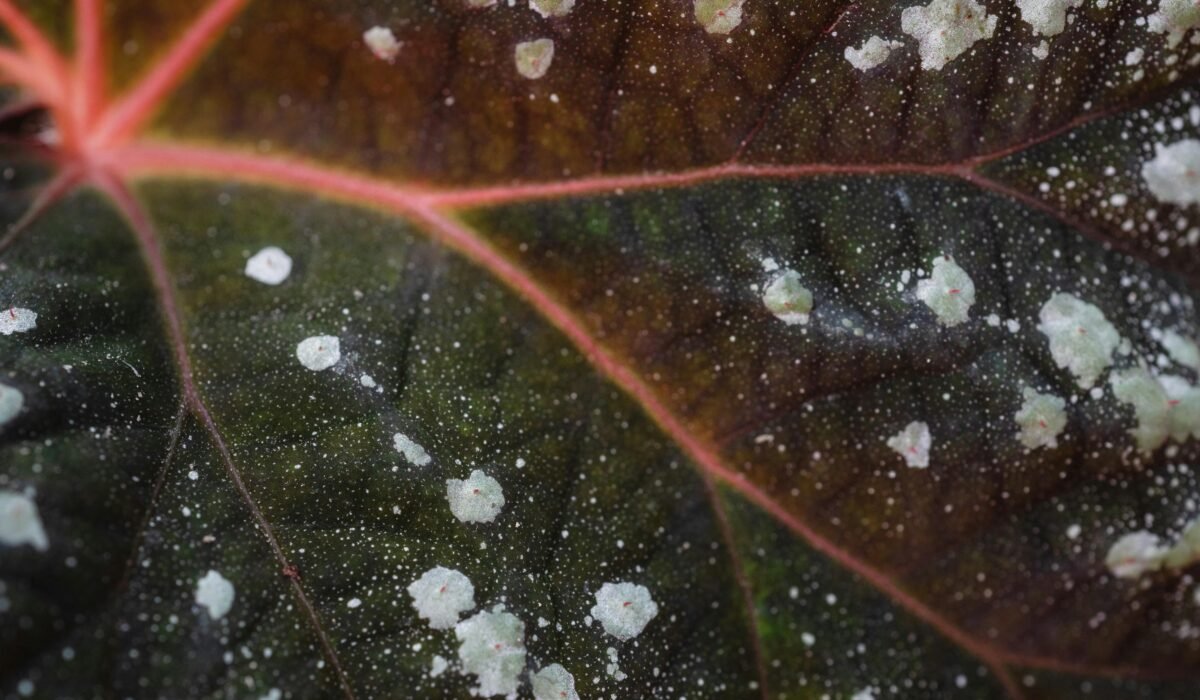
Are you seeing strange white, powdery spots on your garden plants, making you wonder what’s going on? Frustrated by those unsightly patches diminishing the beauty and bounty of your hard work? You’re likely dealing with powdery mildew, one of the most common and recognizable garden plant diseases that affects nearly every type of plant imaginable.
While rarely fatal, a severe powdery mildew infection can significantly weaken your plants, reduce yields, and make your garden look less-than-stellar. The good news is that with the right knowledge and timely action, effective powdery mildew control is entirely achievable. This guide will walk you through identifying, understanding, and treating this persistent fungal foe, incorporating the latest insights and solutions for 2025-2026.
Identifying Powdery Mildew: What to Look For
The first step in any plant health issue is accurate identification, and thankfully, powdery mildew symptoms are usually quite distinct. You’ll typically notice small, circular, powdery white spots on the surface of leaves, stems, flowers, and sometimes even the fruit of affected plants.
These spots often resemble a dusting of flour or talcum powder. Over time, these initial patches will expand and merge, eventually covering larger areas of the plant tissue. While often found on the upper leaf surfaces, don’t forget to check the undersides too, as the fungus can start there.
In severe cases, affected leaves may turn yellow, brown, or purple, become distorted, and eventually drop prematurely. New growth can be stunted, and flowers might fail to open or produce poor-quality blooms. It’s one of those garden plant diseases that, once you’ve seen it, you rarely forget.
Understanding Powdery Mildew: Types & Conditions for Growth
Here’s the thing about powdery mildew: it’s not just one disease, but a collective term for a group of fungal diseases. These are caused by various species within the Erysiphaceae family, with thousands of known species. Each specific type of powdery mildew usually targets particular host plants. This means the powdery mildew on your roses is likely a different species than the one on your squash or lilacs.
What surprised me when I first learned about this fungal disease is that, unlike many other fungi, powdery mildew doesn’t need free water on the leaf surface for its spores to germinate. Instead, it thrives in specific environmental conditions: warm days, typically between 60-80°F (15-27°C), followed by cool nights.
This cycle, coupled with high relative humidity (often above 90%) *around* the plant, creates the perfect breeding ground. You’ll often see it flourish in shaded or crowded areas of your garden. Interestingly, while high humidity around the plant encourages growth, low relative humidity actually favors the dispersal of its airborne spores. Growth typically slows down significantly when temperatures consistently exceed 90°F (32°C).
Common Garden Plants Susceptible to Powdery Mildew
Powdery mildew is incredibly widespread and affects a vast array of garden plants. If you’ve got a garden, chances are you’ve encountered it on at least one of these:
- Cucurbits: This family is particularly vulnerable, including squash, pumpkins, cucumbers, and melons. Cucurbit powdery mildew is a common headache for many vegetable gardeners.
- Nightshades: Tomatoes, eggplants, and peppers can also fall victim.
- Ornamentals: Roses, phlox, zinnias, bee balm (Monarda), lilacs, and many types of annuals and perennials are frequently affected.
- Fruits: Grapes are notoriously susceptible, as are some berries and fruit trees.
It seems almost every gardener has battled cucurbit powdery mildew at some point, myself included! Keeping an eye on these common culprits is a good starting point for early detection and powdery mildew control.
Cutting-Edge Powdery Mildew Treatments (2025-2026)
For those facing severe outbreaks or managing larger gardens, conventional fungicides can be highly effective. Recent research and horticultural updates from 2025-2026 continue to refine our strategies for powdery mildew control. While many of these advancements are geared towards commercial growers, they offer insights into the most potent options available.
According to recent reports, effective fungicide modes of action include single-site fungicides like DMI (Group 3), SDHI (Group 7), and QoI (Group 11). QoIs, in particular, have shown superior efficacy in recent trials. A new product, Axios (Group 52), has also emerged as a novel mode of action for powdery mildew control, offering a fresh approach to tackling resistant strains.
For cucurbit powdery mildew, a July 2025 bioassay identified several conventional fungicides that completely suppressed the disease in trials. These included Torino, Quintec, Gatten, and Vivando. Some of these products offer vapor or penetrant activity, which means they can provide better coverage and protection even on hard-to-reach leaf surfaces.
It’s always exciting to see new advancements, even if some of these cutting-edge solutions are geared towards large-scale farms. They show us the direction powdery mildew control is heading and what might eventually become available for home gardeners. Always ensure you follow product instructions carefully and check local regulations for pesticide use.
Effective Organic Solutions for Powdery Mildew
For gardeners who prefer a more natural approach, there are many excellent powdery mildew organic treatment options available. These methods are generally safer for beneficial insects, pets, and the environment. For my own garden, I always lean towards organic solutions first, as they’re gentler on the ecosystem.
Recent 2025 recommendations highlighted biological fungicides like Stargus (Bacillus amyloliquefaciens strain F727) and Theia (Bacillus subtilis strain AFS032321). These work by introducing beneficial bacteria that outcompete or directly inhibit the powdery mildew fungi. For best results, apply them preventatively or at the very first sign of infection, typically every 7-10 days.
Beyond commercial organic products, several DIY solutions can also be effective:
- Neem Oil: An excellent natural fungicide and insecticide, neem oil works by disrupting the fungal lifecycle. Mix according to package directions and spray thoroughly, ensuring coverage of both upper and lower leaf surfaces. Consistent application is key.
- Baking Soda Spray: A simple homemade solution can be made by mixing 1 tablespoon of baking soda (sodium bicarbonate) with 1 teaspoon of liquid soap (like Castile soap) in 1 gallon of water. Spray every 7-10 days, but test on a small leaf first to ensure it doesn’t cause scorching.
- Milk Spray: Believe it or not, a solution of milk and water (typically 1 part milk to 9 parts water) can be an effective preventative and mild treatment. The compounds in milk are thought to act as an antiseptic and strengthen the plant’s immune response.
- Potassium Bicarbonate: Similar to baking soda but often considered more effective and less prone to cause leaf burn, potassium bicarbonate can be found in many organic fungicide products.
Remember, consistency is crucial with powdery mildew organic treatment. Once you see symptoms, begin treatment immediately and continue regularly until the disease is under control. You can learn more about general natural solutions in our guide to DIY Organic Pest Control.
Preventative Strategies: Resistant Plants & Garden Care
Honestly, prevention is truly the best form of powdery mildew control. By implementing smart garden practices and choosing the right plants, you can drastically reduce the chances of an outbreak. This proactive approach is key to minimizing garden plant diseases in general.
Choosing Powdery Mildew Resistant Plants
One of the most effective long-term strategies is to select powdery mildew resistant plants. Plant breeders are constantly developing new cultivars with improved disease resistance. Before you buy, always check plant tags or descriptions for varieties noted as “PM resistant” or “PM tolerant.”
Updated lists from sources like Nature Hills Nursery (February 2026) highlight many excellent options. Some popular powdery mildew resistant plants for your garden include:
- Catmint (Nepeta spp.): Many varieties are naturally resistant.
- Coneflower (Echinacea spp.): Look for specific resistant cultivars.
- Yarrow (Achillea spp.): Generally quite resilient.
- Bee Balm (Monarda spp.): While some Monarda are highly susceptible, varieties like ‘Jacob Cline’ show excellent resistance.
- Zinnias: Many newer Zinnia varieties are bred for resistance.
- Cucurbits: Seek out squash, cucumber, and melon varieties specifically labeled as PM resistant.
Essential Garden Care Practices
Beyond plant selection, good cultural practices are fundamental to preventing powdery mildew. The Clemson University Home & Garden Information Center (updated February 2026) consistently reinforces these strategies:
- Ensure Good Air Circulation: This is paramount. Space your plants adequately to allow air to flow freely between them. Avoid overcrowding, which creates the humid, stagnant conditions powdery mildew loves. Prune dense foliage to improve airflow within the plant canopy.
- Strategic Watering: While powdery mildew doesn’t need wet leaves to germinate, overhead watering can help wash spores off leaves in some cases, though it’s often best to water at the base of plants to avoid creating a humid microclimate. Water deeply and in the morning to allow foliage to dry thoroughly.
- Proper Sunlight: Plant susceptible species in areas that receive adequate sunlight. While powdery mildew can tolerate some shade, too much shade can exacerbate the problem by keeping plants damp and increasing humidity.
- Sanitation: Remove and dispose of infected plant parts as soon as you spot them. Do not compost severely infected material, as spores can survive and re-infect your garden. At the end of the season, clean up all plant debris to reduce overwintering spores.
- Balanced Fertilization: Avoid excessive nitrogen fertilizer, which promotes lush, tender new growth that is often more susceptible to infection.
By combining resistant plant varieties with diligent garden care, you’ll be well on your way to a healthier, powdery mildew-free garden.
Frequently Asked Questions
How do I identify powdery mildew?
Powdery mildew is easily identified by its characteristic white to grayish, flour-like spots or patches that appear on the leaves, stems, and sometimes flowers and fruits of plants. These spots can expand and merge, eventually covering large areas. Leaves may yellow or distort in severe cases.
Is powdery mildew harmful to my plants?
While powdery mildew is rarely fatal to plants, severe infections can significantly impact their health and productivity. It reduces a plant’s ability to photosynthesize, leading to stunted growth, distorted leaves, reduced flower production, and diminished fruit quality and yields. Over time, it can weaken the plant, making it more susceptible to other stresses.
Can powdery mildew spread to other plants?
Yes, absolutely. Powdery mildew spores are primarily dispersed by wind and can travel long distances to infect new plants. Since different species of powdery mildew target specific hosts, the mildew on your squash won’t necessarily infect your roses, but it can quickly spread to other susceptible plants of the same type in your garden or a neighbor’s.
When is the best time to treat powdery mildew?
The best time for powdery mildew control is as soon as you notice the first signs of infection. Early intervention is crucial before the disease spreads extensively. Preventative measures, such as selecting resistant varieties and ensuring good air circulation, are even better, as they can help avoid an outbreak altogether.
Don’t let this common fungal disease discourage you. With these tips and strategies for powdery mildew control, you’re well-equipped to keep your garden thriving. What are your go-to methods for tackling powdery mildew? Share your experiences in the comments below!







