Key Takeaways
- Succession planting is a strategy to achieve continuous vegetable harvests throughout the growing season, maximizing garden productivity.
- Approximately 63.6% of gardeners plan to expand their gardens and plant more in 2026, driven by enthusiasm and practical motivations.
- There are three primary types of succession planting: staggered planting, planting different varieties, and intercropping.
- Cool-season crops like lettuce and radishes, and warm-season crops such as bush beans, are excellent for succession planting.
- The home gardening market is projected to reach approximately USD 16.71 billion in 2026, reflecting growth in smart gardening technologies.
Are you tired of harvesting all your vegetables at once, only to have bare garden beds for weeks? Mastering **Succession Planting Vegetables 2026** is the key to transforming your garden into a continuous producer, ensuring a fresh supply of produce from spring through fall without overwhelming you with a single, massive harvest. As an expert gardener with over 10 years of experience, I’m here to guide you through proven strategies to maximize your garden’s yield, making every square foot count for a truly abundant year.
Quick Answer: Succession planting is a gardening technique involving staggered plantings or varied crop maturity dates to ensure a continuous, manageable harvest of vegetables throughout the entire growing season, maximizing garden space and reducing waste.
What is Succession Planting Vegetables?
Succession planting is a strategic gardening method where you plant crops in a staggered fashion throughout the growing season to ensure a continuous harvest rather than a single, overwhelming yield. This technique is about smart timing and maximizing garden space, allowing you to enjoy fresh vegetables consistently. Eliza Pessereau, a University of Missouri Extension horticulture specialist, explains that “Succession sowing, sometimes called relay planting, means planting seeds of a particular crop at regular intervals so that the plants mature at different times” (University of Missouri Extension, 2025).
The core idea behind **Succession Planting Vegetables 2026** is to avoid boom-and-bust cycles in your garden. Instead of planting all your lettuce at once, you plant a small batch every few weeks. This ensures that as one batch finishes producing, another is ready to take its place, providing a steady supply.
This method significantly boosts your garden’s overall productivity. By carefully planning your plantings, you can effectively extend your vegetable harvest and make the most of your available growing area.
Why Practice Succession Planting in 2026?
Practicing **Succession Planting Vegetables 2026** offers numerous benefits, primarily ensuring a continuous harvest garden plan and significantly increasing your overall garden yield. This approach keeps your garden producing fresh, healthy food throughout the entire growing season, from early spring to late fall. Lewis Jett, WVU Extension Commercial Horticulture Specialist, highlights that “Succession planting allows you to maximize yield through strategic planting” (WVU Extension, 2025).
A key advantage is the optimal use of garden space. Instead of having empty beds after a single harvest, succession planting fills those gaps with new crops, leading to greater productivity per square foot. This is particularly valuable for urban gardeners or those with small spaces.
Furthermore, succession planting helps manage pest and disease cycles. By rotating crops and having different plants at various growth stages, you can often disrupt pest lifecycles and prevent widespread outbreaks. This contributes to a healthier, more resilient garden ecosystem.
Gardening enthusiasm is high, with 63.6% of gardeners planning to expand their gardens and plant more in 2026, according to the Axiom Gardening Outlook Study (2025). Succession planting empowers these gardeners to make the most of their expanded efforts. This method also reduces waste by providing manageable amounts of produce at a time, preventing gluts that often lead to spoilage. Meg Cowden, founder of Seed to Fork, emphasizes that succession planting extends the growing season and yields a greater harvest, regardless of garden size (Seed to Fork, 2023).
What are the 3 Types of Succession Planting?
There are three primary types of succession planting techniques that gardeners can employ to achieve a continuous harvest, each offering a unique approach to maximizing space and yield. Understanding these methods is crucial for effectively implementing **Succession Planting Vegetables 2026** in your garden. These types include staggered planting, planting different varieties with varying maturity dates, and intercropping or relay planting.
These varied strategies allow gardeners to adapt to different crop needs and garden layouts. Choosing the right method, or a combination of methods, depends on your specific goals and the types of vegetables you wish to grow. Each technique contributes to a more productive and efficient garden.
Staggered Planting
Staggered planting involves sowing the same crop multiple times at regular intervals throughout the growing season. For example, you might plant a row of lettuce every two to three weeks. This ensures that as one batch of lettuce is ready for harvest, the next batch is still growing, providing a steady supply of fresh greens. This technique works exceptionally well for quick-maturing crops like radishes, spinach, and bush beans.
Planting Different Varieties
This method involves planting several varieties of the same vegetable that have different days to maturity (DTM) at the same time. For instance, you could plant an early-maturing radish variety alongside a mid-season and a late-season variety on the same day. They will then mature at different times, extending your harvest window from a single planting effort. This approach is particularly effective for crops like sweet corn, carrots, and potatoes, where varieties are specifically bred for varied maturity rates.
Intercropping or Relay Planting
Intercropping, also known as relay planting, involves planting a fast-maturing crop between slower-growing, longer-season vegetables. Once the quick crop is harvested, the slower crop has more space and resources to continue growing. A classic example is planting radishes or lettuce between rows of broccoli or tomatoes. This maximizes the use of space during the initial growth phases of the slower crops. This method is an excellent way to boost your garden yield in compact areas.
What Vegetables Are Good for Succession Planting?
Many vegetables are well-suited for **Succession Planting Vegetables 2026**, particularly those with shorter maturity periods or those that can tolerate a range of growing conditions throughout the season. The key is to select crops that can be replanted multiple times or have varieties with differing maturity dates, ensuring a continuous harvest garden plan. Quick-growing cool-season crops and certain warm-season crops are ideal candidates for this technique.
Selecting the right vegetables is fundamental to the success of your continuous harvest strategy. Consider both the growth habit and the preferred climate of each crop. Johnny’s Selected Seeds, a respected seed company, offers numerous varieties specifically highlighted for their suitability in succession planting schedules (Johnny’s Selected Seeds, 2025).
Cool-Season Crops for Continuous Harvests
Cool-season vegetables thrive in cooler temperatures of spring and fall, making them perfect for early and late succession plantings. They generally mature quickly and can often be replanted several times before summer heat or winter cold sets in.
- Lettuce (Loose-leaf varieties): Extremely fast-growing; replant every 2-3 weeks.
- Spinach: Harvestable in 30-45 days; plant every 2 weeks for a steady supply.
- Arugula: Matures rapidly, often in 20-30 days; ideal for frequent replanting.
- Radishes: Ready in as little as 20-25 days; perfect for quick turnarounds.
- Bush Beans: While technically warm-season, many varieties mature in 50-60 days and can be successfully succession planted in early summer and again in late summer.
- Beets: Root crops mature in 50-60 days, while greens can be harvested earlier; plant every 3-4 weeks.
Warm-Season Crops for Extended Production
Some warm-season crops, while generally slower to mature, can also be succession planted, especially by choosing early, mid, and late-season varieties or by staggering plantings in regions with long growing seasons.
- Sweet Corn: Plant early, mid, and late varieties simultaneously, or sow every 2 weeks.
- Bush Beans: As mentioned, these are excellent for multiple plantings throughout the summer.
- Cucumbers: Plant new seeds every 3-4 weeks for a continuous supply of fresh fruit.
- Summer Squash (Zucchini, Yellow Squash): Although prolific, staggering plantings ensures younger, more tender fruits and replaces declining older plants.
- Carrots: Sow every 2-3 weeks for a steady harvest of tender roots.
Below is a table illustrating some popular vegetables for succession planting with their typical maturity times.
| Vegetable | Type of Succession Planting | Typical Days to Maturity (DTM) |
|---|---|---|
| Lettuce (Loose-leaf) | Staggered, Intercropping | 30-45 days |
| Radishes | Staggered, Intercropping | 20-30 days |
| Spinach | Staggered, Intercropping | 30-45 days |
| Bush Beans | Staggered | 50-60 days |
| Carrots | Staggered, Different Varieties | 60-75 days |
| Beets | Staggered | 50-60 days (roots) |
| Arugula | Staggered, Intercropping | 20-30 days |
| Sweet Corn | Staggered, Different Varieties | 60-90 days |
How to Plan Your Succession Planting for 2026
Planning your **Succession Planting Vegetables 2026** effectively is the cornerstone of achieving a continuous harvest and maximizing your garden’s potential. This process involves careful consideration of your garden’s specific conditions, your climate, and the growth habits of your chosen crops. A well-thought-out plan ensures that you always have something growing, something to harvest, and something coming next.
In my 10 years of experience, the most successful gardeners are those who plan meticulously. They don’t just plant; they strategize. This strategic approach minimizes gaps in production and prevents overwhelming harvests.
The following steps will guide you through creating a robust succession planting chart for your garden. Implementing these steps will simplify your gardening journey and lead to more consistent results.
Step 1: Assess Your Garden & Climate Zone
Begin by understanding your garden’s unique characteristics, including sunlight exposure, soil type, and the available space. Knowing your USDA hardiness zone and average frost dates is critical for determining your overall growing season duration. This initial assessment forms the foundation for all subsequent planning.
Step 2: Choose Succession-Friendly Crops
Select vegetables that are known to perform well in succession planting, focusing on quick-maturing varieties and those with different days to maturity. Refer to the list of good succession crops and consider your family’s eating preferences. Choosing the right crops is paramount for a successful continuous harvest garden plan.
Step 3: Select Your Planting Method
Decide which of the three succession planting methods (staggered, different varieties, or intercropping) you will use for each crop. You might use a combination of methods depending on the vegetable and your garden layout. For instance, Raised Garden Beds provide excellent opportunities for dividing sections and assigning specific sow dates.
Step 4: Create a Planting Schedule
Develop a detailed calendar or succession planting chart that outlines when to sow seeds or transplant seedlings for each crop. Work backward from your desired harvest dates and consider the “days to maturity” for each variety. Eliza Pessereau recommends planting seeds at regular intervals so plants mature at different times (University of Missouri Extension, 2025).
Step 5: Prepare and Amend Soil
Ensure your soil is healthy and nutrient-rich before each planting. Amend with compost or other organic matter to replenish nutrients used by previous crops. Proper soil preparation is vital for strong plant growth and maximizing your garden yield. For more detailed guidance, consider exploring resources on understanding soil types for beginners.
Step 6: Plant and Maintain Regularly
Follow your planting schedule diligently, sowing seeds or transplanting at the specified times. Consistent watering, weeding, and pest monitoring are essential for the health of your continuously producing garden. Regular maintenance supports the ongoing growth of new successions.
Step 7: Monitor and Troubleshoot
Keep a close eye on your plants for any signs of stress, pests, or disease. Early detection allows for prompt intervention, minimizing damage to your succession crops. Adapting your plan based on real-time observations is a hallmark of successful gardening.
Step 8: Harvest and Replant Promptly
Harvest crops as soon as they reach maturity, making space for the next succession or preparing the bed for a new planting. Prompt harvesting is crucial for stimulating further production in some plants and for clearing beds efficiently. This continuous cycle is what makes **Succession Planting Vegetables 2026** so effective.
Advanced Strategies for Continuous Harvests
Beyond the basic principles, employing advanced strategies can significantly enhance your continuous harvest garden plan, leading to an even more abundant and resilient garden. These techniques focus on optimizing space, extending seasons, and fostering beneficial plant relationships. Integrating these methods into your **Succession Planting Vegetables 2026** will elevate your gardening prowess.
One often overlooked aspect is the power of observation. Pay close attention to how different crops perform in your specific microclimate. This personal insight is invaluable for refining your advanced strategies.
Interplanting and Companion Planting Synergy
Interplanting involves growing different crops in close proximity, often for mutual benefit, which can also facilitate succession. For instance, planting quick-growing radishes between slower-growing carrots maximizes initial bed usage. Companion planting takes this further by pairing plants that benefit each other, such as deterring pests or improving growth. For example, planting marigolds near susceptible vegetables can help protect them.
Specific crop combinations can be highly effective: arugula followed by zucchini, then beets, or lettuce followed by bush beans, then fall spinach, are cited as effective trios for continuous production within the same space. This strategic use of space keeps beds productive at all times.
Season Extension Techniques
Extending your growing season, both in early spring and late fall, allows for more succession planting cycles. Utilizing tools like row covers, cold frames, or even a small organic greenhouse can significantly broaden your planting windows. Row covers protect young plants from frost and pests, enabling earlier spring plantings and later fall harvests. For more on extending your season, check out our guide on Organic Greenhouse Gardening 2026.
These tools create microclimates that shield delicate crops from harsh weather. This means you can get a jump start on cool-season crops earlier in the year and continue harvesting them well into the colder months.
Utilizing Vertical Gardening and Containers
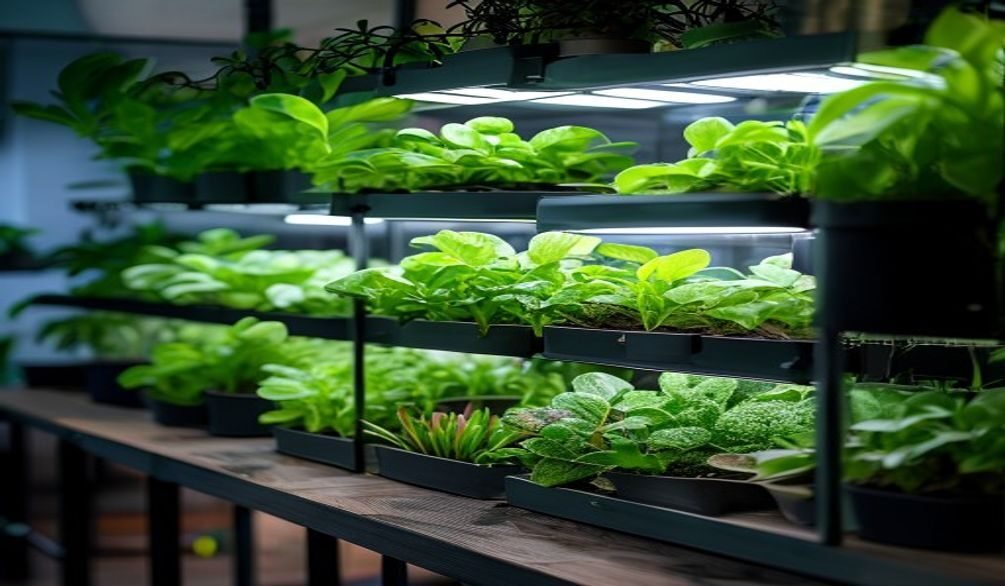
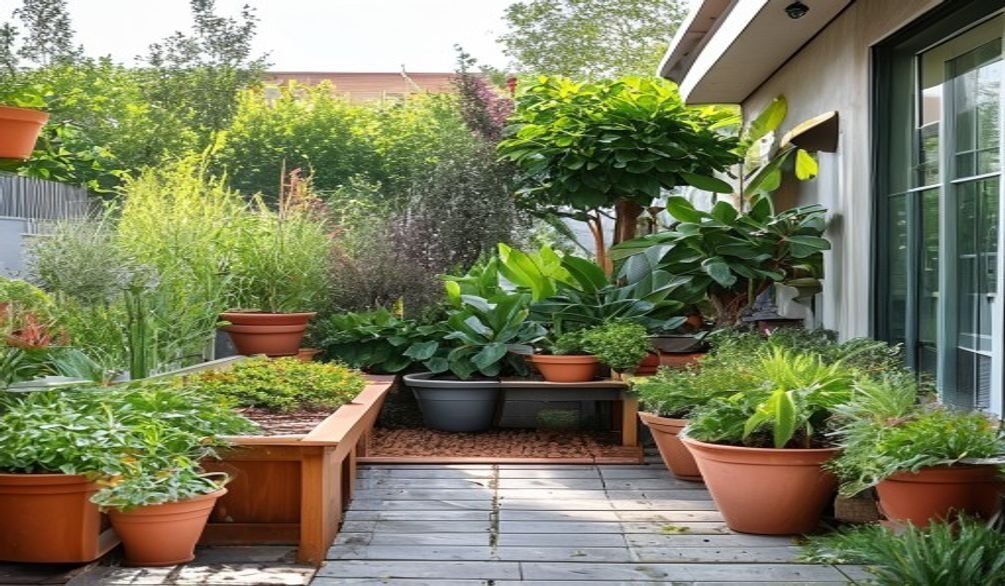
Vertical gardening structures and container gardening are excellent for maximizing space, especially in smaller gardens or urban settings. This also creates flexible options for **Succession Planting Vegetables 2026**. Containers can be moved to optimize sunlight or protection, and vertical space can host multiple successions simultaneously.
For example, a vertical planter can host a succession of different lettuce varieties, while individual containers allow for easy rotation of crops like bush beans or cherry tomatoes. This flexibility makes continuous harvests more achievable in limited spaces.
Troubleshooting Common Succession Planting Challenges
Even the most seasoned gardeners encounter obstacles, and **Succession Planting Vegetables 2026** is not immune to challenges. Being prepared to troubleshoot common issues like unexpected weather shifts, pest flare-ups, or crop failures is crucial for maintaining momentum and ensuring a continuous harvest. Proactive problem-solving prevents minor setbacks from derailing your entire garden plan.
From my experience, flexibility is your greatest asset. No two growing seasons are identical, and adapting your plan is part of the journey.
Unexpected Weather Shifts
Sudden cold snaps, prolonged heatwaves, or excessive rain can disrupt your carefully planned succession schedule.
- Solution: Monitor local forecasts closely. Use row covers for unexpected frosts or shade cloth for extreme heat. Consider planting heat-tolerant varieties for summer successions and cold-hardy options for late-season plantings. The Farmers’ Almanac provides reliable long-range forecasts (Farmers’ Almanac, 2026).
- Takeaway: Always have a contingency plan for weather extremes.
Pest and Disease Pressure
A continuously productive garden can sometimes attract a continuous presence of pests or diseases if not managed properly.
- Solution: Implement strict crop rotation, even within succession cycles, to break pest and disease lifecycles. Utilize companion planting to deter pests naturally. Inspect plants regularly and address issues promptly with organic pest control methods. For specific pest issues, our guide on identifying and treating cucumber beetles 2026 can be helpful.
- Takeaway: Integrated Pest Management (IPM) is essential for healthy, continuous growth.
Failed Succession Crops
Sometimes, a batch of seeds won’t germinate, or young plants fail to thrive, leaving a gap in your harvest schedule.
- Solution: Always sow a few extra seeds than planned, especially for direct-sown crops. Keep a small nursery bed or extra seedlings on hand for quick replacements. Have a backup plan with very fast-maturing crops like radishes or arugula that can fill gaps quickly.
- Takeaway: Redundancy in planting ensures continuity, even with unexpected losses.
Overwhelm and Glut
Despite your best efforts, you might still end up with too much of one crop at once, especially with prolific growers.
- Solution: Adjust your planting intervals to be longer for highly productive crops like zucchini or summer squash. Share your bounty with neighbors, friends, or local food banks. Learn preservation methods like canning or freezing to store surplus.
- Takeaway: Fine-tuning planting quantities and intervals reduces waste and workload.
Succession Planting Calendar & Zone-Specific Tips
Developing a personalized **Succession Planting Vegetables 2026** calendar is paramount for success, as timing is highly dependent on your specific climate and USDA hardiness zone. While general guidelines exist, tailoring your approach to your local conditions will yield the best results for a truly continuous harvest. Understanding your zone’s unique characteristics allows for precise planting windows and crop selection.
This is where your local extension office or experienced regional gardeners become invaluable resources. Their knowledge of specific microclimates and suitable varieties can save you a lot of trial and error.
General Calendar Principles for Succession Planting
The core principle is to understand your first and last frost dates, which define your primary growing season.
- Early Spring (2-4 weeks before last frost): Focus on cold-hardy, quick-maturing crops like radishes, spinach, lettuce, and peas. These can be planted in staggered successions.
- Late Spring/Early Summer (after last frost): Transition to warm-season crops. Plant bush beans, carrots, and early summer squash varieties. Continue staggered plantings of cool-season crops if temperatures remain mild.
- Mid-Summer (peak heat): This can be challenging for some cool-season crops. Focus on heat-tolerant varieties of lettuce or spinach, or plant crops like bush beans, cucumbers, and corn for continuous production.
- Late Summer/Early Fall (6-8 weeks before first frost): Begin planting fall successions of cool-season crops. Think fall spinach, kale, radishes, and hardy greens. These will mature as temperatures cool.
- Winter (for mild zones): In zones with mild winters (Zone 8+), you can continue growing many cool-season crops under protection or even in open ground.
Zone-Specific Considerations for 2026
Your USDA hardiness zone dictates the length of your growing season and the feasibility of multiple successions.
- Zones 3-5 (Short Season): Maximize your limited window. Focus on quick-maturing varieties and use season extension tools like row covers or cold frames for early starts and late finishes. Prioritize 2-3 successions of fast crops.
- Zones 6-7 (Moderate Season): You have a good window for multiple successions. You can often get 3-4 plantings of quick crops and integrate warm-season successions effectively. Consider planting cool-season crops again in late summer for a fall harvest.
- Zones 8-9 (Long Season): Excellent potential for continuous harvests almost year-round. You can manage 4-5 successions of many crops. Focus on heat-tolerant varieties for summer and expand your cool-season plantings significantly into late fall and early winter.
- Zones 10-11 (Year-Round Growing): The challenge here is often heat, not cold. Focus on shade cloth and water management during intense summer heat, and enjoy nearly continuous production of both cool and warm-season crops throughout the year.
Always refer to a local university extension for precise planting dates and recommended varieties specific to your region. This localized knowledge is invaluable for optimizing your **Succession Planting Vegetables 2026** efforts.
Frequently Asked Questions
What does succession planting mean?
Succession planting is a gardening technique where crops are planted at staggered intervals or utilize varieties with different maturity dates to ensure a continuous, rather than simultaneous, harvest throughout the growing season. This method maximizes garden space and provides a steady supply of fresh vegetables. Lewis Jett, WVU Extension Commercial Horticulture Specialist, states that it allows gardeners to “maximize yield through strategic planting” (WVU Extension, 2025). It’s an efficient way to keep your garden productive.
What are the 3 types of succession planting?
The three main types of succession planting are staggered planting (sowing the same crop at intervals), planting different varieties (using early, mid, and late-maturing types simultaneously), and intercropping (planting quick-growing crops between slower ones). Each method offers a unique way to extend your vegetable harvest. For instance, planting radishes on May 1st, 14th, and 28th is a classic example of staggered planting.
What vegetables are good for succession planting?
Vegetables excellent for succession planting include quick-maturing cool-season crops like lettuce, spinach, arugula, and radishes, which can be replanted every 2-3 weeks. Warm-season crops such as bush beans, carrots, and sweet corn (using different maturity varieties) also perform well. Johnny’s Selected Seeds offers many varieties suitable for continuous harvest garden plans (Johnny’s Selected Seeds, 2025).
What is the easiest crop to succession plant?
The easiest crop to succession plant is generally radishes, due to their extremely fast maturity time, often ready for harvest in as little as 20-25 days. Their rapid growth allows for frequent replanting, making them ideal for beginners to practice the staggered planting method. Lettuce and arugula are also very simple to succession plant.
How do I create a succession planting chart?
To create a succession planting chart, start by noting your local first and last frost dates, then list your desired crops and their days to maturity. Plan staggered planting intervals (e.g., every 2-3 weeks) for quick-growing crops, marking sowing and estimated harvest dates on a calendar. This detailed plan helps ensure a continuous harvest garden plan throughout the season.