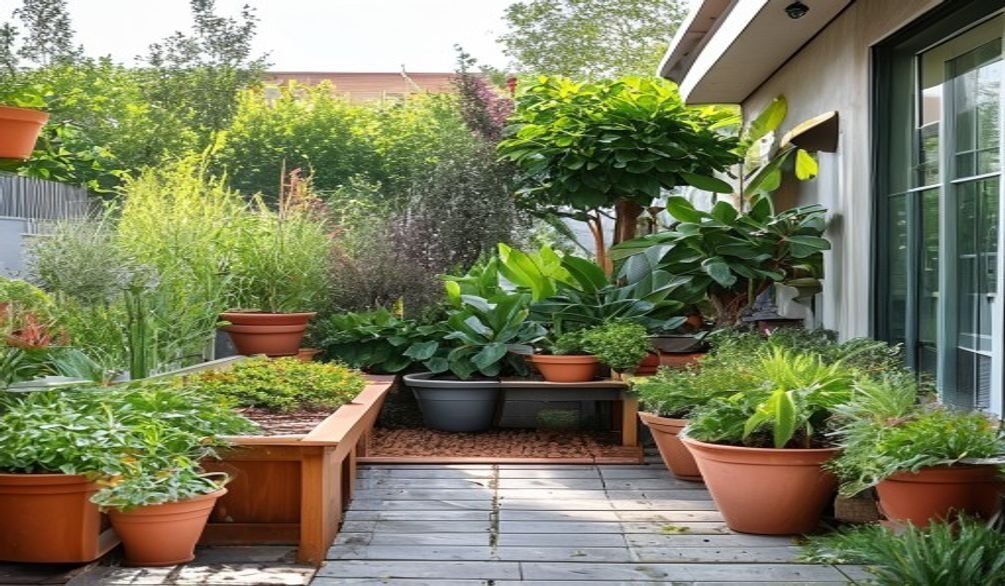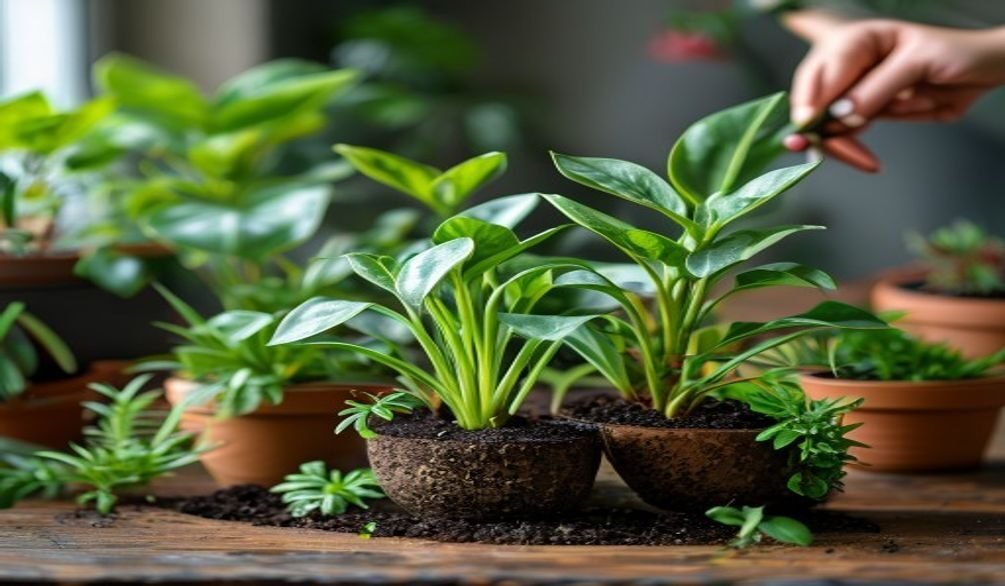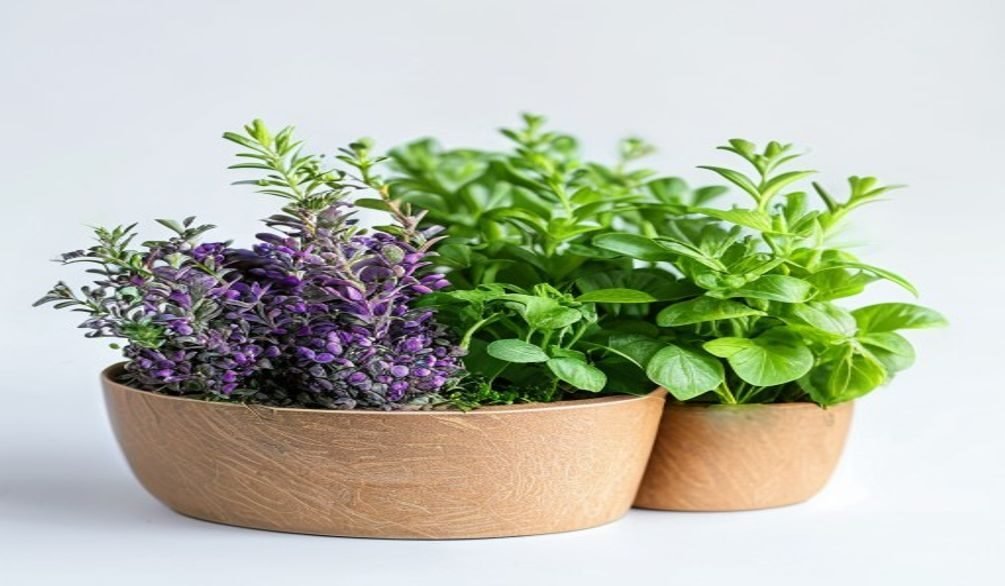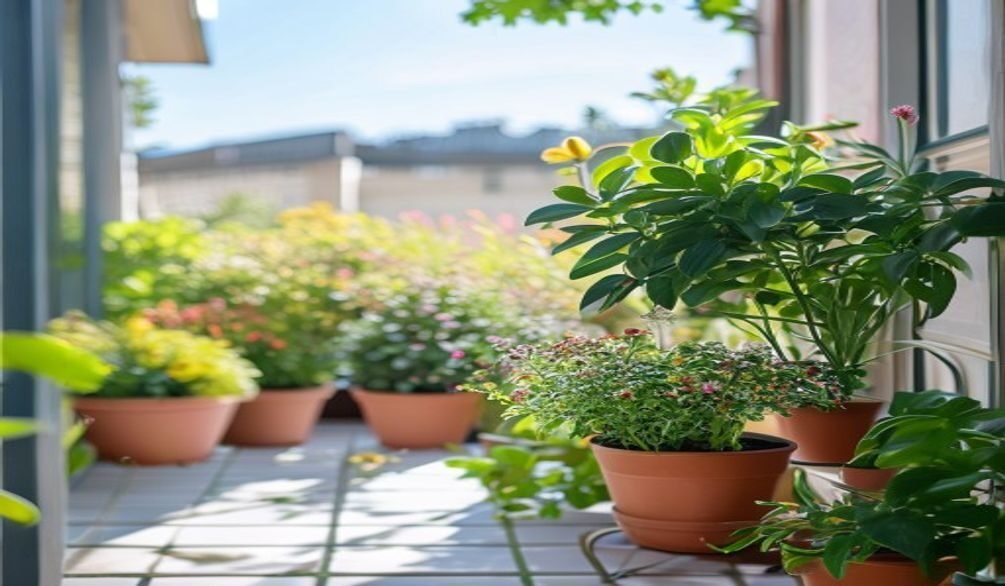
Are you struggling with soggy soil and wilting plants in your elevated green space? Effective terrace garden drainage solutions are paramount to cultivating a thriving urban oasis, preventing the common problems of waterlogging and root rot that can quickly devastate your efforts.
Why is Proper Drainage Essential for Your Terrace Garden?
Proper drainage isn’t just a good idea for your terrace garden; it’s absolutely vital for plant survival and the structural integrity of your building. Without adequate drainage, water accumulates, leading to a cascade of problems that can quickly turn your green dreams into a soggy nightmare.
The primary issue is a lack of oxygen for plant roots. Prolonged periods of waterlogged soil essentially drown roots, reducing their ability to absorb nutrients and leading to significant plant stress. This is why poor drainage is cited as “one of the most common reasons plants fail in outdoor containers.”
Beyond plant health, standing water on your terrace can cause serious damage to your property. Water can seep into structural elements, leading to leaks, mildew, and costly repairs. An expert observation here: many urban gardeners focus only on the plants, forgetting that their terrace is part of a larger structure that needs protection too.
How to Ensure Good Drainage in Potted Plants and Containers?
Ensuring good drainage in individual potted plants and containers is the foundation of any successful terrace garden. It starts with selecting the right containers and understanding basic container drainage basics.
Choose Containers with Ample Drainage Holes
The most fundamental rule is to always use pots with drainage holes. As Colorado State University Extension states, “No matter what container you select the most important thing to consider is drainage.” Without these holes, excess water has nowhere to go, inevitably leading to waterlogging.
If your chosen decorative pot lacks holes, consider double potting. Place your plant in a slightly smaller, functional pot with drainage holes, then set that pot inside the larger decorative one. You can also use a drill to add holes to plastic or ceramic pots, but be careful with delicate materials.
Elevate Your Pots with Pot Feet Risers
Even with drainage holes, pots sitting directly on a flat terrace surface can still experience poor drainage due to capillary action. Water can get trapped underneath, preventing air circulation and hindering proper flow.
Pot feet risers are small, discreet supports that lift your containers slightly off the ground, promoting airflow and allowing water to drain freely. This simple addition is a highly effective waterlogging prevention strategy, especially for larger pots.
Consider Self-Watering Planters
For convenience and consistent moisture management, self-watering planters are an excellent option for terrace gardens. Brands like Gardenix Decor and Glowpear feature built-in reservoirs that provide water to plants from below, allowing roots to draw moisture as needed while preventing overwatering from the top.
These planters often include an elevated design and water level indicators, helping you maintain optimal soil moisture without the risk of stagnant water. They are particularly useful for busy gardeners or when you need to leave your plants for extended periods.
What is the Best Potting Mix for Terrace Garden Drainage?
The right potting mix is crucial for effective terrace garden drainage solutions. Forget heavy garden soil; it compacts easily in containers, stifling roots. You need a mix that drains well yet retains sufficient moisture and nutrients.
Ideal Potting Mix Composition
A superior potting mix for containers typically includes a blend of ingredients that balance aeration, drainage, and moisture retention. According to OSU Extension Service, “Always use an all-purpose potting soil that contains perlite or vermiculite, to allow for good drainage.”
Here’s a general recipe for a great container potting mix:
- Base: High-quality compost or coco coir (provides organic matter and moisture retention). Learn more about organic composting secrets here.
- Aeration: Perlite or vermiculite (improves drainage and prevents compaction).
- Structure: Coarse sand or fine bark chips (adds structure and aids drainage).
Andrew Holsinger, a University of Illinois Extension horticulture educator, emphasizes that “Proper drainage is just as important as the amount of water added to the container” and strongly advises against using garden soil for containers.
Lightweight Potting Mix Ingredients
For terrace and balcony gardens, weight is a significant concern. Opt for lightweight drainage material for potted plants whenever possible. Perlite, vermiculite, and coco coir are excellent choices as they are significantly lighter than traditional soil or gravel.
Amending your mix with organic matter like compost also “breaks up heavy clay, improving its structure” and creating larger air pockets, according to the Illinois Extension.
Should You Put Rocks at the Bottom of Planters?
The short answer is: No, you should not put rocks at the bottom of planters. This is a persistent and common myth that actually hinders, rather than helps, drainage.
What most people miss is the science behind it. UC Master Gardeners of Santa Clara County explain, “The layer of gravel actually reduces the usable depth and brings the saturated soil layer closer to the plant’s roots.” This creates what’s known as a “perched water table.”
Instead of draining away, water accumulates in the soil just above the rock layer, keeping the roots unnecessarily wet. This increases the risk of root rot symptoms rather than preventing them. Focus on a well-draining potting mix and proper drainage holes instead.
How to Prevent Waterlogging and Root Rot in Terrace Gardens?
Preventing waterlogging and root rot is about proactive management, combining good practices with smart material choices. It’s one of the most critical terrace garden drainage solutions you can master.
Recognizing Root Rot Symptoms
Before you can prevent it, know what to look for. Root rot symptoms include yellowing leaves, stunted growth, wilting despite moist soil, and soft, mushy, or blackened roots when inspected. Plants rarely recover once root rot is severe, highlighting the importance of prevention.
Strategic Watering Practices
Overwatering is a primary cause of waterlogging. Always check soil moisture before watering. Stick your finger an inch or two into the soil; if it feels damp, wait. Water deeply but less frequently, allowing the topsoil to dry out between waterings.
Consider the plant’s needs and the weather. Plants need less water in cooler, cloudy conditions. What’s more, ensure water drains out of the pot’s bottom; if it doesn’t, your drainage system needs immediate attention.
Utilizing Geotextile Fabrics
To prevent potting mix from washing out of drainage holes and clogging your terrace, use geotextile fabrics. A small piece of non-woven geotextile fabric placed over the drainage hole (before adding soil) allows water to pass freely while keeping the soil contained. This is far better than broken pottery shards, which can sometimes block holes.
Alternatively, products like “Better Than Rocks” are specifically designed lightweight, reusable planter pot drainage materials that prevent soggy roots without the drawbacks of gravel.
Designing an Integrated Drainage System for Your Entire Terrace
Moving beyond individual pots, a truly effective set of terrace garden drainage solutions involves designing a holistic system for your entire space. This is where you prevent water pooling on balcony areas and protect your property.
Surface Sloping and Channeling
The most basic principle for any outdoor surface is to ensure a slight slope away from your building. Even a 1-2% grade is enough to direct rainwater and excess irrigation toward designated drainage points. This prevents water from collecting against walls or under planters, which can lead to structural damage.
Consider installing discreet channels or French drains along the perimeter of your terrace to collect and guide water to a safe runoff point. This is a crucial aspect of overall terrace garden waterproofing solutions.
Implementing Drainage Cells and Mats
For larger raised beds or entire planted sections, drainage cells or rooftop garden drainage mats are invaluable. These are typically made from recycled HDPE (High-Density Polyethylene) and create a void between the waterproofing layer and the growing medium.
They allow water to flow freely beneath the soil, preventing hydrostatic pressure buildup and ensuring efficient drainage across a large area. Companies like RASPAN Management Services utilize these in comprehensive roof garden drainage systems, often placed above a root barrier layer.
Connecting Multiple Planters
In practice, many terrace gardens feature multiple planters. Consider how water from one planter might affect another or the overall terrace. Grouping planters can help manage runoff; direct overflow from one pot into a larger, lower pot, or into a designated drainage channel. This DIY balcony planter drainage approach ensures efficient water management.
Lightweight Drainage Solutions for Balconies and Rooftops
For balconies and rooftops, weight is a critical structural consideration. Heavy drainage materials can exceed load-bearing capacities, posing safety risks. Therefore, choosing lightweight drainage materials is paramount.
Understanding Weight Implications
Traditional drainage layers like gravel can add significant weight. For example, a cubic foot of gravel weighs around 100 pounds. Compare this to lightweight alternatives, and the difference is dramatic. Always consult structural guidelines or a professional when planning extensive rooftop gardens to ensure your structure can handle the load.
Top Lightweight Drainage Materials
When selecting lightweight drainage material for potted plants and larger beds, prioritize these options:
- Expanded Clay Pebbles (LECA): These spherical, porous clay balls are extremely light and excellent for drainage.
- Perlite and Vermiculite: As discussed for potting mixes, these are also great as standalone drainage layers in the bottom of very large containers or raised beds.
- Lightweight Drainage Cells: HDPE drainage cells are designed to be strong yet incredibly light, providing effective void space for water flow.
- Upside-Down Plastic Pots or Packing Peanuts (Unsalted): For very large, deep planters, a layer of clean, upside-down plastic pots or even unsalted packing peanuts can create significant void space and reduce overall weight. Just be sure to cover them with geotextile fabric to prevent soil from washing in.
These options provide the necessary airspace and water flow without overburdening your balcony or rooftop structure, making them essential for sustainable urban gardening.
When to Consider Professional Terrace Waterproofing Solutions?
While many terrace garden drainage solutions can be managed with DIY methods, there are specific situations where professional intervention becomes not just advisable, but necessary. This is especially true for comprehensive terrace garden waterproofing solutions.
Signs of Structural Issues
If you notice persistent dampness on the ceiling below your terrace, water stains, peeling paint, or efflorescence (white, powdery residue) on walls, these are clear indicators of a compromised waterproofing layer. Ignoring these signs can lead to significant structural damage and mold growth.
Complex Terrace Designs
For large-scale terrace gardens that involve integrated raised beds, extensive hardscaping, or significant changes to the original terrace structure, a professional assessment is crucial. Experts can advise on appropriate waterproofing layers (e.g., PVC, EPDM, or PU-based membranes) and root barriers, as mentioned by companies like Douglass Colony Group.
They also understand local building codes and can ensure your drainage system is compliant and effective for the long term. What most people miss is that a professional installation might seem costly upfront, but it prevents far more expensive repairs down the line.
The Value of Expert Consultation
A professional can conduct a thorough inspection, identify potential weak points, and recommend a tailored system that protects both your plants and your property. This might include specialized “Garden drain materials which aid in water retention and irrigation,” alongside robust waterproofing.
Investing in professional advice for your terrace garden waterproofing solutions ensures peace of mind and the longevity of your urban garden space. It’s about protecting your investment and preventing future headaches.
Frequently Asked Questions
How do you ensure good drainage in a raised garden bed?
To ensure good drainage in a raised garden bed, start with a layer of geotextile fabric at the bottom to prevent soil loss while allowing water to pass. Fill the bed with a well-draining, lightweight soil mix rich in organic matter like compost, avoiding dense garden soil. Ensure the bed itself is placed on a slightly sloped surface or has an integrated drainage system to prevent water pooling around its base.
How do you prevent root rot in a terrace garden?
Prevent root rot in a terrace garden by ensuring all containers have adequate drainage holes and are elevated with pot feet. Use a high-quality, well-draining potting mix that includes perlite or vermiculite. Practice mindful watering, checking soil moisture before adding more water, and avoid the common mistake of placing rocks at the bottom of pots, which can worsen drainage.
What is the best drainage for potted plants?
The best drainage for potted plants comes from a combination of elements: a container with sufficient drainage holes, a high-quality, well-aerated potting mix (avoiding garden soil), and elevating the pot slightly off the ground with pot feet or risers. This setup allows excess water to escape freely and ensures proper airflow to the roots.
Should I put rocks at the bottom of my raised garden bed?
No, you should not put rocks at the bottom of your raised garden bed. This common myth actually creates a “perched water table,” meaning water collects in the soil just above the rock layer, keeping roots saturated and increasing the risk of root rot. Instead, focus on using a well-draining soil mix and ensuring the bed itself has proper outflow.
Mastering terrace garden drainage solutions is the cornerstone of a healthy, vibrant urban garden. By prioritizing proper drainage holes, selecting the right potting mix, and considering integrated systems for your entire terrace, you can effectively prevent waterlogging and root rot. Take these steps today to cultivate a flourishing, leak-proof green sanctuary that enhances both your plants and your property.