
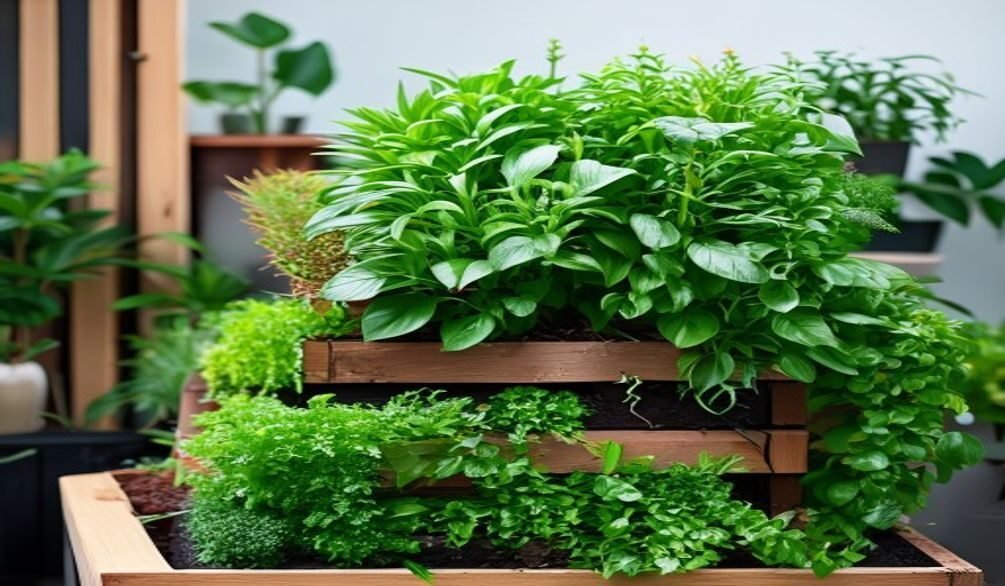
Key Takeaways
- Vertical gardens can yield up to 10 times more produce per square foot compared to traditional methods.
- Hydroponic vertical gardens use up to 90% less water than traditional soil gardening, according to Freight Farms.
- Leafy greens account for 46–52% of vertical farming market revenue, making them a high-yield choice.
- The global vertical farming market was estimated at USD 7.4 billion in 2025 and is projected to reach USD 9 billion in 2026.
- Choosing compact varieties like Pusa Ruby tomatoes can significantly increase vertical garden productivity in limited spaces.
Most Bangalore balcony gardeners struggle to grow enough fresh vegetables for their families, feeling like they’re constantly running out of space. But you can dramatically increase your harvest and truly experience the joy of a thriving home garden with vertical gardening maximize yield by applying some smart strategies.
Quick Answer: Maximize vertical garden yield by optimizing plant selection for compact or vining varieties, ensuring adequate light and air circulation, implementing efficient watering and nutrient delivery systems, and utilizing succession planting for continuous harvests.
Does vertical gardening really increase yield?
Yes, vertical gardening absolutely increases yield, often dramatically, by making the most of limited space. Vertical gardens can yield up to 10 times more produce per square foot compared to traditional gardening methods, according to various industry estimates.
You’re not just growing upward; you’re creating new surface area for plants that wouldn’t otherwise fit. This is a game-changer for urban gardeners like us in Delhi or Mumbai, where every square inch counts. Think about it: instead of a single row of bhindi, you can have three or four layers in the same footprint. This approach directly helps increase vertical garden productivity, giving you more food from a smaller area.
The benefits of going vertical
Beyond just stacking plants, vertical gardening offers several advantages that contribute to higher yields:
- Better Airflow: Plants get more air circulation, which reduces fungal diseases common in humid Indian climates.
- Optimized Sunlight: Each plant can be positioned to receive adequate light, preventing lower leaves from being shaded out.
- Easier Harvesting: No more bending over! Harvesting becomes a breeze, encouraging more frequent picking and thus more production.
- Pest Management: It’s often easier to spot and manage pests on plants that are at eye level.
Honestly, the main appeal of vertical gardening is getting the most out of limited space. The best systems allow you to grow dozens of plants in just a few square feet without overcrowding their roots, as noted by the Garden Tower Project (2025). This means you can truly maximize vertical garden yield even on a small balcony.
How do you maximize vertical garden yield with plant selection?
To really maximize vertical garden yield, choosing the right plants is non-negotiable; opt for compact, vining, or shallow-rooted varieties that thrive in confined spaces. Leafy greens, for instance, command approximately 46–52% of vertical farming market revenue, indicating their suitability and high productivity in such systems.
You can’t just throw any plant into a vertical setup and expect miracles. My experience growing on a Pune terrace taught me that. For example, trying to grow sprawling pumpkins in a small vertical pot is just asking for trouble! Instead, focus on plants that naturally lend themselves to vertical growth or have a compact habit. This is key for efficient vertical garden plant spacing.
Best plants for vertical gardens
Here’s a quick guide to some of the best plants for vertical gardens:
- Leafy Greens: Lettuce (especially loose-leaf varieties), spinach, kale, methi, and palak are perfect. They grow quickly and don’t need deep roots.
- Herbs: Pudina, dhania, tulsi, basil, and chives do incredibly well. I learned that growing pudina from seeds was slow and patchy; switching to cuttings from a fresh sabziwala bunch resulted in 9 out of 10 rooting in water in just 6 days. Seeds are simply not worth it for pudina when cuttings are so effective!
- Strawberries: Their trailing nature makes them ideal for cascading over the edges of vertical planters.
- Bush Beans & Peas: Look for bush varieties that are less sprawling than pole beans, or train pole beans carefully.
- Compact Tomatoes: Cherry tomatoes like Pusa Ruby, or determinate varieties, are far better than indeterminate types that grow huge.
- Small Peppers: Bell peppers and lal mirch varieties that don’t get too large are excellent choices.
When you’re at your local nursery, ask about specific compact or dwarf varieties. Don’t be shy! They often have great local insights on what performs well in containers and vertical systems in our climate. This thoughtful plant selection is a primary way to truly maximize vertical garden yield.
What are the best watering and nutrient strategies for higher yields?
Implementing efficient watering and nutrient delivery systems is paramount for higher yields in vertical gardens, as plants in these setups often have less soil volume and dry out faster. Hydroponic vertical gardens, for instance, use up to 90% less water than traditional soil-based methods, according to Freight Farms.
You see, in vertical gardens, especially container-based ones, plants can’t spread their roots far and wide to find water and nutrients. This means we have to be very precise. Underwatering leads to stunted growth, and overwatering can cause root rot, especially in Mumbai’s humidity. It’s a delicate balance!
Smart watering for vertical gardens
Here are some top strategies for vertical garden watering systems:
- Drip Irrigation: This is my personal favourite. Watex Urban Farming Vertical Garden kits often come with pre-installed pipes and drippers, delivering water accurately and saving a ton of water. It ensures each plant gets exactly what it needs, preventing runoff and waste.
- Self-Watering Systems: Many vertical planters, like the Lettuce Grow Farmstand, are designed to be self-watering, making consistent moisture easy. This is a lifesaver if you’re busy.
- Check Moisture Levels Daily: Especially during Indian summer heat (40°C+), pots can dry out fast. Stick your finger an inch or two into the soil; if it feels dry, it’s time to water.
Now, about nutrients. You might have heard that adding a 50% compost ratio in containers is ideal. In practice, I’ve found this often suffocates roots in our humid Indian climate because it holds too much moisture. For most vegetables, a 20–30% compost ratio in your potting mix is the sweet spot. It provides nutrients without making the soil waterlogged. I once used liquid seaweed fertilizer on my hibiscus expecting faster flowering but got three new leaves and no flowers for eight weeks because the plant was already in nitrogen-rich soil, pushing vegetative growth. The lesson: understand what your plant needs before adding any fertilizer.
Nutrient delivery for maximum yield
For soil-based vertical gardens, a balanced liquid fertilizer is usually best. For hydroponic vertical garden yield, specialized nutrient solutions are essential. You’ll want to:
- Use a Balanced Feed: Look for NPK ratios suitable for fruiting or leafy growth, depending on your crop. Brands like Ugaoo or Nurserylive often stock good options.
- Feed Regularly: Plants in containers deplete nutrients faster. Follow the fertilizer’s instructions, often feeding every 1-2 weeks during the growing season.
- Observe Your Plants: Yellowing leaves might indicate a nitrogen deficiency, while purple stems could mean phosphorus is low. Your plants will tell you what they need!
Getting your watering and feeding right is absolutely crucial if you want to maximize vertical garden yield. It’s not just about growing more food; it’s about growing healthier, more productive plants.
How can light and air circulation boost your vertical garden’s productivity?
Optimizing light and ensuring excellent air circulation are fundamental to boosting your vertical garden’s productivity, as these factors directly influence photosynthesis and disease prevention. Crops like cucumbers and indeterminate tomatoes produce more efficiently when trained vertically because they get better airflow and more sunlight exposure, according to “How to Grow More Food in Less Space: High-Yield Gardening Made Simple” (2026).
You can have the best soil and perfect watering, but if your plants aren’t getting enough light or are stifled by stagnant air, they won’t thrive. It’s like trying to run a marathon without breathing properly! This is especially true for optimizing vertical garden light in urban settings where natural light can be limited.
Maximizing light exposure
Sunlight is food for plants, plain and simple. Here’s how to make sure your vertical garden gets enough:
- South-Facing Walls: If possible, position your vertical garden on a south-facing wall to capture the most sunlight throughout the day.
- Rotate Your System: Systems like the Garden Tower 2™ rotate 360 degrees, allowing you to give all sides of your plants even light exposure. If your system doesn’t rotate, manually turn pots or sections every few days.
- Supplemental Lighting: For indoor vertical gardens or areas with low natural light, grow lights are a must. The Lettuce Grow Farmstand, for example, offers optional grow lights for indoor use.
- Pruning: Don’t be afraid to prune away excess foliage that might be shading lower leaves. This also improves airflow.
I expected the second method of rotating my vertical system to be a hassle – it actually cut down on uneven growth and boosted flowering significantly because every plant got its fair share of sun. It really makes a difference!
Ensuring good air circulation
Stagnant air is an open invitation for pests and fungal diseases, especially during the humid monsoon season. Proper airflow is vital for healthy plants and to maximize vertical garden yield.
- Adequate Spacing: Don’t overcrowd your plants. Allow enough space between them for air to move freely. This is part of smart vertical garden plant spacing.
- Strategic Placement: Place your vertical garden in an area with a gentle breeze, but protected from strong winds that could damage delicate plants.
- Fans: For indoor setups, a small oscillating fan can mimic natural breezes, strengthening stems and preventing moisture buildup on leaves.
Good light and air are often overlooked, but they’re critical ingredients for a truly productive vertical garden. You’ll notice healthier plants and a much better harvest.
What advanced techniques maximize yield in vertical gardening?
To truly maximize vertical garden yield, you can integrate advanced techniques like hydroponics, aeroponics, and automation, which offer precise control over growing conditions. The global vertical farming market, embracing these technologies, was estimated at USD 7.4 billion in 2025 and is expected to grow to USD 9 billion in 2026, showcasing their effectiveness.
These aren’t just fancy words; they’re methods that can take your vertical garden from good to absolutely amazing, especially for those serious about high yield vertical farming. While they might seem intimidating at first, the learning curve is worth it for the results.
Hydroponics and aeroponics
These soilless growing methods are at the heart of many commercial vertical farming techniques and are increasingly accessible for home gardeners:
- Hydroponics: Plants grow with their roots in nutrient-rich water. This eliminates soil-borne pests and diseases and allows for incredibly efficient water and nutrient use. Systems like the Lettuce Grow Farmstand are great examples for home use.
- Aeroponics: Roots are suspended in the air and misted with nutrient solution. This provides maximum oxygen to the roots, leading to even faster growth and higher yields. It’s often considered the most advanced method.
The beauty of these systems is the control they offer. Indoor farmers don’t have to pray for rain, or sunshine, or moderate temperatures, or anything else related to the production of food crops, as Dickson Despommier noted in “The Vertical Farm: Advantages.” This precision allows you to optimize every single variable to maximize vertical garden yield.
Automation and environmental control
Taking it a step further, automation can handle the day-to-day tasks, freeing you up and ensuring consistency.
- Automated Watering: Connect your drip irrigation to a timer. Set it and forget it!
- Nutrient Dosing: Advanced hydroponic systems can automatically monitor pH and nutrient levels, adding solutions as needed.
- Environmental Sensors: Sensors can track temperature, humidity, and light, adjusting fans or grow lights to maintain optimal conditions. Companies like Freight Farms offer comprehensive farm automation software, Farmhand®, for their container farms.
While these might sound like big investments, even simple timers for your lights and water can make a huge difference in consistency and ultimately, in helping you maximize vertical garden yield.
Which vertical gardening systems are best for high yields?
The best vertical gardening systems for high yields are typically those that offer efficient use of space, optimized water and nutrient delivery, and adaptability to various plant types. Systems like the Garden Tower 2™ and GreenStalk Planters are popular choices, allowing dozens of plants to thrive in a small footprint.
You’ve got options when it comes to vertical garden systems, and choosing the right one can make a massive difference in your harvest. It’s not just about what looks good; it’s about what works for your space, your budget, and the plants you want to grow. My personal experience with various setups on my balcony has shown me that the right system is truly a foundation for success.
Top high-yield vertical gardening systems
Here’s a comparison of some popular and effective vertical garden systems:
| System Type | Key Features for Yield | Best For | Considerations |
|---|---|---|---|
| Stackable Planters (e.g., GreenStalk, Garden Tower 2™) | Deep-rooting capacity, integrated composting (GT2), good airflow, easy rotation. GreenStalk allows 3-7 layers. Garden Tower 2™ grows up to 50 plants in 4 sq ft. | Leafy greens, herbs, strawberries, compact veggies like tomatoes, peppers, bhindi. | Can be heavy when full; need proper watering strategy. GT2 is on the pricier side (₹15,000-₹25,000). |
| Hydroponic Towers (e.g., Lettuce Grow Farmstand) | Water-efficient (95% less water), self-watering/fertilizing, rapid growth, consistent nutrient delivery. Accommodates 18-36 plants. | Leafy greens, herbs, strawberries, small peppers. Excellent for hydroponic vertical garden yield. | Higher initial cost (₹20,000+ for a basic setup with lights), requires specialized nutrient solutions. |
| Wall-Mounted Pockets/Panels | Maximizes wall space, good for aesthetics, flexible arrangements. | Herbs, small flowers, shallow-rooted greens. | Can dry out quickly, uneven watering without drip system, limited root space. |
The main appeal of vertical gardening is getting the most out of limited space. The best systems allow you to grow dozens of plants in just a few square feet without overcrowding their roots, according to the Garden Tower Project (2025). When you combine a robust system with good plant choices and care, you’re well on your way to truly maximizing vertical garden yield.
Maximizing yield: tips for continuous harvests
Achieving continuous harvests is a key strategy to maximize vertical garden yield, ensuring you always have fresh produce available rather than sporadic bursts. This approach focuses on smart planning and consistent effort, rather than just waiting for one big crop.
You don’t want to harvest everything at once and then have an empty garden for weeks, right? That’s a common frustration for home gardeners. Instead, think of your vertical garden as a mini-farm that can keep producing if you manage it cleverly. This is where succession planting vertical garden techniques really shine.
Strategies for non-stop production
Here are some of my go-to methods for keeping the harvest coming:
- Succession Planting: This is probably the most important tip. Instead of planting all your lettuce seeds at once, sow a small batch every 2-3 weeks. As one batch matures, the next is ready to take its place. This works wonderfully for leafy greens, radishes, and bush beans.
- “Cut and Come Again” Varieties: For plants like lettuce, spinach, kale, and pudina, don’t pull the whole plant. Harvest the outer leaves, and the plant will continue to produce new ones from the center. This is fantastic for maximizing vertical garden yield from a single plant.
- Staggered Start Times: If you’re growing longer-season crops like tomatoes or peppers, plant a few early in the season, and then another couple of weeks later. This extends your overall harvest window.
- Regular Harvesting: The more you pick, the more some plants will produce. For fruiting vegetables like bhindi, lal mirch, and cherry tomatoes, harvesting regularly signals the plant to produce more flowers and fruits. Don’t let ripe produce sit on the plant too long.
It sounds simple, but consistent harvesting and staggered planting are transformative. I’ve seen gardeners dramatically increase their overall yield just by adopting these habits. It’s about working with your plants’ natural cycles to keep that fresh supply flowing.
Frequently asked questions
Does vertical gardening really increase yield?
Yes, vertical gardening significantly increases yield by utilizing vertical space, allowing for more plants per square foot. Vertical gardens can yield up to 10 times more produce per square foot compared to traditional gardening methods, according to industry estimates. This method is especially beneficial for urban gardeners with limited ground space.
What is the easiest way to maximize garden yield?
The easiest way to maximize garden yield is through proper plant selection and consistent harvesting. Choosing compact or vining varieties suited for vertical growth, like leafy greens or strawberries, and regularly picking ripe produce encourages plants to produce more, according to “How to Grow More Food in Less Space: High-Yield Gardening Made Simple” (2026).
What are the best plants for vertical gardening?
The best plants for vertical gardening include leafy greens (lettuce, spinach, methi), herbs (pudina, dhania, tulsi), strawberries, bush beans, and compact varieties of tomatoes and peppers. Leafy greens alone account for 46–52% of vertical farming market revenue, highlighting their suitability and productivity in these systems.
What are the benefits of vertical gardening?
Benefits of vertical gardening include maximizing space, increasing yield, improving air circulation around plants, reducing water usage through efficient systems, and making harvesting easier. Hydroponic vertical gardens use up to 90% less water than traditional soil-based methods, according to Freight Farms.
How do you maximize vertical garden yield with plant spacing?
Maximize vertical garden yield through plant spacing by selecting compact varieties and ensuring adequate room for airflow and light penetration. Avoid overcrowding, allowing each plant sufficient space to grow without competing excessively for resources, which is crucial for overall plant health and productivity.
Ultimately, to truly maximize vertical garden yield, it comes down to a few core principles: smart plant choices, efficient watering and nutrients, ample light and air, and continuous harvesting strategies. You’ve got the power to transform your small balcony or terrace into a thriving food factory. So, don’t wait — pick a system, choose your favourite greens, and start enjoying the abundance of your own vertical garden today!







