Feeling like your garden goes dormant with the first hint of frost, leaving behind a drab, lifeless landscape? You’re not alone, but with the right winter flower gardening ideas, you can transform those cold, grey months into a vibrant display of color and life, creating a true cold season oasis right outside your door. This guide will show you exactly how to select, plant, and care for flowers that thrive in chilly temperatures, ensuring your garden remains captivating all year long.
Why Embrace Winter Flower Gardening Ideas for Your Landscape?
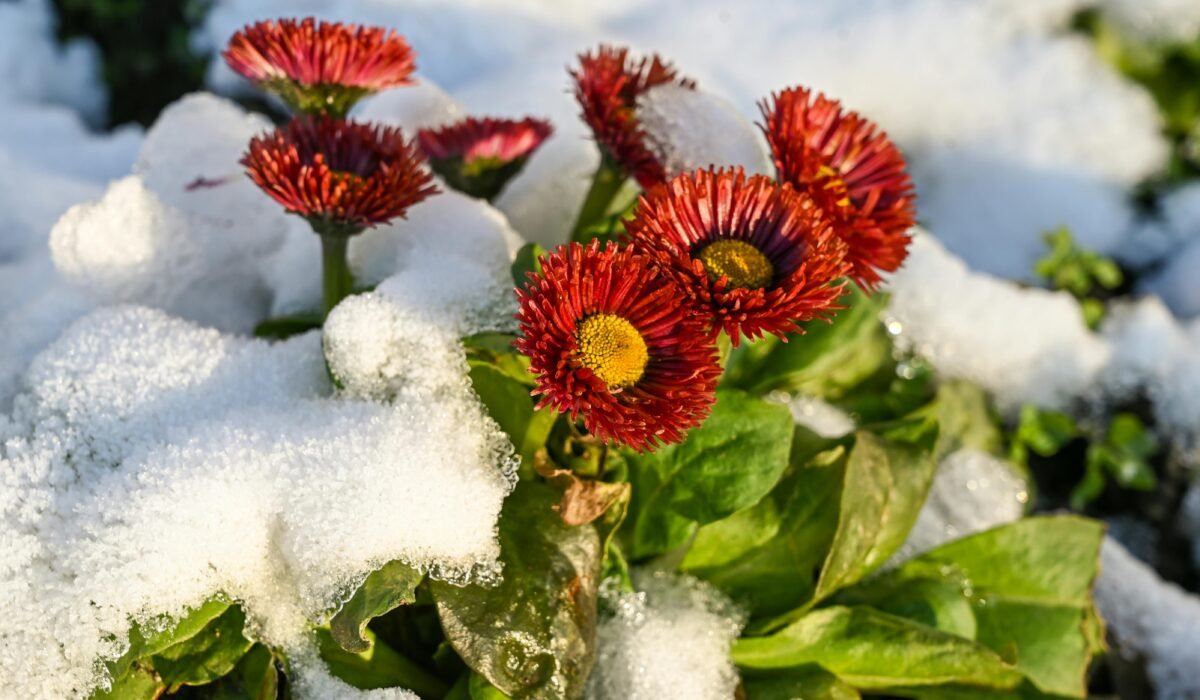
Transforming your garden into a winter wonderland isn’t just about aesthetics; it’s about extending the joy and engagement of gardening throughout the entire year. While many gardeners pack away their tools after fall, embracing winter flower gardening ideas allows you to defy the grey season with bursts of color and texture. This approach creates continuous visual interest, making your landscape a focal point even when snow blankets the ground.
What most people miss is the psychological boost a vibrant winter garden provides. Imagine looking out your window to see cheerful blooms instead of barren earth; it genuinely brightens your day. This continued engagement with your garden also contributes to the thriving horticulture industry, which saw U.S. operations report $18.3 billion in sales in 2024, with annual bedding/garden plants alone accounting for $2.67 billion. Your winter efforts contribute to a larger movement of sustained gardening passion.
What Flowers Withstand Winter and Offer Vibrant Color?
The key to a successful winter garden lies in selecting cold hardy winter flowers that are specifically adapted to cooler temperatures. These resilient plants not only survive but often flourish, providing much-needed color when other plants are dormant. Understanding which species can brave the frost is the first step towards a thriving cold-season landscape.
Identifying Resilient Winter Blooms
Many plants are surprisingly tough, pushing through chilly conditions to offer their beauty. Consider these reliable choices for sustained winter garden inspiration:
- Hellebores (Helleborus spp.): Often called “Christmas Roses” or “Lenten Roses,” hellebores are champions of the late winter and early spring garden. They can push delicate, nodding flowers through snow, offering shades of white, pink, purple, and green.
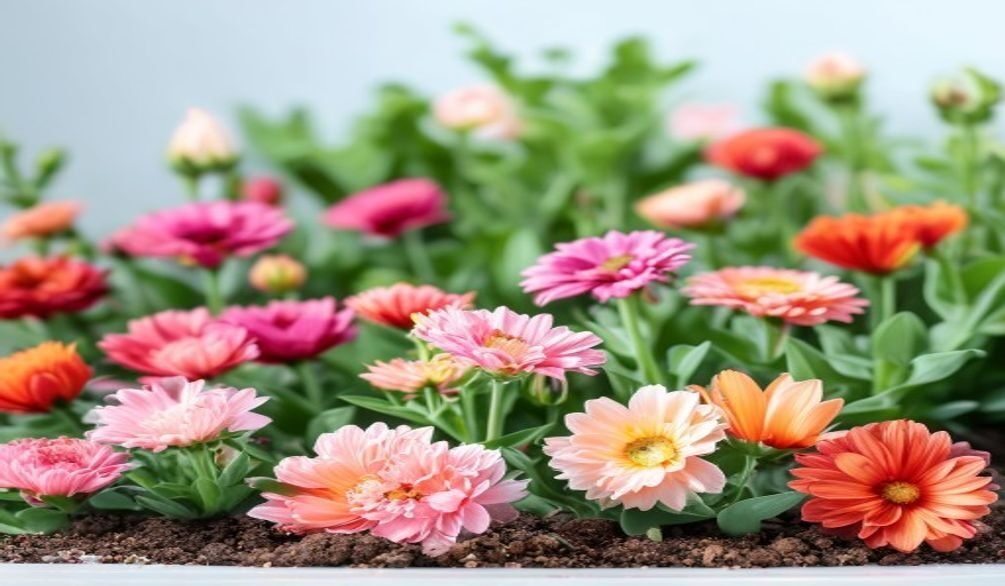
- Pansies (Viola x wittrockiana) and Violas (Viola spp.): These cheerful annuals are consistently top performers, blooming through frosty weather and even light snow in moderate climates. “Cool Wave pansies can last most of the winter in moderate climates,” providing excellent winter annuals for color. They are also edible, adding versatility.
- Winter Jasmine (Jasminum nudiflorum): This unique shrub defies expectations with bright yellow flowers that appear in January or February before its leaves emerge. It’s incredibly tolerant of various soil types, offering a striking display against a bleak backdrop.
- Calendula: Known for its cheerful orange and yellow blooms, calendula thrives in cool weather and “laughs at frost,” bringing vibrant color early in the season.
- Snapdragons: These provide excellent cold-hardy annuals that can offer lasting winter color, especially in milder winter regions.
These plants prove that a lack of warmth doesn’t mean a lack of beauty, making them essential components for any winter garden design.
Designing a Dynamic Winter Flower Garden: Beyond Just Blooms
Creating a dynamic winter garden goes far beyond just planting flowers; it involves thoughtful design principles that leverage various elements for year-round interest. This “brighten” aspect means integrating color theory, texture, and structural plants to create a captivating scene even in the coldest months. Think of your garden as a canvas where you’re painting with plants, even when snow is falling.
Integrating Non-Flowering Elements for Winter Interest
A truly compelling winter landscape incorporates elements that provide interest when blooms are scarce. Evergreen shrubs winter interest is paramount here, offering a stable green backdrop against which colorful flowers and berries can pop. Consider varieties like Dwarf Alberta Spruce or Boxwood. Ornamental grasses, with their dried seed heads and golden hues, add texture and movement. Colorful bark, such as that found on Red Twig Dogwood, provides striking visual appeal. Winterberry Holly (Ilex verticillata) is particularly valuable, as its deciduous nature means its bright red berries are prominently displayed after its leaves drop, with dwarf varieties like ‘Berry Poppins®’ fitting smaller spaces. These structural plants form the backbone of your winter garden design, ensuring there’s always something to admire.
Strategic Placement for Maximum Impact
Where you place your plants that bloom in winter dramatically influences their effectiveness. Position vibrant blooms near high-traffic areas like entryways, patios, or windows where they can be easily seen and appreciated. Consider sheltered spots, like a south-facing wall or a protected courtyard, which can create beneficial microclimates. David Hillock, OSU Extension consumer horticulturist, advises that “Successful gardening starts with ensuring the garden beds are located in areas that receive optimal sunlight and have rich, well-drained soil,” which is equally true for winter plants. Strategic placement not only enhances visibility but can also offer a degree of natural protection from harsh winds.
How to Keep Winter Flowers Alive in Cold Weather
Keeping your winter flowers thriving despite freezing temperatures requires proactive care and a few protective measures. Even the most robust cold hardy plants winter need a little help to withstand extreme conditions, especially when dealing with unexpected hard freezes or prolonged periods of cold. The goal is to minimize stress and protect vulnerable parts of the plant, primarily the root system.
Essential Protection Strategies
One of the most critical steps is to protect plants from frost. For susceptible plants, the N.C. Cooperative Extension suggests planting them in sheltered areas and providing additional water during dry periods or before an expected hard freeze. This pre-freeze watering helps insulate the roots. For potted plants, moving them to warmer, more sheltered locations is crucial to prevent the root ball from freezing solid for days, which can be fatal. Using row covers or cold frames can act as mini-greenhouses, providing a vital layer of insulation for in-ground plants. These tools are indispensable for shielding delicate blooms from the harshest elements.
Winter Pruning and Soil Care
Believe it or not, winter is also a time for certain pruning tasks that contribute to plant health. As “The Worm that Turned” advises, “Pruning roses during the winter is crucial for their overall health; trimming away dead or diseased wood prevents nasty fungal diseases that love to sneak in during the chilly, damp winter days.” This proactive pruning removes potential disease vectors and encourages healthier growth in spring. Additionally, ensuring your soil is well-drained is paramount. David Hillock also stresses the importance of soil testing every three to four years to understand nutrient levels and pH before planting, which helps ensure your winter flowers have the best foundation for survival. While winter watering should be reduced, don’t let plants dry out completely, especially during dry spells between freezes. You can learn more about general plant watering best practices in our Flower Garden Watering Guide.
Top Winter Flowers for Pots and Container Displays
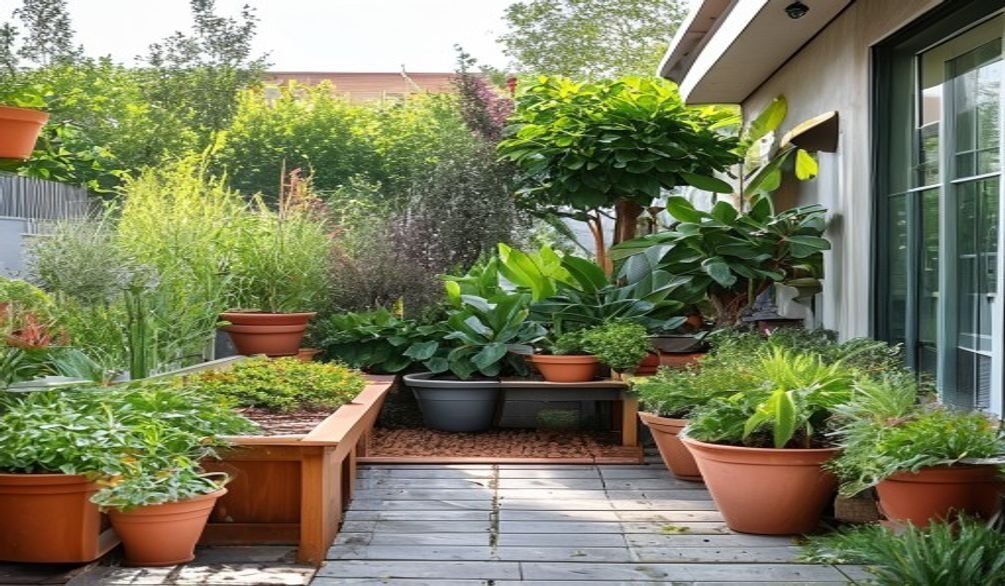
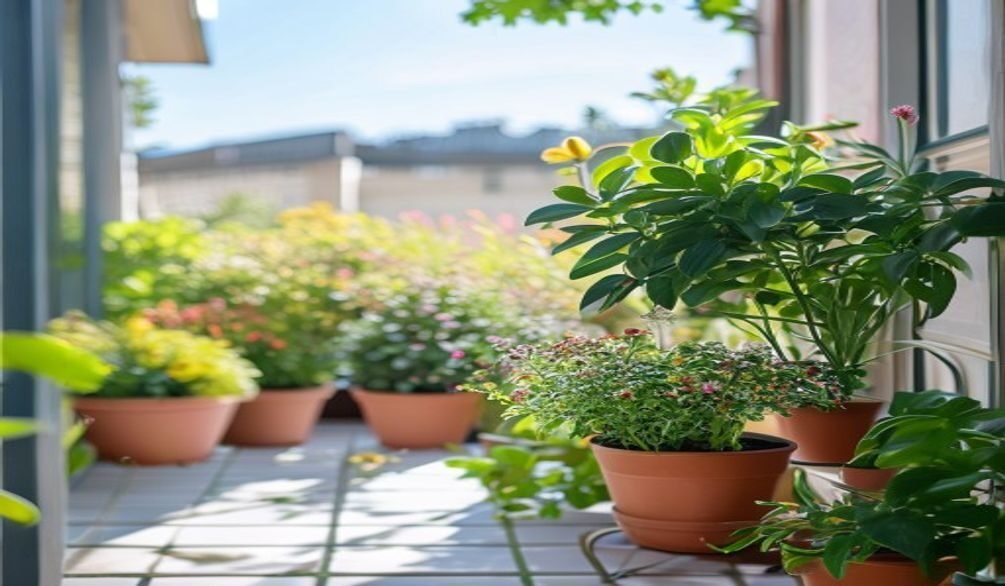
Winter container gardening ideas offer a fantastic way to bring vibrant color close to your home, particularly on patios, balconies, and near entryways. Potted displays provide flexibility, allowing you to move plants to more sheltered locations during extreme cold. The key is selecting plants that perform well in confined spaces and offer sustained interest.
Creating Eye-Catching Potted Displays
For striking winter pots, focus on a mix of textures and heights, not just blooms.
- Pansies and Violas: These are absolute stars for pots, offering a huge range of colors and patterns. They’re resilient and provide continuous bloom through mild winters.
- Hellebores: Their elegant, long-lasting flowers are perfect for a sophisticated container display. Pair them with evergreen foliage for a stunning contrast.
- Miniature Conifers: These provide structure and evergreen interest. Look for dwarf varieties of juniper, cypress, or spruce.
- Winter Heaths (Erica carnea): These low-growing shrubs offer small, bell-shaped flowers in shades of pink, purple, and white, providing dense color.
- Ornamental Cabbage and Kale: While not flowers, their vibrant, ruffled foliage in shades of purple, pink, and cream intensifies with cold, making them excellent choices for bold winter container gardening.
Remember, “You should place potted plants in warmer areas to keep the root ball from freezing for days on end,” as advised by the N.C. Cooperative Extension. This simple step can make all the difference in keeping your flowers that bloom in winter in pots alive and well.
Easiest Winter Flowers to Grow for Beginners
If you’re new to gardening or simply looking for low-maintenance options, several winter annuals for color are incredibly forgiving and deliver beautiful results with minimal fuss. These selections are perfect for building confidence and experiencing the joy of winter blooms without extensive effort. Starting with easier choices ensures a positive experience.
Foolproof Choices for a Colorful Winter
For beginners, the goal is success, and these plants virtually guarantee it:
- Pansies and Violas: Again, these are your best friends. They’re widely available, inexpensive, and incredibly tough. Plant them in well-drained soil in a sunny spot, and they’ll reward you with continuous blooms.
- Calendula: These cheerful flowers are remarkably easy to grow from seed or transplant. They tolerate a range of conditions and bring bright, sunny colors to even the gloomiest winter days.
- Winter Sowing: For many cold-hardy annuals, winter sowing is a fantastic, low-effort method. As The Tattered Pew suggests, “If a flower self-seeds or is labeled cold hardy, it’s usually a great place to start.” This technique involves planting seeds outdoors in miniature greenhouses (like milk jugs) during winter, letting nature handle the stratification and germination.
These options make it simple to introduce fragrant winter flowers and vibrant hues into your landscape, proving that anyone can enjoy a colorful garden year-round.
Planning for Year-Round Interest: Winter to Spring Transitions
A truly exceptional garden isn’t just beautiful in one season; it offers continuous visual interest, seamlessly transitioning from winter’s chill to spring’s awakening. This means thinking about succession planting and choosing plants with multi-season appeal to ensure your landscape always has something captivating to offer. The “winning angle” for a dynamic winter garden truly lies in this holistic, year-round strategy.
Seamlessly Blending Seasons
To achieve a smooth transition, consider plants that offer interest in multiple seasons. For example, some evergreen shrubs winter interest also provide beautiful spring foliage or summer flowers. Pair your late winter blooms, like hellebores, with early spring bulbs such as crocus, snowdrops, and daffodils. These bulbs can be planted in the fall, ready to emerge as your winter flowers begin to fade, creating a continuous wave of color. Planning for year-round beauty means selecting plants that overlap their bloom times or offer different forms of interest throughout the year.
Strategic Planting for Continuous Blooms
Think about layering your garden, with lower-growing winter flowers like pansies at the front of beds, backed by structural evergreen shrubs. As spring approaches, these can give way to emerging bulbs, followed by early spring perennials. This thoughtful arrangement ensures that as one plant finishes its show, another is just beginning, maintaining a dynamic and engaging landscape. The popularity of gardening for sustained interest is clear, with a record 63.6% of respondents in 2026 stating they would plant more and expand their gardens, reflecting a desire for year-round beauty.
Do Winter Flowers Come Back Every Year?
The question of whether do winter flowers come back every year depends largely on whether they are classified as annuals, perennials, or biennials, and your specific USDA hardiness zone. Understanding these classifications is crucial for planning a sustainable winter garden.
Annuals, Perennials, and Biennials in Winter
The short answer is: some do, some don’t.
- Winter Annuals: Plants like pansies, violas, and calendula are typically grown as annuals in most climates. This means they complete their life cycle within one growing season and will not return the following year. However, in very mild winter climates, they might “perennialize” or self-seed, giving the appearance of returning.
- Winter Perennials: Many true winter bloomers, such as hellebores and some varieties of winter heather (Erica), are perennials. These plants establish a root system that allows them to return year after year, often growing larger and more robust with each passing season.
- Winter Shrubs: Deciduous and evergreen shrubs that offer winter interest, like Winterberry Holly or Winter Jasmine, are woody perennials that come back reliably each year, providing structure and color.
Always check the plant tag or description for its specific hardiness zone and whether it’s an annual or perennial in your region. This information will guide your expectations and planting choices. For those looking to understand hardiness zones better, our Gardening Zones for Beginners: Essential Guide offers valuable insights.
Frequently Asked Questions
What flowers can withstand winter?
Many flowers are surprisingly resilient and can withstand winter, especially in milder climates. Top choices include pansies, violas, hellebores, winter jasmine, and calendula, which are known for their ability to bloom through frost and even light snow. These cold-hardy plants are specifically adapted to cooler temperatures, bringing vibrant color to your landscape when most other plants are dormant.
How do you keep flowers alive in cold weather?
To keep flowers alive in cold weather, focus on protection and proper care. Plant cold-hardy varieties in sheltered areas, provide extra water before a hard freeze, and use row covers or cold frames for insulation. For potted plants, move them to warmer, protected spots to prevent the root ball from freezing, as advised by the N.C. Cooperative Extension.
What flowers bloom in winter in pots?
Several flowers bloom beautifully in pots during winter, allowing for flexible, vibrant displays near your home. Excellent choices include pansies, violas, hellebores, and winter heaths, which thrive in containers. Incorporating miniature conifers and ornamental cabbage or kale also adds structural interest and color to your winter container gardening.
What is the easiest flower to grow in winter?
The easiest flowers to grow in winter, especially for beginners, are pansies and violas. These cheerful annuals are widely available, inexpensive, and incredibly tough, offering continuous blooms with minimal fuss. Calendula is another foolproof option, easily grown from seed or transplant, bringing bright, sunny colors to your cold-season landscape.
Embracing winter flower gardening ideas truly transforms the coldest months into a season of unexpected beauty, proving that your garden doesn’t have to be dormant. By selecting the right cold-hardy plants, applying thoughtful design principles, and providing essential winter protection, you can cultivate a vibrant, dynamic landscape that offers continuous interest year-round. Don’t let the chill deter you; start planning your winter oasis today and discover the joy of flowers that defy the frost.