
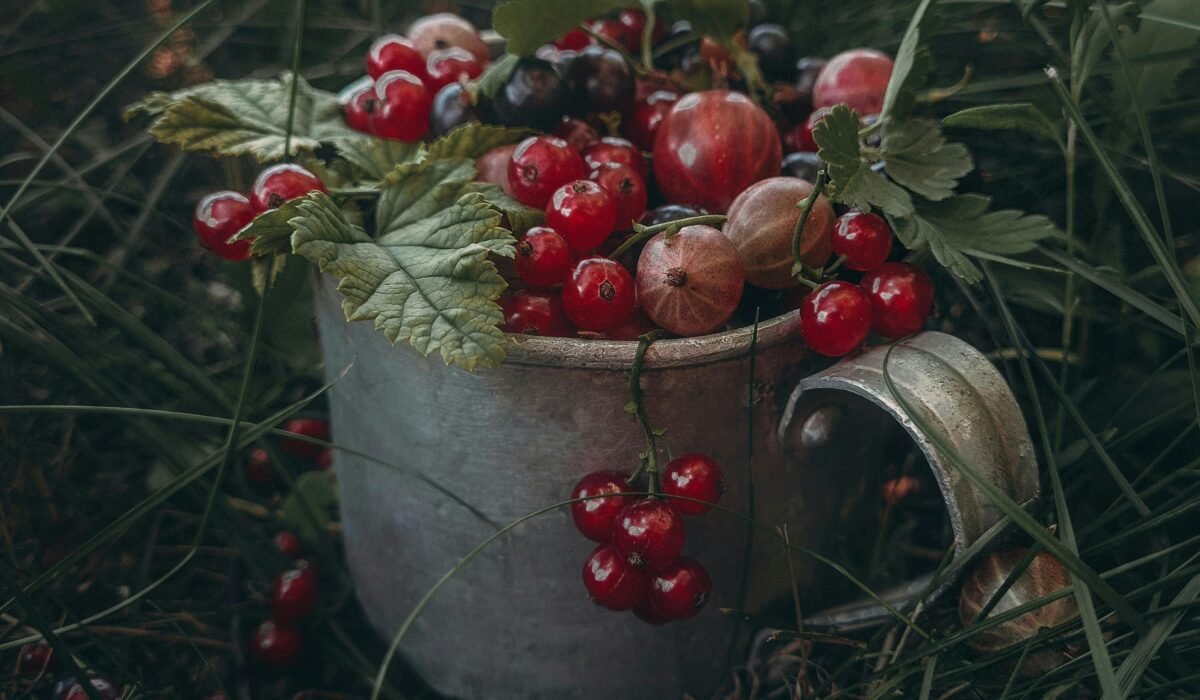
Imagine stepping into your backyard and plucking sun-ripened berries straight from the bush, bursting with flavor far superior to anything from the grocery store. This dream is entirely within reach, even for the most novice gardener! Over 43% of Americans are now growing some kind of food at home, and among the most rewarding and easiest choices for beginners are berry bushes, offering a delightful blend of health benefits, versatility, and sheer deliciousness.
If you’re ready to transform your garden into a vibrant, edible landscape, then embarking on the journey of growing berry bushes is an excellent place to start. This comprehensive guide will walk you through everything you need to know, from selecting the perfect varieties to enjoying your first abundant harvest. Get ready to cultivate your very own berry patch and savor the sweet rewards!
Choosing the Easiest Berry Bushes for Beginners
Starting your berry adventure on the right foot means selecting varieties known for their resilience and generous yields. While many berries are fun to cultivate, some are particularly forgiving for those just learning the ropes of growing berry bushes.
Strawberries are often the first choice for beginners, and for good reason. They are relatively low-maintenance, spread readily, and produce fruit quickly. Everbearing varieties like ‘Ozark Beauty’ or ‘Seascape’ are fantastic, providing a continuous harvest throughout the growing season, making them an ideal “small space fruit” option.
Raspberries and thornless blackberries also rank high on the list of “easiest berries to grow.” Varieties like ‘Heritage’ raspberries are fall-bearing, meaning they produce fruit on new canes, simplifying pruning. Thornless blackberries, such as ‘Black Satin’ or ‘Navaho’, eliminate the prickly challenge, making harvesting a joy rather than a chore. These berries are vigorous growers and, with proper support, can produce bountiful crops.
Blueberries, while requiring specific soil conditions, are incredibly rewarding and popular. Many new compact cultivars are perfect for “container berry gardening,” allowing you to grow them even on patios or balconies. Varieties like ‘Emerald’ or ‘Misty’ are excellent choices for beginners, especially in warmer climates. Beyond these classics, consider unique options like honeyberries, which are gaining popularity for their hardiness and blueberry-like flavor with less fuss.
Considering Your Space and Climate
Before you commit, think about your available space. Strawberries can thrive in ground beds, raised beds, or hanging baskets. Raspberries and blackberries often require trellising or support due to their vining nature. Blueberries are excellent as standalone bushes or integrated into “edible landscaping.”
Your local climate also plays a significant role. Ensure the berry varieties you choose are suitable for your USDA plant hardiness zone. Most berry bushes require a certain number of “chill hours” (hours below 45°F/7°C) to produce fruit, so check the specific requirements for your chosen plants.
Soil Preparation & pH Management for Thriving Berries
The foundation of an abundant berry harvest lies in healthy, well-prepared soil. Berry bushes, like all plants, are particular about their growing medium, and understanding their preferences is key to success.
The first and most crucial step is to perform a soil test. This will tell you your soil’s current pH level and nutrient composition, guiding your amendments. You can purchase a DIY kit or send a sample to your local extension office. Knowing your soil’s baseline is essential for effective “soil pH for blueberries” and other berry types.
Most berry bushes prefer well-drained, moist soil rich in organic matter. They generally do not tolerate “wet feet” or consistently waterlogged conditions, which can lead to root rot. To improve drainage and add nutrients, amend your soil generously with compost or well-rotted manure before planting. This also supports “organic berry growing” practices from the start.
Targeting the Right pH for Each Berry
Soil pH is especially critical for blueberries, which are acid-loving plants. They thrive in a pH range of 4.5 to 5.5. If your soil pH is too high, you can lower it by incorporating elemental sulfur, peat moss, or specialized acidic potting mixes. For existing plants, acidic fertilizers (like those formulated for rhododendrons or azaleas) can help maintain the desired pH. The University of Connecticut Extension provides excellent guidance on fertilizing blueberries, including pH management.
Raspberries and blackberries are a bit more flexible, preferring a slightly less acidic to neutral pH range of 5.5 to 6.5. If your soil is too acidic for these, you can raise the pH by adding agricultural lime. Always follow soil test recommendations for amendment amounts, as over-amending can be detrimental.
For strawberries, a pH between 5.5 and 6.8 is ideal. They are quite adaptable but will benefit greatly from rich, loamy soil. Remember that healthy soil is a living ecosystem, so continuously enriching it with organic matter will benefit all your “home berry garden” plants.
Sunlight, Watering, and Mulching: Essential Berry Care
Once your berry bushes are in the ground, providing consistent care is paramount for healthy growth and a bountiful harvest. Getting the basics right—sunlight, water, and mulch—will significantly contribute to your success in “growing berry bushes.”
The Power of Sunlight
Most berry bushes are sun worshippers. They require at least 6-8 hours of direct sunlight per day to produce abundant fruit. Without adequate sun, your plants may grow but produce few, if any, berries. Choose a location in your garden that receives full sun exposure throughout the day. If you’re doing “container berry gardening” on a balcony, ensure your pots are placed in the sunniest spot available.
Watering Wisdom for Berry Bushes
Consistent moisture is vital for berry bushes, especially during flowering and fruit development. They need about 1 inch of water per week, either from rainfall or irrigation. However, “berry bush care” also means ensuring excellent drainage. While they like consistent moisture, they hate soggy feet.
Water deeply and regularly, especially during dry spells. Drip irrigation or soaker hoses are excellent methods as they deliver water directly to the root zone, minimizing evaporation and discouraging fungal diseases on foliage. For more detailed tips on watering, check out our guide on Watering Plants: How Much & How Often for Plant Success.
The Magic of Mulch
Mulching is a simple yet incredibly effective practice for any “home berry garden.” A 2-4 inch layer of organic mulch around your berry bushes offers numerous benefits:
- Moisture Retention: Mulch acts as a blanket, reducing water evaporation from the soil, meaning you’ll need to water less frequently.
- Weed Suppression: It blocks sunlight from reaching weed seeds, keeping competing plants at bay and reducing your weeding chores.
- Temperature Regulation: Mulch insulates the soil, keeping roots cooler in summer and warmer in winter.
- Soil Enrichment: As organic mulches break down, they slowly add valuable nutrients and improve soil structure.
For blueberries, pine needles, shredded bark, or wood chips are excellent choices, as they help maintain the acidic soil conditions they prefer. Straw or compost works well for raspberries, blackberries, and strawberries. Ensure the mulch doesn’t directly touch the plant stems to prevent rot and pest issues.
Pruning & Protecting Your Berry Bushes from Pests
Regular pruning and vigilant pest management are crucial aspects of “berry bush care” that ensure healthy plants and maximize your harvest. Don’t be intimidated by pruning; it’s a straightforward process that becomes easier with practice.
The Art of Pruning Berry Plants
Pruning encourages new, productive growth, improves air circulation, and removes diseased or dead wood. The best time for most “pruning berry plants” is during their dormant season, typically late winter or early spring before new growth emerges. Specific techniques vary by berry type:
Raspberries and Blackberries: These often produce fruit on canes that are one or two years old.
- Floricanes: These are second-year canes that produce fruit and then die. After harvesting, cut these old, spent canes down to the ground.
- Primocanes: These are first-year canes that will produce fruit next year (or in the fall for everbearing varieties). Thin these to 4-6 of the strongest canes per foot of row.
- Dead or Diseased Wood: Always remove any canes that appear dead, damaged, or show signs of disease.
For more general pruning guidance, you might find our article on Master Pruning Backyard Fruit Trees for Big Harvests helpful, as many principles apply.
Blueberries: Prune blueberries to maintain an open, productive bush. Remove any weak, crossing, or low-lying branches. Older, less productive canes (typically those thicker than 2 inches in diameter) can be cut back to the ground to encourage new, vigorous growth. Aim to remove about 20-30% of the oldest wood each year.
Strawberries: While not technically “bushes,” strawberries benefit from renovation. After the main harvest, you can mow down the foliage of June-bearing varieties to about 1 inch high. This encourages new growth and runners for the next season. Everbearing varieties generally don’t require this intensive renovation but benefit from removing old, unproductive leaves and runners.
Protecting Your Berries from Pests and Diseases
An “organic berry growing” approach focuses on prevention and natural solutions. Healthy plants are naturally more resistant to pests and diseases.
- Birds: These are often the biggest threat to ripening berries. The most effective solution is netting. Drape bird netting over your bushes as the fruit begins to ripen, securing it at the base to prevent birds from getting underneath.
- Insects: Common pests include aphids, Japanese beetles, and berry borers.
- Aphids: Blast them off with a strong stream of water or use insecticidal soap. Encourage beneficial insects like ladybugs.
- Japanese Beetles: Hand-pick them in the early morning and drop them into a bucket of soapy water.
- Organic Sprays: Neem oil can be effective against a range of soft-bodied insects and also has some fungicidal properties. Always follow product instructions.
- Diseases: Fungal issues like powdery mildew and leaf spots can occur, especially in humid conditions.
- Good Air Circulation: Proper spacing between plants and regular pruning to open up the canopy significantly reduce disease risk.
- Sanitation: Remove and destroy any diseased leaves or canes promptly to prevent spread.
- Watering: Water at the base of the plant to keep foliage dry, which discourages fungal growth.
Regularly inspect your plants for any signs of trouble. Early detection makes pest and disease management much easier and often allows for less invasive solutions.
Top Berry Varieties for Your Home Garden
Selecting the right berry varieties is exciting, offering a chance to tailor your “home berry garden” to your tastes and growing conditions. Here are some of the most reliable and rewarding choices for beginners, keeping in mind the trends towards “small space fruit” and “container berry gardening.”
Strawberries: The Groundcover Delight
Strawberries are incredibly versatile and can be grown in traditional beds, raised beds, hanging baskets, or containers.
- Everbearing Varieties: ‘Ozark Beauty’, ‘Seascape’, ‘Albion’. These produce fruit throughout the spring, summer, and fall, making them excellent for continuous harvests.
- June-bearing Varieties: ‘Honeoye’, ‘Allstar’, ‘Chandler’. These produce one large crop in late spring to early summer, perfect for canning or freezing.
Plant strawberries 12-15 inches apart, allowing runners to fill in for a dense patch.
Raspberries: The Cane Fruit King
Raspberries come in red, black, purple, and even yellow varieties. They require some support, like a trellis or wires, to keep their canes upright.
- Red Raspberries: ‘Heritage’ (fall-bearing, very popular for beginners), ‘Caroline’ (another excellent fall-bearer), ‘Latham’ (summer-bearing).
- Black Raspberries: ‘Bristol’, ‘Jewel’. These have a distinct, intense flavor.
- Yellow Raspberries: ‘Fallgold’ offers a sweeter, milder flavor.
Plant raspberries 2-3 feet apart within rows, allowing enough space for air circulation.
Blueberries: The Antioxidant Powerhouse
Blueberries are renowned for their health benefits and delicious taste. Remember their need for acidic soil. Many varieties are suitable for “container berry gardening.”
- Southern Highbush: ‘Emerald’, ‘Sharpblue’, ‘Misty’. These are excellent for warmer climates, have lower chill hour requirements, and some are evergreen.
- Northern Highbush: ‘Bluecrop’, ‘Duke’, ‘Patriot’. These are cold-hardy and widely grown in cooler regions.
- Unique Varieties: ‘Pink Popcorn’ offers beautiful pink berries with a sweet flavor, adding ornamental value.
Plant blueberries 4-5 feet apart, as they can grow into substantial bushes. Consider planting at least two different varieties for better cross-pollination and increased yields, as Oregon State University Extension highlights the benefits of diverse berry plantings.
Blackberries: Sweet and Simple
Thornless blackberry varieties have revolutionized growing this delicious fruit, making it much more accessible. Like raspberries, they benefit from support.
- Thornless Trailing: ‘Black Satin’, ‘Navaho’, ‘Triple Crown’. These produce large, sweet berries and are easier to manage without thorns.
- Erect Thornless: ‘Ouachita’, ‘Apache’. These varieties are more self-supporting but still benefit from some guidance.
Space blackberries 2-7 feet apart, depending on the variety’s growth habit.
Beyond the Basics: Explore New Flavors
Don’t be afraid to experiment with other interesting berry types:
- Honeyberries (Haskap): Resembling elongated blueberries, these are extremely cold-hardy and require less fuss than blueberries.
- Goji Berries: Nutrient-dense berries that grow on hardy shrubs, known for their unique flavor and health benefits.
- Elderberries: Hardy, fast-growing shrubs that produce clusters of dark berries, excellent for jams, jellies, and wines. A single plant can yield 5-10 pounds of berries annually.
The world of “growing berry bushes” is vast and full of delicious possibilities!
Harvesting Your Abundant Berry Crop
The moment you’ve been waiting for – harvesting your delicious, homegrown berries! This is the ultimate reward for your hard work and attention to “berry bush care.” Knowing when and how to harvest properly ensures you get the best flavor and extend your picking season.
When to Pick
The timing of your harvest depends on the berry type and variety, but a few general signs indicate ripeness:
- Color: Most berries change to their characteristic deep, rich color when ripe. Red raspberries will be bright red, black raspberries deep black, and blueberries will have a dusty blue bloom.
- Ease of Detachment: A ripe berry will gently pull away from the stem with little effort. If you have to tug hard, it’s likely not ready and will be tart.
- Taste: For many berries, a quick taste test is the best indicator. A truly ripe berry will be sweet and flavorful, not sour or bland.
Start checking your plants daily once the first berries begin to show color, as many ripen quickly, especially in warm weather. For more insights on fruit and berry growing, the NC Cooperative Extension offers valuable resources.
How to Harvest Gently
Handle your ripe berries with care, as they are delicate and can bruise easily.
- Strawberries: Snip or pinch the stem just above the cap, leaving the cap attached. This helps them last longer.
- Raspberries and Blackberries: Gently grasp the berry and tug. If it’s ripe, it will release easily from its core.
- Blueberries: Roll the berries between your thumb and forefinger. Ripe ones will detach effortlessly.
Harvest early in the morning after the dew has dried, as berries are firmest and coolest at this time, which helps with storage.
Storing Your Fresh Berries
Fresh berries are best enjoyed immediately, but you can store them for a few days:
- Refrigeration: Place unwashed berries in a single layer on a paper towel-lined tray or in a breathable container. Wash them just before eating to prevent spoilage.
- Freezing: For longer storage, freeze berries. Wash and dry them thoroughly, then spread them in a single layer on a baking sheet. Once frozen solid, transfer them to freezer bags or containers. This method is perfect for smoothies, jams, and baking.
With proper care, your “growing berry bushes” will provide you with a continuous supply of delicious, healthy fruit for years to come.
Embarking on the journey of growing berry bushes is one of the most rewarding gardening endeavors you can undertake. From the initial excitement of choosing your plants to the sweet satisfaction of harvesting your own abundant crop, every step is a joy. By focusing on easy-to-grow varieties, preparing your soil correctly, and providing consistent care, you’ll soon be enjoying fresh, flavorful berries straight from your backyard.
So, what are you waiting for? Take the leap and start your berry patch today. Your taste buds—and your garden—will thank you! Which berry bush will you plant first?







