
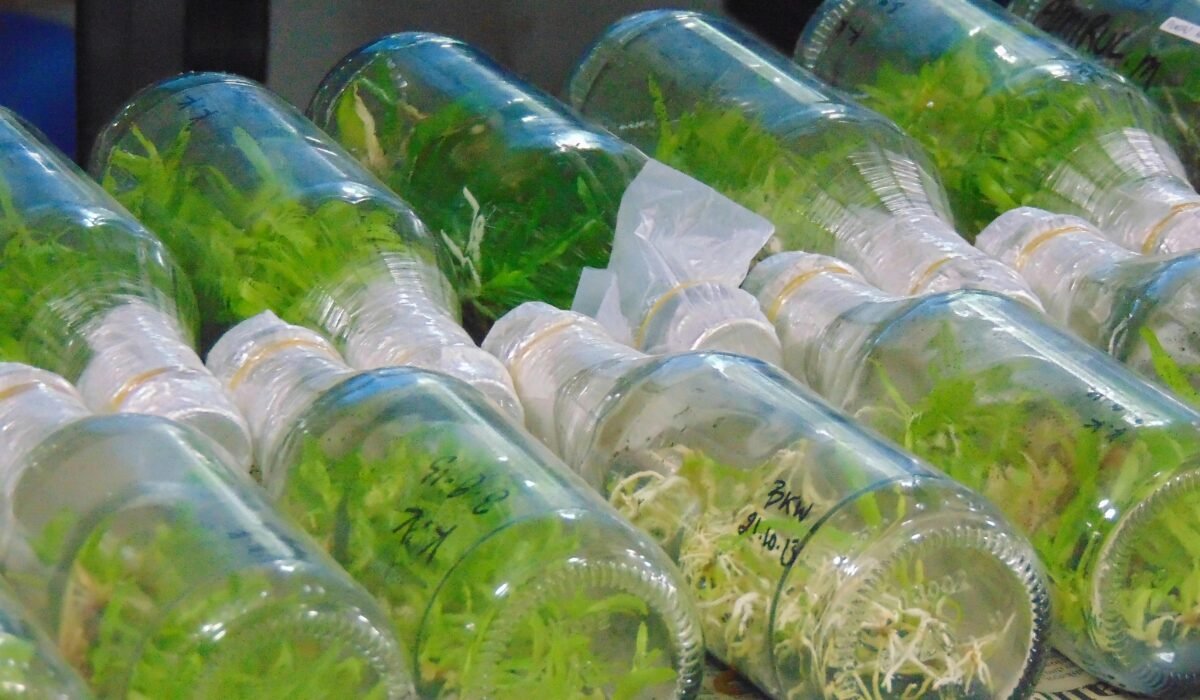
Imagine stepping into your kitchen and plucking fresh, fragrant herbs directly from your windowsill or garden. This dream is entirely achievable, and often more affordable than continuously buying potted plants or sprigs from the grocery store. The secret lies in understanding the two primary methods of creating new herb plants: propagating herbs cuttings seeds.
Whether you’re a seasoned gardener or just starting your green journey, mastering these techniques will unlock an endless supply of basil for your pesto, mint for your tea, or rosemary for your roasted potatoes. Let’s delve into the world of herb propagation, comparing cuttings and seeds to help you decide which method is best for your gardening goals.
Cuttings vs. Seeds: Understanding the Basics of Herb Propagation
At its core, plant propagation is the process of creating new plants from existing ones. For herbs, this typically boils down to two distinct approaches: taking cuttings or growing from seeds.
Propagating herbs from cuttings is a form of asexual reproduction. This means you take a piece of an existing “mother” plant, like a stem or leaf, and encourage it to grow roots and develop into a new, independent plant. The crucial characteristic of this method is that the new plant is an exact genetic replica – a clone – of the parent.
Conversely, growing herbs from seeds involves sexual reproduction. Seeds are the result of pollination and fertilization, carrying genetic material from two parent plants (or self-pollination). This introduces genetic diversity, meaning the offspring might have slightly different traits from the parent plant, such as variations in flavor, growth habit, or disease resistance.
Pros and Cons: When to Choose Cuttings for Your Herbs
Propagating herbs from cuttings offers unique benefits, particularly if you have a favorite herb plant you wish to duplicate precisely. This method is often favored for its speed and reliability in certain situations.
The Advantages of Cuttings
One of the most compelling reasons to grow herbs from cuttings is the speed of establishment. Cuttings bypass the delicate seedling stage, often rooting and growing into a substantial plant much faster than a seed would. You’re effectively giving the new plant a head start.
Another significant advantage is genetic consistency. When you take a cutting, you create an exact clone of the parent plant. This means if you have a basil plant with exceptional flavor or a rosemary bush with a perfect growth habit, you can replicate those desirable traits precisely. This ensures an “endless supply” of your favorite varieties.
For many common culinary herbs, rooting herb cuttings is surprisingly easy, making it an excellent herb propagation technique for beginners. It’s also incredibly cost-effective, as you can transform one purchased plant into many without buying more seeds or plants.
The Disadvantages of Cuttings
While cuttings are fantastic, they do come with their own set of challenges. Firstly, you need an existing, healthy parent plant to take cuttings from. If you’re starting from scratch, this isn’t an option.
There’s also a risk of transferring pests or diseases from the parent plant to the new cutting. Always inspect your mother plant carefully before taking snips. Finally, some herbs are simply not suitable for propagation by cuttings, or they require more specific initial care, such as precise humidity levels or the use of rooting hormones, to ensure success.
Pros and Cons: When to Grow Herbs from Seeds
Starting herbs from seed is a time-honored tradition that offers a different set of rewards and considerations. It’s a journey of patience and observation, often yielding a greater quantity of plants.
The Advantages of Seeds
Growing herbs from seeds is typically the most cost-effective method, especially if you want to grow a large number of plants. A single packet of seeds can contain dozens, if not hundreds, of potential plants for just a few dollars. Seeds also have a longer storage life than cuttings, often remaining viable for several years if stored correctly.
The genetic diversity offered by seeds can be an advantage. While you might not get an exact clone, the slight variations can lead to plants with improved disease resistance, unique flavors, or better adaptation to your specific growing conditions. This natural selection process can result in stronger, more resilient herbs over time.
Furthermore, the variety of herbs available as seeds is generally much wider than what you’ll find as live plants or suitable for cuttings. This opens up a world of rare or exotic herb possibilities for the adventurous gardener.
The Disadvantages of Seeds
The most significant drawback of starting herbs from seed is the time it takes. Seeds need to germinate, and then the seedlings must grow and mature before they’re ready for harvest. This process can take weeks or even months, depending on the herb.
Germination rates can also be unpredictable, typically ranging from 70-90% under ideal conditions, meaning not every seed will sprout. Seedlings are delicate and require consistent care, including proper moisture, light, and temperature, making them susceptible to issues like “damping-off” disease. The genetic variability, while sometimes a benefit, can also mean inconsistent results if you’re looking for a very specific trait.
Which Herbs Propagate Best by Cuttings? (Examples)
If you’re looking for the easiest herbs to propagate via cuttings, many popular culinary herbs are excellent candidates. These herbs readily form roots in water or a moist growing medium, making them ideal for beginners wanting to grow herbs from cuttings.
- Mint (Peppermint, Spearmint, Chocolate Mint, etc.): Mint is perhaps the easiest herb to root from cuttings. Simply place a stem in water, and you’ll often see roots within one to two weeks.
- Basil: Another fantastic choice, basil cuttings root quickly in water or soil, providing a continuous supply for your kitchen.
- Rosemary: While it has a woody stem, rosemary roots well from cuttings, especially if you use new, green growth. It’s generally more successful this way than from seed.
- Sage: Similar to rosemary, sage cuttings, particularly from softer growth, root reliably.
- Oregano: Both Greek and Italian oregano varieties are easy to propagate from stem cuttings.
- Thyme: Take softwood cuttings from thyme for good rooting success.
- Lemon Balm: This fragrant herb is a vigorous grower and roots easily from cuttings.
- Stevia: If you love this natural sweetener, you can easily multiply your plants from cuttings.
- Tulsi (Holy Basil): A medicinal herb that readily roots from stem cuttings.
- Lemon Verbena: Known for its intense lemony scent, lemon verbena also propagates well from cuttings.
These herbs are perfect for indoor herb propagation, allowing you to maintain a fresh supply year-round, even in small spaces.
Which Herbs Thrive from Seeds? (Examples)
For other herbs, especially many annuals, starting herbs from seed is the most straightforward and traditional method. These herbs either don’t root well from cuttings or their growth habit makes seed starting more practical.
- Dill: A classic example of an annual herb that thrives from direct sowing. Dill doesn’t transplant well, so seeds are the preferred method.
- Cilantro: Another annual that prefers direct sowing. Cilantro can be tricky as it bolts quickly in warm weather, but consistent seed starting ensures a continuous harvest.
- Parsley: While slow to germinate, parsley is almost exclusively grown from seed.
- Chives: These oniony herbs are very easy to grow from seed and establish quickly.
- Basil: While it roots well from cuttings, basil is also incredibly easy and rewarding to grow from seed, allowing for large batches.
- Lemon Balm: This versatile herb can be started from both seeds and cuttings with good success.
- Oregano: Like basil and lemon balm, oregano is quite flexible and can be grown effectively from seed.
When you’re looking to start a large patch of an annual herb or want to experiment with different varieties, starting herbs from seed is often your best bet.
Step-by-Step: Propagating Herbs from Cuttings
Ready to try your hand at turning one plant into many? Here’s a simple guide to rooting herb cuttings successfully, an excellent plant propagation technique for beginners.
- Select a Healthy Parent Plant: Choose a vigorous, disease-free herb plant. Look for stems that are actively growing, not flowering or struggling.
- Take Your Cuttings: Using clean, sharp scissors or pruners, snip off 3-5 inch pieces from the tips of the stems. Make your cut just below a “node” – the point where leaves or branches emerge. This area is rich in hormones that promote root growth.
- Prepare the Cuttings: Remove all leaves from the bottom 1-2 inches of the stem. These submerged leaves would rot in water or soil, potentially causing disease. If desired, you can dip the cut end into a rooting hormone (either synthetic like IBA-based powders or gels, or natural alternatives like willow water or cinnamon powder for antifungal properties). Learn more about rooting hormones from The Old Farmer’s Almanac.
-
Choose Your Rooting Medium:
- Water: For easy rooters like mint and basil, simply place the prepared cuttings in a glass of water, ensuring no leaves are submerged. Change the water every few days to keep it fresh.
- Moist Potting Mix: For herbs like rosemary or sage, or if you prefer a direct-to-soil method, insert the cuttings into small pots filled with a sterile, well-draining seed starting mix or perlite. Make a small hole first to avoid damaging the stem.
- Provide Ideal Conditions: Place your cuttings in a warm location with bright, indirect light. High humidity is crucial for success. You can achieve this by covering the pots with a clear plastic dome, a plastic bag, or placing them in a mini-greenhouse.
- Monitor and Transplant: Roots typically appear within 2-4 weeks, though some herbs take longer. Once roots are about 1-2 inches long (or when you feel resistance if rooting in soil), gently transplant your new herb plants into larger pots with regular potting mix. Continue to provide consistent moisture and light as they establish.
Essential Tips for Successful Seed Starting
Starting herbs from seed can be incredibly rewarding, giving you a sense of accomplishment as you watch tiny sprouts emerge. To maximize your success, especially as a beginner, follow these essential herb gardening tips.
Choosing the Right Seeds and Supplies
The foundation of successful seed starting begins with quality materials. Always purchase seeds from reputable sources to ensure good viability. Check the seed packet for the “packed for” date; fresher seeds generally have higher germination rates.
For your growing medium, opt for a sterile, lightweight seed starting mix. This provides excellent drainage and aeration, crucial for delicate seedlings. Avoid using garden soil, which can be too heavy and may contain pathogens or weed seeds. You’ll also need appropriate containers, such as seed trays with drainage holes, small pots, or biodegradable peat pots. Many commercial options, like the Burpee Culinary Herb Seed Starter Kit or Epic Gardening Seed Starting Kits, provide all-in-one solutions for beginners. Explore seed starting kits from Burpee.
Key Steps for Germination Success
- Proper Planting Depth: A general rule of thumb is to sow seeds at a depth twice their diameter. Very small seeds, like those of thyme or oregano, often need only to be gently pressed onto the surface of the soil, as they require light to germinate. Always check the specific instructions on your seed packet.
- Consistent Moisture: Keep the seed starting mix consistently moist, but never waterlogged. Use a spray bottle for gentle watering or bottom-water by placing your seed trays in a shallow pan of water until the top of the soil appears moist. This prevents disturbing tiny seeds. For more general watering advice, check out our guide on Watering Plants: How Much & How Often for Plant Success.
- Optimal Warmth: Most herb seeds germinate best in temperatures between 70-75°F (21-24°C). A seed-starting heat mat can be incredibly beneficial for maintaining consistent warmth, especially for indoor herb propagation in cooler environments.
- Adequate Light: Once your seeds have germinated, they need plenty of light to prevent them from becoming leggy. A sunny south-facing window can work, but supplemental grow lights are often necessary for strong, healthy seedlings, especially during shorter winter days.
- Good Air Circulation: Proper air circulation helps prevent fungal diseases like damping-off, which can quickly wipe out young seedlings. A small fan set on a gentle setting can help.
- Patience and Observation: Germination times vary greatly between different herb species. Some might sprout in a few days, while others take weeks. Be patient, continue to provide the right conditions, and observe your seedlings closely for any signs of trouble.
By following these guidelines, you’ll be well on your way to a thriving garden filled with herbs started from scratch.
Propagating herbs, whether through cuttings or seeds, is a rewarding aspect of gardening that connects you more deeply with your plants and the food you eat. Each method has its unique charm and benefits, catering to different herbs, gardening goals, and levels of experience.
The choice between propagating herbs cuttings seeds ultimately depends on your specific needs: Do you want an exact clone of a favorite plant and faster results? Go for cuttings. Are you looking for genetic diversity, cost-effectiveness for large quantities, and a wider variety of options? Seeds are your answer.
Don’t be afraid to experiment with both techniques! Many herbs, like basil, mint, and oregano, can be successfully grown using either method, giving you the flexibility to choose what works best for you. Embrace the journey of growing your own fresh herbs, and enjoy the continuous bounty they bring to your kitchen and garden.
Ready to get your hands dirty? Start propagating your favorite herbs today and enjoy a continuous, fresh supply! For more localized advice and resources on growing herbs, consider reaching out to your local University Extension service.







