
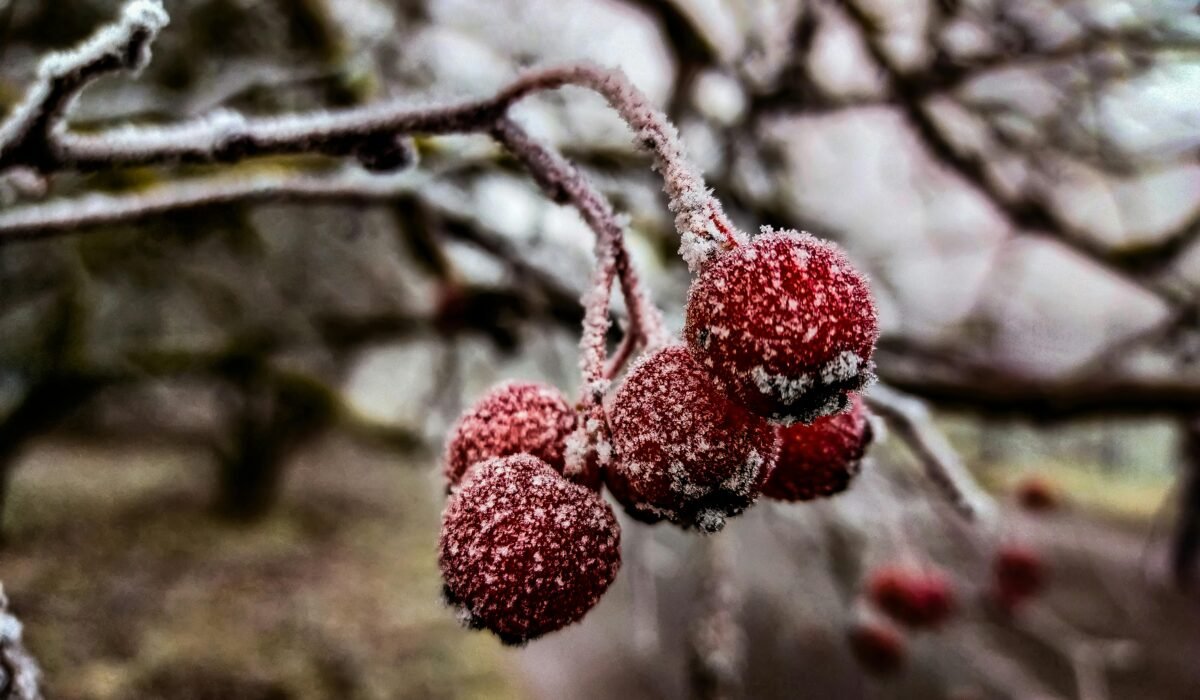
Are you worried about a sudden cold snap ruining your fruit tree harvest or even damaging your beloved trees? Protecting fruit trees from winter frost is one of the most vital tasks for any fruit grower, ensuring your hard work yields delicious results year after year. With unpredictable weather becoming the norm, understanding how to shield your trees from damaging freezes is more crucial than ever.
This comprehensive guide will walk you through everything you need to know, from understanding the subtle signs of frost damage to implementing advanced protection strategies. We’ll cover essential preventative measures, critical temperature thresholds for different fruit types, and even how to safeguard young trees from both cold and curious pests. Get ready to arm yourself with the knowledge to keep your orchard thriving through the chilliest months!
Understanding Winter Frost Damage in Fruit Trees
Fruit trees are remarkably resilient, entering a dormant state in winter to survive the cold. During this period, they gradually build up their cold hardiness. However, this doesn’t make them invincible; they remain vulnerable to several types of winter injury, especially when temperatures fluctuate wildly.
One common and often devastating issue is southwest trunk injury, also known as sunscald. This occurs when the winter sun heats the bark on the southwest side of the trunk to high temperatures, sometimes 80-90°F (27-32°C). This warmth causes the cambial tissue – the vital layer beneath the bark that produces new wood and bark – to lose its hardiness. When night falls and temperatures plummet rapidly, this de-hardened tissue freezes and dies.
The result is often vertical cracks, darkened areas of cambium, and sometimes even the slow death of the tree within a year. I’ve seen firsthand how a seemingly minor crack can lead to a tree’s decline, making preventative measures for tree sunscald protection absolutely critical. Early fall freezes or late spring frosts are particularly dangerous, as trees might not be fully hardened off or new, tender growth has already emerged.
Critical Temperature Thresholds for Different Fruit Types
One of the biggest lessons in protecting fruit trees frost is that not all fruits, or even all stages of a single fruit, are created equal when it comes to cold tolerance. The critical temperature at which damage occurs varies significantly depending on the fruit type and its specific stage of bud development. Understanding these thresholds is key to effective frost damage prevention trees.
For instance, an apple tree’s “Silver Tip” bud stage can typically withstand temperatures down to 15°F (-9.4°C) with only about a 10% loss of fruit. However, if that same bud stage experiences a drop to 2°F (-16.7°C), you could face a devastating 90% fruit loss. Move to “Full Bloom,” and apples become far more sensitive: just 28°F (-2.2°C) can cause 10% fruit loss, and 25°F (-3.9°C) can wipe out 90% of the crop.
Stone fruits like peaches are notoriously susceptible. A temperature of 28°F (-2.2°C) can potentially kill 10% of flowers in full bloom, and a sustained period of 24°F (-4.4°C) for over 30 minutes can kill 90%. It’s truly fascinating how resilient trees are, yet how delicate their reproductive parts can be. Generally, if temperatures are expected to dip below 32°F (0°C) and your trees have swelling buds or open blossoms, it’s time to consider active protection.
Essential Preventative Measures Before Winter
Proactive winter fruit tree care is your best defense against frost damage. By taking a few key steps before the deep cold sets in, you can significantly boost your trees’ resilience. These measures help your trees naturally build cold hardiness and create a protective microclimate around them.
Hydration is Key
Ensure your trees are well-hydrated before winter arrives. Moist soil retains heat much better than dry soil, slowly releasing it throughout the night. Water-filled cells within the tree are also more insulated against freezing, making a deep watering session before a freeze crucial for frost damage prevention trees.
For more detailed watering techniques, you might find our guide on Watering Fruit Trees: Essential Techniques for Healthy Growth helpful.
Mulching for Insulation
Apply a generous layer of organic mulch around the base of your trees. A 3-4 inch layer of wood chips, straw, or compost, extended out to the drip line, insulates the roots from freezing and thawing cycles. For colder climates, a 6-8 inch layer might be even better. Remember to leave a few inches of space between the mulch and the trunk to prevent rot and discourage pests from nesting too close.
Sunscald Protection
Protecting the trunk of young or thin-barked trees from sunscald is vital. This can be achieved by painting the lower 24-36 inches of the trunk with a 50/50 mix of white latex paint and water. The white color reflects sunlight, preventing the bark from overheating during the day. Alternatively, you can use light-colored tree guards, which also offer physical protection against rodents.
One year, I learned the hard way that even mature trees can suffer sunscald if their bark is thin or damaged. Now, I always make sure to inspect my trees and apply paint if there’s any doubt. This simple step is a powerful component of protecting fruit trees frost.
- Deep Water: Provide thorough watering before freezing temperatures hit.
- Mulch: Apply 3-4 inches (or 6-8 inches in colder areas) of organic mulch around the base, keeping it away from the trunk.
- Paint Trunks: Use a 50/50 white latex paint and water mix on young or thin-barked tree trunks to prevent sunscald.
- Tree Guards: Install light-colored tree guards for added sunscald and pest protection.
- Avoid Late Fertilization: Don’t fertilize fruit trees late in the season, as this can encourage tender new growth susceptible to frost. For more on this, check out our guide on Fertilizing Fruit Trees: Maximize Yield & Health.
Advanced Technologies for Frost Protection
While home gardeners rely on simpler methods, commercial orchards employ sophisticated technologies for orchard frost control methods. It’s amazing how far technology has come in precise temperature management, offering valuable insights even for hobbyists.
Automated Wind Machines
Companies like Orchard-Rite are at the forefront with automated wind machines. These machines feature “Auto-Start” technology, allowing growers to program precise start and stop temperatures, accurate to within +/- 0.5°F (0.3°C). Their “ORCell” system takes it a step further, enabling remote monitoring and control via cellular networks and the internet. This provides live status updates and alerts, giving growers peace of mind. These powerful machines can protect roughly 10-13 acres, raising temperatures by 1-4°F, often enough to save a crop. You can learn more about these innovations on Orchard-Rite’s website.
Advanced Sprinkler Systems
New irrigation technologies are also improving water efficiency for frost protection. The “Flipper sprinkler” is specifically designed for vineyards and fruit walls, significantly reducing water usage by up to 70% while operating safely down to 14°F (-10°C). “Senninger Wobbler Sprinklers” provide uniform, 360° water distribution at low pressure and are wind-resistant, crucial for even coverage. For larger areas, “NaanDanJain 233B Overhead Sprinklers” offer durable, clog-resistant coverage, ensuring consistent frost protection through latent heat release.
Frost Rescue Sprays & Bloom Delaying Compounds
In the aftermath of a frost, some growers turn to “frost rescue sprays.” Post-frost applications of plant growth regulators, such as Promalin for apples and pears, can help increase fruit set if applied within 24 hours of the freeze, provided trees have thawed. This is a reactive measure, but it can make a difference in saving a portion of the crop.
Looking ahead, research is ongoing into sprayable compounds designed to delay fruit tree bloom. Imagine being able to push back the bloom period by a few days or even a week, naturally extending the time before sensitive blossoms emerge. This would significantly reduce their vulnerability to early spring frosts, offering a promising new avenue for proactive frost damage prevention trees.
Your Top Questions on Fruit Tree Frost Protection Answered
When it comes to protecting fruit trees frost, many common questions arise. These are the inquiries I hear most often from fellow gardeners and orchardists, reflecting the practical challenges of safeguarding trees.
At what temperature should I cover my fruit trees?
Generally, you should prepare to cover your fruit trees when temperatures are expected to drop below 32°F (0°C). This is especially true when buds are swelling, showing green tip, or blossoms are open, as these are the most vulnerable stages. Citrus trees, being more sensitive, might need protection at slightly warmer temperatures, perhaps around 35°F (1.7°C). Always check the specific critical temperature chart for your fruit type and its developmental stage.
What are the best materials for covering fruit trees?
For covering fruit trees winter, use breathable materials that can trap radiant heat from the ground. Horticultural fleece, burlap, old sheets, blankets, or specialized frost blankets are excellent choices. These materials allow some air circulation while providing insulation. Avoid using plastic tarps directly on trees, as plastic is not a good insulator when touching foliage, can prevent air circulation, and may cause more damage if it conducts cold directly to the plant tissue.
How does watering help protect fruit trees from frost?
Deep watering trees before a freeze is incredibly important. Moist soil absorbs and retains more daytime heat than dry soil, radiating it slowly throughout the night, which can raise ambient air temperatures slightly around the tree. For severe freezes, continuous overhead irrigation can be used; as water freezes on the plant, it releases latent heat, maintaining the plant tissue temperature at or just above 32°F (0°C).
Should I prune my fruit trees in the fall or winter for frost protection?
Generally, fall pruning is not recommended for frost protection. Pruning can stimulate new, tender growth that is highly susceptible to frost damage and can delay the tree’s natural dormancy process, reducing its cold hardiness fruit trees. The best time for heavy pruning is in late winter or early spring while trees are fully dormant, after the risk of severe cold has passed. Light, corrective pruning can be done at other times, but avoid significant cuts.
Protecting Young Fruit Trees from Winter & Pests
Young fruit trees are particularly vulnerable during their first few winters. Their thinner bark, smaller root systems, and less established cold hardiness fruit trees make them prime targets for both frost damage and winter pests. Protecting fruit trees frost when they are young requires a bit more vigilance.
Beyond the general measures, specific steps are needed for these delicate saplings. Protect their trunks from sunscald and bark splitting using the white latex paint mix (50/50 water) or light-colored tree guards. These guards also offer a physical barrier against hungry rodents.
Apply a 3-4 inch layer of organic mulch around the root zone, ensuring you keep it a few inches from the trunk to prevent moisture buildup and pest harborage. This insulation is even more critical for young trees with less developed root systems.
To protect against common winter pests like voles and rabbits, which can girdle young trunks by chewing the bark, use hardware cloth or plastic mesh guards. Sink these guards a few inches into the soil and extend them at least 18-24 inches up the trunk. This simple barrier can mean the difference between a thriving young tree and one that succumbs to winter damage.
Young trees are like little toddlers; they need extra care and attention to grow strong. Providing this foundational protection in their early years ensures they develop into robust, fruit-bearing adults, capable of withstanding future challenges.
Comprehensive Temperature Chart for Fruit Bud Stages
This chart is a game-changer for precise frost damage prevention trees. It provides nuanced temperature thresholds, helping you understand exactly when your fruit trees are most at risk and allowing for timely intervention. Remember, these are general guidelines, and local conditions can influence actual damage.
| Fruit Type | Bud Stage | 10% Bud Kill (Approx.) | 90% Bud Kill (Approx.) |
|---|---|---|---|
| Apples | Silver Tip | 15°F (-9.4°C) | 2°F (-16.7°C) |
| Green Tip | 20°F (-6.7°C) | 10°F (-12.2°C) | |
| Tight Cluster | 24°F (-4.4°C) | 15°F (-9.4°C) | |
| Pink | 26°F (-3.3°C) | 20°F (-6.7°C) | |
| Full Bloom | 28°F (-2.2°C) | 25°F (-3.9°C) | |
| Peaches | Swollen Bud | 16°F (-8.9°C) | 1°F (-17.2°C) |
| First Pink | 20°F (-6.7°C) | 12°F (-11.1°C) | |
| Full Bloom | 28°F (-2.2°C) | 24°F (-4.4°C) | |
| Shuck Split | 30°F (-1.1°C) | 26°F (-3.3°C) | |
| Pears | Swollen Bud | 15°F (-9.4°C) | 5°F (-15°C) |
| Green Tip | 20°F (-6.7°C) | 10°F (-12.2°C) | |
| Full Bloom | 28°F (-2.2°C) | 25°F (-3.9°C) | |
| Cherries (Sweet) | Swollen Bud | 20°F (-6.7°C) | 10°F (-12.2°C) |
| Full Bloom | 28°F (-2.2°C) | 25°F (-3.9°C) | |
| Plums (European) | Swollen Bud | 15°F (-9.4°C) | 5°F (-15°C) |
| Full Bloom | 28°F (-2.2°C) | 25°F (-3.9°C) | |
| Citrus (General) | Any Stage (Mature Trees) | 28°F (-2.2°C) | 24°F (-4.4°C) |
| Any Stage (Young Trees) | 30°F (-1.1°C) | 26°F (-3.3°C) |
For more detailed and localized information, I highly recommend consulting your local university extension office or agricultural department. For example, Penn State Extension provides excellent resources on orchard management and frost protection specific to different regions.
Frequently Asked Questions
Can I use Christmas lights to protect my fruit trees from frost?
Yes, old-fashioned incandescent Christmas lights (not LED) can provide a small amount of heat that may help protect very young or small fruit trees from light frost. Wrap them gently around the branches and trunk. This method works best for temperatures just barely below freezing and requires careful monitoring to ensure safety and effectiveness.
Do anti-transpirant sprays help with frost protection?
Anti-transpirant sprays are sometimes marketed for frost protection, but their effectiveness is generally limited and debated. They work by forming a thin film on leaves to reduce water loss, which theoretically could help with desiccation during cold, windy conditions. However, they don’t provide significant direct warmth or prevent ice crystal formation within plant cells, which is the primary cause of frost damage.
What is a “radiation frost” and how does it differ from an “advective freeze”?
A radiation frost occurs on clear, calm nights when heat radiates from the ground and plants into the atmosphere, causing temperatures to drop at the surface. It’s localized and often mitigated by covering plants. An advective freeze, or “hard freeze,” involves the movement of a cold air mass, bringing widespread freezing temperatures, often accompanied by wind. Advective freezes are much harder to protect against using localized methods.
Can I save a fruit tree that has already been damaged by frost?
It depends on the extent of the damage. For minor frost damage (e.g., just blossoms or new leaves), the tree may recover and produce a smaller crop, or even a second flush of blossoms. For severe damage, such as split bark or dead cambium, the tree’s long-term health is compromised. Avoid pruning immediately after a freeze; wait until late spring or early summer when new growth appears and the full extent of the damage is clear. This allows the tree to recover naturally and helps you identify truly dead wood.
Protecting fruit trees from winter frost can feel like a daunting task, but with the right knowledge and timely action, you can significantly increase your chances of a bountiful harvest. From understanding critical temperature thresholds to implementing essential preventative measures and even exploring advanced technologies, you now have a complete guide to safeguarding your orchard.
Remember, consistent winter fruit tree care, including proper hydration, mulching, and sunscald protection, forms the backbone of frost damage prevention trees. Don’t let a sudden cold snap catch you off guard. Take these steps, stay informed about local weather, and give your fruit trees the best chance to thrive. Your future self (and your taste buds!) will thank you. What steps will you take this winter to protect your precious trees?







