
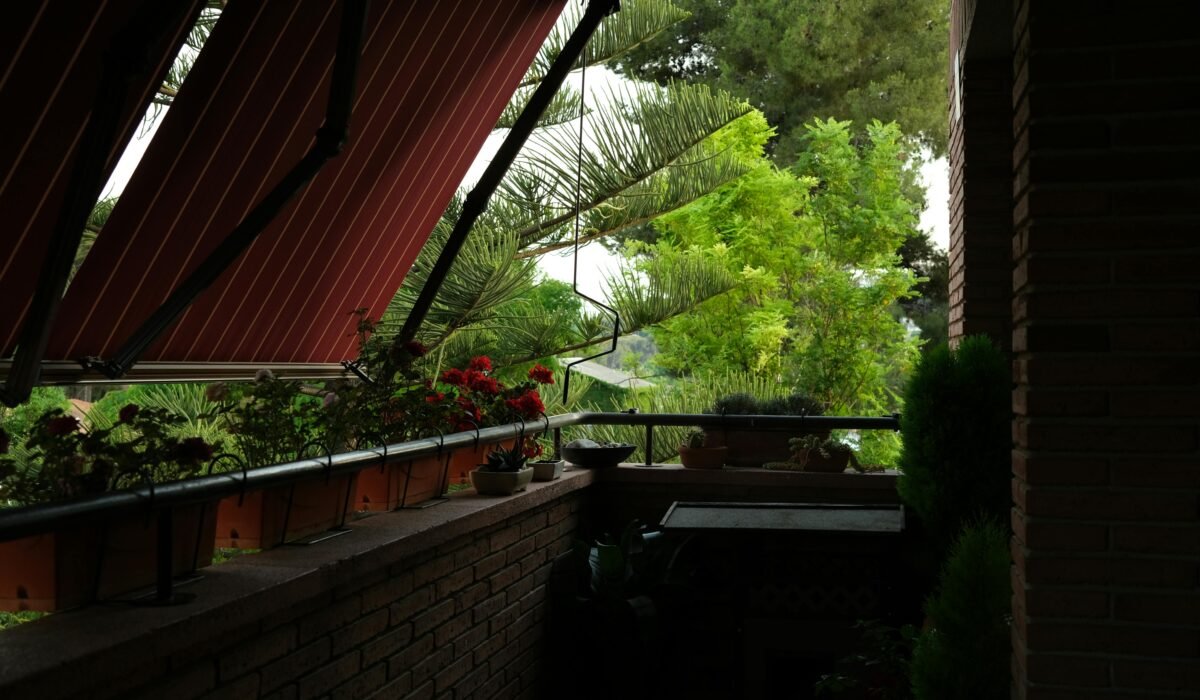
Does your beautiful balcony garden suffer from scorching sun, leaving your plants wilted and sad? You’re not alone! Many urban gardeners face the challenge of intense sun exposure, which can quickly turn a vibrant oasis into a sun-stressed struggle. Thankfully, there are many effective Balcony Garden Shade Solutions designed to protect your precious plants and keep your outdoor space thriving, even on the hottest days.
Why Balcony Plants Need Sun Protection
While sunlight is essential for plants to grow, too much of a good thing can be incredibly damaging. Balcony plants, especially those in containers, are particularly vulnerable to excessive sun and heat. This often leads to a host of problems that can quickly turn your green dreams brown.
Intense, prolonged direct sunlight, especially during peak afternoon hours, can cause leaf scorch, where leaves develop crispy brown edges or spots. It also leads to rapid soil moisture loss, forcing you to water constantly. You might notice your plants wilting, their flowers fading quickly, or their growth becoming stunted.
High temperatures, often consistently above 90°F (32°C), can halt photosynthesis and even cause plants to drop their blooms. This is particularly true for many edible plants and delicate ornamentals. Effective balcony plant sun protection is therefore not just about comfort for you, but vital for your plants’ survival and productivity.
In practice, I’ve seen countless times how a little shade can make the difference between a thriving tomato plant and one struggling to produce fruit. It’s a common mistake to assume “full sun” means “unlimited sun” – most plants prefer a break from the harshest rays.
Innovative Shade Solutions: Smart & Sustainable
The world of outdoor shade solutions is constantly evolving, bringing us smarter and more sustainable ways to protect our plants and ourselves. Modern advancements offer convenience and efficiency that were once only dreams.
One exciting trend is the rise of smart balcony awnings and automated outdoor blinds. These systems can come with weather-sensing capabilities, automatically extending when the sun gets too intense or retracting during strong winds or rain. Imagine never having to worry about adjusting your shade again!
For example, high-end options like the Somfy Sonesse Ultra motor are praised for their near-silent operation and deep smart home integration. More budget-friendly choices like Yoolax Motorized Outdoor Blinds offer Wi-Fi app and voice control for around $165, making smart shade accessible to more gardeners.
What truly excites me is the growing emphasis on sustainable design and biophilic integration. Living walls and green screens are becoming popular, not only providing natural plant shade but also actively reducing outdoor temperatures by up to 10°F. These solutions combine aesthetics with ecological benefits, embodying the “earth-inspired luxury” trend in urban gardening tips.
Choosing the Best Shade for Your Balcony Size & Needs
Selecting the right shade solution depends heavily on your specific balcony layout, sun exposure, and personal style. For small balconies, compact and flexible options are key to avoid overwhelming the limited space.
Consider your balcony’s orientation:
- East-facing: Gets morning sun, which is generally less intense. You might only need shade for sensitive plants during late morning.
- West-facing: Suffers from harsh afternoon and evening sun. Strong, consistent shade is crucial here.
- South-facing: Receives sun for most of the day. A versatile solution that can be adjusted throughout the day is ideal.
Shade sails are a fantastic option for their modern look and flexibility. They can be angled to block sun at different times of the day, and many are designed to block 85% to 98% of harmful UV rays. Retractable awnings, like the SunSetter Pro Motorized Awning, offer substantial projection and can repel up to 90% of the sun’s heat.
When choosing materials, pay attention to the shade cloth percentage. Delicate seedlings might only need a 40-50% shade cloth, while plants needing significant protection from intense afternoon sun could benefit from 70-90% blockage. For general balcony garden shade solutions, a 70-80% shade cloth is a good all-rounder.
I’ve found that planning is key – measure your space, observe the sun’s path throughout the day, and then choose a solution that fits both your practical needs and your aesthetic preferences. This thoughtful approach makes a huge difference in small balcony design.
Natural & Living Shade Options for Urban Gardens
Why buy shade when you can grow it? Integrating living elements into your balcony garden shade solutions is a beautiful and effective way to protect your plants. This approach adds beauty, privacy, and even helps to cool the air around your urban garden.
Vining plants are excellent for creating natural plant shade. You can train them on trellises, pergolas, or even simple strings to form a green curtain. Good choices include clematis, grapes, perennial pea vine, or trumpet vine, which grow quickly and provide dense foliage.
Another option is to strategically place taller potted plants or small trees. Potted ficus, fig, or dwarf banana trees can cast significant shadows over smaller, more sun-sensitive plants. Even a strategically placed rosemary bush or a small olive tree can offer some screening, especially for Mediterranean-themed balconies where herbs like thyme and oregano thrive in sunny conditions.
There’s something incredibly satisfying about watching your plants create their own microclimate. Not only do you get effective sun protection, but you also enhance the biodiversity and aesthetic appeal of your space. This is a top urban gardening tip for making your balcony feel like a true retreat. If you’re looking for more ideas on maximizing your green space with plants, check out our guide on DIY Vertical Garden Systems.
Essential Container Care: Mulching & Watering Tips
Beyond physical shade structures, proper container garden care is paramount for plants dealing with intense sun. Potted plants are particularly susceptible to overheating and drying out rapidly, as their roots are more exposed to temperature fluctuations than in-ground plants.
Mulching is a simple yet incredibly effective technique. Applying a 2 to 3-inch layer of organic mulch, such as straw, wood chips, or even shredded leaves, to the top of your container soil works wonders. This layer acts as an insulator, keeping the soil cooler and dramatically reducing water evaporation.
When it comes to watering, timing is everything. Water your plants thoroughly in the early morning or late evening. Watering during the hottest part of the day means much of the water will evaporate before it can reach the roots, leading to waste and thirsty plants. Always check the soil moisture before watering – stick your finger about an inch or two deep; if it feels dry, it’s time to water.
It’s easy to overlook these basic care tips when focusing on shade structures, but they are foundational to plant health. Healthy soil and consistent moisture give your plants the best chance to withstand heat stress. For more on watering efficiency, consider exploring DIY Drip Irrigation: Terrace Garden Made Easy & Efficient.
DIY Balcony Shade: Practical Guides & Budget Options
You don’t need a huge budget to create effective balcony garden shade solutions. Many practical and budget-friendly DIY options can provide much-needed relief for your plants. A little creativity and elbow grease can go a long way.
One of the simplest DIY solutions involves using shade cloth. You can purchase shade cloth by the yard and use grommets to create attachment points. Then, simply secure it to existing railings, overhead structures, or even tension wires using bungee cords or zip ties. This allows you to position the shade exactly where and when it’s needed.
Here’s a simple guide for a tensioned shade cloth setup:
- Measure your space: Determine the area you want to shade and the height of your attachment points.
- Select your shade cloth: Choose a percentage (e.g., 70-80%) suitable for your plants and climate.
- Add grommets: If your cloth doesn’t have them, use a grommet kit to add them along the edges, about every 1-2 feet.
- Gather attachment hardware: You’ll need hooks, eye bolts, or sturdy clamps, depending on what you’re attaching to. Bungee cords or small ropes work well for tension.
- Install: Secure one side of the shade cloth, then stretch and tension the other sides to create a taut canopy. Adjust as the sun moves.
Other budget-friendly ideas include repurposing old bamboo blinds or reed fencing for screens, or even creating a simple frame from PVC pipes to drape fabric over. My first DIY project, a simple shade cloth over my herbs, taught me a lot about flexibility and finding what works for your specific sun patterns.
Beyond the Basics: HOA Rules & Long-Term Durability
Before you embark on installing any permanent or semi-permanent outdoor shade solutions, it’s crucial to consider your building’s rules and regulations. This is often overlooked but can save you a lot of hassle down the line.
Homeowner Association (HOA) rules or building management policies often have restrictions on what you can install on your balcony. These might include limitations on drilling into walls, specific color palettes for awnings, weight limits for overhead structures, or prohibitions on permanent fixtures that alter the building’s exterior. Trust me, a quick call to your HOA or building manager can prevent costly mistakes and fines.
Beyond regulations, think about the long-term durability and maintenance of your chosen shade solution. High-quality shade cloths made from HDPE knitted mesh fabric, like those from Coolaroo, can last around 10 years, even in harsh conditions. Retractable awnings with marine-grade acrylic fabrics are also built for longevity. Consider how easy it will be to clean, repair, or store your shade solution, especially during winter months if you live in a colder climate.
Investing in durable materials, even if they cost a little more upfront, often provides better value over time, reducing the need for frequent replacements. Proper care, like regularly cleaning your shade fabric and retracting awnings during storms, will significantly extend their lifespan.
Frequently Asked Questions
What shade cloth percentage is best for most balcony plants?
For a general balcony garden with a mix of edibles and ornamentals, a shade cloth with a 70-80% UV block is usually ideal. This provides significant protection from intense afternoon sun while still allowing enough light for photosynthesis. For very delicate plants or seedlings, you might go as low as 40-50%.
Can I use regular fabric for shade, or do I need special shade cloth?
While you can use regular fabric like bed sheets or tarps for temporary shade, they are not ideal for long-term solutions. Regular fabrics often block too much light, don’t breathe well (leading to heat buildup), and can degrade quickly in UV light and weather. Specialized shade cloth is designed to block specific percentages of UV, allow air circulation, and is made from durable, UV-stabilized materials.
How can I protect plants from sun when I’m away on vacation?
When you’re away, ensure your plants have adequate watering (e.g., a drip irrigation system or self-watering planters). Maximize your shade solutions by deploying them fully before you leave. Group sun-sensitive plants together under the densest shade, and consider moving smaller pots to a shadier corner of the balcony or even indoors if feasible. A thick layer of mulch is also crucial for retaining soil moisture.
Are there any plants that don’t need sun protection on a balcony?
Yes, some plants genuinely thrive in full, direct sun, even on hot balconies. Mediterranean herbs like rosemary, lavender, thyme, and oregano are excellent choices. Succulents and cacti are also very sun-tolerant. Many varieties of petunias, portulaca, and certain heat-loving vegetables like peppers and some tomatoes can also handle significant sun, especially if they are well-watered and mulched. Always check a plant’s specific sun requirements.
Creating a thriving balcony garden, even under the intense sun, is entirely achievable with the right strategies. From innovative smart systems to simple DIY solutions and diligent container garden care, you have a wealth of options for effective Balcony Garden Shade Solutions. By understanding your plants’ needs and your balcony’s unique sun patterns, you can cultivate a beautiful, healthy, and resilient urban oasis.
Don’t let the sun intimidate you. Start planning your shade strategy today and watch your balcony garden flourish!







