
Ever wondered if you could turn your kitchen scraps and yard waste into something truly valuable for your garden, rather than just tossing them in the trash? If you’re a beginner gardener looking for a simple, impactful way to boost your plants and reduce waste, then diving into composting for beginners is your next great adventure!
Composting might sound like a complex science project, but I promise you, it’s a straightforward process that anyone can master. It’s about letting nature do its thing, transforming organic materials into nutrient-rich “black gold” that your plants will absolutely love. Ready to get started?
Getting Started: What You Need to Know About Composting
Composting, at its core, is simply managed decomposition. You’re creating the perfect environment for tiny microbes and critters to break down organic waste into a rich, dark soil amendment. This process is a cornerstone of sustainable living and an incredible gift to your garden.
For composting for beginners, the first step is choosing your method. You can go simple with a basic pile, build a DIY compost bin, or buy a ready-made composter. The best option depends on your space, budget, and how much organic waste recycling you plan to do.
Next, pick a good spot for your compost pile. An ideal location is a shaded area that’s well-drained but not too dry, and easily accessible from your kitchen and garden. I remember feeling a bit overwhelmed by all the options initially, but honestly, any spot where you can consistently add materials and turn the pile will work.
The magic of composting lies in balancing “greens” and “browns.” Greens are nitrogen-rich materials like fresh food scraps and grass clippings, while browns are carbon-rich, like dry leaves, twigs, and shredded paper. A good mix of these compost greens browns is essential for healthy decomposition.
The Basics: What Can (and Cannot) Go in Your Compost Pile?
This is often the first question new composters ask, and it’s a vital one for successful composting. Knowing what compostable materials to include (and exclude) ensures a healthy pile that breaks down efficiently without attracting unwanted pests or odors. What surprised me most was how much kitchen waste could be composted!
What CAN go into your compost pile:
- “Greens” (Nitrogen-rich):
- Fruit and vegetable scraps (peels, cores, wilted produce)
- Coffee grounds and tea bags (paper only)
- Grass clippings and green plant trimmings
- Eggshells (crushed)
- Manure from herbivores (chickens, rabbits, horses, cows)
- “Browns” (Carbon-rich):
- Dry leaves and straw
- Shredded newspaper and cardboard (non-glossy, no tape)
- Small twigs and wood chips
- Sawdust (from untreated wood)
- Pine needles
The ideal carbon-to-nitrogen (C:N) ratio for effective composting is approximately 30:1. In simpler terms, this means aiming for roughly 2-3 parts “brown” materials to 1 part “green” materials by volume. This balance helps the microbes thrive and efficiently break down your organic waste recycling.
What CANNOT go into your compost pile:
- Meat, bones, and fish scraps (attract pests, cause odors)
- Dairy products and oily foods (attract pests, cause odors)
- Pet waste (may contain harmful pathogens)
- Diseased plants (can spread diseases to your garden)
- Weeds with seeds (you’ll just be spreading weeds)
- Treated wood, coal ash, or synthetic materials (contain harmful chemicals)
Avoiding these items is key to successful food waste reduction and ensuring your compost is safe and beneficial for your garden. Stick to the good stuff, and your compost pile will thank you!
Addressing Common Concerns: Odors, Pests, and Turning Your Pile
Many beginner gardeners worry about their compost pile becoming a smelly, critter-filled mess. These are valid concerns, but with a few simple practices, you can easily avoid them. I’ve found that a well-balanced pile rarely smells, and pests are usually a sign of an imbalance.
Dealing with Odors
If your compost pile smells bad (like rotten eggs or ammonia), it’s usually a sign of too much “green” material or not enough air. The solution is simple:
- Add more browns: Mix in dry leaves, shredded cardboard, or straw to balance the nitrogen.
- Turn your pile: Aerate it by mixing with a pitchfork or compost aerator. This introduces oxygen, which is crucial for the beneficial microbes.
A healthy compost pile should have an earthy, pleasant smell, or no smell at all.
Preventing Pests and Rodents
Pests like flies, ants, and even rodents are typically attracted to food scraps that aren’t properly covered or to materials like meat and dairy. Here’s how to keep them away:
- Don’t add prohibited items: Avoid meat, dairy, bones, and oily foods.
- Bury food scraps: Always cover fresh food scraps with a layer of “brown” materials or existing compost.
- Use a closed bin: A lidded compost bin is often more effective at deterring larger pests than an open pile.
By being mindful of what you add and how you add it, your compost bin will remain a welcome addition to your garden, not a nuisance.
How Often to Turn Your Compost Pile
Turning your pile is essentially mixing it up to introduce oxygen, which speeds up decomposition and prevents anaerobic (smelly) conditions. How often you turn it depends on how quickly you want compost and how much effort you want to put in.
- Actively managed pile: Turn it every week or two. This will produce compost faster.
- Passively managed pile: Turn it once a month or whenever you add a significant amount of new material. This takes longer but requires less effort.
Even if you only turn it occasionally, it’s still beneficial. Just remember that more turning equals faster “black gold.”
The Composting Timeline: When Will Your ‘Black Gold’ Be Ready?
One of the most common questions for new composters is, “How long does this take?” The truth is, there’s no single answer, as the composting timeline can vary significantly. Waiting for that first batch of ‘black gold’ felt like waiting for Christmas, but it was so worth it!
Several factors influence how quickly your compost transforms:
- Pile size: Larger piles tend to heat up more efficiently and decompose faster than very small ones.
- Material size: Smaller pieces break down more quickly. Chopping up food scraps or shredding leaves will accelerate the process.
- Balance of greens and browns: A good C:N ratio (around 30:1) ensures optimal microbial activity.
- Moisture content: Your pile should be consistently moist, like a wrung-out sponge. Too dry, and decomposition slows; too wet, and it can become anaerobic.
- Turning frequency: Regular turning (aeration) significantly speeds up the process.
With an actively managed, well-balanced pile, you could have finished compost in as little as 2-3 months. For a more passive approach, it might take 6 months to a year. Patience is a virtue in composting, but the wait is always rewarded.
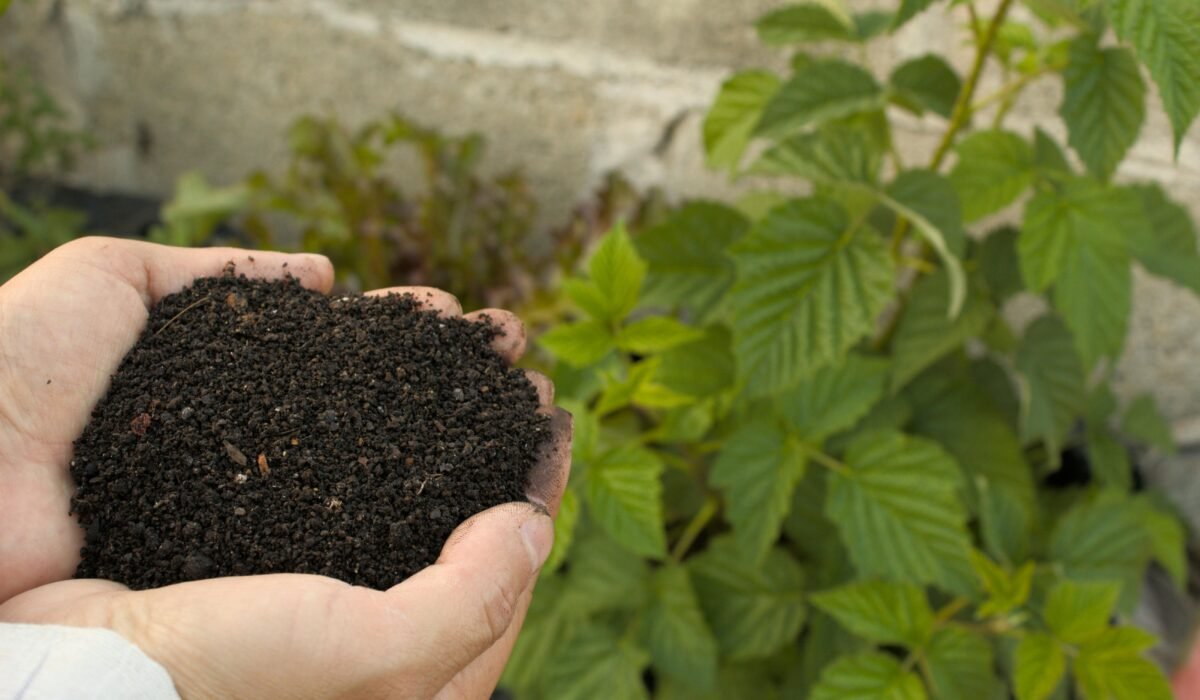
You’ll know your compost is ready when it looks like rich, dark soil, smells earthy and pleasant, and you can no longer identify the original materials. It should be crumbly and uniform in texture. This finished compost, often called “black gold,” is perfect for enriching your garden beds, potting mixes, or even making compost tea to give your plants a natural nutrient boost.
Unlocking Benefits: Why Composting is Good for Your Garden and the Planet
Beyond being a simple gardening practice, composting is a powerful tool for environmental stewardship and enhancing your garden’s vitality. It’s truly amazing how much difference a little compost makes, both in your backyard and for the wider world.
Boost Your Garden’s Health and Fertility
Adding compost to your garden is like giving your soil a superfood boost. It significantly improves soil health by adding organic matter, which enhances nutrient content and increases both water retention and drainage. This means your plants get a steady supply of nutrients, are more resilient to drought, and have better root development.
Compost also helps reduce erosion and can even suppress plant diseases and pests, making it a natural way to improve your overall garden fertility. It’s an essential component for any gardener looking to maximize small garden yields and grow healthier plants naturally.
Reduce Waste and Combat Climate Change
Composting is a fantastic way to engage in organic waste recycling and food waste reduction. Consider this: in 2019, the U.S. generated an estimated 66 million tons of wasted food, with about 60% ending up in landfills. Globally, roughly one-third of all food produced is wasted annually, amounting to 1.3 billion metric tons. When organic waste goes to landfills, it produces methane, a potent greenhouse gas.
By composting, you divert this waste from landfills, significantly reducing greenhouse gas emissions. Composting a single household’s food scraps can prevent approximately 0.39 metric tons of CO2 equivalent emissions per year, which is comparable to driving 950 fewer miles in a gasoline-powered car! Overall, composting reduces greenhouse gas emissions by 10% per ton compared to landfilling. You can read more about the impact of food waste on the environment from the U.S. Environmental Protection Agency.
This practice embodies sustainable living, turning a problem (waste) into a solution (nutrient-rich soil). The composting market itself is booming, valued at around USD 6,037 million in 2024 and projected to reach USD 8,759 million by 2033, showing a clear global trend towards valuing this natural process.
Beyond the Basics: Tips for Successful Composting
Once you’ve mastered the fundamentals of composting for beginners, you might want to explore ways to optimize your system. Once you get the hang of it, you might even find yourself experimenting with different techniques to get even better results!
- Shred or Chop Materials: Smaller pieces break down faster. Consider shredding leaves with a lawnmower or chopping food scraps before adding them.
- Maintain Moisture: Your compost pile should be consistently moist, like a damp sponge. If it’s too dry, decomposition slows down. If it’s too wet, it can become anaerobic and smelly. Add water if it’s dry, or more browns if it’s too wet.
- Use a Compost Thermometer: For faster, hot composting, aim for temperatures between 130-160°F (55-70°C). A thermometer can help you monitor this and know when to turn your pile.
- Consider a Compost Accelerator: While not strictly necessary, bio-enzyme accelerators and custom microbial solutions can speed up decomposition, particularly if you’re eager for quicker results. Modern composting even integrates AI for waste segregation to improve compost quality!
- Layering is Key: While not a strict rule, layering your greens and browns can help maintain the ideal C:N ratio and prevent compaction. Try alternating thin layers of food scraps with thicker layers of dry leaves or straw.
- Explore Different Bins: If you’re using a simple pile, consider upgrading to a tumbler or a multi-bin system for easier turning and faster processing. A DIY vertical garden system can even incorporate a small worm composter for kitchen scraps.
- Precision Application: When your compost is ready, apply it strategically. Precision agriculture techniques are even emerging to optimize benefits. You can use it as a top dressing, mix it into new garden beds (like when you start your raised bed garden), or incorporate it into potting soil.
These tips will help you refine your composting process, making it even more efficient and rewarding. The goal is always to create the best possible amendment for your `soil health improvement` and overall `garden fertility`.
Frequently Asked Questions
What can (and cannot) I put in my compost pile?
You can put most fruit and vegetable scraps, coffee grounds, tea bags, eggshells, grass clippings, dry leaves, shredded paper, and straw. Avoid meat, bones, dairy, oily foods, pet waste, diseased plants, and weeds with seeds. The key is to balance “greens” (nitrogen-rich) with “browns” (carbon-rich).
Does compost smell bad or attract pests/rodents?
A well-maintained compost pile should not smell bad; it should have an earthy odor or no smell at all. Bad odors usually indicate too much “green” material or lack of air. Pests are typically attracted to prohibited items like meat or dairy, or uncovered food scraps. Burying fresh food waste under brown materials and avoiding problem items will prevent these issues.
How often do I need to turn my compost pile?
Turning your compost pile adds oxygen, which speeds up decomposition. For faster compost, turn it every week or two. If you’re less concerned about speed, turning it once a month or whenever you add a significant amount of new material is sufficient. Even occasional turning is beneficial.
How long does it take for compost to be ready?
The time it takes for compost to be ready varies depending on factors like pile size, material size, moisture, and how often you turn it. Actively managed piles can produce finished compost in 2-3 months, while passively managed piles may take 6 months to a year. You’ll know it’s ready when it’s dark, crumbly, earthy-smelling, and the original materials are unrecognizable.
There you have it – your comprehensive guide to getting started with composting! It’s an incredibly rewarding practice that benefits your garden, reduces your ecological footprint, and helps you embrace a more sustainable living lifestyle. From turning kitchen scraps into garden gold to improving soil health and reducing landfill waste, the advantages are clear.
Don’t be intimidated; start small, observe your pile, and learn as you go. You’ll be amazed at how quickly you become a composting pro. So, gather those scraps, find a spot, and start your journey with composting for beginners today!







