
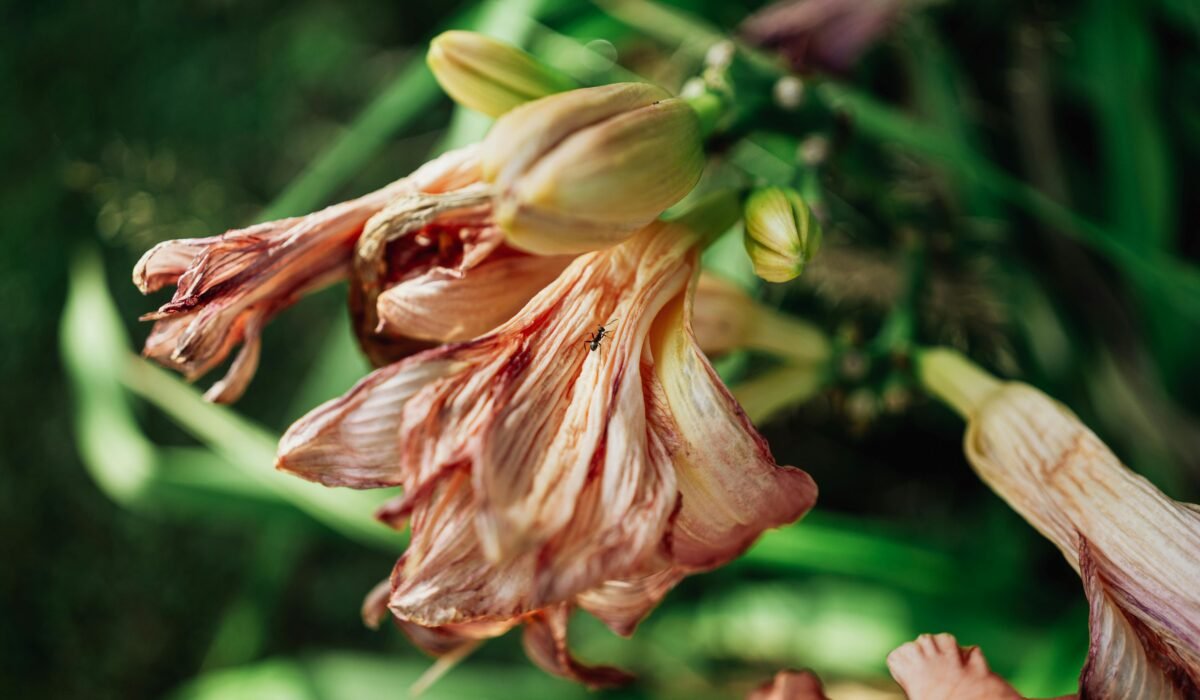
Have you ever looked at your once-vibrant houseplant, now droopy, discolored, and seemingly on its last leaf, and wondered if there’s any hope? You’re not alone. Many plant lovers face the heartbreaking challenge of trying to revive dying indoor plants, a common issue despite the booming popularity of indoor gardening. The good news? Most plant deaths are preventable, often stemming from easily fixable care mistakes.
With the right knowledge and a bit of patience, you can turn your struggling greenery into lush, thriving botanical beauties once again. This comprehensive guide will equip you with expert tips, from pinpointing the problem to advanced revival techniques, ensuring your beloved plants get a second chance at life.
Diagnosing Common Plant Problems: Overwatering, Underwatering & Light Issues
The first step to helping your ailing plant is figuring out what’s wrong. Often, the symptoms of overwatering, underwatering, and improper light can look surprisingly similar, making diagnosis tricky. But with a keen eye, you can identify the underlying issue.
Overwatering Symptoms: The Silent Killer
Overwatering is the single largest preventable cause of houseplant mortality. It doesn’t mean giving too much water at once, but rather watering too frequently, which suffocates roots. Look for these “overwatering symptoms”:
- Yellowing leaves: Often starting from the bottom, leaves turn yellow and may feel soft or mushy.
- Drooping or wilting: Ironically, overwatered plants can wilt because their roots can’t absorb water effectively.
- Mushy stems or base: A clear sign of root rot, a fungal disease caused by excess moisture.
- Foul smell from soil: Indicates anaerobic conditions and decaying roots.
- Fungus gnats: Small, black flying insects often attracted to constantly damp soil.
If you suspect overwatering, immediately stop watering, ensure drainage, and consider checking the roots.
Underwatering Symptoms: Thirsty and Stressed
Underwatering is usually easier to spot and remedy. It means your plant isn’t getting enough moisture to sustain its functions. Here are the tell-tale signs:
- Crispy, dry leaves: Leaves may turn brown and brittle, often starting at the tips or edges.
- Wilting: The entire plant may look limp and sad, but the leaves won’t be soft like with overwatering.
- Stunted growth: Lack of water inhibits new leaf production.
- Lightweight pot: The soil will feel completely dry and the pot will be noticeably lighter than usual.
A good soak can often bring an underwatered plant back to life quickly.
Plant Light Requirements: Too Much or Too Little?
Light is essential for photosynthesis, and incorrect light levels can severely stress your plants. Understanding “plant light requirements” is crucial for healthy growth.
- Too little light: Leaves may turn pale or yellow, new growth is leggy and stretched (etiolation), and flowering plants won’t bloom. Plants may also drop lower leaves. If you have plants that prefer dimmer settings, check out our guide on Best Low-Light Indoor Plants for Dark Homes & Offices.
- Too much light (sunburn): Leaves can develop scorched spots, look bleached, or turn reddish/purplish, especially on variegated varieties. They might also curl inward to protect themselves.
My personal observation is that many people overestimate the amount of light their plants need, leading to pale, leggy specimens. Moving them closer to a window, or further away if scorched, is often the simplest fix.
Mastering Optimal Watering Techniques for Thriving Indoor Plants
Once you’ve diagnosed a watering problem, the next step is to establish a proper routine. Mastering optimal watering is one of the most important “houseplant care tips” you’ll ever learn.
The “Finger Test” and Beyond
Forget strict schedules. The best way to water is by checking the soil. Stick your finger about an inch or two into the soil. If it feels dry, it’s time to water. For plants that prefer consistently moist soil (like ferns), water when the top inch is dry. For plants that like to dry out (like succulents), wait until the top two to three inches are dry.
Bottom Watering: A Game Changer
Bottom watering is an excellent technique, especially for plants prone to overwatering or those with dense foliage. Place your potted plant (with drainage holes!) into a tray or sink filled with a few inches of water. Let it sit for 15-30 minutes, allowing the plant to soak up water from the bottom. This encourages stronger root growth and prevents soil compaction.
Smart Watering Solutions
For those who struggle with consistency, modern technology offers a helping hand. AI-powered soil sensors and smart irrigation systems are becoming increasingly popular. These devices monitor soil moisture, pH, and nutrient levels in real-time, providing alerts or even automatically watering your plants. It’s a fantastic way to ensure your plants get exactly what they need, preventing both over and under-watering.
Repotting a Dying Plant: Minimizing Shock and Encouraging New Growth
Sometimes, a dying plant needs a fresh start, and that often means repotting. This is especially true if you’ve diagnosed “root rot treatment” as necessary or if the plant is severely pot-bound. Knowing how to approach “repotting dying plants” is crucial to avoid further stress.
- Assess the roots: Gently remove the plant from its pot. If the roots are brown, mushy, or smell foul, you have root rot. Healthy roots are typically white or light brown and firm.
- Trim damaged roots: Using sterilized scissors or shears, carefully cut away all affected roots. Don’t be afraid to be decisive; removing diseased parts is vital for the plant’s survival.
- Choose the right pot: If dealing with root rot, often a slightly smaller pot or the same size pot is best. Too large a pot holds excess moisture. Ensure it has excellent drainage holes.
- Use fresh, well-draining soil: Old soil can be compacted, nutrient-depleted, or harbor pathogens. Use a fresh, appropriate potting mix for your plant type. Consider adding perlite or orchid bark for extra drainage.
- Repot carefully: Place a small layer of fresh soil in the bottom of the pot. Center your plant, backfill with more soil, gently tamping it down. Leave about an inch of space from the rim.
- Water lightly (or not at all): If you’ve just dealt with root rot, hold off on watering for a few days to allow any trimmed roots to callous over and prevent further fungal issues. Otherwise, water lightly.
What surprised me most about repotting a struggling plant is how resilient they can be. Even after drastic root pruning, many plants bounce back beautifully with proper aftercare. For general potting techniques, our Simple Guide to Potting Up Seedlings for Beginners offers foundational advice that applies to mature plants too.
Effective & Safe Solutions for Common Indoor Plant Pests
Pest infestations can quickly weaken a plant, making it appear to be dying. Early detection and safe treatment are key to saving your “indoor plant pests” victims. Here are some common pests and their solutions:
Common Indoor Plant Pests & Their Signs
- Spider Mites: Tiny, almost invisible, creating fine webbing on undersides of leaves, causing yellow stippling.
- Mealybugs: White, cottony masses found in leaf axils and along stems, secreting sticky honeydew.
- Aphids: Small, pear-shaped insects (green, black, or brown) clustering on new growth and undersides of leaves.
- Fungus Gnats: Small, dark flies hovering around the soil surface; their larvae feed on roots in damp soil.
Safe Treatment Methods
When dealing with “indoor plant pests,” prioritize methods that are effective without harming your plant, pets, or family. You can find more comprehensive natural solutions in our guide to DIY Organic Pest Control.
- Manual Removal: For mealybugs or aphids, a cotton swab dipped in rubbing alcohol can effectively wipe them away. For spider mites, a strong spray of water can dislodge them.
- Neem Oil Spray: A natural insecticide, fungicide, and miticide. Mix according to package directions and spray all leaf surfaces (top and bottom) until dripping. Repeat weekly until pests are gone.
- Insecticidal Soap: Works by smothering soft-bodied pests. Ensure thorough coverage, especially on undersides of leaves.
- Sticky Traps & Beneficial Insects: Yellow sticky traps are great for catching fungus gnats and monitoring other flying pests. For serious infestations, consider introducing beneficial insects like ladybugs or predatory mites, though this is more common in greenhouses.
In practice, consistency is what truly beats pests. You can’t just spray once and expect them to disappear.
Advanced Revival Techniques: Hydrogen Peroxide & Smart Care Innovations
Beyond the basics, some advanced techniques and modern innovations can give your dying plants an extra boost, helping to “revive dying indoor plants” when other methods fall short.
Hydrogen Peroxide for Plants: Oxygenating Roots
A simple yet powerful tool gaining popularity is diluted hydrogen peroxide. Using “hydrogen peroxide for plants” can be especially beneficial for plants suffering from root rot or general decline due to poor soil aeration. A common ratio is one teaspoon of 3% hydrogen peroxide per liter of water.
When added to the soil, hydrogen peroxide breaks down, releasing oxygen molecules. This extra oxygen helps to aerate the soil, which is crucial for healthy root function and can kill harmful anaerobic bacteria that thrive in waterlogged conditions. It’s like giving your plant’s roots a breath of fresh air.
Smart Care Innovations: The Future of Plant Revival
The indoor plant market is rapidly evolving, with technology playing a significant role in plant care. AI-powered soil sensors and plant monitors can provide real-time data on soil pH, nutrient balance, and temperature, offering AI-generated care recommendations. These tools can alert you to issues before they become critical, acting as an early warning system to prevent plants from reaching a near-death state. Automated pest monitoring systems are also emerging, capable of identifying threats early and even deploying targeted, eco-friendly controls.
Long-Term Rehabilitation and Preventative Care for Problem Plants
Bringing a plant back from the brink is a huge accomplishment, but the journey doesn’t end there. Long-term rehabilitation and preventative care are essential to ensure your plant thrives and doesn’t relapse. Think of it as a “plant revival guide” for ongoing success.
Creating an Ideal Environment
Once your plant shows signs of recovery, focus on providing its ideal environment. This includes:
- Consistent Humidity: Many indoor plants, especially tropical varieties, suffer from low humidity. Use a pebble tray, humidifier, or group plants together to create a microclimate.
- Proper Air Circulation: Stagnant air can encourage fungal diseases and pests. Ensure good airflow without direct drafts.
- Appropriate Fertilization: Once the plant is actively growing again, feed it with a balanced, diluted fertilizer during its growing season. Avoid fertilizing a stressed or dormant plant.
- Regular Inspection: Make it a habit to check your plants weekly for any early signs of pests or disease. This is your best defense.
Learning from the Experience
Every “problem plant” is a learning opportunity. Did it almost die from overwatering? You now know to be more cautious with that specific plant type or in that location. Was it pest-ridden? You’ll be quicker to isolate and treat new plants. By understanding the specific weaknesses and needs of your individual plants, you can tailor your “houseplant care tips” and prevent future crises. Patience, observation, and consistency are your greatest allies in maintaining lush, healthy indoor plants.
Frequently Asked Questions
How can I tell if my plant is overwatered or underwatered, and what are the immediate steps to take for each?
To distinguish between overwatering and underwatering, check the leaves and soil. Overwatered plants often have yellow, soft, or mushy leaves, and the soil stays wet. Immediately stop watering and check for root rot. Underwatered plants have dry, crispy leaves and bone-dry soil. Give it a thorough soak, either from the top or bottom, and ensure good drainage.
What is the optimal watering technique for my indoor plants, considering different plant types and environmental conditions?
The optimal technique involves checking the soil moisture rather than sticking to a schedule. Use the “finger test,” feeling the soil 1-2 inches deep. Water thoroughly until water drains from the bottom, then allow excess to drain completely. Adjust frequency based on plant type (e.g., succulents prefer drying out, ferns like consistent moisture) and environmental factors like humidity, temperature, and light.
How do I determine the correct light requirements for my specific indoor plants, and what are the signs of too much or too little light?
Research your specific plant’s needs (e.g., “bright indirect light,” “low light”). Signs of too little light include pale, leggy growth, small new leaves, and lack of blooms. Too much light can cause scorched, bleached, or reddish leaves, often with crispy edges. Adjust its placement by moving it closer or further from a window, or using supplemental grow lights if needed.
When is the best time to repot a dying plant, and what is the proper procedure to minimize transplant shock and encourage new growth?
Repot a dying plant when you suspect root rot, it’s severely pot-bound, or the soil is depleted. The best time is typically spring or summer when the plant is actively growing. To minimize shock, gently remove it, trim only diseased or circling roots with sterilized tools, use fresh, well-draining soil in an appropriately sized pot, and avoid overwatering immediately after repotting.
Bringing a dying plant back to life is incredibly rewarding, a testament to your care and patience. Remember, every plant challenge is an opportunity to learn and grow as a plant parent. By understanding the common pitfalls and applying these expert “plant revival guide” tips, you’re well on your way to a home filled with lush, vibrant greenery. Don’t give up on your struggling plants; with a little love and the right approach, they can truly thrive again!







