
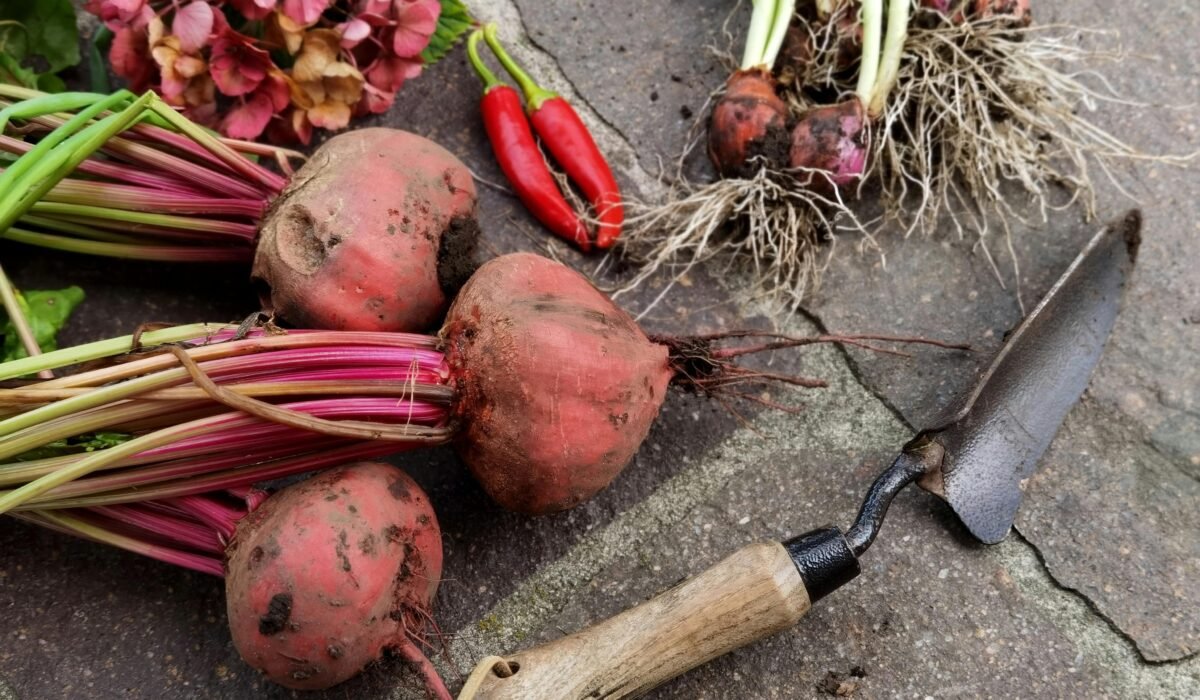
Are you dreaming of pulling fresh, vibrant carrots or earthy beets straight from your backyard? Growing root vegetables is a deeply rewarding experience, offering delicious, nutrient-packed harvests that can last for months. If you’re new to gardening, these underground treasures are an excellent place to start your journey into homegrown food.
This beginner’s guide will walk you through everything you need to know for successful root vegetable cultivation, from selecting the perfect varieties to enjoying your bountiful harvest. Get ready to dig in and discover the joy of growing your own delicious underground bounty!
Choosing the Right Root Vegetables & Varieties for Beginners
Embarking on your root vegetable cultivation journey starts with selecting the right crops. For beginner vegetable gardening, some root vegetables are far more forgiving and quick to reward your efforts. My personal favorites to recommend always include radishes, carrots, and beets.
Easy-to-Grow Root Vegetables
- Radishes: These are the speed demons of the root world, maturing in as little as 28-45 days. Varieties like ‘French Breakfast’ or ‘Cherry Belle’ are excellent choices, offering quick gratification and a peppery bite.
- Carrots: While they take a bit longer (60-80 days), carrots like ‘Danvers 126’ or ‘Nantes’ are reliable producers. For a truly unique harvest, consider ‘Black Nebula’, which offers striking deep purple roots.
- Beets: Both the roots and greens are edible, making beets a versatile choice. ‘Detroit Dark Red’ is a classic, but newer organic varieties like ‘Feuer Kugel’ beets are showing excellent performance.
- Turnips: Often overlooked, turnips are surprisingly easy and quick, maturing in about 30-60 days. ‘Purple Top White Globe’ is a common and reliable variety.
Beyond these, don’t shy away from exploring options like parsnips (which sweeten after a frost) or even celeriac, like the ‘Giant Prague’ variety, known for its distinct, versatile flavor and long storage. For those with small spaces, bush-type sweet potatoes like ‘Vamon’ and ‘Covington’ are excellent for container gardening root crops, offering high yields and uniformity.
Most root vegetables are cool season vegetables, meaning they thrive in moderate temperatures between 45°F and 75°F. This makes spring and late summer/fall the ideal planting times in many regions. Carefully choosing varieties that suit your local climate and soil conditions can significantly boost your success.
Preparing Your Soil: The Foundation for Root Success
The secret to growing root vegetables successfully truly lies beneath the surface: in your soil. Unlike leafy greens, root crops need space and freedom to expand, making optimal soil conditions paramount. This step is often underestimated, but it’s where your harvest truly begins.
The Ideal Soil Mix
Root vegetables absolutely demand loose, deep, and well-draining soil. A sandy loam, rich in organic matter, is the gold standard. Heavy clay soils can compact and stunt root growth, leading to small or misshapen vegetables, which is a common frustration for beginners.
To achieve this, generously amend your planting area with plenty of organic matter. Well-rotted compost or aged manure works wonders, improving soil structure, drainage, and fertility. You can learn more about creating this vital ingredient in our guide to Composting 101: Simple Steps for Beginner Gardeners.
Soil pH and Nutrients
Most root vegetables prefer a slightly acidic to neutral pH, typically ranging from 6.0 to 6.8. Beets and parsnips can tolerate slightly more alkaline conditions, up to 7.2. You can test your soil pH with a simple kit, and adjust it with lime to raise alkalinity or sulfur to lower it. For more detailed guidance on soil pH, resources like Cornell University’s Garden Based Learning offer excellent information.
Beyond pH, ensure your soil has balanced nutrients. While nitrogen promotes leafy growth, phosphorus and potassium are crucial for robust root development. A balanced organic fertilizer can be incorporated during soil preparation. Interestingly, some root vegetables, like the impressive ‘Minowase Daikon’ radishes, can act as “bio-tillers,” naturally breaking up compacted soil with their deep roots, improving drainage and aeration for future crops. This offers a fantastic long-term soil health benefit beyond just the harvest!
Watering, Feeding & Troubleshooting Common Root Crop Issues
Once your seeds are in the ground, consistent care is key to ensuring those underground treasures develop beautifully. It’s a delicate balance; too much or too little of anything can lead to problems.
Consistent Watering is Critical
Root vegetables require consistent moisture, especially during dry spells, for proper root formation. Aim for about 1 inch of water per week, either from rainfall or irrigation. The best way to check is to feel the soil: it should be consistently moist, but not waterlogged, several inches deep. Overwatering can lead to rot, while underwatering can cause stunted, woody, or even cracked roots. Irregular watering is a major culprit behind misshapen carrots or splitting beets.
Feeding Your Underground Harvest
While good soil preparation provides a solid foundation, some feeding might be necessary, especially in poorer soils or for long-season crops. Remember the balance: focus on phosphorus and potassium to encourage root growth, rather than too much nitrogen, which prioritizes leafy tops. A balanced organic fertilizer or a side dressing of compost tea every few weeks can be beneficial.
Troubleshooting Common Root Crop Issues
It’s frustrating when your root vegetables aren’t forming as expected. Here are the main reasons why your root vegetables might be small, misshapen, or not forming roots:
- Compacted or Rocky Soil: As discussed, roots need space. Hard soil or obstructions like rocks force roots to fork, twist, or remain stunted.
- Overcrowding: If seedlings aren’t thinned properly, they compete for resources and space, resulting in small, underdeveloped roots.
- Inconsistent Watering: Fluctuations between dry and wet conditions can lead to splitting, bitterness, or poor development.
- Nutrient Imbalance: Too much nitrogen can cause lush green tops but small roots. Ensure adequate phosphorus and potassium.
- Pests: Root maggots or wireworms can damage developing roots, leading to deformities or rot.
Regular observation is your best tool. If you notice issues, try to identify the cause quickly and adjust your care routine.
Protecting Your Harvest: Natural Pest & Disease Solutions
Even with the best soil and watering, pests and diseases can sometimes threaten your underground bounty. The good news is that many effective solutions for `pest control root crops` are natural and organic, fitting perfectly into a beginner vegetable gardening approach. I’ve learned that prevention is key when it comes to keeping your crops healthy.
Common Pests and Their Natural Solutions
The most common culprits for root vegetables are often unseen, working their damage underground.
-
Root Maggots: These small, white larvae feed on the roots of crops like radishes, carrots, and turnips.
- Prevention: Cover new plantings with a fine mesh insect barrier (row cover) to prevent adult flies from laying eggs. Practice strict crop rotation to disrupt their life cycle.
- Organic Control: Companies like BugHut are developing organic formulas utilizing garlic extract, which can act as a natural deterrent.
-
Wireworms: The larvae of click beetles, wireworms bore into roots, creating tunnels and making them inedible.
- Prevention: Avoid planting in areas recently covered by sod, as wireworms thrive there. Use bait traps (pieces of potato buried in the soil) to draw them out, then collect and dispose of them.
-
Aphids: While primarily affecting greens, severe infestations can weaken the plant.
- Control: Spray with a strong jet of water or use an insecticidal soap. Encourage beneficial insects like ladybugs.
Natural Disease Management
Fungal diseases can also pose a threat, especially in humid conditions or with poor air circulation.
-
Powdery Mildew: This can affect the greens of beets and other root crops.
- Prevention: Ensure good air circulation, avoid overhead watering, and choose resistant varieties.
- Control: Organic fungicides containing ingredients like thyme oil are becoming more popular. For more detailed advice, check out our guide on Powdery Mildew Control: Identify & Treat in Your Garden (2025-2026).
-
Damping-Off: A common issue for seedlings, causing them to collapse at the soil line.
- Prevention: Use sterile potting mix, ensure good drainage, and avoid overwatering.
Crop rotation is an invaluable tool in organic root crops cultivation. By not planting the same type of crop in the same spot year after year, you significantly reduce the buildup of specific pests and diseases in the soil. Companion planting, such as growing strongly scented herbs like sage or rosemary nearby, can also help deter some insects naturally. For broader strategies, our article on DIY Organic Pest Control: Natural Solutions for Healthy Gardens offers more tips.
Planting, Harvesting & Overwintering Techniques
The moment you plant a tiny seed, you’re looking forward to the satisfying tug of pulling a perfect root from the earth. There’s nothing quite like the feeling of harvesting your own food.
Planting Your Seeds
Most root vegetables are best direct-sown into the garden bed. This means planting the seeds directly where they will grow, as they don’t appreciate transplanting.
- Read Seed Packets: Always check your seed packet for specific planting depth and spacing. Generally, seeds are planted shallowly, about ½ inch deep.
- Thinning is Crucial: This is perhaps the most important step for successful root development. Once seedlings have grown a few true leaves, thin them to the recommended spacing (e.g., 2-4 inches apart for carrots, 4-6 inches for beets). This prevents overcrowding, ensuring each plant has enough room and resources to grow a substantial root.
- Succession Planting: For a continuous harvest, plant small batches of quick-maturing crops like radishes and short-season carrots every 2-3 weeks during their growing season.
For those with limited space, `container gardening root crops` is a fantastic option. Just remember to choose containers that are at least 10-12 inches deep to allow for proper root development. Our guide on Terrace Garden Containers: Master Selection for Thriving Plants offers great advice on choosing the right pots.
When and How to Harvest
Harvesting and storing root vegetables is incredibly satisfying. The timing depends on the specific crop:
- Radishes: Ready very quickly, typically 3-4 weeks. Harvest when roots are about 1 inch in diameter. Leaving them too long can make them woody and overly spicy.
- Carrots & Beets: Generally take 2-2.5 months. You can harvest them young for a sweeter, more tender flavor, or let them mature. Loosen the soil around the root gently before pulling to avoid breaking them.
- Parsnips & Celeriac: These are longer-season crops, needing 3-4 months.
After harvesting, brush off excess soil, but don’t wash them until just before use. Store most root crops in a cool, dark, humid place (like a root cellar or even a perforated plastic bag in the fridge) to extend their freshness for months.
Overwintering Techniques
One of the unique benefits of many root crops is their ability to be overwintered. Leaving carrots and parsnips in the ground through a few frosts actually enhances their sweetness, as the cold temperatures convert starches into sugars.
To overwinter successfully, apply a thick layer of mulch (6-12 inches of straw, leaves, or wood chips) over your root crops before the ground freezes solid. This insulates the soil and prevents deep freezing, allowing you to harvest fresh roots even in winter thaws.
Beyond the Basics: Culinary Uses for Your Underground Bounty
You’ve put in the hard work of growing root vegetables, and now it’s time for the delicious payoff! While roasting is a popular and delicious way to enjoy your underground harvest, their culinary versatility extends far beyond. This is where the real fun begins, transforming your organic root crops into a spectrum of delightful dishes.
Creative Ways to Enjoy Your Harvest
* Carrots: Beyond roasting, try juicing them for a refreshing and nutrient-dense drink, shredding them raw into salads and slaws, or incorporating them into sweet baked goods like carrot cake or muffins. The flavor of homegrown carrots is unparalleled!
* Beets: These vibrant roots are incredibly versatile. Roast them, boil them, or pickle them for a tangy treat. Don’t forget their greens, which can be sautéed like spinach. You can even make a delicious pesto from beet greens, similar to basil pesto.
* Radishes: Often enjoyed raw for their peppery crunch, radishes also benefit from a quick sauté or roast, which mellows their flavor. The greens, too, are edible and can be added to salads or stir-fries. Consider making a spicy radish green pesto!
* Celeriac: This knobby root, with its subtle celery-like flavor, is fantastic mashed (a great low-carb alternative to potatoes), added to soups and stews, or even thinly sliced raw into salads. Its unique taste adds depth to many dishes.
* Parsnips: Roasting truly brings out their sweetness, but parsnips are also wonderful in purees, added to hearty winter stews, or even thinly sliced and fried into crispy chips.
Remember, root vegetables are packed with essential vitamins, minerals, fiber, and complex carbohydrates, making them a powerhouse for energy, digestion, and overall well-being. Experiment with different spices and cooking methods to discover your favorite ways to enjoy your hard-earned bounty.
Frequently Asked Questions
Why are my root vegetables small, misshapen, or not forming roots?
This is a common issue often caused by compacted or rocky soil that restricts root growth, inconsistent watering (either too much or too little), overcrowding of seedlings that leads to competition for resources, or an imbalance of nutrients, particularly too much nitrogen at the expense of phosphorus and potassium which are vital for root development.
What kind of soil is best for growing root vegetables?
The ideal soil for root vegetable cultivation is loose, deep, and well-draining, typically a sandy loam. It should be rich in organic matter, such as compost or aged manure, to provide nutrients and improve structure. Most root vegetables thrive in a slightly acidic to neutral pH range of 6.0-6.8.
How often should I water my root vegetables?
Root vegetables require consistent moisture, especially during their growth period. Aim for approximately 1 inch of water per week, either from rain or irrigation. It’s crucial to keep the soil consistently moist but not waterlogged. Overwatering can lead to rot, while underwatering can result in stunted, woody, or cracked roots.
When is the best time to plant and harvest different root vegetables?
Most root crops are cool-season vegetables, best planted in spring or late summer/fall. Radishes mature quickly in 3-4 weeks. Carrots and beets typically take 2-2.5 months. Longer-season crops like parsnips and celeriac require 3-4 months. Many can be harvested young for a sweeter flavor or left to mature, and some, like parsnips, even sweeten after a frost.
Growing root vegetables is a truly rewarding endeavor for any gardener, especially beginners. From the vibrant colors to the satisfying crunch, these underground harvests offer both nutritional benefits and immense culinary potential. With the right soil, consistent care, and a little patience, you’ll be enjoying your own homegrown carrots, beets, and radishes in no time. So, grab your trowel, prepare your bed, and get ready to experience the magic of an underground harvest! Happy gardening!







