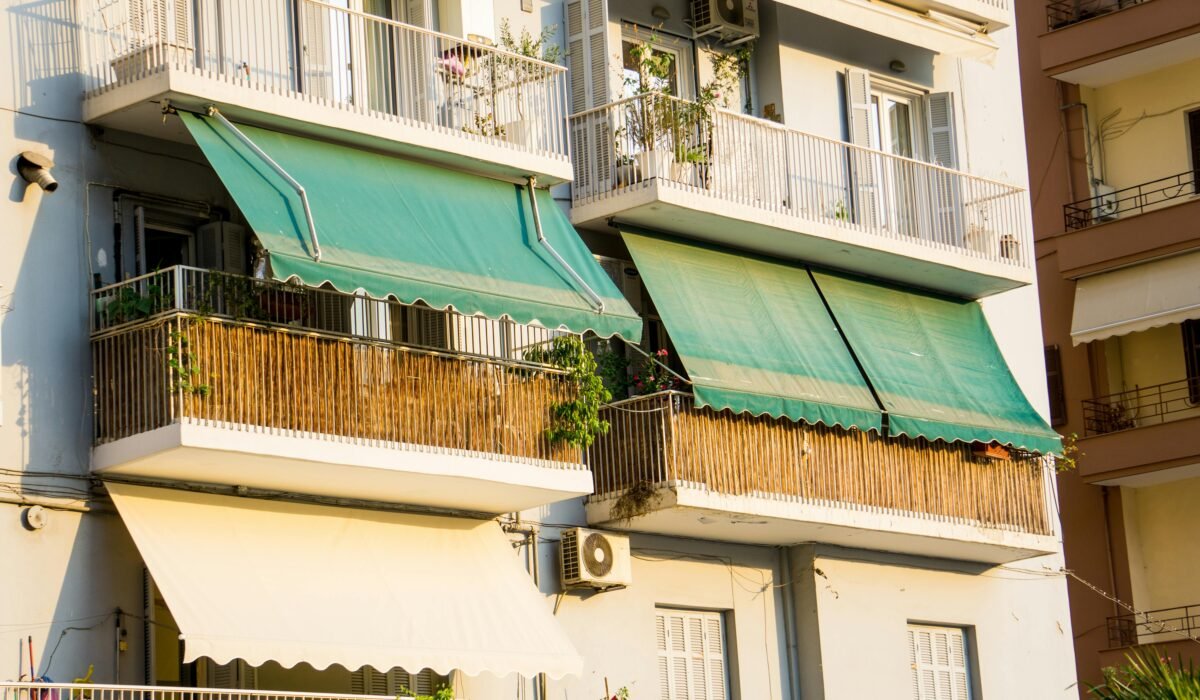
Is your balcony a sun-drenched inferno, making it a challenge to find plants that can actually thrive there? You’re not alone in seeking the **best plants sun-drenched balcony** conditions can support, and this guide will equip you with expert strategies and resilient plant choices to transform your hot outdoor space into a vibrant oasis. We’ll delve into specific plant recommendations and crucial care techniques to ensure your balcony garden flourishes, even in the most intense glare.
What Plants Thrive in Direct Sunlight on a Balcony?
The key to a successful sun-drenched balcony garden lies in selecting plants that naturally adapt to intense light and high temperatures. These are often species native to arid regions or those bred for their exceptional heat and **drought tolerant plants** qualities. What most people miss is that a balcony’s microclimate can be even harsher than a garden, with reflected heat from concrete and glass amplifying the sun’s intensity.
To truly thrive, plants need to perform under real summer conditions, not just ideal ones, as Corrina Stellitano Andrews, Garden Expert for Southern Living Plant Collection, insightfully points out. This means looking for varieties specifically labeled as “full sun” and “heat tolerant.” Your **south-facing balcony plants**, for instance, will endure the longest hours of direct, unfiltered sunlight, making hardiness a top priority.
Characteristics of Sun-Loving Balcony Plants
Look for plants with specific adaptations that help them survive the glare. Many sun-loving varieties feature thick, waxy, or hairy leaves that reduce moisture loss, while others have deep root systems or succulent tissues for water storage. These evolutionary traits are your best indicators for plant success in extreme heat.
Top Resilient Plant Categories
When considering the **best plants sun-drenched balcony** conditions, focus on categories known for their resilience. Succulents, cacti, many Mediterranean herbs, and certain flowering annuals and perennials are excellent choices. They often require less frequent watering once established, making them ideal for a **low maintenance sun plants** approach.
Best Flowers & Herbs for a Hot, Sun-Drenched Balcony
Transforming your sunny balcony into a vibrant display or a fragrant culinary haven starts with selecting the right flowers and herbs. These plants are chosen not just for their beauty or utility, but for their undeniable ability to withstand intense sun and heat.
Dazzling Heat-Loving Flowers
For continuous color throughout the hottest months, prioritize **heat-loving flowers** that won’t wilt under pressure. Many varieties offer extended bloom times and vibrant hues, making them perfect for creating a high-impact display.
- Lantana: These incredibly tough plants are a top choice for a hot, sunny balcony. Varieties like ‘Bandana Cherry’ and ‘Pink Caprice’ are dwarf types perfect for containers, while ‘Trailing Purple’ adds a beautiful cascade. Luscious® Citrus Blend™ and Luscious Royale Red Zone™ are specifically recommended for their sun, heat, and drought tolerance.
- Petunia: Modern petunia varieties, especially ‘Wave’ petunias, are celebrated for their prolific blooms and “no-deadheading” quality, meaning less fuss for you. Supertunia® Royal Velvet® and Supertunia Vista Fuchsia are also noted for their exceptional performance in full sun.
- Zinnia: Zinnias offer a burst of vibrant color and are fantastic for attracting pollinators. Burpee State Fair Mix Zinnias are a garden expert favorite, and Zahara zinnias are particularly praised for their non-stop flowers and disease resistance, making them a **low maintenance balcony plants full sun** option.
- Salvia: Rockin’® Fuchsia salvia is a powerhouse, known for its ability to attract hummingbirds and butterflies while thriving in both heat and drought. Many salvias are excellent **drought tolerant balcony plants**.
- Helianthus (Sunflower): For something truly unique, consider SunBelievable™ Brown Eyed Girl Helianthus. These seedless sunflowers bloom from spring until frost and absolutely love the heat, even with less water.
Fragrant Balcony Herbs for Sun
Many culinary herbs originate from Mediterranean climates, making them perfectly suited for a sunny balcony. These aren’t just practical; they add wonderful fragrance to your outdoor space.
- Rosemary: This woody herb thrives in full sun and well-draining soil, becoming quite drought-tolerant once established.
- Thyme: With its delicate leaves and robust flavor, thyme loves hot, dry conditions. It’s a great choice for container edges.
- Oregano: Another Mediterranean native, oregano flourishes in direct sun and can spread beautifully in a pot.
- Sage: Known for its silvery-green leaves, sage is both attractive and highly resilient to heat and drying soil.
Remember, these herbs also make excellent **fragrant balcony plants**, enhancing your outdoor living experience beyond just visual appeal.
Vegetables & Edibles for Your Sunny Balcony Garden
Growing your own food on a balcony is incredibly rewarding, and a sun-drenched space is actually ideal for many popular vegetables. Over 43% of Americans are now growing some kind of food at home, demonstrating a significant trend in urban food gardening.
Sun-Loving Vegetables for Containers
For your **vegetables for hot south-facing balcony**, choose crops that demand at least 6-8 hours of direct sunlight daily. Tomatoes, peppers, eggplants, and many leafy greens can thrive with proper care.
* **Tomatoes:** The most popular homegrown vegetable, tomatoes absolutely adore full sun. Look for determinate or bush varieties like ‘Patio’ or ‘Celebrity’ which are better suited for **container gardening extreme heat**. Ensure they have sturdy support as they grow.
* **Peppers:** Both sweet and hot peppers are sun-worshippers. They need consistent warmth to produce abundant fruit.
* **Eggplant:** Similar to tomatoes and peppers, eggplants thrive in intense heat and full sun.
* **Bush Beans:** Compact bush bean varieties can produce a surprising harvest in containers.
* **Cucumbers:** While vining, many bush cucumber varieties are available for pots, and they love the heat. Provide a small trellis for support.
* **Leafy Greens:** Surprisingly, some leafy greens like Swiss chard and certain types of lettuce (especially heat-tolerant varieties) can do well, particularly if they get some afternoon shade or are watered frequently.
Vertical Gardening for Sun-Drenched Balconies
To maximize your harvest in a small, sunny space, consider vertical gardening. This allows you to grow more plants without taking up precious floor space. You can find more detailed guidance in our article on Balcony Vertical Garden: Grow Veggies in Small Spaces. Look for systems designed for **vertical gardening sun** exposure, often made from sturdy, UV-resistant materials.
How to Keep Balcony Plants Alive in Extreme Heat?
Keeping plants alive on a hot balcony goes beyond just choosing the right varieties; it requires strategic management of their environment. Gerardo, a Landscape Designer quoted in Homes and Gardens, advises treating sun-drenched balconies like “micro-deserts” due to the intense radiant heat.
Advanced Watering Strategies
“Water regularly” is a common tip, but for intensely sunny balconies, you need more precision. Plants in containers dry out much faster than those in the ground.
* **Frequency:** In extreme heat, you might need to water daily, sometimes even twice a day, especially for smaller pots or plants in terra cotta. Check the soil moisture by sticking your finger an inch or two deep.
* **Timing:** Water early in the morning before the sun is intense, or in the late evening after the sun has begun to set. Watering during the hottest part of the day can lead to rapid evaporation and leaf scorching.
* **Deep Watering:** Ensure water drains out the bottom of the pot. This encourages deeper root growth and flushes out excess salts.
* **Self-Watering Planters:** These are game-changers for sunny balconies. They have a reservoir that supplies water to the roots as needed, significantly reducing the frequency of manual watering. DIY Drip Irrigation systems are another excellent solution for consistent moisture.
* **Precision Gardening:** The global smart gardening systems market is growing rapidly, with interest in tech-enabled plant care like smart irrigation and soil sensors. These tools can help you monitor moisture levels precisely, preventing both underwatering and overwatering.
Nutrition for Container-Bound Plants
Plants in containers have limited access to nutrients compared to those in garden beds. Fast-growing sun plants, especially, will deplete soil nutrients quickly.
* **Slow-Release Fertilizers:** Incorporate a slow-release granular fertilizer into your potting mix at the beginning of the growing season.
* **Liquid Feedings:** Supplement with a balanced liquid fertilizer every 2-4 weeks during the active growing season. Always follow package directions and avoid over-fertilizing, which can burn roots, particularly in hot, dry conditions.
Optimizing Your Balcony Microclimate: Containers, Watering & Shade
Understanding and manipulating your balcony’s unique microclimate is crucial for plant success. This involves smart choices in containers, refined watering techniques, and strategic shade solutions.
Container Selection: Material, Size, & Color
The type of container you choose has a significant impact on soil temperature and moisture retention. This is a critical aspect of **container gardening tips** often overlooked for sun-drenched spaces.
* **Material:**
* Plastic: Generally good as they retain moisture well, but dark colors can absorb heat. Lighter-colored plastic pots reflect more sun.
* Terra Cotta: Porous and attractive, but they evaporate water quickly, making them less ideal for very hot, sunny balconies unless you’re prepared for daily watering.
* Metal: Not recommended. Metal containers conduct heat rapidly, literally “cooking” plant roots in direct sun.
* **Size:** Always opt for the largest containers your space and plants allow. Larger pots hold more soil, which means more moisture and a more stable soil temperature. This slows down evaporation, keeping roots happier.
* **Color:** Lighter-colored containers reflect sunlight and absorb less heat, keeping soil temperatures cooler than dark-colored pots.
* **Double Potting:** For smaller or heat-sensitive plants, place a smaller pot inside a larger, decorative one, filling the gap with insulating material like sphagnum moss or even just air. This creates an insulating layer, protecting roots from extreme heat.
* **Self-watering planters** are particularly effective for **balcony microclimate management** as they provide a consistent water supply.
Balcony Shade Solutions & Placement
Even sun-loving plants can benefit from a break from the most intense afternoon sun, especially in regions with extreme heat.
* **Living Umbrellas:** As landscape designer Gerardo suggests, consider using “living umbrellas” like dwarf olive trees or bougainvillea in large pots to cast shade over more delicate plants.
* **Shade Cloths:** Temporary shade cloths can be rigged up during peak heat waves.
* **Strategic Placement:** Arrange taller, more robust plants to cast natural shade for shorter, slightly less heat-tolerant companions. You can find more creative ideas in our guide to Best Balcony Garden Shade Solutions.
Managing Pests & Maximizing Space on Sun-Drenched Balconies
Confined spaces like balconies can present unique challenges for pest management and maximizing your planting potential. Effective strategies are crucial for maintaining a healthy and productive garden.
Balcony Pest Control Strategies
Pests can quickly become an issue in a concentrated balcony environment. The proximity to living spaces often means you want to avoid harsh chemical treatments.
* **Regular Inspection:** Inspect your plants daily for any signs of pests (sticky leaves, tiny insects, chewed edges). Early detection is key.
* Manual Removal: For larger pests like caterpillars, simply pick them off. For smaller ones, a strong spray of water can dislodge them.
* **Neem Oil:** A natural insecticide that disrupts pest life cycles. Apply according to package directions, typically in the evening to avoid burning leaves in the sun.
* **Insecticidal Soap:** Effective against soft-bodied insects like aphids, spider mites, and whiteflies. Again, apply during cooler parts of the day.
* **Companion Planting:** Certain plants can deter pests. Marigolds, for example, are known to repel nematodes and other garden pests.
* **Attract Beneficial Insects:** Encourage ladybugs and lacewings, which prey on common pests.
* For a comprehensive approach to natural pest control, refer to our article on DIY Organic Pest Control: Natural Solutions for Healthy Gardens.
Maximizing Space with Vertical and Hanging Solutions
Even the smallest balcony can host a thriving garden with smart space utilization.
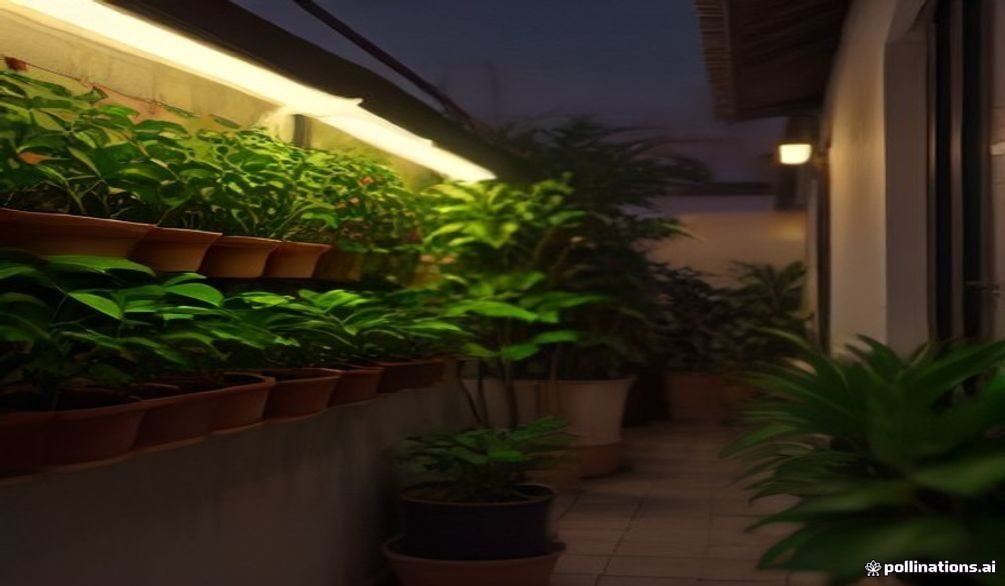
* **Vertical Planters:** Systems that attach to walls or railings are excellent for growing herbs, strawberries, or smaller flowers. This is particularly effective for **vertical gardening sun** exposure, as all plants get ample light.
* **Hanging Baskets:** Ideal for trailing plants like ‘Wave’ petunias, calibrachoa, or cascading herbs. Ensure they are securely mounted and can withstand wind.
* **Tiered Planters:** These allow you to stack multiple pots, creating layers of greenery.
* **Rail Planters:** Designed to hook directly onto balcony railings, maximizing usable space.
Designing Your Sun-Loving Balcony Oasis: Tips for Success
Creating a beautiful and resilient sun-drenched balcony oasis involves more than just plant selection; it’s about thoughtful design and ongoing care. According to Monrovia’s Chief Marketing Officer, Katie Tamony, there’s a significant trend towards “patio culture” where people are creating whole gardens with beautiful, low-maintenance containers.
Thriller, Filler, Spiller Combinations
This popular design principle helps create visually appealing and balanced container arrangements.
* Thriller: A tall, dramatic plant that provides vertical interest. Examples for sun include Canna lilies, ornamental grasses, or a dwarf olive tree.
* Filler: Medium-height plants that fill out the middle of the container, providing volume and color. Think Supertunia® petunias, zinnias, or Salvia. Garden Design suggests silver artemisia as a great filler.
* Spiller: Plants that trail over the edge of the container, softening the edges and adding a cascading effect. Calibrachoa, sweet potato vine, or ‘Trailing Purple’ lantana are excellent choices.
* Proven Winners highlights a combination of SunSparkler® Firecracker Sedum (filler), Giga® Blue Pincushion (thriller), and VIBE® Ignition Purple Salvia (filler) for hot, sunny locations, demonstrating expert-approved groupings.
Incorporating Hardscaping and Decor
Don’t forget the non-plant elements that contribute to your balcony’s comfort and aesthetic.
* **Light-Colored Surfaces:** If possible, choose light-colored flooring or rugs that reflect heat rather than absorbing it.
* **Comfortable Seating:** Create a relaxing spot to enjoy your garden.
* **Decorative Elements:** Add lanterns, small statues, or wind chimes to personalize your space.
* **Water Features:** Even a small tabletop fountain can add a soothing sound and slightly increase local humidity.
Ultimately, designing your balcony oasis is about creating a harmonious environment where both you and your plants can thrive, even in the sun’s full embrace.
Frequently Asked Questions
What plants thrive in direct sunlight on a balcony?
Plants that thrive in direct sunlight on a balcony are typically those with high heat and drought tolerance, often native to arid or Mediterranean climates. Excellent choices include flowering annuals like Lantana, Petunia, and Zinnia, herbs such as Rosemary and Thyme, and vegetables like tomatoes and peppers. These plants are adapted to prolonged exposure to intense sun and reflected heat.
What is the best flower for a hot, sunny balcony?
The best flowers for a hot, sunny balcony are varieties known for their exceptional heat and drought tolerance, often requiring minimal deadheading for continuous blooms. Lantana, particularly ‘Bandana Cherry’ or Luscious® Citrus Blend™, and modern ‘Wave’ petunias or Supertunia® varieties are top contenders, offering vibrant color and resilience throughout the summer. Zahara zinnias are also praised for their non-stop flowers and disease resistance in full sun.
What is a good plant for a south facing balcony?
A good plant for a south-facing balcony needs to withstand the longest hours of intense, direct sunlight, often amplified by reflected heat from building surfaces. Succulents, cacti, Mediterranean herbs like oregano and sage, and tough flowering plants such as bougainvillea, salvia, and helianthus (like SunBelievable™ Brown Eyed Girl) are all excellent choices. These plants are inherently **drought tolerant balcony plants** and can handle the extreme exposure.
How do you keep plants alive on a hot balcony?
To keep plants alive on a hot balcony, it’s crucial to implement strategic care and environmental management. This includes selecting appropriate heat-tolerant plants, using large, light-colored containers to regulate soil temperature, and employing advanced watering strategies like self-watering planters or daily deep watering in the early morning. Additionally, providing some form of afternoon shade and ensuring proper nutrition for container-bound plants are vital for their survival and thriving.
Cultivating a thriving garden on a sun-drenched balcony is entirely achievable with the right knowledge and plant choices. By embracing a “micro-desert” approach, selecting resilient varieties, and implementing smart strategies for **balcony microclimate management**, you can create a vibrant, beautiful, and productive outdoor space. Start planning your sunny balcony oasis today and watch your chosen plants flourish, bringing joy and greenery to your urban environment.