Dreaming of fresh, homegrown fruit but feel overwhelmed by where to start? Discovering the easiest fruit trees for beginners is the first step to cultivating your very own productive backyard orchard, transforming your garden into a source of delicious harvests. This guide cuts through the confusion, offering clear, actionable advice to help you select and grow fruit trees with confidence, even if you’ve never gardened before.
Why Start a Backyard Orchard: Benefits for Beginners?
Embarking on backyard orchard planning for beginners offers a bounty of rewards beyond just fresh fruit. Imagine stepping outside to pluck a ripe peach or a crisp apple, knowing exactly how it was grown.
Homegrown fruit provides superior flavor and nutrition compared to store-bought options, which are often picked unripe and travel long distances. What most people miss is the satisfaction and connection to nature that comes from nurturing a living, fruit-bearing plant.
Beyond the personal gratification, there are significant economic and environmental advantages. The average U.S. garden, even a modest 600 sq. ft., can produce an estimated $600 worth of food, yielding an impressive 757% return on investment, according to 2021 data. This makes growing your own food a truly smart financial move.
Furthermore, planting fruit trees contributes to a healthier planet. A single mature fruit tree can absorb up to 20 kg of CO2 annually, actively promoting sustainable urban environments. With 18.3 million U.S. households starting gardening in 2021, the trend towards home food production is clear, reflecting a growing desire for self-sufficiency and ecological impact.
How to Choose the Easiest Fruit Trees for Your Climate & Space
Selecting the right fruit tree for your specific conditions is the most critical step for beginner success. Ignoring your local climate and available space is a common pitfall that can lead to disappointment.
The RHS (Royal Horticultural Society) wisely advises, “Plant fruit trees and bushes in the right spot and they’ll give you years of flavoursome crops. The main influence on positioning specific fruit crops is the site and aspect of your plot: light, temperature and exposure all have an important impact on the selection of fruit you can grow.”
Understanding Your Climate: Hardiness Zones & Chill Hours
Your climate dictates which fruit trees will thrive. The first thing you need to know is your USDA Plant Hardiness Zone. This zone indicates the average annual extreme minimum winter temperature, telling you which plants can survive your coldest winters. You can easily find your zone by entering your zip code on the USDA website.
Equally important are chill hours fruit trees require. Chill hours represent the total number of hours a tree needs to experience temperatures between 32°F and 45°F (0°C to 7.2°C) during its dormant period to properly set fruit the following spring. If a tree doesn’t get enough chill, it may not flower or fruit correctly. Many university extension services, like the University of Illinois Extension, emphasize adapting species and cultivars to local growing conditions for this very reason.
For example, if you live in a warmer climate (like Zone 9 or 10), you’ll need low-chill varieties, whereas colder zones (like 5 or 6) require trees that tolerate more intense winters and longer chill periods. Always check the specific chill hour requirements for any variety you consider.
Assessing Your Space: Dwarf Fruit Trees & Fruit Trees for Containers
Even with a small garden or just a patio, you can still enjoy a fruitful harvest thanks to innovations in compact fruit gardening. Dwarf fruit trees and semi-dwarf varieties are perfect for limited spaces, typically growing to just 6-15 feet tall.
These smaller trees make harvesting, pruning, and pest management much easier. For truly tiny areas, consider fruit trees for containers; citrus, figs, and even some dwarf apple varieties can flourish in large pots, offering flexibility to move them indoors during extreme weather or to optimize sun exposure.
The “compact fruit gardening” trend is expected to lead in the UK by 2026, focusing on growing food in limited spaces, a testament to the viability of small space fruit trees. When choosing, look for varieties explicitly labeled ‘dwarf’ or ‘container-friendly’.
Sunlight & Soil: The Foundation of Growth
Most fruit trees demand at least 6-8 hours of direct sunlight per day to produce well. A sunny spot is non-negotiable for abundant fruit. Observe your garden throughout the day to identify the sunniest locations.
Good drainage is also paramount. Fruit trees despise “wet feet,” meaning their roots sitting in waterlogged soil. If your soil is heavy clay, consider amending it with compost or planting in raised beds to improve drainage. A simple soil test can reveal nutrient deficiencies or pH imbalances, which you can then correct before planting.
Top 5 Easiest Fruit Trees for Beginners to Grow
When searching for the easiest fruit trees for beginners, certain varieties consistently prove to be low maintenance fruit trees with reliable yields. These selections are chosen for their resilience, adaptability, and minimal care requirements, making them ideal for new growers.
- Figs (e.g., ‘Chicago Hardy’): Figs are arguably one of the least risky fruit trees for beginners. As Master Gardener Josh Davis notes, “figs want to grow… they will always produce fruit quickly. Early, they’re very reliable. You don’t have to cross pollinate.” Varieties like ‘Chicago Hardy’ are exceptionally cold-tolerant (down to Zone 5 with protection) and self-fertile, producing sweet purple fruit with minimal fuss. They also do well in containers.
- Lemons (e.g., ‘Improved Meyer’): For those in warmer climates or with space for a container, ‘Improved Meyer’ lemons are a dream. They are disease resistant fruit trees, self-fertile, and produce abundant, sweet-tangy fruit almost year-round. Their compact size makes them perfect for pots, allowing you to bring them indoors if winter temperatures drop too low.
- Peaches (e.g., ‘Redhaven’, ‘Reliance’): Many peach varieties are self-fertile and offer excellent pest and disease resistance, like the heirloom ‘Elberta’. ‘Redhaven’ and ‘Reliance’ are popular semi-dwarf peach varieties known for their delicious fruit and adaptability. Just ensure you select a variety suited to your chill hours.
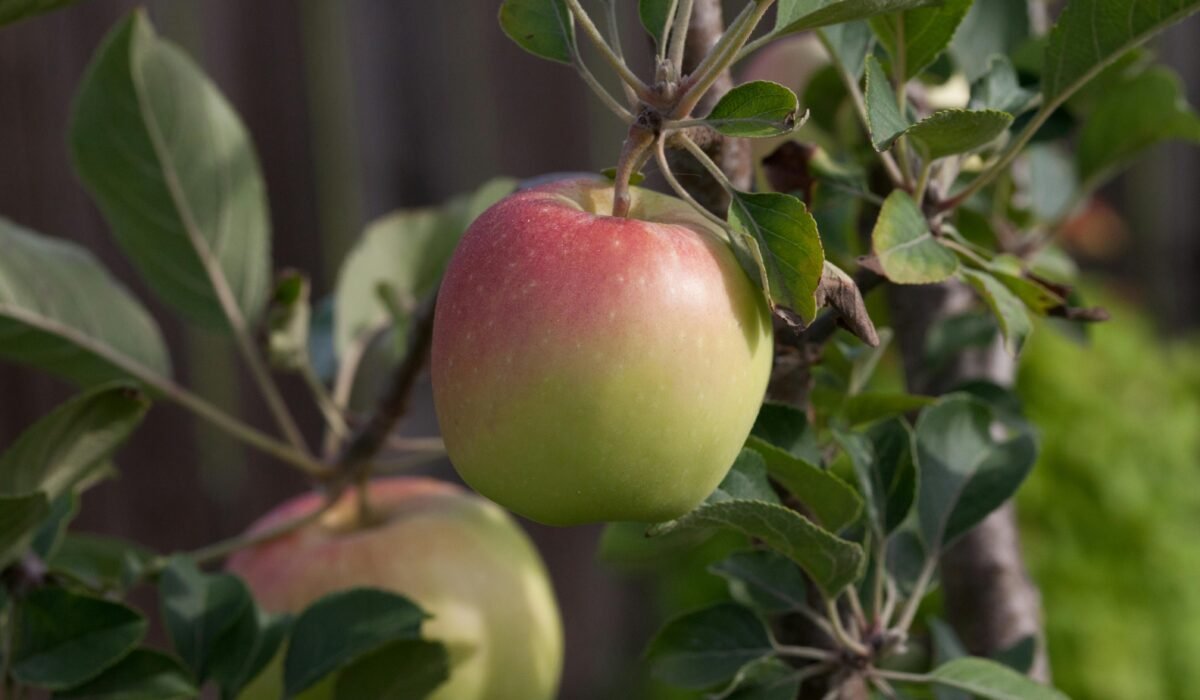
- Apples (Dwarf ‘Honeycrisp’, ‘Golden Delicious’): While some apples require cross-pollination, many dwarf apple varieties are surprisingly straightforward. Look for classic, reliable choices like ‘Honeycrisp’ or ‘Golden Delicious’ on dwarf rootstock for manageable size and good production. For warmer climates, ‘Anna’ and ‘Dorsett Golden’ are excellent low-chill apple options.
- Asian Pears: Often overlooked, Asian pears are an excellent choice for beginner fruit tree selection. They are known for being low maintenance and highly productive, with many varieties exhibiting good disease resistance. While some are self-fertile, planting two different varieties often leads to better yields.
When selecting any of these, always prioritize disease resistant fruit trees to minimize your workload and reliance on chemical treatments.
Maximizing Your Harvest: Self-Pollinating & Fast-Producing Fruit Trees
To truly maximize your backyard orchard’s potential, especially for beginners, focus on varieties that simplify the pollination process and offer quicker returns. This allows you to enjoy fruit sooner and with less effort.
The Advantage of Self-Pollinating Fruit Trees
One of the biggest concerns for new growers is ensuring their trees will actually produce fruit. Many fruit trees require another compatible variety nearby for cross-pollination to occur. However, self-pollinating fruit trees eliminate this need, making them incredibly appealing for beginners or those with limited space for multiple trees. These trees can pollinate themselves, ensuring a harvest even if planted alone. Examples include many varieties of peaches, apricots, figs, and some plums and cherries. When in doubt, check the plant tag or ask your nursery if a specific variety is self-fertile. If you’re looking to boost your backyard harvest, understanding pollination is key, and our guide on Pollinating Fruit Trees offers more in-depth advice.
Fastest Growing Fruit Trees for Quick Rewards
Patience is a virtue in gardening, but getting fruit quickly can be incredibly motivating for beginners. Some fruit trees are known for their rapid growth and early production, often bearing fruit within 1-3 years of planting. Figs are a prime example, often fruiting in their first or second year. Certain peach and nectarine varieties, as well as some dwarf apple and pear trees, can also surprise you with a swift harvest.
Here’s a list of fruit trees generally considered fast-producing:
- Figs: Often fruit in 1-2 years.
- Peaches & Nectarines: Can fruit in 2-3 years.
- Lemons & Limes: Container-grown citrus can fruit in 1-3 years.
- Dwarf Apples & Pears: Many dwarf varieties begin fruiting in 2-3 years.
- Mulberries: Known for fast growth and abundant berries, often in 1-2 years.
Choosing these varieties gives you a taste of success quickly, encouraging you to continue expanding your orchard.
Smart Orchard Planning: Year-Round Harvests in Small Spaces
The vision for your backyard orchard should extend beyond just growing fruit; it’s about creating a continuous supply of fresh produce. This requires strategic planning, especially when dealing with small space fruit trees.
Embracing Backyard Orchard Culture (BOC)
The “Backyard Orchard Culture” concept, championed by Dave Wilson Nursery, is a game-changer for maximizing yield in limited areas. The core idea is to plant multiple dwarf fruit trees (2-3, sometimes even 4) in a single hole, spaced closely (24-48 inches apart), and then aggressively prune them to keep them small – typically 6-8 feet tall. This approach offers several benefits:
- Increased Variety: You can grow more types of fruit in a small footprint.
- Extended Harvest: By choosing varieties with different ripening times, you achieve succession planting fruit, ensuring a continuous supply.
- Easier Maintenance: Smaller trees are simpler to prune, thin, and harvest.
In practice, this means you might plant a ‘Redhaven’ peach (early season), an ‘Elberta’ peach (mid-season), and a ‘Reliance’ peach (late season) all together, providing fresh peaches for months. This strategy is also excellent for ensuring cross-pollination if your chosen varieties aren’t self-fertile.
Designing for Succession Planting & Continuous Yield
The goal of succession planting is to have something ripe to pick from spring through fall, and even into winter for some climates. This requires a bit of foresight in your fruit tree selection guide. For instance, you could combine:
- Early Spring: Serviceberries or early cherries.
- Late Spring/Early Summer: Strawberries (groundcover), mulberries, early peaches.
- Mid-Summer: Mid-season peaches, plums, early apples.
- Late Summer/Early Fall: Pears, late apples, figs.
- Fall/Early Winter: Persimmons, pomegranates (in suitable climates).
This kind of thoughtful backyard orchard planning for beginners transforms your garden into a dynamic, productive space. You can also incorporate espalier techniques for apples, pears, or even plums, training them to grow flat against a wall or fence, further saving space. If you’re looking for more ways to get the most out of your garden, our article on Maximize Small Garden Yields offers additional smart planting tips.
Beginner’s Guide to Organic Pest & Disease Management
One of the biggest concerns for new fruit tree growers is keeping their trees healthy without resorting to harsh chemicals. The good news is that effective organic fruit tree care is entirely achievable, focusing on prevention and natural solutions. The goal here is to create a resilient ecosystem where trees thrive and pests are kept in check naturally.
Prevention is Key: Site Selection & Healthy Trees
The best defense against pests and diseases starts before you even plant. Choosing disease resistant fruit trees, as mentioned earlier, significantly reduces future problems. A healthy tree is naturally more resistant to issues, so ensure optimal sunlight, proper drainage, and balanced soil nutrients. MSU Extension rightly points out that fruit trees “do, however, require considerable care, and people who are not willing or able to devote some time to their home orchard probably will be disappointed in their harvests.” This care begins with smart planting choices.
Good air circulation around your trees also helps prevent fungal diseases like powdery mildew. Avoid planting trees too close together, and prune them annually to open up their canopy. For specific advice on fungal issues, you might find our guide on Powdery Mildew Control helpful.
Organic Strategies for Common Pests
When pests do appear, organic solutions focus on non-toxic methods that protect beneficial insects. Here are some beginner-friendly strategies:
- Hand-picking: For larger pests like caterpillars or stink bugs, simply remove them by hand.
- Horticultural Oils & Insecticidal Soaps: These organic sprays smother soft-bodied pests like aphids and scale. Apply them according to package directions, typically during dormant periods or on cooler days to avoid leaf burn.
- Companion Planting: Growing certain plants near your fruit trees can deter pests or attract beneficial insects. For example, planting garlic around cherry trees is said to deter some pests, and marigolds can repel nematodes.
- Traps: Pheromone traps can disrupt mating cycles of some insect pests, while sticky traps can monitor and catch others.
For more comprehensive organic solutions, our article on DIY Organic Pest Control offers a wealth of natural strategies.
Managing Diseases Organically
Many fruit tree diseases are fungal. Beyond good air circulation, here’s how to manage them:
- Sanitation: Remove and dispose of any diseased leaves, branches, or fallen fruit promptly. This prevents spores from overwintering and reinfecting the tree.
- Copper or Sulfur Sprays: These are approved organic fungicides that can be used preventatively, especially during dormant season or early spring, to control common fungal issues like peach leaf curl or apple scab.
- Resistant Varieties: Reiterate the importance of choosing varieties known for their resistance to common local diseases.
Remember, a healthy soil ecosystem, rich in organic matter, supports strong root systems and resilient trees, making them less susceptible to both pests and diseases.
Planting Your Backyard Orchard: Essential First Steps
Once you’ve carefully selected your easiest fruit trees for beginners, it’s time to get them in the ground. Proper planting is crucial for establishing strong, healthy trees that will produce fruit for years to come. Don’t rush this stage; a little extra effort now pays dividends later.
Site Preparation: Digging the Right Hole
Before you even dig, ensure your chosen spot receives ample sunlight (6-8 hours daily) and has good drainage. The hole you dig should be twice as wide as the root ball and just as deep. The goal is to give the roots plenty of loose soil to spread into, but not to bury the tree too deeply.
When you remove the tree from its container, gently loosen any circling roots. For bare-root trees, spread the roots out carefully. The root flare – where the trunk widens at the base – should be visible at or slightly above soil level once planted. This is a common mistake that can stifle growth.
Planting and Initial Care
Place the tree in the center of the hole, ensuring the root flare is correctly positioned. Backfill the hole with the soil you dug out, gently tamping it down to remove large air pockets. Avoid adding excessive amendments directly into the planting hole, as this can create a “pot effect” where roots are reluctant to grow into the surrounding native soil.
Once planted, water the tree deeply and thoroughly. This settles the soil around the roots and eliminates any remaining air pockets. Create a small soil berm around the edge of the planting hole to create a watering basin that helps retain moisture during the establishment phase. A layer of organic mulch (2-4 inches deep) around the tree, keeping it a few inches away from the trunk, will help retain moisture, suppress weeds, and moderate soil temperature.
Finally, consider staking your young tree if it’s in a windy location or has a particularly slender trunk. This provides stability while the root system develops, preventing damage from swaying. Remove stakes after a year or two to encourage the trunk to strengthen naturally. These essential first steps lay the groundwork for a thriving, productive backyard orchard.
Frequently Asked Questions
What is the easiest fruit tree for a beginner?
For beginners, figs, especially varieties like ‘Chicago Hardy’, are often considered the easiest fruit trees to grow due to their resilience, self-fertility, and quick production. They are adaptable to various climates and can even thrive in containers, making them a reliable choice for new gardeners.
What is the best fruit tree for a small backyard?
The best fruit trees for a small backyard are dwarf or semi-dwarf varieties, or those suitable for container gardening. Citrus trees like ‘Improved Meyer’ lemons, dwarf apple varieties on appropriate rootstock, and figs excel in limited spaces, allowing you to enjoy fresh fruit without needing a large plot.
What fruit tree produces fruit the fastest?
Figs are widely recognized as one of the fastest growing fruit trees, often producing fruit within 1-2 years of planting. Certain peach and nectarine varieties, as well as some dwarf apple and pear trees, can also yield fruit relatively quickly, typically within 2-3 years.
What fruit trees are self-pollinating?
Many fruit trees are self-pollinating, meaning they can produce fruit without needing a second tree of a different variety for cross-pollination. Common self-fertile options include most peaches, apricots, figs, and specific varieties of plums, sour cherries, and some apples. Always check the specific cultivar for its pollination requirements.
Starting your own backyard orchard is an incredibly rewarding journey that brings fresh, delicious fruit right to your doorstep. By focusing on the easiest fruit trees for beginners and making informed choices about climate, space, and care, you’re setting yourself up for success. Remember, a little planning goes a long way in creating a smart, sustainable, and productive garden. Now, take the next step: research your local hardiness zone and chill hours, then choose one of these beginner-friendly trees to plant this season!