
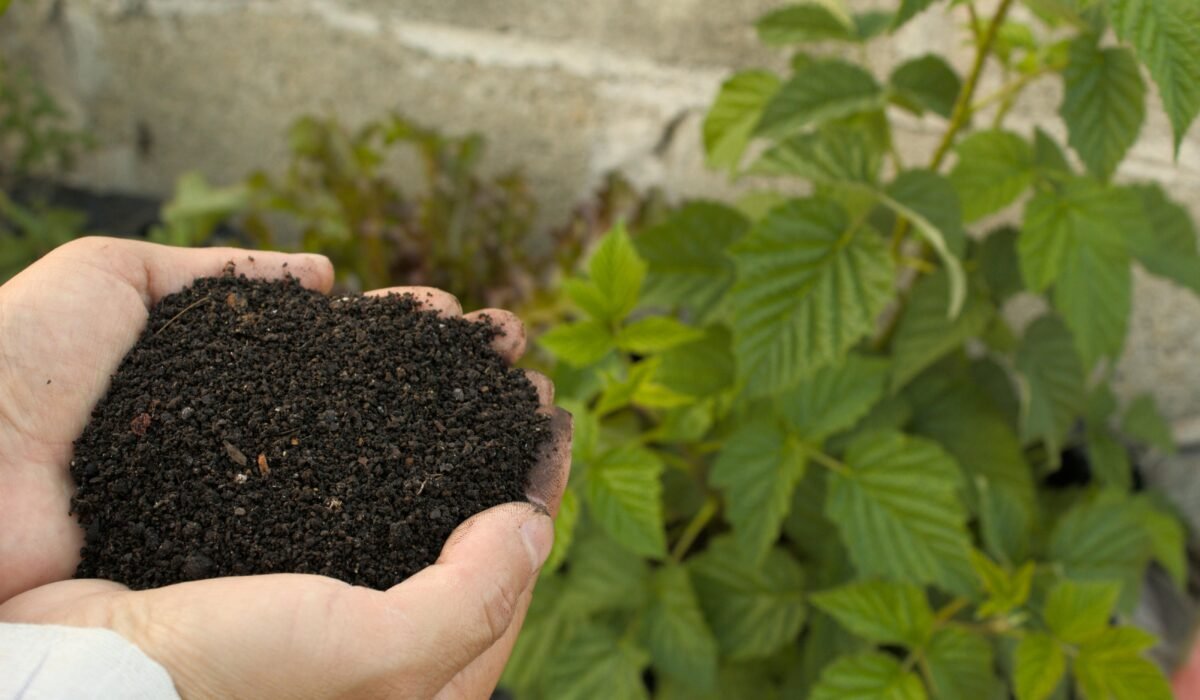
Are you tired of lackluster harvests and struggling plants, even when you follow all the rules? The secret to a thriving garden often lies beneath the surface, and mastering the art of building healthy soil organically is the most impactful step you can take. This comprehensive guide will equip you with the knowledge and practical steps to transform your garden by enriching its foundation with organic amendments, ensuring vibrant growth and abundant yields for years to come.
What Exactly is Healthy Soil and Why is it Crucial for Your Garden?
Healthy soil is far more than just inert dirt; it’s a dynamic, living ecosystem that serves as the bedrock for all plant life. It’s a complex blend of air, water, minerals, organic matter, and an astounding array of living organisms, from microbes and fungi to insects and earthworms. This intricate network is often referred to as the soil food web, where every component plays a vital role.
The importance of robust soil health management cannot be overstated for your garden’s success. Healthy soil provides essential plant nutrients in forms that plants can readily absorb, acts as a sponge for superior water retention, and offers natural defense against pests and diseases. “Healthy soil is the finest capital,” states a veteran smallholder, underscoring its long-term value. In practice, this means less watering, fewer chemical interventions, and far more vigorous plants.
Research consistently demonstrates the tangible benefits of organic approaches. An analysis of nine years of data from the National Soil Project revealed that organically managed soils boast an average organic matter content of 8.33 percent, significantly higher than the 7.37 percent in conventionally managed soils. This higher organic matter directly translates to improved soil structure, better drainage, and a richer environment for beneficial soil biology basics.
How to Build Healthy Soil Organically: Foundational Steps
Embarking on the journey of building healthy soil organically begins with a few foundational principles that prioritize nature’s processes. The first step is always to understand your starting point, which is why a soil test (discussed in detail later) is invaluable. Once you have a baseline, the overarching goal is to feed the soil, not just the plants.
Minimal Disturbance and Mulching
One of the cornerstones of organic soil health is minimizing disturbance. Practices like no-till or reduced tillage preserve the delicate structure of the soil and protect the complex soil food web. Every time you dig or turn the soil excessively, you disrupt fungal networks and beneficial microbial communities that are working hard to support your plants.
Applying a generous layer of organic mulch is another immediate and effective way to how to enrich garden soil naturally. Mulch, such as shredded leaves, straw, or wood chips, protects the soil from erosion, regulates temperature, suppresses weeds, and slowly breaks down to contribute valuable organic matter. This continuous input is crucial for fostering a thriving soil environment.
The Power of Compost
Without a doubt, compost is the ultimate organic soil amendment and should be the backbone of your soil-building efforts. Often called “black gold,” compost is decomposed organic material rich in nutrients and beneficial microorganisms. It improves soil structure, enhances water retention, and provides a slow-release source of plant nutrients. For a deeper dive into making your own, check out our guide on Composting 101: Simple Steps for Beginner Gardeners. The benefits of compost for gardens are truly unparalleled, making it an indispensable tool for any organic gardener.
The Best Organic Soil Amendments for Thriving Plants
Once you have the foundational practices in place, specific organic soil amendments can be strategically added to address particular needs and further boost soil vitality. These amendments fall into various categories, each offering unique contributions to your garden’s health. What most people miss is that these aren’t just fertilizers; they are building blocks for a living system.
General Soil Conditioners
These amendments focus on improving the overall structure, microbial activity, and organic matter content of your soil.
- Compost: As mentioned, this is paramount. It enhances soil structure, boosts microbial life, improves water retention, and provides balanced plant nutrients. A case study in a market garden near Stockholm, Sweden, demonstrated an average increase in yields of 72% across eight different crop types in the first growing season after implementing biologically complete compost.
- Worm Castings (Vermicompost): These are highly concentrated, nutrient-rich amendments produced by earthworms. They contain beneficial microbes, enzymes, and humic acids that significantly improve plant growth and disease resistance.
- Biochar: A stable form of carbon produced from organic material, biochar significantly improves water retention, boosts nutrient absorption, and strengthens plant roots. Brands like Wakefield Biochar with Mycorrhizal Fungi offer blends specifically designed to enhance these benefits.
Nutrient Boosters
These amendments provide specific nutrients that your plants might need in larger quantities.
- Aged Animal Manures: Cow, horse, chicken, and rabbit manures are excellent sources of nitrogen, phosphorus, and potassium (N-P-K), along with micronutrients. Always ensure manure is well-aged (composted for at least 6 months) to prevent burning plants with excess nitrogen and to kill weed seeds and pathogens. Charlie’s Compost, made from antibiotic-free chicken manure and biochar, is a popular commercial option.
- Kelp Meal: Derived from seaweed, kelp meal is rich in trace minerals, vitamins, and growth hormones that stimulate root development and overall plant vigor.
- Bone Meal: A slow-release source of phosphorus, crucial for strong root development, flowering, and fruiting.
- Alfalfa Meal: Provides nitrogen and also contains triacontanol, a natural growth stimulant. It’s excellent for overall plant health.
- Azomite Rock Dust: This volcanic rock dust is renowned for containing over 70 trace minerals, helping to replenish depleted soils and ensure plants receive a full spectrum of micronutrients.
Soil Structure Improvers
For challenging soil types like heavy clay or sandy soils, specific amendments can make a big difference.
- Greensand: A natural mineral deposit, greensand helps to loosen heavy clay soil and improves drainage, while also supplying potassium and trace minerals.
- Gypsum: Particularly useful for improving clay soil organically, gypsum helps to aggregate clay particles, improving drainage and aeration without significantly altering pH.
When considering organic soil amendments for raised beds, remember that these contained environments can deplete nutrients faster, so a consistent amendment strategy is key. Reputable brands like G&B Organics and E.B. Stone offer a wide range of specialized soil conditioners and planting mixes perfect for raised bed gardening.
Deciphering Your Soil Test: Tailoring Organic Amendments
Many articles mention soil testing, but few delve into the practicalities of interpreting the results to precisely choose your organic amendments. This is where true expertise shines. A soil test is your garden’s report card, offering invaluable insights into its current health and specific needs. Without it, you’re essentially gardening blind, risking over-application or insufficient amendment.
Understanding Your Soil Test Report
Once you receive your soil test results (typically from a local university extension office or private lab), focus on these key areas:
- pH Level: This measures your soil’s acidity or alkalinity. Most garden vegetables thrive in a slightly acidic to neutral range (6.0-7.0).
- If your pH is too low (acidic), add wood ash (in moderation), dolomitic lime, or finely ground eggshells to raise it.
- If your pH is too high (alkaline), incorporate elemental sulfur, peat moss, or plenty of compost to lower it.
- Macronutrients (N-P-K): Nitrogen (N), Phosphorus (P), and Potassium (K) are the primary nutrients plants need.
- Low Nitrogen: Boost with alfalfa meal, blood meal, or aged manures.
- Low Phosphorus: Use bone meal or rock phosphate.
- Low Potassium: Add greensand or kelp meal.
- Micronutrients: These are trace minerals like iron, zinc, manganese, etc., needed in smaller amounts but crucial for plant health. If deficient, amendments like Azomite Rock Dust or kelp meal can provide a broad spectrum.
- Organic Matter Percentage: This is a critical indicator of soil health. Aim for at least 5% (and ideally higher) for optimal fertility and structure. If low, focus heavily on adding compost, leaf mold, and practicing cover cropping.
By understanding these numbers, you move beyond guesswork, ensuring you apply the right organic soil amendments exactly where they’re needed. This precise approach is central to effective soil health management and avoids the common mistake of over-applying certain nutrients, which can be detrimental to plant growth.
DIY vs. Commercial Organic Amendments: Choosing What’s Right for You
When it comes to sourcing organic soil amendments, gardeners have two primary paths: making them yourself or purchasing commercial products. Both have distinct advantages and disadvantages, and the best choice often depends on your resources, time, and specific gardening goals. The short answer is, there’s a place for both in a truly sustainable garden.
DIY Organic Amendments
Creating your own amendments, such as compost and vermicompost, embodies the spirit of sustainable gardening.
- Advantages:
- Cost-Effective: You convert kitchen scraps and yard waste into valuable soil builders, significantly reducing gardening expenses.
- Sustainable: Reduces waste sent to landfills and minimizes your carbon footprint.
- Custom Quality: You control the inputs, ensuring your compost is free from unwanted chemicals or additives.
- Disadvantages:
- Time and Effort: Composting requires consistent turning and monitoring, while vermicomposting needs careful management.
- Space Requirements: Traditional compost piles can take up considerable space, though urban-friendly composting systems like tumblers or worm bins offer solutions for smaller areas.
Commercial Organic Amendments
For convenience and specific needs, commercial products offer ready-to-use solutions.
- Advantages:
- Convenience: Ready-to-use products save you time and effort.
- Guaranteed Analysis: Most commercial products provide a clear breakdown of nutrient content, allowing for precise application based on your soil test.
- Specific Formulations: You can find specialized mixes for different plant types or gardening needs, like those from G&B Organics or E.B. Stone.
- Disadvantages:
- Cost: Purchasing amendments can add up, especially for larger gardens. The global soil health management market was estimated at USD 14.70 billion in 2024, with the organic amendments segment holding the highest market share of 37.6%, reflecting their commercial significance.
- Packaging Waste: Many products come in plastic bags, contributing to environmental waste.
Ultimately, a balanced approach often works best. You might produce your own compost for bulk organic matter and purchase specialized amendments like bone meal or Azomite Rock Dust to address specific nutrient deficiencies identified by your soil test. This strategy allows you to benefit from both the sustainability of DIY and the precision of commercial products.
Long-Term Strategies for Sustainable Organic Soil Management
Building healthy soil isn’t a one-time event; it’s an ongoing commitment that yields increasing returns over time. A truly thriving garden relies on continuous, sustainable practices that mimic natural ecosystems. Think of it as a multi-year investment in your garden’s future.
Cover Cropping and Crop Rotation
Two of the most powerful tools in long-term soil health management are cover cropping and crop rotation.
- Cover Cropping: Planting non-cash crops like legumes (clover, vetch) or grains (rye, oats) during off-seasons offers a multitude of benefits. They prevent erosion, suppress weeds, add significant organic matter when tilled in, and legumes even fix atmospheric nitrogen, naturally enriching the soil. Cornell Vegetable Program demonstration trials showed that mowing and tarping cover crops can be a labor and cost-efficient way to terminate them in small-scale urban farming, leading to increased soil aggregate formation and moisture retention.
- Crop Rotation: This practice involves changing the location of specific crops each season. It helps prevent the build-up of soil-borne diseases and pests, and it balances nutrient uptake, as different plants have varying nutrient requirements.
Continuous Mulching and Feeding the Soil Food Web
Maintaining a consistent layer of organic mulch is vital for ongoing soil protection and enrichment. As the mulch breaks down, it continuously adds organic matter, fostering the diverse microbial life that constitutes the soil food web. This complex community of bacteria, fungi (including beneficial mycorrhizal fungi), protozoa, and nematodes is responsible for cycling nutrients and making them available to plants. “Farming with nature’s rhythms outperforms chemistries,” declares a seasoned organic advocate, highlighting the efficacy of these natural methods.
The long-term impact of these strategies is profound. A gardener successfully transformed infertile soil into a “crumbly black fertile heaven” over five years by consistently applying 6-12 inches of uncompacted leaf mulch, observing about 2 inches of “black soil” depth annually. This demonstrates the slow, steady power of organic inputs. By embracing these practices, you’re not just growing plants; you’re cultivating the very foundation of life in your garden, a concept beautifully encapsulated by Masanobu Fukuoka, who stated, “The ultimate goal of farming is not the growing of crops but the cultivation and perfection of human beings.”
Common Mistakes to Avoid When Using Organic Soil Amendments
While building healthy soil organically is incredibly rewarding, it’s not entirely without its pitfalls. Avoiding common mistakes can save you frustration, protect your plants, and ensure your efforts are truly beneficial. Even experts make mistakes, but they learn from them quickly.
- Over-application of Certain Amendments: More isn’t always better.
- Fresh Manure: Applying fresh, uncomposted animal manure can “burn” plants due to its high nitrogen content and potential for pathogens. Always use well-aged or composted manure.
- High-Nitrogen Meals: While beneficial, excessive use of amendments like blood meal or alfalfa meal can lead to an imbalance, promoting lush leafy growth at the expense of flowers and fruit.
- Ignoring Soil Test Results: Guessing what your soil needs is a recipe for imbalance. Without a soil test, you might add amendments your soil doesn’t need or, worse, exacerbate existing issues. This leads to wasted effort and resources.
- Impatience: Organic soil building is a marathon, not a sprint. Significant improvements in soil structure and fertility take time, often several seasons or even years. Expecting immediate, dramatic results can lead to discouragement or over-application in an attempt to speed things up. Remember the 5-year leaf mulch transformation – consistency is key.
- Inconsistent Application: Soil health is dynamic. A single application of compost won’t last forever. Regular, ongoing additions of organic matter through mulching, composting, and cover cropping are crucial for maintaining and continually improving soil fertility.
- Not Composting Properly: Poorly made compost can introduce weed seeds, pathogens, or even harmful substances into your garden. Ensure your compost pile reaches adequate temperatures and is fully decomposed before use.
By being mindful of these common missteps, you can ensure your journey towards truly healthy, vibrant soil is smooth and successful. Remember, the goal of soil health management is to create a balanced, resilient ecosystem. For further reading on general gardening solutions, consider visiting authoritative resources like the University of Florida IFAS Extension or the EPA’s Sustainable Agriculture resources.
Frequently Asked Questions
What are the best organic soil amendments?
The best organic soil amendments are typically compost, well-aged animal manures, worm castings, and biochar, as they improve overall soil structure, microbial life, and nutrient availability. Specific needs can be addressed with amendments like bone meal for phosphorus, kelp meal for micronutrients, or greensand for potassium and clay improvement. The ideal choice depends on your specific soil test results and plant requirements.
How do you build healthy soil organically?
Building healthy soil organically involves several foundational steps: minimizing soil disturbance (no-till), consistently adding organic matter (especially compost and mulch), utilizing cover crops, and practicing crop rotation. These methods foster a thriving soil food web, improve water retention, and provide a slow-release source of plant nutrients naturally. Regular soil testing helps guide your amendment strategy.
What is the best natural amendment for soil?
Compost is widely considered the single best natural amendment for soil due to its comprehensive benefits. It improves soil structure, aeration, and water retention, while also providing a balanced range of macro and micronutrients and supporting a diverse microbial community. Its versatility makes it suitable for nearly all soil types and gardening situations.
What are the 5 main components of healthy soil?
The five main components of healthy soil are minerals (like sand, silt, and clay), organic matter (decomposed plant and animal material), water, air, and living organisms (the soil food web, including bacteria, fungi, insects, and earthworms). These components interact synergistically to create a fertile and productive environment for plant growth.
Cultivating truly healthy soil organically is the most fundamental and rewarding aspect of gardening. By consistently applying organic amendments, understanding your soil’s unique needs, and adopting long-term sustainable practices, you’re not just growing plants – you’re nurturing a vibrant, resilient ecosystem. Start your journey today by assessing your soil, incorporating compost, and observing the incredible transformation in your garden’s vitality.







