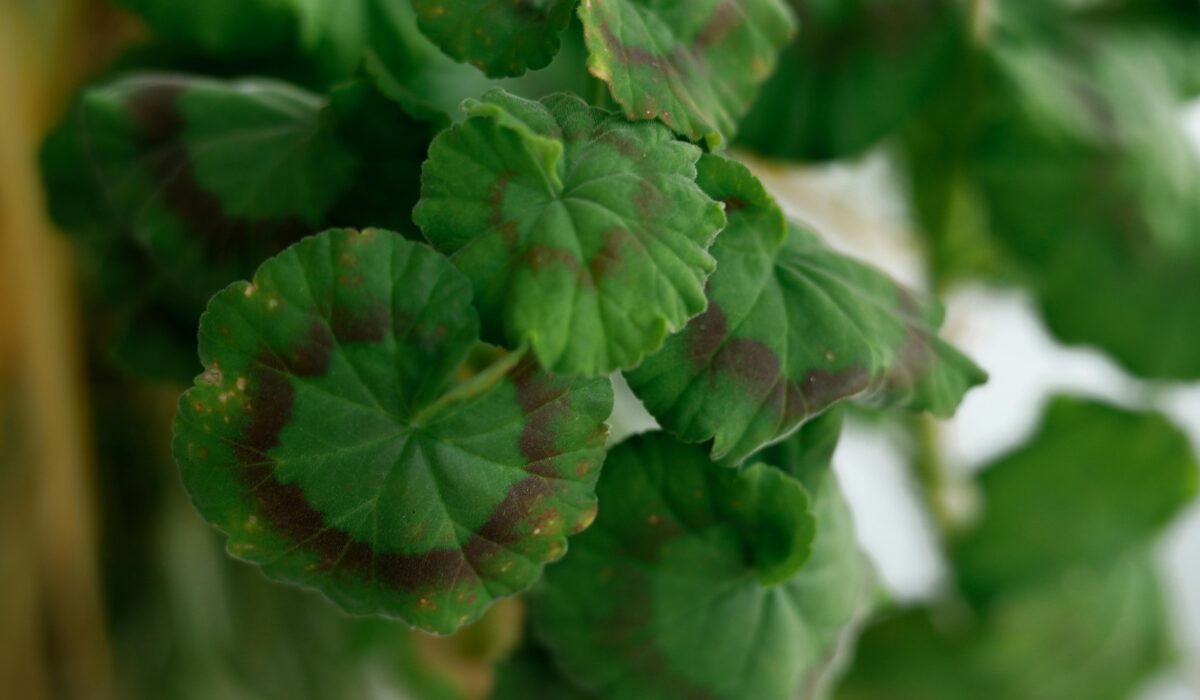
Ever gazed at your garden plants, noticing yellowing leaves, stunted growth, or strange spots, and wondered, “What’s wrong with you?” You’re not alone. Identifying and fixing plant nutrient deficiencies is a common challenge for gardeners, but it doesn’t have to be a mystery. This comprehensive guide will equip you with the knowledge to diagnose common plant ailments and implement effective, often organic, solutions to restore your garden’s vitality.
What Are the Signs of Nutrient Deficiency in Plants?
The first step in addressing any plant problem is keen observation. Plants, much like people, communicate their distress through visible symptoms, particularly on their leaves. These nutrient deficiency symptoms on leaves often provide clear clues about what’s missing.
What most people miss is differentiating between symptoms on old leaves versus new growth, which is a critical diagnostic indicator. This distinction helps you understand if the missing nutrient is mobile (can move from old to new growth) or immobile (stays put). According to West Virginia University Extension, “most nutrient deficiencies cause internal or external symptoms that may appear on any or all organs of the plant.”
Here are some general signs to look for:
- Chlorosis (Yellowing): This is perhaps the most common symptom, indicating a lack of chlorophyll. Yellowing can be uniform, interveinal (between the veins), or margin-specific.
- Necrosis (Dead Spots): Brown or black patches on leaves, often starting at the tips or margins, signal severe tissue death.
- Stunted Growth: Overall smaller plant size, reduced leaf size, or poor root development can all point to insufficient nutrient supply.
- Distorted Growth: Leaves might be curled, crinkled, thickened, or unusually small. Stems might be weak or brittle.
- Purple or Reddish Tints: Certain deficiencies can cause abnormal pigmentation, especially on the undersides of leaves or stems.
Remember, environmental factors like overwatering, pests, or diseases can mimic nutrient deficiencies, so careful assessment is key.
How Do I Know What Nutrients My Plant Needs?
Guessing games in the garden rarely lead to success; a more scientific approach is vital. The short answer for truly knowing what nutrients your plant needs is through soil testing. This provides a baseline understanding of your soil’s composition and pH.
A soil test kit can be a game-changer for gardeners, revealing nutrient levels and guiding your amendment choices. Lab-based options like MySoil Test Kit offer comprehensive analysis, while at-home kits like the Sonkir Soil pH Meter can give quick insights into pH, a crucial factor for nutrient availability. However, Atlas Scientific advocates for a holistic approach, suggesting “environmental monitoring, tissue or sap analysis… and symptom mapping” for the best diagnosis, recognizing that soil content isn’t the only factor.
Beyond soil testing, a detailed plant diagnostic guide helps correlate visual symptoms with specific nutrient issues. Michigan State University Extension’s Heidi Wollaeger recommends a six-step process, starting with ruling out other issues like pests or environmental stress, before diving into nutrient analysis. This systematic approach prevents misdiagnosis and ensures you address the actual problem.
Common Plant Nutrient Deficiencies (and How to Identify Them)
Understanding the specific signs for each nutrient is crucial for accurate diagnosis. This section acts as a practical plant nutrient deficiency chart, detailing symptoms for both macronutrients and micronutrients for plants, which are essential for growth.
Nitrogen (N) Deficiency
Symptoms: The most common sign of nitrogen deficiency symptoms is a general yellowing (chlorosis) of older leaves, starting at the tips and progressing inwards. Growth is stunted, and plants appear pale green, often with thin, weak stems. This happens because nitrogen is highly mobile within the plant, moving from older leaves to support new growth.
Why it’s common: Nitrogen is easily leached from soil, especially sandy soils, or consumed rapidly by fast-growing plants.
Phosphorus (P) Deficiency
Symptoms: Plants suffering from phosphorus deficiency often display a purplish or reddish discoloration on the undersides of older leaves and stems. Growth is severely stunted, and plants may appear stiff and upright. Flowering and fruiting are significantly reduced. Phosphorus is also mobile, so symptoms appear on older leaves first.
Why it’s common: Phosphorus can become “tied up” in soil at extreme pH levels, making it unavailable even if present.
Potassium (K) Deficiency
Symptoms: Older leaves show yellowing and browning around the margins, often described as “scorching” or “burn.” Growth is weak, and plants are more susceptible to disease and environmental stress. Potassium is mobile, so symptoms start on older foliage.
Why it’s common: Sandy soils and heavy rainfall can leach potassium. Some crops like potatoes and tomatoes are heavy feeders.
Calcium (Ca) Deficiency
Symptoms: Symptoms appear on new growth (young leaves, fruit, growing tips) because calcium is immobile. Look for distorted, stunted, or scorched new leaves. Blossom end rot in tomatoes and peppers, or tip burn in lettuce, are classic signs. Growing points may die back.
Why it’s common: Often a problem of inconsistent watering or rapid growth, rather than a lack of calcium in the soil itself, as water is needed for uptake.
Magnesium (Mg) Deficiency
Symptoms: Interveinal chlorosis (yellowing between the veins) on older leaves, with veins remaining green. Leaves may also develop reddish-brown spots or curl upwards. Magnesium is mobile, so older leaves are affected first.
Why it’s common: Sandy, acidic soils are prone to magnesium loss. According to April 2022 data, 55% of arable lands in China were found to be magnesium-deficient, highlighting its global prevalence.
Iron (Fe) Deficiency
Symptoms: Distinct interveinal chlorosis on new (younger) leaves, with veins remaining dark green. In severe cases, new leaves can turn completely white or yellow. Iron is immobile within the plant.
Why it’s common: Most common in alkaline (high pH) soils, where iron is present but unavailable to plants.
Boron (B) Deficiency
Symptoms: Stunted growth, thickened or brittle leaves, and death of growing points. Fruit can be malformed, cracked, or show internal discoloration. Boron is immobile.
Why it’s common: Leaches easily from sandy soils. Can be an issue in high pH soils.
Fixing Plant Nutrient Deficiencies: Organic & Sustainable Solutions
Once you’ve identified the deficiency, the next step is intervention. Our focus is on organic plant amendments and sustainable practices that feed the soil and, in turn, your plants. This approach builds long-term soil health rather than relying on quick-fix synthetic chemicals.
Targeted Organic Amendments
The key to effective organic fixing is choosing the right amendment for the right nutrient:
- Nitrogen: Use alfalfa meal, cottonseed meal, blood meal, or well-rotted compost. These break down slowly, providing a steady supply of nitrogen.
- Phosphorus: Bone meal, rock phosphate, and bat guano are excellent sources. Alfalfa meal also contributes.
- Potassium: Kelp meal, hardwood ash (use sparingly to avoid altering pH too much), and glauconite greensand are good options.
- Calcium: Gypsum, eggshells (crushed finely), or bone meal can supply calcium. For immediate relief, a foliar spray of calcium nitrate solution can be used, though it’s less organic.
- Magnesium: Epsom salts (magnesium sulfate) can be applied as a soil drench or a foliar spray (diluted 1 tbsp per gallon of water).
- Iron: Chelated iron formulations are available organically, or a diluted ferrous sulfate foliar spray can offer a quick boost in alkaline soils.
- Boron: Diluted borax or boric acid can be applied carefully, as too much boron can be toxic.
Always follow package instructions for application rates. More isn’t always better and can harm your plants.
Foliar Feeding for Rapid Response
For immediate relief, especially with immobile nutrients like iron or calcium, foliar feeding can be highly effective. This involves spraying a diluted nutrient solution directly onto the leaves, allowing for quicker absorption. For example, a diluted Epsom salts solution is a popular choice for magnesium deficiency.
Preventing Nutrient Deficiencies: Building Long-Term Soil Health
The best fix for nutrient deficiencies is prevention. This means focusing on building long-term soil health, creating an environment where plants can naturally access the nutrients they need. This proactive strategy helps prevent plant deficiencies before they even start.
Embrace Composting
Regularly amending your garden beds with rich, organic compost is perhaps the single most important step. Compost not only adds a wide spectrum of slow-release nutrients but also improves soil structure, water retention, and microbial life. Healthy soil microbes are essential for breaking down organic matter and making nutrients available to plants. For a deeper dive, check out our guide on Composting 101: Simple Steps for Beginner Gardeners.
Cover Cropping and Crop Rotation
These agricultural practices are incredibly beneficial for home gardens too. Cover crops, planted in off-seasons, protect soil from erosion, suppress weeds, and, when tilled in, add organic matter and nutrients. Leguminous cover crops, like clover or vetch, fix atmospheric nitrogen, replenishing the soil naturally. Crop rotation ensures that no single nutrient is depleted excessively in one spot year after year, promoting a balanced approach to soil fertility.
Optimize Soil Biology
A thriving soil ecosystem is a vibrant nutrient factory. Encourage beneficial fungi and bacteria by minimizing tillage, avoiding synthetic pesticides, and incorporating diverse organic matter. Products like Mosaic Crop Nutrition’s Bio Crop Nutrition products, such as BioPath® or PowerCoat®, exemplify how microbial activity can enhance nutrient use efficiency. This cultivates truly healthy garden soil.
The Critical Role of Soil pH in Nutrient Uptake
Understanding soil pH and nutrient availability is fundamental to successful gardening. Soil pH dictates how accessible nutrients are to your plants, even if those nutrients are present in abundance. Think of pH as the gatekeeper for nutrient uptake.
The University of Arizona Cooperative Extension emphasizes that “Plant roots require certain conditions to obtain these nutrients from the soil,” including correct soil pH. Most garden plants thrive in a slightly acidic to neutral pH range (6.0 to 7.0). Deviations from this ideal can cause significant problems.
Here’s why pH is so critical:
- Low pH (Acidic Soil): Below 5.5, deficiencies of Calcium (Ca), Magnesium (Mg), Phosphorus (P), or Molybdenum (Mo) can occur because these nutrients become less soluble. Conversely, Manganese (Mn), Iron (Fe), or Aluminum (Al) can become excessively soluble, leading to potential toxicity.
- High pH (Alkaline Soil): Above 7.5, essential micronutrients like Manganese (Mn), Zinc (Zn), Iron (Fe), or Copper (Cu) can become immobilized, meaning they are present in the soil but chemically bound and unavailable for plant uptake. This often manifests as iron chlorosis in alkaline soils.
Regular soil testing, as discussed earlier, is the only way to accurately determine your soil pH. Once you know your pH, you can adjust it using organic amendments like elemental sulfur (to lower pH) or wood ash/lime (to raise pH), always in moderation.
Specific Nutrient Solutions for Popular Garden Plants
While general principles apply, specific garden plants often have unique nutrient demands or are prone to certain deficiencies. Tailoring your approach to these specific needs can make a big difference.
Tomatoes & Peppers
These popular fruiting plants are heavy feeders and frequently suffer from calcium deficiency, leading to blossom end rot. Inconsistent watering is often the root cause, as water carries calcium to the plant. Ensure even moisture and consider amending soil with gypsum or crushed eggshells. They also need ample phosphorus for fruit development, so bone meal at planting can be beneficial.
Leafy Greens (Lettuce, Spinach, Kale)
Leafy greens are notorious for their nitrogen requirements, as nitrogen drives lush, green foliage growth. Yellowing older leaves are a classic sign of nitrogen deficiency. Regular top-dressings with compost or alfalfa meal will provide a steady supply. Magnesium deficiency, showing as interveinal yellowing, can also occur, remedied with Epsom salts.
Fruiting Trees & Shrubs
Fruit trees require a balanced diet, often with higher potassium for fruit quality and disease resistance. Kelp meal is an excellent source. Micronutrient deficiencies, particularly iron in alkaline soils, can be common. For example, citrus trees in high pH areas often show iron chlorosis on new leaves. Addressing soil pH is paramount, alongside chelated iron applications.
Understanding these plant-specific tendencies helps you anticipate and address potential deficiencies more effectively, leading to healthier, more productive yields.
Frequently Asked Questions
What are the signs of nutrient deficiency in plants?
Signs of nutrient deficiency in plants typically include visual symptoms like yellowing (chlorosis), browning or dead spots (necrosis), stunted growth, or distorted leaves. The location of these symptoms—whether on older or newer leaves—provides crucial clues to identify the specific nutrient lacking, as mobile nutrients affect old growth first while immobile ones impact new growth.
How do you fix nutrient deficiency in plants?
To fix nutrient deficiency in plants, first accurately diagnose the specific nutrient lacking, ideally through a soil test. Then, apply targeted organic amendments such as compost, bone meal for phosphorus, kelp meal for potassium, or Epsom salts for magnesium. Adjusting soil pH to the optimal range for your plants is also critical, as it directly impacts nutrient availability.
What is the most common nutrient deficiency in plants?
The most common nutrient deficiency in plants is typically nitrogen deficiency, manifesting as general yellowing of older leaves and stunted growth. This is because nitrogen is highly mobile within the plant and easily leached from the soil. Phosphorus and iron deficiencies are also very common, especially in specific soil conditions like high pH for iron.
How do I know what nutrients my plant needs?
The most reliable way to know what nutrients your plant needs is by conducting a professional soil test, which provides a detailed analysis of your soil’s nutrient levels and pH. In conjunction with soil testing, observing specific visual symptoms on your plants and referencing a plant diagnostic guide can help correlate the signs with particular nutrient deficiencies. Environmental factors like watering and drainage should also be considered.
Identifying and fixing plant nutrient deficiencies is a skill that comes with practice and observation. By understanding the signs, utilizing soil testing, embracing organic amendments, and prioritizing long-term soil health, you can cultivate a thriving garden. Remember, a healthy plant starts with healthy soil. Take the first step today: get your soil tested and start building a more resilient garden ecosystem.