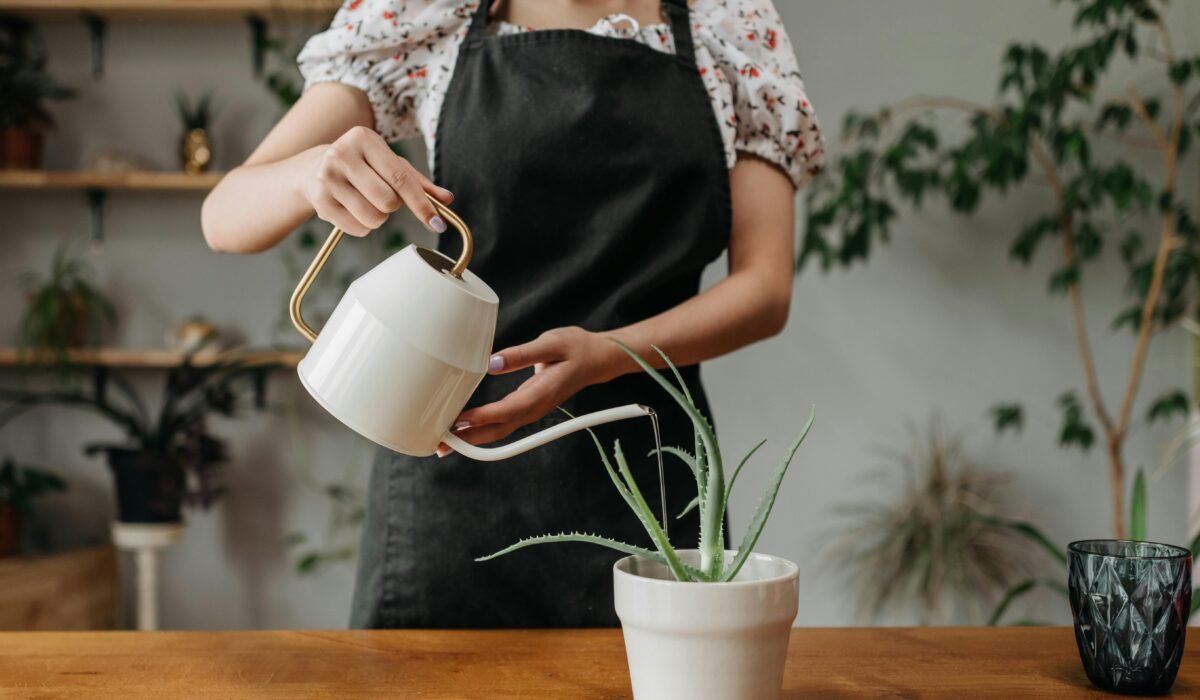
Frustrated by yellowing leaves or wilting stems, wondering exactly **how to water indoor plants** for robust health? You’re not alone; mastering proper hydration is the single most critical skill for any indoor gardener, and getting it right means the difference between struggling greenery and a thriving, vibrant home jungle. This comprehensive guide will equip you with the expert knowledge and practical techniques to ensure your houseplants flourish.
How to Know When Your Indoor Plants Need Water
The most common mistake plant parents make is watering on a rigid schedule rather than responding to their plant’s actual needs. In practice, the ideal time to water varies based on many factors, but your plant will always give you clues. Retired Purdue Extension consumer horticulture specialist B. Rosie Lerner states that **improper watering is the cause of most houseplant problems**, underscoring the importance of accurate assessment.
The Essential Finger Test
The classic “finger test” remains the most reliable method for checking **soil moisture levels**. Simply insert your index finger about 1-2 inches deep into the soil. If the soil feels dry at that depth, it’s likely time to water. For larger pots, you might need to go a bit deeper, checking 3-4 inches down.
Visual Cues and Plant Signals
Your plants communicate their needs through their foliage and stems. Look for **signs of underwatering** such as drooping or wilting leaves, especially if they feel dry and brittle. The pot might also feel noticeably lighter than usual. Conversely, **signs of overwatering indoor plants** include yellowing leaves, soft or mushy stems, and a general lack of vigor. Horticulturist Ben Hayman advises observing these plant signs closely to determine watering needs.
The Role of Soil Moisture Meters
While the finger test is effective, a soil moisture meter offers an extra layer of precision. Devices like the **XLUX T10 Soil Meter** are praised for their simplicity and accuracy, providing an easy-to-read, color-coded analog display without needing batteries. For those seeking more data, the **Kensizer Soil Moisture and pH Tester** offers both moisture and pH readings, crucial for ensuring optimal growing conditions. These tools provide objective data, helping you avoid guesswork, especially for sensitive plants.
How Often Should You Water Indoor Plants?
The short answer is: it depends. There’s no universal **watering schedule** that fits every plant or every home environment. Factors like plant type, pot size, light exposure, temperature, humidity, and even the type of soil all influence how quickly moisture evaporates and is absorbed. What most people miss is that your home is a dynamic environment, and your watering habits need to be flexible.
Consider the ambient conditions: a plant near a sunny, south-facing window will dry out faster than one in a shadier spot. Similarly, during winter months when plants are often dormant and indoor air is drier from heating, their water requirements generally decrease. Justin Hancock, Horticulture Expert at Costa Farms, points out that for indoor plants, the specific time of day you water is less important than consistency and meeting the plant’s needs. Whether it’s morning, afternoon, or evening, the plant won’t mind as long as it gets water when it needs it.
Top vs. Bottom Watering: What’s the Best Approach?
When it comes to **plant watering techniques**, two primary methods dominate: top watering and bottom watering. Both have their merits, and the “best” approach often depends on the plant, pot, and your specific goals.
Top Watering: The Traditional Method
This is the most common method: pouring water directly onto the soil surface until it drains out of the bottom. The Plant Runner brand recommends **watering the soil, not the foliage**, to ensure moisture reaches the roots and to reduce the risk of fungal diseases. This flushes out excess mineral salts that can build up in the soil, which is a significant benefit. However, rapid top watering can sometimes compact the soil or cause water to run straight through without adequate absorption if the soil is too dry.
Bottom Watering: Deep Hydration
**Bottom watering plants** involves placing the potted plant into a tray or sink filled with water, allowing the soil to absorb moisture upwards through the drainage holes. This method encourages deeper root growth as roots reach down for the water. It’s particularly effective for plants that dislike having wet foliage (like African Violets) or for pots where the soil has become compacted and hydrophobic. Once the top layer of soil feels moist, remove the plant and let any excess water drain completely. This prevents the soil from becoming waterlogged.
Watering Indoor Plants Without Drainage Holes
This presents a unique challenge, as proper drainage is crucial for **root rot prevention**. If you have a decorative pot without drainage, always plant your houseplant in a smaller pot *with* drainage holes first. Then, place this inner pot inside the decorative outer pot. When watering, remove the inner pot, water thoroughly until drainage occurs, and then let it sit for 15-30 minutes to ensure all excess water has drained before returning it to the decorative pot. This technique is vital for maintaining plant health in such containers.
Optimizing Water Quality for Thriving Indoor Plants
What most people miss is that the water you use profoundly impacts your plant’s health. While it might seem like a minor detail, **water quality for plants** can make a significant difference, especially for sensitive species. Tap water, our most convenient option, often contains chemicals and minerals that can accumulate in the soil and harm your plants over time.
Understanding Tap Water Challenges
Tap water is typically treated with chlorine and sometimes fluoride to make it safe for human consumption. While harmless to us, these chemicals can be detrimental to plants, particularly those sensitive to chemical buildup like Calatheas or Prayer Plants. Chlorine can evaporate if water is left out, but fluoride does not. Over time, mineral salts (like calcium and magnesium) from hard tap water can also build up in the soil, appearing as a white crust on the soil surface or pot rim. This can hinder nutrient uptake and even burn roots.
Practical Methods for Improving Tap Water
The good news is that you can easily improve your tap water quality.
- Let Water Sit Out: For chlorine, simply fill a watering can or open container with tap water and let it sit uncovered for 24-48 hours. This allows the chlorine to dissipate into the air.
- Filter Your Water: Using a basic carbon water filter (like a Brita pitcher) can remove chlorine, some heavy metals, and improve the overall taste and quality of your water, benefiting your plants.
- Consider Distilled or Rainwater: For highly sensitive plants, distilled water or collected rainwater are excellent choices as they are free from chemicals and minerals. Rainwater, in particular, contains natural nutrients that plants love.
By paying attention to your water source, you are taking a proactive step in advanced **indoor plant care**.
Tailoring Watering Schedules for Specific Houseplant Types
General watering advice is a starting point, but true expertise comes from understanding the unique needs of different plant families. This is where you elevate your **how to water indoor plants** knowledge from beginner to pro. The environment a plant naturally thrives in dictates its moisture preferences.
Moisture-Loving Plants (e.g., Ferns, Calatheas, Fiddle Leaf Figs)
These plants typically come from humid, tropical environments and prefer consistently moist, but not soggy, soil. Think of plants like ferns, Calatheas, and the popular Fiddle Leaf Fig. They often need watering more frequently, perhaps every 5-7 days, depending on environmental conditions. It’s crucial to prevent their soil from drying out completely, as this can lead to crispy leaves or sudden leaf drop. For Calatheas, ensuring high **plant humidity needs** is also vital, often achieved through pebble trays or humidifiers.
Drought-Tolerant Plants (e.g., Succulents, Cacti, Snake Plants)
On the other end of the spectrum are plants adapted to arid conditions, such as succulents, cacti, and Snake Plants. These require very infrequent watering, allowing their soil to dry out completely between waterings. Overwatering is the quickest way to kill these plants, leading to mushy leaves and root rot. In practice, you might water these plants every 2-4 weeks, or even less frequently, especially during their dormant periods.
Average Moisture Plants (e.g., Pothos, Philodendrons, ZZ Plants)
Most common houseplants fall into this category. They prefer their soil to dry out partially (the top 1-2 inches) between waterings. Plants like Pothos, Philodendrons, and ZZ Plants are quite forgiving and can tolerate slight variations in their **watering schedule**. A good rule of thumb is to check the soil every 7-10 days and water when it meets the “dry at 1-2 inches” criterion.
Adjusting for Seasonal Changes: Watering Indoor Plants in Winter
During winter, many houseplants enter a period of slower growth or dormancy. Less light and cooler temperatures mean they use less water. This is a critical time to adjust your **watering schedule for indoor plants**. Reduce both the frequency and volume of water you provide, allowing the soil to dry out more thoroughly than in warmer months. Overwatering in winter is a leading cause of plant demise.
Troubleshooting Common Watering Problems and Revival Techniques
Even with the best intentions, watering issues can arise. The key is to recognize the problem quickly and act decisively. Most common issues stem from either too much or too little water, leading to distinct signs of distress.
Recognizing and Addressing Overwatering
**Signs of overwatering indoor plants** include yellowing leaves that may feel soft or mushy, stunted growth, wilting despite wet soil, and a foul odor from the soil (a sign of **root rot prevention** failure). If you suspect overwatering:
- Stop Watering Immediately: Allow the soil to dry out completely.
- Improve Drainage: Ensure the pot has proper drainage holes and isn’t sitting in standing water.
- Inspect Roots: Gently remove the plant from its pot and examine the roots. Healthy roots are firm and white; rotted roots are brown, soft, and mushy. Trim away any affected roots with sterile scissors.
- Repot if Necessary: If root rot is extensive, repot into fresh, well-draining soil and a clean pot. For more detailed steps on reviving distressed plants, consult our guide on Revive Dying Indoor Plants: Expert Tips for Lush Growth.
What most people miss is that often, the soil itself is the culprit, retaining too much moisture.
Rehydrating and Reviving Underwatered Plants
**Signs of underwatering** include drooping or wilting leaves that feel dry and crispy, crispy leaf edges, and very dry, compact soil that pulls away from the pot’s sides. If you need to **rehydrate a dry plant**:
- Bottom Watering for Deep Hydration: Place the plant in a tray of water for 30-60 minutes, allowing the soil to slowly absorb moisture. This is especially effective for soil that has become hydrophobic.
- Thorough Top Watering: If bottom watering isn’t feasible, water thoroughly from the top until water drains from the bottom, then repeat this process after 15-20 minutes to ensure full saturation.
- Increase Humidity: For plants showing signs of extreme dehydration, a temporary humidity boost (e.g., placing a clear plastic bag over the plant and pot for a day or two, creating a mini-greenhouse) can help.
It’s amazing how quickly some plants bounce back from severe dehydration once they receive the water they desperately need.
Integrating Watering with Holistic Indoor Plant Care
Watering isn’t an isolated task; it’s a crucial component of a larger ecosystem of **indoor plant care**. To truly master **how to water indoor plants**, you need to understand its interplay with other environmental factors like light, humidity, and nutrients. This holistic approach ensures your plants don’t just survive, but truly thrive.
Light and Water: A Dynamic Duo
Plants in brighter light photosynthesize more actively and, consequently, transpire more water, meaning they’ll need watering more frequently. Conversely, plants in lower light conditions will use less water and are more susceptible to overwatering. Always consider the light levels your plant is receiving when determining its watering needs.
Humidity and Plant Hydration
Many popular houseplants, like Calatheas and Monstera, originate from tropical rainforests and crave high humidity. While watering addresses root hydration, ambient humidity affects how much moisture leaves lose. In dry indoor environments, low humidity can stress plants, even if their soil is adequately moist. Strategies like misting (though often temporary), pebble trays, or using a humidifier can help meet **plant humidity needs**.
Fertilization and Watering Schedules
Fertilizers are best applied to moist soil. Applying liquid fertilizer to dry soil can burn the roots. Therefore, it’s often wise to water your plants lightly a day or two before you plan to fertilize, ensuring the roots are hydrated and ready to absorb nutrients safely.
Smart Solutions for Consistent Care: Watering While on Vacation
For those times when you can’t be there to hand-water, several solutions can help keep your plants hydrated. The global self-watering plant pot market, valued at $0.45 billion in 2024, is projected to reach $1.2 billion by 2032, highlighting the demand for these innovations.
- Self-Watering Planters: Products like **Gardenix Decor Self-Watering Pots** offer up to two weeks of hydration with a built-in reservoir and water-level indicator. The **Lechuza Balconera Self-Watering Garden Planter** is another attractive, durable option.
- Automatic Watering Systems: For multiple plants, systems like the **Blumat Classic Automatic Plant Watering Stakes** or the **sPlant LCD Automatic Drip Irrigation System** can provide consistent, programmed watering. The **Back to the Roots Self-Watering Terra-Cotta Olla Pot**, inspired by ancient irrigation, slowly releases water through porous clay.
- Watering Globes/Spikes: Simple devices like **Tomorotec Clear Glass Self-Watering Spikes** slowly release water into the soil, ideal for smaller plants or short trips.
These tools are invaluable for maintaining your **indoor plant care** routine, especially when you’re away.
Frequently Asked Questions
How do you know when to water indoor plants?
The best way to know when to water indoor plants is by using the “finger test”: insert your finger 1-2 inches into the soil. If it feels dry, it’s time to water. You can also observe visual cues like wilting or drooping leaves, or use a soil moisture meter for added precision.
What is the best way to water indoor plants?
The best way to water indoor plants depends on the specific plant and pot, but often a combination of top and bottom watering is ideal. Top watering flushes the soil of mineral buildup, while bottom watering encourages deep root growth and ensures thorough saturation, especially for very dry soil. Always ensure the pot has drainage holes to prevent root rot.
How often should indoor plants be watered?
There isn’t a fixed schedule for how often indoor plants should be watered; it varies greatly based on the plant type, pot size, light, temperature, and humidity. Instead of a strict schedule, focus on checking the soil moisture levels regularly (e.g., every few days) and watering when the top 1-2 inches of soil are dry.
Is it better to water plants from top or bottom?
Both top and bottom watering have benefits, and the “better” method depends on your plant’s specific needs. Top watering is good for flushing salts and is the most common method, while bottom watering is excellent for deep hydration, preventing wet foliage, and rehydrating very dry soil. Many experienced plant owners alternate between the two for comprehensive hydration.
Mastering the art of **how to water indoor plants** is arguably the most impactful skill for cultivating a thriving indoor garden. By understanding your plant’s signals, optimizing water quality, and integrating watering into a holistic care routine, you’re setting your green companions up for long-term success. Start observing your plants more closely today, and watch them respond with vibrant growth and lush foliage.