Have you ever watched your thriving hydroponic plants suddenly wilt, develop strange spots, or become covered in tiny, unwelcome guests? It’s a frustrating experience, but effective hydroponic pest and disease control is entirely achievable with the right knowledge and proactive strategies. This guide will equip you with expert insights, from preventing common issues to identifying and treating problems, ensuring your soilless garden remains robust and productive.
How to Keep Pests and Diseases Out of Your Hydroponic System (Prevention First)
The golden rule in hydroponics, as in life, is that prevention is always better than cure. A proactive approach to hydroponic pest and disease control drastically reduces the chances of outbreaks, saving you time, effort, and potentially your entire crop. What most people miss is that a clean start and consistent monitoring are your strongest defenses.
Rigorous Sanitation Protocols
Maintaining impeccable hygiene is paramount in any hydroponic setup. Before introducing new plants or starting a new cycle, thoroughly clean and sterilize all components, including reservoirs, pumps, tubing, and growing media.
- Sterilize Equipment: Use a diluted bleach solution (1 part bleach to 9 parts water) or hydrogen peroxide (3%) to sanitize all surfaces, then rinse thoroughly with fresh water to remove any chemical residue. This crucial step eliminates lingering spores or eggs that could otherwise cause problems.
- Change Nutrient Solution Regularly: Stagnant water is a breeding ground for pathogens and algae. Regular nutrient solution management and replenishment prevents the buildup of harmful microorganisms and maintains optimal plant health.
- Clean Growing Area: Keep the surrounding environment clean, free of plant debris, and regularly wipe down walls and floors. This reduces hiding spots for pests and prevents spores from settling on your plants.
Quarantine & Inspection
New plants, even those from reputable sources, can introduce pests or diseases into your pristine system. A short quarantine period allows you to observe them for any signs of trouble before they contaminate your main garden.
Always inspect new plants thoroughly for pests like aphids hydroponics or spider mites hydroponics, and for early signs of disease. Isolate them for 1-2 weeks in a separate area if possible, checking daily for any suspicious symptoms. This simple step can save your entire harvest.
Environmental Control
Optimal environmental conditions make your plants strong and less susceptible to attack. Pests and diseases often thrive in specific conditions, so controlling these factors is a powerful preventative measure.
Maintaining consistent temperature, humidity, and excellent air circulation helps prevent many common issues. For instance, Purdue University emphasizes that “Most foliar diseases can be mitigated by maintaining relative humidity under 90% [and] by using continuous fans to keep the air circulating and by avoiding water on the leaves.” Good air movement strengthens stems and prevents moisture from lingering on leaves, which fungal spores love.
Identifying Common Hydroponic Pests: A Visual Guide
Early detection is crucial for effective hydroponic pest and disease control. Knowing what to look for can prevent a small infestation from becoming a devastating one. Here’s a quick guide to some of the most common culprits you might encounter.
Aphids
These tiny, pear-shaped insects come in various colors (green, black, yellow) and cluster on new growth, stems, and the undersides of leaves. They feed on plant sap, causing stunted growth, curled leaves, and often leave behind a sticky residue called honeydew, which can lead to sooty mold.
Spider Mites
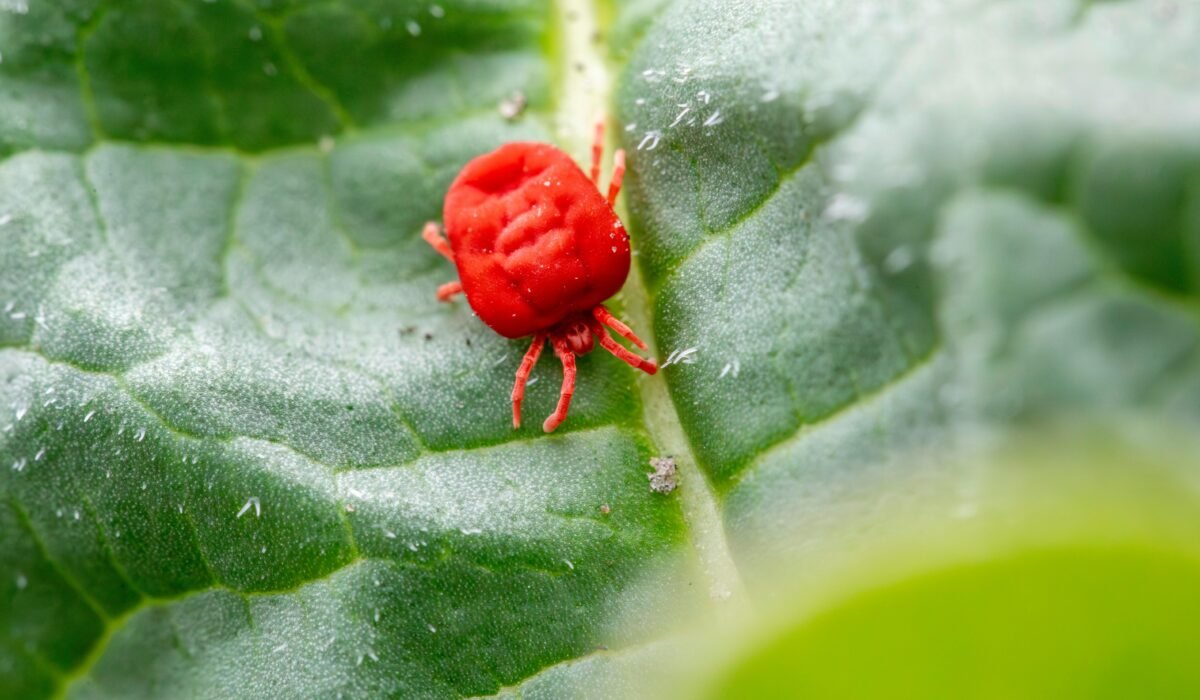
Almost microscopic, spider mites are notoriously hard to spot until their damage becomes evident. Look for tiny yellow or brown stippling (dots) on leaves, followed by fine webbing on the undersides of leaves or between stems. They thrive in hot, dry conditions and can multiply rapidly.
Fungus Gnats
Adult fungus gnats are small, dark, mosquito-like flies that are more of a nuisance, but their larvae are the real problem. The larvae live in moist growing media or the top layer of your nutrient solution, feeding on roots and organic matter, which can damage young plants and spread disease.
Whiteflies
These tiny, white, winged insects typically gather on the undersides of leaves and fly up in a cloud when disturbed. Like aphids, they feed on plant sap, causing yellowing, wilting, and producing honeydew. They can quickly overwhelm a system if not addressed.
Insight: Yellow sticky traps are invaluable for monitoring flying pests like aphids, whiteflies, and fungus gnats. Blue sticky traps are particularly effective for thrips. Placing them strategically provides an early warning system for developing infestations.
Understanding the Most Common Hydroponic Diseases
Hydroponic systems, while reducing soil-borne issues, introduce their own unique set of disease challenges, primarily related to water quality and plant stress. Proper hydroponic disease identification is key to effective treatment.
Root Diseases
These are arguably the most critical diseases in hydroponics because they directly attack the lifeline of your plants. According to a 2025 review by Prakash et al. in the International Journal of Plant & Soil Science, “Phyto-pathogenic fungi like Pythium, Phytophthora and Olpidium are the most harmful followed by bacteria, viruses, and nematodes” in hydroponic systems. These pathogens cause hydroponic root rot, turning roots brown, slimy, and mushy, leading to wilting and eventual plant death. Often, a foul odor accompanies severe root rot.
Foliar Diseases
While roots are the primary concern, leaves can also suffer. Powdery mildew hydroponics is a common fungal disease appearing as white, powdery spots on leaves and stems, hindering photosynthesis. Botrytis gray mold, another common issue, presents as fuzzy gray patches, often on damaged or dying tissue, especially in high humidity.
Real-world observation: Many growers first notice root disease when their plants suddenly wilt, even though the leaves look otherwise healthy. This is a critical signal that the roots are no longer functioning, and immediate action is required.
Effective Treatments: How to Get Rid of Pests in Hydroponic Water & Plants
Once pests have breached your defenses, it’s time for targeted action. The goal is to eliminate them without harming your plants or contaminating your system. This often involves a multi-pronged approach to organic pest control for hydroponics and, when necessary, safe chemical alternatives.
Organic & Natural Solutions
Many effective and environmentally friendly options exist for organic pest control for hydroponics. These are generally safe for edibles and less likely to harm beneficial insects.
- Neem Oil: A natural pesticide containing azadirachtin, neem oil disrupts insect molting and feeding. Mix according to package directions and spray thoroughly on affected plants, especially undersides of leaves. It’s effective against aphids, whiteflies, and spider mites.
- Insecticidal Soaps: These fatty acid salts break down the protective outer layer of soft-bodied insects, dehydrating them. Use a ready-to-use spray or mix a mild solution of pure castile soap (no detergents) with water for a DIY hydroponic pest spray.
- Hydrogen Peroxide (3%): Excellent for sanitizing surfaces and can be used in diluted form to manage certain pests and pathogens in the water. A solution of 1-2 ml per liter of nutrient solution can help control fungus gnat larvae and improve dissolved oxygen.
Beneficial Insects
Harnessing nature’s predators is a powerful strategy, especially for beneficial insects for hydroponic gardens. Introducing specific insects that prey on your pests can provide long-term, chemical-free control.
Ladybugs are voracious predators of aphids, thrips, and whiteflies. Lacewings, known as “aphid lions” in their larval stage, also effectively prey on aphids and mealybugs. For spider mites, predatory mites like Phytoseiulus persimilis are highly effective. For fungus gnat larvae, consider introducing *Stratiolaelaps scimitus* mites into your growing media. Credence Research noted in December 2024 that Hydroponic Systems International published new technical guidance on integrating sticky traps with biological control, reinforcing this approach.
Targeting Waterborne Pests
When pests are in your hydroponic water, such as fungus gnat larvae or algae, direct intervention is necessary. To how to get rid of bugs in hydroponic water, consider flushing the system and replacing the nutrient solution.
Hydrogen peroxide (3%) can be added to the nutrient reservoir at a rate of 1-2 ml per liter to kill larvae and oxygenate the water. Ensure good circulation and consider beneficial microorganisms like Bacillus thuringiensis israelensis (BTI), which specifically targets mosquito and gnat larvae without harming plants or other beneficial life.
Tackling Hydroponic Diseases: From Root Rot to Powdery Mildew
Diseases require a different approach than pests, often focusing on environmental adjustments and specific treatments. Addressing the underlying cause is as important as treating the symptoms.
Conquering Root Rot
Preventing how to prevent root rot in hydroponics involves maintaining optimal water temperature (65-72°F or 18-22°C), ensuring high dissolved oxygen levels, and keeping your system impeccably clean. If root rot strikes, immediate action is vital.
Drain your system, gently prune away any severely affected roots, and rinse the remaining healthy roots. You can then treat with beneficial microorganisms like Trichoderma or Bacillus subtilis, which act as biofungicides to colonize roots and outcompete pathogens. For severe cases, some growers use hydrogen peroxide flushes or specific systemic fungicides like fosetyl-al, following label instructions carefully.
Managing Powdery Mildew
This common fungal disease thrives in high humidity and poor air circulation. To manage powdery mildew hydroponics, first improve airflow and reduce humidity around your plants. Remove any heavily infected leaves to prevent further spread.
Treatments include spraying with a diluted neem oil solution, insecticidal soap, or a homemade solution of baking soda (1 teaspoon per liter of water with a few drops of dish soap). Commercial biofungicides containing Bacillus subtilis can also be effective. Consistency is key when treating powdery mildew.
Other Fungal & Bacterial Issues
For other fungal diseases like Botrytis gray mold, focus on reducing humidity and increasing air circulation. Remove infected plant parts immediately and ensure proper pruning practices to avoid open wounds. For bacterial issues, sanitation is your best defense, as chemical treatments are often ineffective or not recommended for home growers. Always ensure tools are sterilized between uses to prevent spreading pathogens.
Integrated Pest Management (IPM) for Home Hydroponic Growers
Integrated Pest Management (IPM) is not just for commercial operations; it’s a smart, sustainable strategy for home hydroponic growers too. It’s a holistic approach that combines multiple tactics to manage pests and diseases with minimal environmental impact. The goal of integrated pest management is to prevent problems before they start and to use the least toxic methods first.
The Core Principles of IPM
IPM operates on four key pillars:
- Set Action Thresholds: Understand what level of pest or disease presence you can tolerate before taking action. A few aphids might not warrant immediate chemical intervention.
- Monitor and Identify Pests/Diseases: Regular inspection and accurate identification are critical. You can’t treat what you don’t understand.
- Prevention: Implement all the proactive measures discussed earlier, such as hydroponic system sanitation, environmental control, and plant selection.
- Control: Once thresholds are met, apply control methods, starting with the least harmful (e.g., hand-picking, beneficial insects, organic sprays) and escalating to stronger measures only if necessary.
Implementing IPM in Your Home Garden
For the home grower, IPM means consistent vigilance and smart choices. Regularly inspect your plants, paying close attention to new growth and leaf undersides. Use sticky traps for monitoring. If you find pests, start with simple interventions like wiping them off or a mild insecticidal soap. Consider releasing beneficial insects for hydroponic gardens early if you anticipate recurring issues. For systemic problems, review your DIY hydroponic systems setup for potential improvements in airflow or water management. It’s about being observant and responsive, not just reactive.
Optimizing Your System & Nutrient Solution for Resilience
A healthy plant is a resilient plant, better equipped to fend off pests and diseases. Optimizing your hydroponic system and nutrient solution creates an environment where plants thrive, making them naturally more resistant. This is where true expertise in hydroponic pest and disease control shines.
Nutrient Solution Management
Your nutrient solution is the lifeblood of your hydroponic plants. Proper nutrient solution management is critical for their health and disease resistance.
- Maintain Optimal pH: Different plants have different pH preferences, but generally, a range of 5.5-6.5 allows for optimal nutrient uptake. Fluctuating pH can stress plants, making them vulnerable.
- Ensure High Dissolved Oxygen (DO): Roots need oxygen. Low DO levels stress roots, making them susceptible to root rot pathogens. Use air stones or other aeration methods to keep DO levels high, especially in DWC systems.
- Balanced Nutrients: Over or under-fertilization can weaken plants. Follow nutrient manufacturer guidelines and monitor Electrical Conductivity (EC) or Parts Per Million (PPM) regularly to ensure plants receive a balanced diet.
Environmental & System Design
Beyond the nutrient solution, your system’s design and overall environment play a significant role in preventing problems. Recirculating hydroponic systems can reduce water consumption by up to 90%, but also present a higher risk of disease spread if not properly managed, highlighting the importance of good design.
Ensure adequate space between plants for airflow, proper ventilation in your growing area, and consistent temperatures. Consider system-specific challenges: DWC systems are more prone to root diseases if aeration is poor, while NFT or aeroponic systems need careful monitoring for foliar pests due to their exposed plant canopy. A well-designed system, like those incorporating AI-based image recognition for early detection, can catch issues before they impact yields, as a key AI trend in 2025.
Frequently Asked Questions
How do I keep pests out of my hydroponic system?
Keeping pests out of your hydroponic system primarily relies on rigorous sanitation, quarantining new plants, and maintaining optimal environmental conditions like proper airflow and humidity. Regularly inspecting your plants and using sticky traps for early detection are also crucial preventative measures.
How do you get rid of bugs in hydroponic water?
To get rid of bugs in hydroponic water, such as fungus gnat larvae, you should first drain and clean your reservoir. You can then add diluted hydrogen peroxide (3%) or beneficial microorganisms like Bacillus thuringiensis israelensis (BTI) to the fresh nutrient solution to target larvae effectively.
What is the most common disease in hydroponics?
The most common disease in hydroponics is root rot, primarily caused by pathogens like Pythium and Phytophthora. It manifests as slimy, discolored roots and leads to wilting plants, often due to poor water oxygenation or high water temperatures.
What are the main problems with hydroponics?
The main problems with hydroponics include managing nutrient solution balance, maintaining optimal water temperature and dissolved oxygen levels, preventing and treating pests and diseases, and ensuring proper system sanitation. While efficient, hydroponic systems require consistent monitoring and precise environmental control to thrive.
Mastering hydroponic pest and disease control transforms your garden from a potential headache into a consistently thriving oasis. By embracing proactive prevention, understanding common issues, and applying targeted treatments, you empower your plants to reach their full potential. Start implementing these strategies today, and watch your hydroponic garden flourish.