Knowing when to harvest fruit trees is the secret to enjoying the freshest, most flavorful bounty from your garden. Many home gardeners struggle with timing, either picking too early for underdeveloped flavor or too late, leading to spoilage. This comprehensive guide will equip you with the knowledge and techniques to perfectly time your fruit tree harvest, ensuring maximum yield and exceptional quality.
How to Tell When Fruit is Ready to Pick?
Determining the perfect moment for fruit harvesting is a blend of art and science, relying on a variety of fruit ripeness indicators. As the University of Illinois Extension emphasizes, harvesting fruits at the proper stage of maturity is crucial for maintaining their nutrients, quality, and freshness. You’re looking for peak flavor and texture, which often means paying close attention to several sensory clues.
Visual Cues: Color and Size
The most obvious indicator of ripeness is often a change in color. Green skin typically gives way to vibrant reds, yellows, or purples as sugars develop. For apples and pears, observe the “ground color” – the background skin color, not the blush – which usually changes from green to yellow or creamy. Size also plays a role; fruit should reach its characteristic mature size, though size alone isn’t a definitive sign of readiness for consumption.
Tactile and Aromatic Indicators: Touch and Smell
When fruit is ripe, its texture often softens. Gently squeeze the fruit; if it yields slightly under pressure, it’s a good sign. For stone fruits like peaches, the firmness should decrease noticeably. A ripe fruit will also emit a distinct, sweet aroma, a clear signal that its sugars and volatile compounds are fully developed. This natural perfume is one of the most reliable ways to tell if fruit is ripe without tasting.
Taste Test and Ease of Separation
Ultimately, taste is king when it comes to fruit ripeness indicators. Sample a fruit from the tree; it should be sweet, juicy, and characteristic of its variety. Another practical test is how easily the fruit separates from the branch. Ripe fruit often detaches with a gentle lift and twist, indicating that the abscission layer (the connection point) has weakened. If you have to tug hard, it’s likely not ready yet.
Specific Ripeness Indicators for Common Fruit Trees
While general fruit ripeness indicators apply, each fruit type has its unique signals, making a fruit tree harvest calendar essential for planning. Understanding these specific cues is key to perfecting your fruit picking season.
Apples and Pears
For apples, look for the ground color to shift from green to yellow, and for seeds to turn brown. A gentle lift and twist should detach the apple easily. As Jon DeVaney, president of the Washington State Tree Fruit Association (WSTFA), noted, growers are disciplined in their harvest decisions to ensure only high-quality fruit. Pears are a bit different: most varieties are best picked when mature but still firm, then ripened off the tree indoors to avoid a gritty texture. This means the stem should separate easily with an upward tilt.
Peaches, Nectarines, and Apricots
These stone fruits achieve their best flavor and sweetness when allowed to fully ripen on the tree. Look for a vibrant, full color, a soft texture that gives slightly to gentle pressure, and a strong, sweet aroma. The fruit should detach easily from the branch. Remember, these fruits generally do not ripen further off the tree, making precise timing crucial for storing homegrown fruit.
Cherries and Plums
Cherries are ready when they reach their full color – dark red for sweet cherries, bright red for tart ones – and are firm and plump. Plums should also display their characteristic color, feel soft to the touch, and have a slight “give.” Both should separate easily from the stem. Picking techniques for these smaller fruits often involve careful handling to avoid bruising.
Best Practices for Picking Fruit from Trees
Employing the best way to pick fruit involves more than just knowing when; it’s about technique, timing, and care. Gentle handling is paramount to preventing fruit damage and ensuring your harvest lasts.
Gentle Handling and Picking Techniques
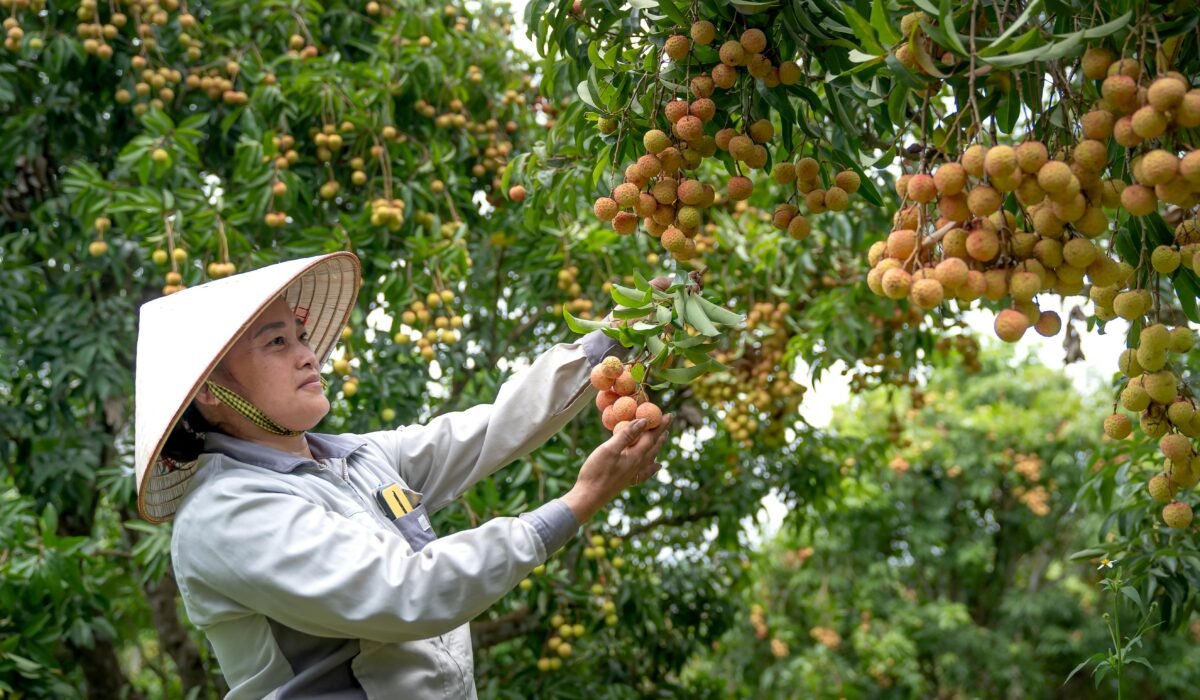
Always pick fruit with care to avoid bruising. Instead of pulling, use a gentle lift-and-twist motion for apples and pears, or a careful snap for stone fruits. Place fruit directly into your picking basket or container, rather than dropping it. The goal is to keep the fruit unblemished, as even small bruises can accelerate spoilage. The RHS advises that picking too early leads to underdeveloped flavor, while picking too late results in poor flavor and storage quality.
Best Time of Day to Pick Fruit
The ideal time to pick fruit is in the morning after the dew has dried, but before the heat of the day sets in. Cooler fruit retains its quality better and is less prone to bruising. Harvesting fruit in the heat can also make it more susceptible to damage and reduce its shelf life. What most people miss is that picking cool fruit also cools your storage area less rapidly, saving energy if you’re refrigerating.
Protecting the Tree and Future Yields
When picking, be mindful of the tree’s branches and fruiting spurs. Avoid tearing branches or stripping leaves, as this can damage the tree and impact future yields. Use proper ladders or fruit pickers to reach higher fruits safely, ensuring you don’t overextend or fall. For advice on managing your fruit trees for optimal health, consider our guide on how to grow dwarf fruit trees.
Essential Tools for Efficient and Damage-Free Fruit Harvesting
Having the right fruit harvesting tools can transform your picking experience, making it safer, more efficient, and significantly reducing the risk of damaging your precious crop. These tools are designed to help you reach high fruits and handle them delicately.
Telescoping Fruit Pickers
For fruits beyond arm’s reach, a telescoping fruit picker is invaluable. Brands like EVERSPROUT offer models that extend over 20 feet, allowing you to harvest from tall trees without a ladder. These typically feature a basket or soft “fingers” at the end to gently cup and detach the fruit, minimizing bruising. This is especially helpful for preventing fruit damage on delicate varieties.
Picking Baskets and Bags
Choose picking containers that are sturdy but gentle on fruit. Buckets or baskets lined with soft cloth prevent bruising as fruit is collected. Specialized picking bags worn over the shoulder allow for hands-free picking and often have a bottom opening for easy, gentle transfer of fruit into larger bins, further protecting your harvest.
Ladders and Safety Gear
For substantial fruit trees, a tripod or orchard ladder provides stable support and allows you to access higher branches safely. Always ensure the ladder is placed on level ground. Wear gloves to protect your hands and consider a wide-brimmed hat and sunscreen for extended outdoor picking sessions. Safety first, always!
Post-Harvest Care: Storing Your Fruit for Maximum Freshness
Once you’ve mastered when to harvest fruit trees, the next step is proper post-harvest storage to extend the life of your delicious bounty. Effective storage is crucial for storing homegrown fruit, preventing spoilage, and enjoying your harvest for weeks or even months.
Cleaning and Sorting Your Harvest
Before storage, carefully sort your fruit, setting aside any bruised, damaged, or overripe pieces for immediate consumption or processing (like making jams or sauces). Do not wash fruit before storing, as moisture can encourage mold and rot. Instead, gently wipe off any dirt with a dry cloth. This simple step is vital for maximizing fruit yield that is suitable for long-term keeping.
Optimal Storage Conditions for Different Fruits
Different fruits have varying storage requirements:
- Apples and Pears: These prefer cool, dark, and humid conditions, ideally between 30-35°F (0-2°C) with 90-95% humidity. A root cellar, cool garage, or even a dedicated refrigerator drawer works well. Pears, once ripened, should be refrigerated.
- Stone Fruits (Peaches, Nectarines, Plums): Store ripe stone fruits in the refrigerator for up to a week. If slightly underripe, leave them on the counter at room temperature to soften, then refrigerate.
- Cherries: Store unwashed cherries in a breathable bag in the refrigerator for up to two weeks.
What most people miss is that ethylene gas, emitted by some ripening fruits (especially apples), can accelerate ripening and spoilage in others. Store ethylene-producing fruits separately from ethylene-sensitive ones to prolong freshness.
Curing and Preservation Methods
For fruits like winter squash or certain apple varieties, “curing” can enhance storage life. This involves a short period (days to weeks) at warmer temperatures and moderate humidity to toughen skins or heal minor wounds before moving to cooler storage. Beyond fresh storage, consider freezing, canning, or dehydrating excess fruit to preserve it for year-round enjoyment.
Optimizing Your Harvest: Avoiding Common Mistakes and Maximizing Yield
Achieving a truly abundant harvest from your fruit trees goes beyond just picking; it involves strategic planning and avoiding pitfalls. By understanding common mistakes, you can significantly improve your fruit yield and the overall health of your trees.
Preventing Pest and Disease Damage
Pests and diseases don’t wait for harvest season. Implement preventative measures throughout the growing season to protect your ripening fruit. This could include netting to deter birds, vigilant scouting for insect pests, and proper sanitation. For comprehensive strategies, our guide on organic pest control for terrace gardens offers valuable insights that can be adapted for fruit trees.
Understanding Your Fruit Tree Harvest Calendar
Knowing the typical fruit picking season for your specific varieties is crucial. While actual timing varies by climate and year, a general fruit tree harvest calendar helps you anticipate when to start looking for ripeness indicators. For example, the USDA forecasts U.S. apple production for 2025/26 at 11.7 billion pounds, with Gala remaining the top variety, indicating consistent harvest windows for major commercial crops. Your local extension office can often provide a more precise fruit tree harvest calendar for your region.
Harvesting Hard-to-Reach Fruit
Don’t let high branches deter you. Utilize telescoping fruit pickers with soft claws or baskets to reach fruit without damaging it or the tree. For very tall trees, a sturdy orchard ladder is essential, but always prioritize safety. The short answer is, investing in the right fruit harvesting tools ensures no good fruit goes to waste, maximizing your fruit yield.
Do All Fruits Ripen Off the Tree?
This is a common question, and the answer is no, not all fruits continue ripening once picked. Understanding this distinction is fundamental to knowing when to harvest fruit trees for optimal flavor and texture.
Climacteric vs. Non-Climacteric Fruits
Fruits are generally categorized into two groups based on their ripening behavior:
- Climacteric Fruits: These fruits continue to ripen after being picked, often releasing ethylene gas, which further promotes ripening. Examples include apples, pears, peaches, plums, apricots, bananas, and tomatoes. Pears, for instance, are best picked when mature but firm, then ripened indoors to develop their characteristic juicy, non-gritty texture, as the University of Illinois Extension points out.
- Non-Climacteric Fruits: These fruits do not ripen further once harvested. They must be picked when fully ripe on the tree to achieve their best flavor and sweetness. Examples include cherries, grapes, strawberries, blueberries, citrus fruits, and pineapples.
This distinction means that for non-climacteric fruits, your timing for picking techniques must be impeccable, as their flavor won’t improve post-harvest.
Implications for Harvesting and Storage
For climacteric fruits, you have a slight window of flexibility. You can pick them a little early and allow them to ripen indoors. This can be beneficial for managing a large harvest or if bad weather is approaching. However, for non-climacteric fruits, the tree is the ultimate ripening chamber. Picking them prematurely will result in a less flavorful, often tart, and unsatisfying eating experience, underscoring the importance of accurate fruit ripening stages.
Frequently Asked Questions
How do you know when fruit is ready to pick?
You can tell fruit is ready to pick by observing several key indicators: changes in skin color from green to its mature hue, the development of a characteristic sweet aroma, a slight softening of the fruit’s flesh when gently squeezed, and the ease with which it separates from the branch with a gentle lift and twist. Taste-testing a sample is the ultimate confirmation of ripeness.
What is the best way to pick fruit from a tree?
The best way to pick fruit is by using a gentle lift-and-twist motion to detach it from the branch, rather than pulling, which can damage the fruit or tree. Always handle fruit carefully to prevent bruising, and place it gently into a padded picking container. For high-up fruit, use a telescoping fruit picker or a stable ladder to ensure both your safety and the fruit’s integrity.
What is the best time of day to pick fruit?
The best time of day to pick fruit is typically in the cool morning hours, after any dew has evaporated but before the heat of the day fully sets in. Picking fruit when it’s cool helps maintain its firmness and quality, making it less susceptible to bruising and extending its potential storage life.
Do apples ripen after being picked?
Yes, apples are climacteric fruits, meaning they continue to ripen after being picked. They produce ethylene gas, which promotes further ripening. While apples develop their best flavor when allowed to mature fully on the tree, they can be picked when mature but still firm and allowed to finish ripening in a cool, dark place indoors.
Mastering when to harvest fruit trees is a deeply rewarding skill that directly impacts the quality and quantity of your homegrown produce. By understanding specific ripeness indicators, employing proper picking techniques, and implementing effective post-harvest care, you can ensure every piece of fruit is a testament to your efforts. Start applying these expert tips today to enjoy the most delicious, abundant harvest your fruit trees can offer, straight from your garden to your table.